

What Kind of Fish Was Dora? Unveiling the Animated Icon’s Species
Dora the fish, the lovable sidekick from Finding Nemo and Finding Dory, is a Regal Blue Tang. This vibrant and unforgettable character adds humor and heart to the Pixar universe.

Introducing the Regal Blue Tang: The Real Dora
Dora, with her perpetually optimistic outlook and famously short-term memory, is one of Pixar’s most beloved creations. But beyond her personality, lies the fascinating reality of her species: the Regal Blue Tang. These fish are not just animated characters; they are real creatures with unique characteristics and ecological roles. Understanding what kind of fish was Dora? offers insights into the marine environment and the real-life inspiration behind a cartoon icon.

Are fish heads good for the garden?
Can fish hear water?
What is cotton rot in fish?
What colours are fish most attracted to?
Characteristics of Regal Blue Tangs
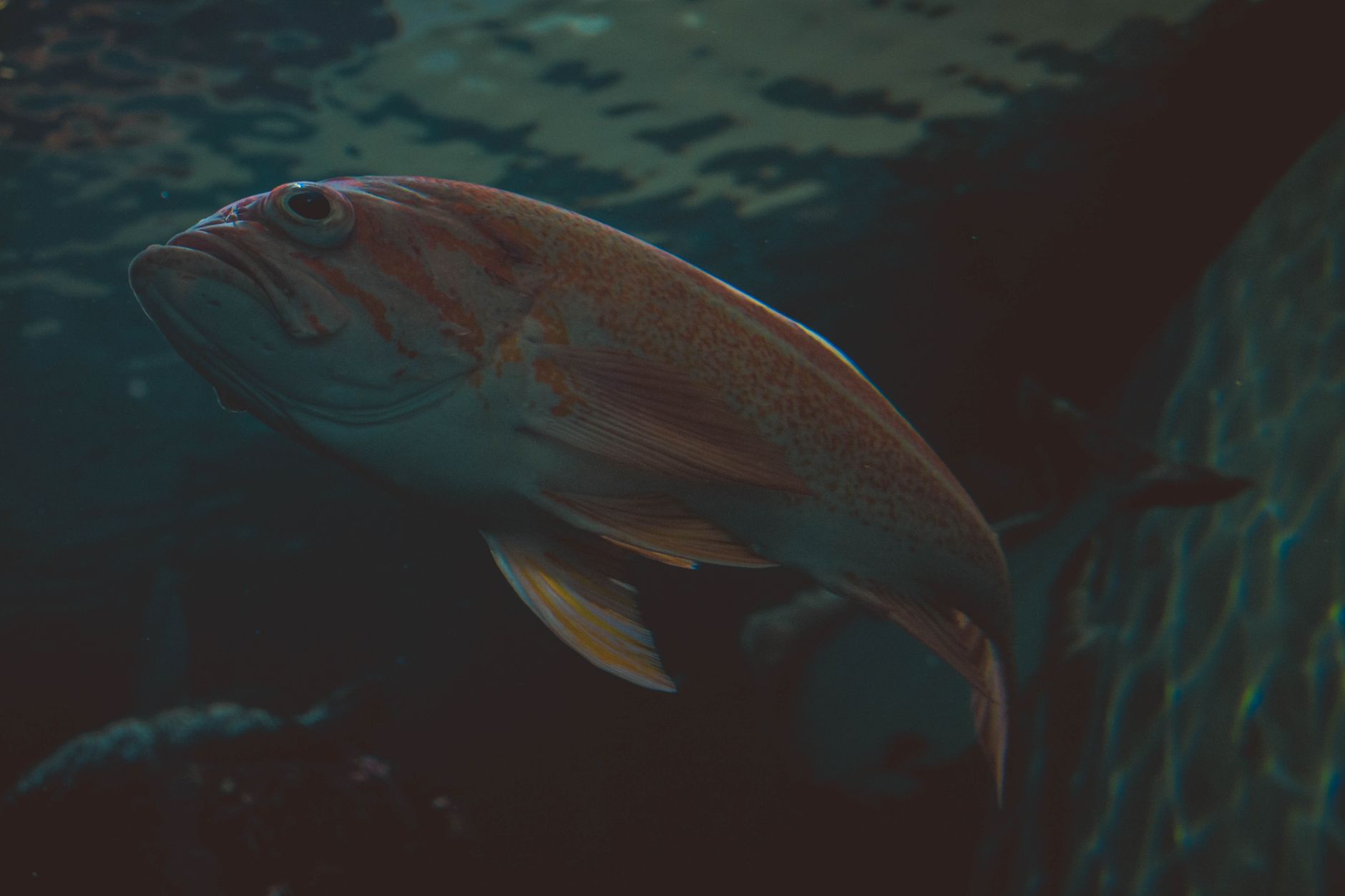
Regal Blue Tangs, also known as Palette Surgeonfish, Paracanthurus hepatus, or simply “D Tangs”, are easily recognizable due to their striking coloration. Their flattened, disc-like bodies are primarily a vibrant royal blue, accented by a black marking resembling an artist’s palette and a bright yellow tail. These colors aren’t just aesthetically pleasing; they play a role in communication and camouflage in their natural reef environment. Key features include:
- Size: Typically reach lengths of 8-12 inches in the wild.
- Diet: Herbivorous, feeding mainly on algae. This helps keep coral reefs healthy.
- Habitat: Inhabit coral reefs in the Indo-Pacific region.
- Lifespan: Can live for 8-30 years in the wild and in captivity, depending on the health of their environment.
Why a Regal Blue Tang?
Choosing a Regal Blue Tang for Dora’s character wasn’t arbitrary. Their bright colors make them visually appealing, and their peaceful nature (though sometimes territorial) contributes to Dora’s generally positive and helpful disposition. The decision to depict a fish with memory challenges also adds an element of relatability and humor, making her a particularly memorable character. The filmmakers researched several fish species, and settled on the Regal Blue Tang partly because of its distinctive appearance and the potential for comedic storytelling.
Ecological Role of Regal Blue Tangs
These fish are crucial to the health of coral reefs. By grazing on algae, they prevent it from overgrowing and smothering the coral. This keeps the reef ecosystem balanced and supports a diverse range of marine life. Overfishing and habitat destruction pose significant threats to Regal Blue Tang populations, impacting the delicate balance of their reef environments.
Common Misconceptions about Regal Blue Tangs
One common misconception is that all blue fish in coral reefs are Regal Blue Tangs. While other species may share similar colors, the specific markings and body shape of Paracanthurus hepatus are unique. Another misconception, partly fueled by the movie, is that Regal Blue Tangs inherently suffer from short-term memory loss. While some fish species have more limited cognitive abilities than others, Regal Blue Tangs don’t have any specific problems with memory beyond what is natural for them. This trait was added to the character of Dora to make her unique.
Dangers Facing Regal Blue Tangs
The Regal Blue Tang population, like other reef-dwelling species, faces several threats, including:
- Habitat Loss: Coral reef destruction due to pollution, climate change, and destructive fishing practices.
- Overfishing: The pet trade and human consumption can deplete wild populations if not properly regulated.
- Cyanide Fishing: A destructive practice that uses cyanide to stun fish for capture, often resulting in death or long-term health problems.
- Climate Change: Rising ocean temperatures and ocean acidification threaten coral reefs, the natural habitat of Regal Blue Tangs.
Caring for a Regal Blue Tang (If You Must)
While Regal Blue Tangs are beautiful fish, they are not suitable for beginner aquarists. They require:
- Large Tank: A minimum tank size of 180 gallons is recommended to provide adequate swimming space.
- Stable Water Parameters: Maintaining consistent temperature, salinity, and pH levels is crucial.
- Nutritious Diet: A varied diet consisting of marine algae, seaweed, and supplemental foods.
- Proper Filtration: High-quality filtration is essential to remove waste and maintain water quality.
- Peaceful Tankmates: Avoid aggressive fish that may harass or bully the tang.
- Expertise: Proper care requires substantial knowledge and experience in marine aquarium keeping.
Because of the difficulty in maintaining healthy Regal Blue Tangs, experts encourage potential aquarium owners to consider ethical and sustainable alternatives and to avoid supporting the capture of wild fish.
Frequently Asked Questions (FAQs)
What is the scientific name for Dora’s fish species?
The scientific name for the Regal Blue Tang, the species of fish Dora is based on, is Paracanthurus hepatus. This name helps scientists around the world identify and study this particular species, regardless of the common name used in different regions. Knowing the scientific name is crucial for accurate research and conservation efforts.
Are Regal Blue Tangs actually forgetful like Dora?
While Dora’s short-term memory issues are a major part of her character, this is a fictional trait. Regal Blue Tangs do not have a scientifically documented problem with memory beyond what is typical for fish. This aspect was added to the character for comedic effect.
What do Regal Blue Tangs eat in the wild?
In their natural habitat, Regal Blue Tangs primarily feed on algae. This herbivorous diet helps them keep the coral reefs clean and healthy. They graze on various types of algae, playing a vital role in the ecosystem’s balance.
Where do Regal Blue Tangs live?
Regal Blue Tangs are found in the Indo-Pacific region, specifically in coral reefs. Their vibrant colors help them blend in with the colorful surroundings of the reef. They inhabit areas from East Africa to Japan, Australia, and Micronesia.
How big do Regal Blue Tangs get?
In the wild, Regal Blue Tangs can grow to be about 8 to 12 inches in length. Their flattened body shape allows them to navigate the tight spaces within coral reefs. The size may vary slightly depending on the specific environment and available food.
Are Regal Blue Tangs easy to care for in aquariums?
No, Regal Blue Tangs are considered difficult to care for in aquariums. They require a large tank (at least 180 gallons), stable water parameters, and a specialized diet. They are not recommended for beginner aquarists.
Are Regal Blue Tangs endangered?
Currently, Regal Blue Tangs are not listed as endangered, but their populations are threatened by habitat loss, overfishing, and destructive fishing practices. Conservation efforts are important to ensure their long-term survival.
What threats do Regal Blue Tangs face in the wild?
Regal Blue Tangs face several threats, including habitat destruction of coral reefs due to pollution and climate change, overfishing for the aquarium trade and human consumption, and destructive fishing methods like cyanide fishing. These threats pose a significant risk to their populations.
Are Regal Blue Tangs aggressive fish?
While generally peaceful, Regal Blue Tangs can be territorial, especially towards other tangs. Providing adequate space in an aquarium is crucial to minimize aggression. In the wild, they establish territories within the reef.
Can Regal Blue Tangs change color?
Yes, Regal Blue Tangs can change color slightly based on their mood or environment. This color change is usually subtle and involves variations in the intensity of their blue coloration. It’s often related to stress or social interactions.
How long do Regal Blue Tangs live?
Regal Blue Tangs can live for 8 to 30 years in the wild and in captivity, depending on environmental conditions and care. Proper care in aquariums can extend their lifespan. Their longevity makes it especially important to consider the long-term commitment before acquiring one.
What is the best way to help protect Regal Blue Tangs?
Supporting sustainable fishing practices, reducing pollution, advocating for coral reef conservation, and avoiding the purchase of wild-caught Regal Blue Tangs for aquariums are all effective ways to help protect these fish. Education and awareness are also key to promoting responsible stewardship of marine ecosystems. The answer to What kind of fish was Dora? is just the start of a fascinating journey into ocean conservation.