

What Kind of Fish is Finfish? Understanding the Categorization
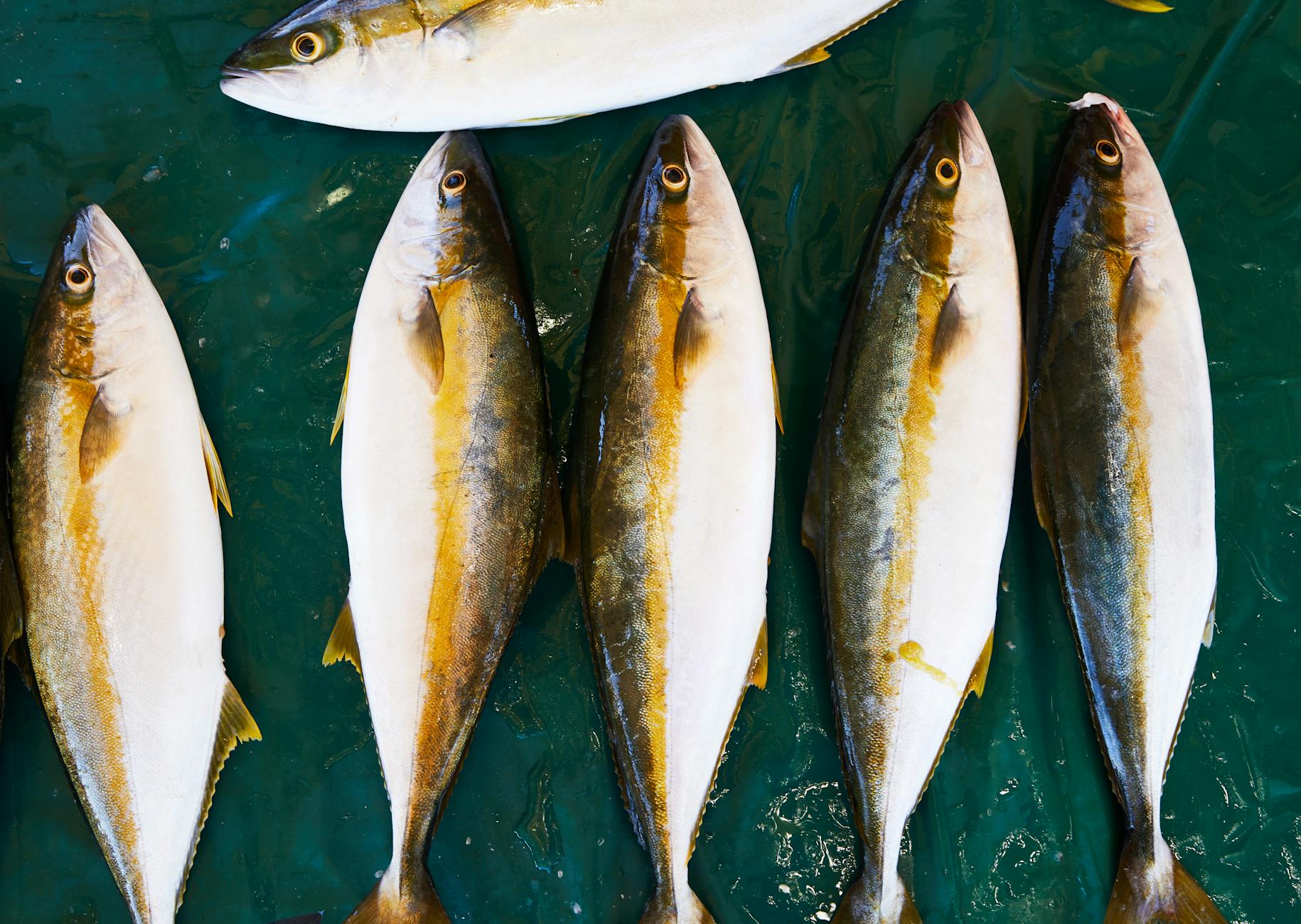
Finfish are all fish that possess fins. This term distinguishes them from shellfish, which are aquatic invertebrates.
Introduction: The World of Aquatic Classification
The aquatic world is teeming with diverse life, requiring effective ways to categorize and understand its inhabitants. While broad terms like “fish” seem simple enough, a more nuanced classification is necessary, particularly in commercial and culinary contexts. One such categorization involves distinguishing between finfish and shellfish. This distinction isn’t merely academic; it has significant implications for fisheries management, dietary guidelines, and even allergy awareness. Understanding what kind of fish is finfish is fundamental to appreciating the biodiversity of our oceans and freshwater ecosystems.

Are fish heads good for the garden?
Can fish hear water?
What is cotton rot in fish?
What colours are fish most attracted to?
Distinguishing Finfish from Shellfish
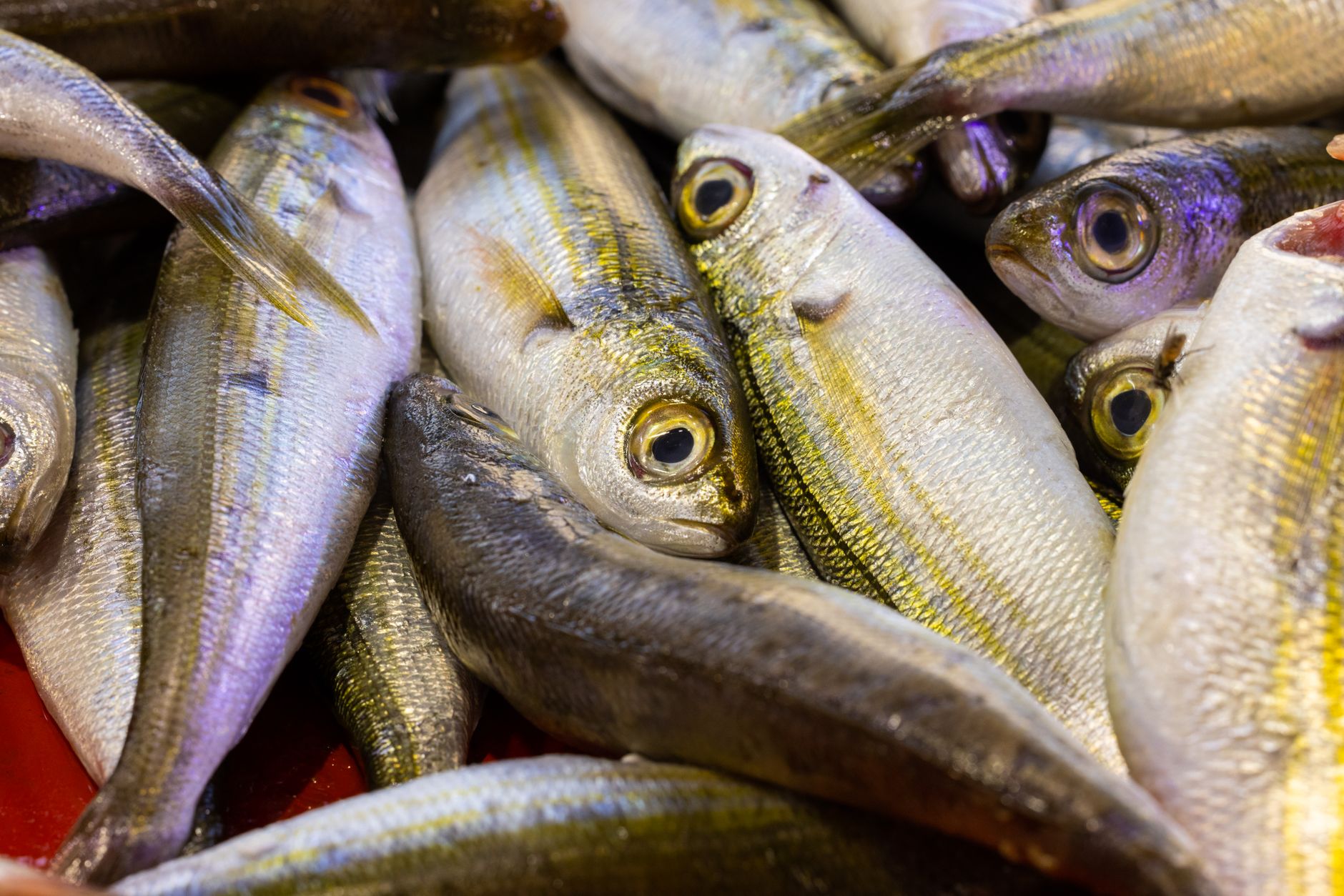
The most basic differentiation lies in their anatomy. Finfish are, as the name suggests, characterized by the presence of fins, a bony skeleton (in most cases), and scales. They breathe using gills and are typically streamlined for efficient movement through water. Shellfish, on the other hand, are invertebrates, lacking a backbone and possessing an external shell. This fundamental difference extends to their physiology, habitat, and nutritional profiles. So, what kind of fish is finfish when compared to shellfish? The answer lies in their very biological makeup.
Key Characteristics of Finfish
Finfish encompass a vast array of species, but they share several common characteristics:
- Fins: Used for propulsion, steering, and stability in the water.
- Gills: Facilitate respiration by extracting oxygen from the water.
- Scales: Provide protection and reduce friction.
- Bony or Cartilaginous Skeleton: Provides internal support and structure.
- Streamlined Body Shape: Enhances hydrodynamic efficiency.
Importance of Finfish Classification
Knowing what kind of fish is finfish is crucial for several reasons:
- Dietary Guidelines: Finfish and shellfish have different nutritional profiles, impacting dietary recommendations. Finfish are generally a good source of protein, omega-3 fatty acids, and essential vitamins and minerals.
- Allergy Awareness: Shellfish allergies are among the most common food allergies. Correct classification helps individuals with allergies avoid specific foods.
- Fisheries Management: Different types of fish require different management strategies to ensure sustainable fishing practices.
- Culinary Applications: Understanding the characteristics of various finfish is essential for chefs and cooks to prepare them properly and enhance their flavor.
Examples of Finfish
The diversity of finfish is staggering. Some familiar examples include:
- Salmon
- Tuna
- Cod
- Haddock
- Bass
- Trout
- Shark
- Ray
- Eel
The list could go on and on, showcasing the wide range of species that fall under the umbrella of “finfish.” It’s the presence of fins and a vertebral column that firmly places these creatures in the finfish category.
Common Misconceptions
Sometimes, the term “fish” is used loosely, leading to confusion. For example, creatures like jellyfish and starfish are often referred to as “fish” colloquially, but they are invertebrates and therefore not finfish. Understanding what kind of fish is finfish requires focusing on the biological criteria: fins, gills, scales, and a bony or cartilaginous skeleton.
Comparison Table: Finfish vs. Shellfish
| Feature | Finfish | Shellfish |
|---|---|---|
| Skeleton | Bony or Cartilaginous | Absent |
| Shell | Absent | Present (external) |
| Fins | Present | Absent |
| Respiration | Gills | Varies (gills, diffusion) |
| Examples | Salmon, Tuna, Cod | Shrimp, Crab, Lobster, Oysters |
| Common Allergens | Less common than shellfish | Highly allergenic |
Sustainability Considerations
As with any food source, sustainable fishing practices are essential for ensuring the long-term health of finfish populations and the marine ecosystem. Choosing sustainably sourced finfish is a responsible way to enjoy this valuable food source while protecting our oceans. Organizations like the Marine Stewardship Council (MSC) offer certifications to identify sustainably caught seafood.
Nutritional Benefits of Finfish
Finfish are renowned for their nutritional benefits. They are a lean source of protein, rich in omega-3 fatty acids, and provide essential vitamins and minerals such as vitamin D, vitamin B12, iodine, and selenium. Omega-3 fatty acids are particularly beneficial for heart health and brain function.
Frequently Asked Questions (FAQs)
What are the main differences between finfish and shellfish?
The primary difference lies in their skeletal structure. Finfish possess an internal bony or cartilaginous skeleton and fins, while shellfish are invertebrates lacking a backbone and typically possessing an external shell. This structural difference also influences their nutritional profiles and allergy risks.
Are all fish considered finfish?
Yes, by definition, all organisms we classify as “fish” are considered finfish. The term “fish” implies the presence of fins, gills, and a skeletal structure, which are the defining characteristics of finfish. The term is usually used to distinguish between fish and shellfish.
Is there a difference between “fish” and “finfish”?
The terms are largely synonymous. “Finfish” is often used to provide clarity and emphasize the distinction from shellfish. So, if someone is asking what kind of fish is finfish?, they are essentially asking for a clarification and definition of the biological characteristics of fish.
Are sharks considered finfish?
Yes, sharks are indeed finfish. Although their skeletons are made of cartilage rather than bone, they still possess fins, gills, and a vertebral column, classifying them as cartilaginous finfish.
Are eels considered finfish?
Absolutely. Eels are classified as finfish. They possess fins, gills, and a bony skeleton, although their body shape may be quite different from more typical-looking finfish.
How do I choose sustainably sourced finfish?
Look for certifications like the Marine Stewardship Council (MSC) label or consult resources like the Monterey Bay Aquarium’s Seafood Watch guide. These resources help you identify finfish caught using sustainable fishing practices.
What are the health benefits of eating finfish?
Finfish are a great source of protein, omega-3 fatty acids, and essential vitamins and minerals. Omega-3s are particularly beneficial for heart and brain health.
Are finfish allergies common?
Finfish allergies are less common than shellfish allergies, but they can still occur. Individuals with finfish allergies should carefully read food labels and avoid finfish.
What are some examples of common finfish?
Common examples of finfish include salmon, tuna, cod, haddock, bass, trout, shark, ray, and eel. The diversity of finfish is vast, encompassing a wide range of species.
How are finfish farmed?
Finfish farming, also known as aquaculture, involves raising finfish in controlled environments such as ponds, tanks, or sea cages. Sustainable aquaculture practices are essential to minimize environmental impacts.
What is the role of finfish in the ecosystem?
Finfish play crucial roles in aquatic ecosystems, acting as predators, prey, and recyclers of nutrients. They contribute to the balance and stability of these environments.
Are there any ethical concerns related to consuming finfish?
Ethical concerns surrounding finfish consumption often revolve around sustainable fishing practices, animal welfare in aquaculture, and the potential impact of fishing on marine ecosystems. Choosing sustainably sourced finfish and supporting responsible aquaculture practices can help address these concerns.