
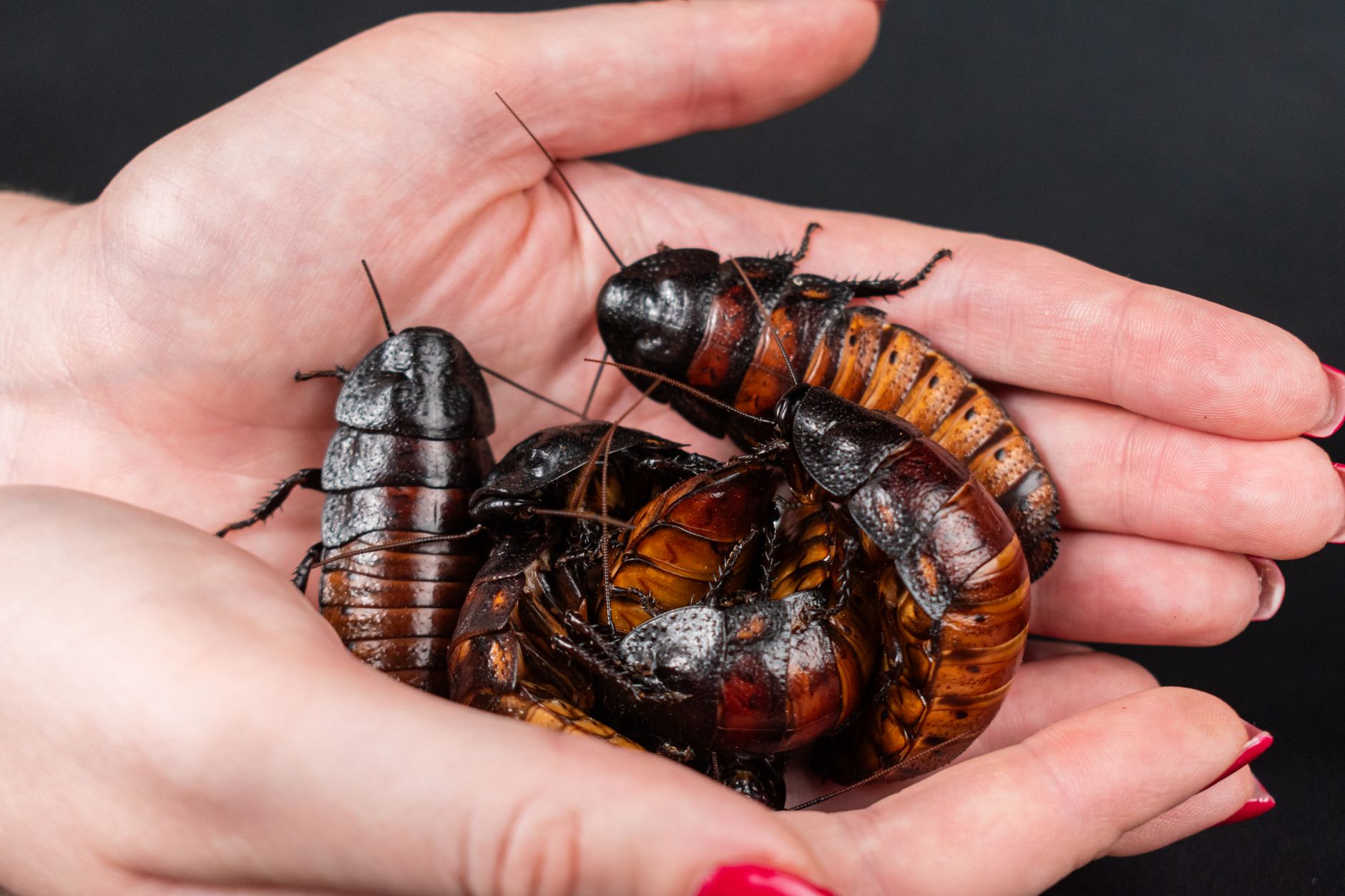
What Kills Dubia Roaches?
Dubia roaches can die from various factors including improper environmental conditions, diseases, pesticides, and starvation. Understanding these threats is crucial for keeping your dubia roach colony thriving.

Introduction: The Delicate Life of a Dubia Roach
Dubia roaches ( Blaptica dubia) are a popular feeder insect for reptiles, amphibians, and invertebrates due to their high protein content, ease of care, and relatively slow movement compared to crickets. However, while seemingly hardy, these insects are susceptible to various factors that can lead to their demise. Successfully maintaining a dubia roach colony requires understanding what kills dubia roaches and implementing appropriate preventative measures. This article explores the common causes of dubia roach mortality and provides practical advice for keeping your colony healthy and productive.

What colours are fish most attracted to?
Can you put your finger in a trout's mouth?
Is methylene blue anti bacterial?
Does aquarium salt raise pH in aquarium?
Environmental Factors: The Key to Survival

Dubia roaches, like all living organisms, thrive within specific environmental parameters. Deviations from these ideal conditions can significantly impact their health and lifespan.
- Temperature: Dubia roaches prefer temperatures between 75°F and 95°F (24°C to 35°C). Temperatures below 65°F (18°C) can slow their metabolism, leading to decreased activity and eventual death. Conversely, excessively high temperatures (above 100°F/38°C) can also be lethal.
- Humidity: Maintaining a moderate humidity level (around 40-60%) is important. Excessive humidity can promote mold growth and bacterial infections, while too little humidity can lead to dehydration. Good ventilation is essential to prevent excessive moisture buildup.
- Ventilation: Adequate airflow is critical to prevent the buildup of harmful gases like ammonia, which can be released from waste products. Poor ventilation can also exacerbate the effects of high humidity.
Nutritional Deficiencies and Starvation
Proper nutrition is paramount for dubia roach health and reproduction. Starvation is a preventable cause of death.
- Balanced Diet: Dubia roaches require a balanced diet consisting of carbohydrates, proteins, and fats. Offer a variety of fresh fruits, vegetables (such as carrots, squash, and leafy greens), and dry gut-load feed (like chicken feed or roach chow).
- Water Availability: Water is essential for survival. Provide a constant source of water through gel water crystals or a shallow dish with a damp sponge or paper towel. Avoid open water sources that can lead to drowning.
- Inadequate Protein: A lack of protein in the diet can lead to cannibalism, particularly among nymphs. Ensure that your roaches have access to a protein source, especially when breeding.
Pests and Diseases: Silent Killers
While dubia roaches are generally resistant to many common insect pests, they are not immune to all diseases and infestations.
- Mites: Mites can be a nuisance, feeding on the roaches and causing stress. Regular cleaning of the enclosure and the use of mite-specific treatments (available at reptile supply stores) can help control mite infestations.
- Mold and Fungi: As mentioned earlier, high humidity can promote mold and fungal growth, which can be harmful to dubia roaches. Proper ventilation and sanitation are crucial for preventing these issues.
- Bacterial Infections: While less common, bacterial infections can occur, particularly in overcrowded or unsanitary conditions. Symptoms may include lethargy, discoloration, and sudden death.
The Peril of Pesticides and Chemicals
Dubia roaches are highly susceptible to pesticides and other chemicals. Exposure can lead to immediate death or long-term health problems.
- Household Cleaners: Never use household cleaners, insecticides, or other chemicals near your dubia roach enclosure. Even residual amounts can be deadly.
- Contaminated Food: Ensure that the fruits and vegetables you provide are thoroughly washed to remove any potential pesticide residue.
- Aerosols: Avoid using aerosol sprays near your roach colony. The airborne particles can easily contaminate their environment.
Other Potential Killers
Besides the factors discussed above, other causes of dubia roach mortality include:
- Overcrowding: Overcrowding can lead to stress, cannibalism, and the spread of disease. Provide ample space for your roaches to thrive.
- Poor Sanitation: Neglecting to clean the enclosure regularly can lead to the buildup of waste products, which can create an unhealthy environment.
- Stress: Excessive handling, sudden changes in environment, and other stressors can weaken the immune system and make dubia roaches more susceptible to disease.
- Drowning: Offer water in a form that does not present a drowning hazard.
| Factor | Description | Prevention |
|---|---|---|
| Temperature | Too hot or too cold can kill dubia roaches. | Maintain temperature between 75-95°F. Use a heat mat or ceramic heat emitter if needed. |
| Humidity | Too high humidity can cause mold. Too low can cause dehydration. | Maintain humidity between 40-60%. Use a hygrometer to monitor. |
| Poor Ventilation | Buildup of toxic gases can kill. | Provide adequate ventilation. |
| Starvation | Lack of food or water. | Always have food and water available. |
| Pesticides | Dubia roaches are extremely sensitive to pesticides. | Keep roaches away from pesticides. Wash produce thoroughly before feeding it to roaches. |
| Overcrowding | Leads to stress and cannibalism. | Provide adequate space for your roach colony. |
| Poor Sanitation | Buildup of waste products can create an unhealthy environment. | Clean enclosure regularly. |
| Mites | Mites can suck fluids and weaken dubia roaches. | Clean enclosure and treat for mites if found. |
Frequently Asked Questions
Why are my dubia roaches dying suddenly?
Sudden dubia roach deaths often result from exposure to pesticides, drastic temperature fluctuations, or a sudden lack of water. Inspect your enclosure for potential sources of contamination and check the temperature and humidity levels.
How can I prevent mites from killing my dubia roaches?
Prevent mite infestations by maintaining a clean and dry enclosure. Remove any dead roaches or food scraps promptly. If mites are present, consider using a reptile-safe mite treatment, but always follow the instructions carefully.
What temperature is too cold for dubia roaches?
Temperatures consistently below 65°F (18°C) are too cold for dubia roaches and can significantly weaken them, leading to death. Use a heat mat or ceramic heat emitter to maintain a suitable temperature.
How often should I clean my dubia roach enclosure?
The frequency of cleaning depends on the size of your colony, but aim to clean the enclosure at least once a month. Remove any accumulated waste, dead roaches, and uneaten food.
What type of water source is best for dubia roaches?
Gel water crystals or a shallow dish with a damp sponge or paper towel are safe and effective water sources for dubia roaches. Avoid open water sources that can lead to drowning.
Can I use tap water for my dubia roaches?
Tap water can contain chlorine and other chemicals that may be harmful to dubia roaches. It’s best to use filtered or dechlorinated water. Let tap water sit out for 24 hours to allow chlorine to evaporate.
What is the best food to feed my dubia roaches?
A balanced diet consisting of fresh fruits, vegetables, and a dry gut-load feed is ideal for dubia roaches. Offer a variety of options to ensure they receive all the necessary nutrients.
How can I tell if my dubia roaches are stressed?
Signs of stress in dubia roaches can include decreased activity, reduced appetite, and increased aggression. Address any potential stressors in their environment, such as overcrowding or temperature fluctuations.
Do dubia roaches cannibalize each other?
Dubia roaches may cannibalize each other if they are overcrowded, malnourished, or lack access to water. Ensure they have adequate space, a balanced diet, and a constant water source.
Is it normal for dubia roaches to die occasionally?
Yes, it is normal for a small percentage of dubia roaches to die periodically, especially older individuals. However, a sudden increase in mortality could indicate a problem that needs to be addressed.
How long do dubia roaches typically live?
Dubia roaches can live for 1 to 2 years under optimal conditions. Proper care and a healthy environment can help maximize their lifespan.
What is the best way to dispose of dead dubia roaches?
Dispose of dead dubia roaches by placing them in a sealed bag and discarding them in the trash. Avoid flushing them down the toilet, as this can potentially introduce them into the environment. Understanding what kills dubia roaches will enable you to create a thriving colony.