

What is the Wolf Hierarchy?
The classic view of a rigid, linear wolf hierarchy with an alpha pair dominating through aggression is largely outdated. Contemporary research reveals a more nuanced understanding of wolf pack dynamics, centered around a family unit with parental leadership guiding offspring.
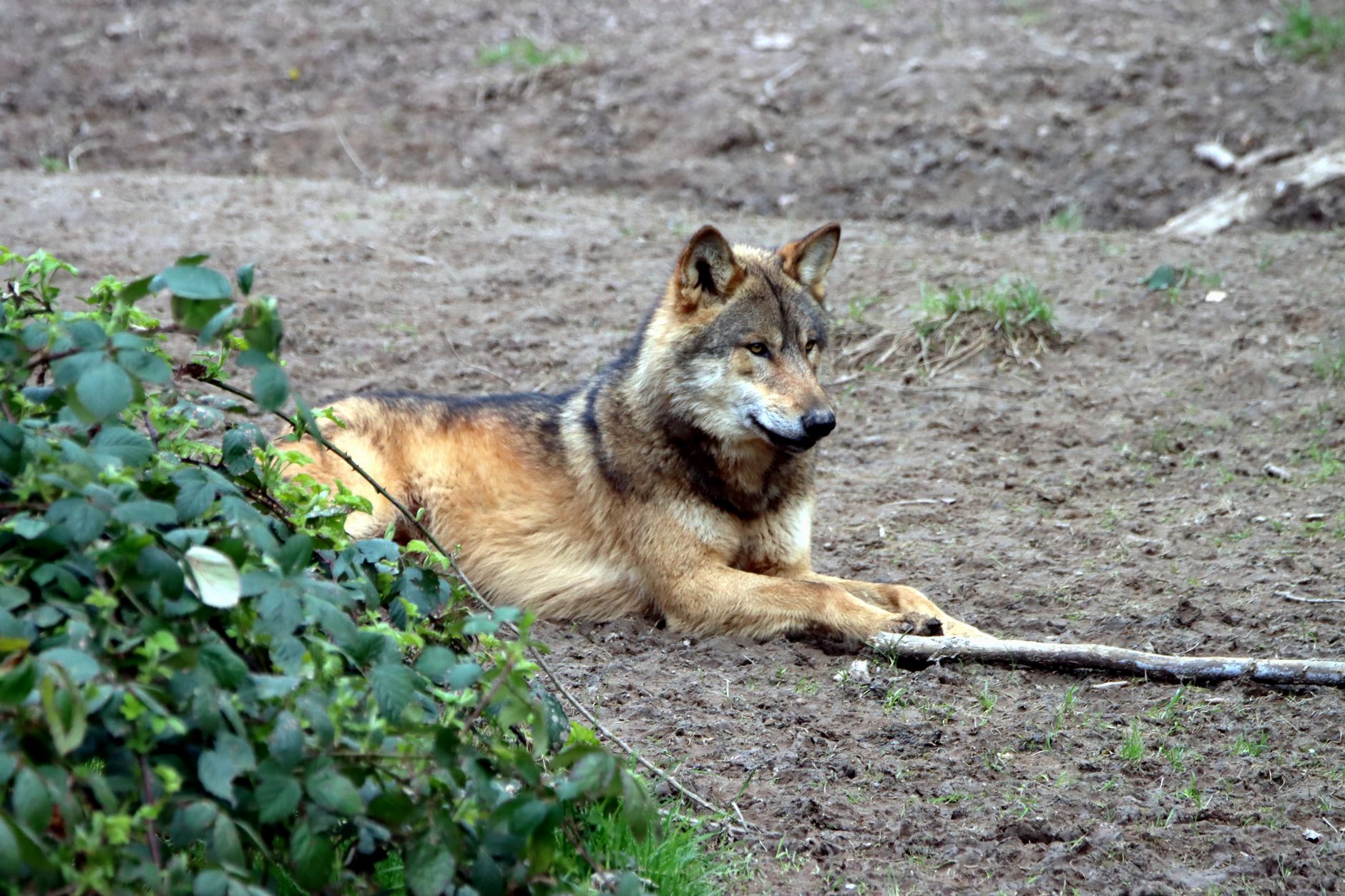
Understanding the Wolf Pack: Beyond Alpha Myths
The image of the “alpha wolf,” a dominant figure constantly asserting its authority through displays of aggression, has long shaped our understanding of wolf pack social structure. However, this perception, largely based on studies of captive wolves, paints an inaccurate and often misleading picture. Modern research, focusing on wild wolf populations, reveals a far more complex and cooperative social dynamic, revolving around family bonds and parental leadership.

What colours are fish most attracted to?
Can you put your finger in a trout's mouth?
Is methylene blue anti bacterial?
Does aquarium salt raise pH in aquarium?
The Foundation: Family Unit

At its core, the wolf pack is essentially a family. The breeding pair, typically the mother and father, are the natural leaders of the pack. Their experience and knowledge guide the younger members, ensuring the survival and well-being of the group. This differs significantly from the outdated view of dominance established through constant fighting and aggressive posturing.
Parental Leadership, Not Domination
The breeding pair’s role is primarily that of parental leaders. They are responsible for making decisions regarding hunting, territory defense, and overall pack welfare. Their position is earned through experience and their capacity to provide for the pack, not through brute force.
Shifting Dynamics: The Influence of Age
Within the wolf pack, age and experience often dictate social roles. Older wolves, beyond the breeding pair, may hold positions of influence based on their knowledge and hunting prowess. Younger wolves, still learning and developing, naturally occupy lower positions in the social structure. This dynamic isn’t necessarily a rigid hierarchy but rather a fluid system based on respect and functional roles.
Cooperation and Collaboration: The Key to Survival
Wolves are highly social animals, and their survival depends on cooperation. Hunting large prey, defending territory, and raising pups all require a coordinated effort. While social interactions may involve displays of dominance or submission, these are often subtle communication signals rather than outright aggression. The focus is on maintaining pack cohesion and ensuring the group’s success.
Challenging the Alpha Myth: Captivity vs. Wild
The “alpha wolf” concept originated from studies of captive wolf packs, where unrelated individuals were forced to live together in artificial environments. These circumstances often led to increased aggression and the formation of a linear dominance hierarchy. However, the social dynamics observed in captivity do not accurately reflect the behavior of wolves in their natural habitats. Wild wolf packs are family units with established bonds and cooperative relationships.
Common Misconceptions: Debunking the Myths
- Myth: Alpha wolves rule through aggression.
- Reality: The breeding pair leads through experience and parental guidance.
- Myth: The wolf pack is a constant power struggle.
- Reality: The pack operates as a family unit with cooperation and shared goals.
- Myth: Wolves are always fighting for dominance.
- Reality: Communication is more often subtle and based on respect.
The Benefits of Pack Life: Enhanced Survival
Living in a pack offers numerous advantages for wolves, including:
- Increased Hunting Success: Wolves can effectively hunt large prey that would be impossible for a single wolf to take down.
- Improved Territory Defense: The pack can defend its territory more effectively against other wolves and predators.
- Enhanced Pup Rearing: All members of the pack contribute to raising and protecting the pups.
- Increased Social Learning: Younger wolves learn essential survival skills from experienced pack members.
What is the wolf hierarchy? A Summary
So, what is the wolf hierarchy? It’s not a rigid, aggressive power structure, but rather a flexible social organization based on family bonds and parental leadership, where cooperation and shared responsibility are crucial for survival.
Communication in the Pack
Wolves communicate in a variety of ways, including:
- Vocalizations: Howls, growls, barks, and whimpers.
- Body Language: Posture, facial expressions, and tail position.
- Scent Marking: Using urine and feces to mark territory and communicate with other packs.
- Physical Contact: Nuzzling, grooming, and play.
The Future of Wolf Research: Continual Discovery
Our understanding of wolf social dynamics is constantly evolving. Ongoing research, utilizing advanced tracking and observation techniques, continues to shed light on the complex lives of these fascinating animals. By studying wild wolf populations in their natural habitats, we can gain a more accurate and nuanced appreciation for their intelligence, social behavior, and ecological importance.
Frequently Asked Questions (FAQs)
What is the primary function of the breeding pair in a wolf pack?
The breeding pair, typically the mother and father, are primarily responsible for the overall welfare and survival of the pack. They lead the hunts, defend the territory, and make decisions about raising the pups. Their experience and knowledge are crucial for the pack’s success.
How does the “alpha” concept relate to wolf packs in the wild?
The “alpha” concept, as traditionally understood, is a misrepresentation of wolf pack dynamics in the wild. In natural environments, the breeding pair’s leadership stems from their parental role and experience, not constant aggression.
What is the difference between dominance and leadership in a wolf pack?
Dominance implies control through force or intimidation. Leadership, on the other hand, is earned through experience, competence, and the ability to guide and provide for the pack. Wild wolf packs primarily exhibit leadership, not simple dominance.
Do wolves ever fight for dominance within the pack?
While wolves may engage in displays of dominance and submission, these are typically communication signals rather than full-blown fights. Serious conflicts are rare, as they disrupt pack cohesion and put the group at risk.
How do wolf pups learn to hunt and survive in the wild?
Wolf pups learn by observing and imitating their parents and other experienced pack members. They participate in mock hunts, practice tracking, and gradually develop the skills needed to survive in the wild. The entire pack contributes to their education.
What role do older, non-breeding wolves play in the pack?
Older, non-breeding wolves can play a significant role in the pack by providing experience and assistance with hunting, pup-rearing, and territory defense. Their knowledge and skills are valuable assets to the group.
How does pack size affect the success of a wolf pack?
Pack size can influence hunting success, especially when targeting large prey. However, larger packs also require more resources and can experience increased competition for food. The optimal pack size depends on the availability of prey and the environmental conditions.
What are the main threats to wolf populations today?
The main threats to wolf populations include habitat loss, human persecution, and conflict with livestock. Conservation efforts are crucial for protecting wolves and ensuring their long-term survival.
How do wolves communicate with each other over long distances?
Wolves primarily communicate over long distances using howls. Howls serve to establish territory boundaries, coordinate hunts, and locate missing pack members. Each wolf’s howl is unique, allowing them to be identified individually.
What is the role of scent marking in wolf pack communication?
Wolves use scent marking to communicate information about their territory, social status, and reproductive condition. They deposit urine and feces along territory boundaries and at key locations, providing olfactory signals to other wolves.
How do wolves contribute to the health and stability of ecosystems?
Wolves are apex predators that play a crucial role in regulating prey populations and maintaining the health of ecosystems. By controlling the numbers of deer, elk, and other herbivores, wolves prevent overgrazing and promote biodiversity.
How can people coexist peacefully with wolves?
Peaceful coexistence with wolves requires understanding their behavior and implementing strategies to minimize conflict. These strategies include using fencing to protect livestock, educating people about wolf ecology, and supporting conservation efforts that promote wolf recovery.