

What is the Stormiest Ocean? Unveiling the Fury of the Southern Ocean
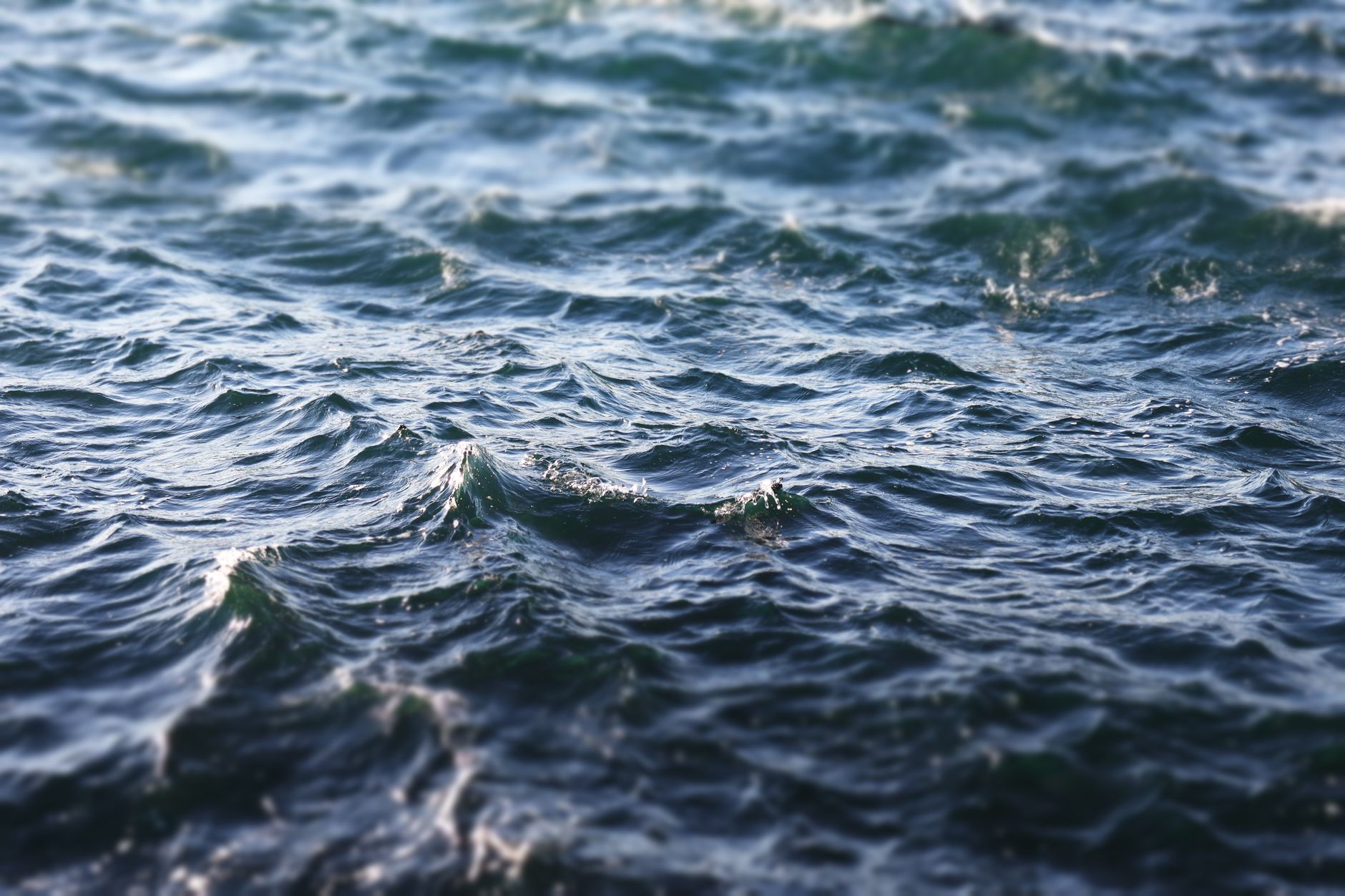
The stormiest ocean on Earth is undoubtedly the Southern Ocean, encircling Antarctica, known for its relentless winds, colossal waves, and frequent intense storms. This unique combination of factors creates the roughest seas and most treacherous weather conditions found anywhere on the globe.
Introduction: A Deep Dive into Ocean Ferocity
Oceans, vast and powerful, are pivotal in shaping our planet’s climate and weather patterns. While all oceans experience storms, the Southern Ocean stands apart, earning its notorious reputation as the stormiest. But what makes it so stormy, and what implications does this have for the global environment and navigation? This article delves into the reasons behind the Southern Ocean’s extreme weather, exploring the unique geographical, atmospheric, and oceanic conditions that contribute to its ferocious nature.

What colours are fish most attracted to?
Can you put your finger in a trout's mouth?
Is methylene blue anti bacterial?
Does aquarium salt raise pH in aquarium?
The Unique Geography of the Southern Ocean

The Southern Ocean, also known as the Antarctic Ocean, is unique due to its circumpolar nature. Unlike other oceans bounded by continents on all sides, the Southern Ocean completely encircles Antarctica. This uninterrupted expanse of water allows winds to accelerate unimpeded around the continent, creating exceptionally strong and consistent winds known as the Roaring Forties, Furious Fifties, and Screaming Sixties.
The Impact of Wind and Wave Dynamics
The relentless westerly winds, fueled by temperature differences between Antarctica and the warmer latitudes to the north, are the primary driver of the Southern Ocean’s stormy conditions. These winds, blowing unimpeded over vast distances, generate massive waves.
- Long fetch (distance over which the wind blows)
- Consistent wind direction
- Lack of land barriers
This combination results in the largest average wave heights in the world. These waves can reach astounding sizes, posing a significant danger to shipping and impacting coastal erosion in distant lands.
The Antarctic Circumpolar Current (ACC)
The Antarctic Circumpolar Current (ACC) is another key factor. This current, driven by the strong westerly winds, is the largest ocean current in the world, transporting a massive volume of water eastward around Antarctica. The ACC’s speed and volume are enhanced by the lack of landmasses obstructing its flow.
- Strong westerly winds
- Unobstructed flow around Antarctica
- Massive volume of water transported
The ACC’s turbulent flow contributes to the formation of eddies and other chaotic oceanographic features, further amplifying the intensity of storms and the unpredictability of sea conditions.
Global Climate Implications
The Southern Ocean plays a crucial role in regulating global climate. Its cold waters absorb significant amounts of heat and carbon dioxide from the atmosphere, helping to mitigate global warming. The intense mixing of water layers within the Southern Ocean also contributes to the distribution of nutrients, supporting vast marine ecosystems. Understanding what makes the stormiest ocean so unique is essential for comprehending global climate dynamics. The storms themselves play a role in this mixing, further highlighting the importance of the Southern Ocean in the global climate system.
Navigating the Stormiest Ocean: Challenges and Risks
Navigating the Southern Ocean is notoriously challenging and dangerous. The combination of:
- Extreme winds
- Huge waves
- Icebergs
- Freezing temperatures
…makes it one of the most hazardous shipping routes in the world. Ships must be specially designed and equipped to withstand these extreme conditions, and experienced crews are essential. The what is the stormiest ocean question becomes critically important for mariners planning voyages in these waters.
Frequently Asked Questions (FAQs)
Is the Southern Ocean always stormy?
While the Southern Ocean is known for its stormy conditions, the intensity and frequency of storms can vary seasonally. Winter months (June-August) typically see the most intense and frequent storms due to the greater temperature contrast between Antarctica and warmer latitudes. However, even during the summer months, the Southern Ocean can experience significant storms.
What are the Roaring Forties, Furious Fifties, and Screaming Sixties?
These terms refer to the zones of strong westerly winds that dominate the Southern Ocean at different latitudes. The Roaring Forties are located between 40 and 50 degrees south latitude, the Furious Fifties between 50 and 60 degrees south, and the Screaming Sixties beyond 60 degrees south. The further south you go, the stronger and more persistent these winds become.
How big can waves get in the Southern Ocean?
Waves in the Southern Ocean can reach astonishing heights. Significant wave heights (the average height of the highest one-third of waves) can regularly exceed 10 meters (33 feet). Individual waves can be much larger, with rogue waves occasionally exceeding 30 meters (100 feet).
Are there any benefits to the Southern Ocean being so stormy?
Despite the challenges, the stormy conditions of the Southern Ocean contribute to its ecological importance. The intense mixing of water layers brings nutrients to the surface, supporting vast phytoplankton blooms that form the base of the food chain. This, in turn, supports a diverse range of marine life, including whales, seals, and seabirds.
Does climate change affect the storminess of the Southern Ocean?
The impact of climate change on the storminess of the Southern Ocean is a subject of ongoing research. Some studies suggest that changes in atmospheric circulation patterns could lead to an intensification of westerly winds and an increase in storm frequency and intensity. Other studies suggest that changes in sea ice extent could also influence storm activity. More research is needed to fully understand these complex interactions.
What kind of ships can withstand the Southern Ocean?
Ships designed for navigating the Southern Ocean need to be exceptionally robust and well-equipped. They typically have reinforced hulls to withstand the impact of ice and waves, powerful engines for maneuvering in strong winds and currents, and sophisticated navigation equipment. Icebreakers are often used to clear paths through sea ice.
Why is the Southern Ocean so important to the global climate?
The Southern Ocean plays a crucial role in regulating the global climate by absorbing heat and carbon dioxide from the atmosphere. It also influences ocean currents and distributes nutrients around the globe. The ACC, in particular, is vital for connecting the world’s oceans and distributing heat and nutrients.
Are there any research stations in the Southern Ocean?
Yes, there are numerous research stations located on the Antarctic continent and surrounding islands, many of which conduct research on the Southern Ocean. These stations are operated by various countries and contribute to our understanding of the region’s climate, oceanography, and ecology.
What are the main dangers of navigating the Southern Ocean?
The main dangers of navigating the Southern Ocean include:
- Extreme winds and waves
- Icebergs and sea ice
- Freezing temperatures
- Remote location and limited rescue resources
How is the Southern Ocean different from the Arctic Ocean?
While both are polar oceans, the Southern Ocean and Arctic Ocean differ significantly. The Southern Ocean surrounds a continent (Antarctica) and is characterized by a circumpolar current, while the Arctic Ocean is a semi-enclosed basin surrounded by land. The Southern Ocean is also generally much stormier and colder than the Arctic Ocean.
Can you swim in the Southern Ocean?
While some adventurous individuals have attempted to swim in the Southern Ocean, it is generally not advisable due to the extremely cold water temperatures. Hypothermia can set in very quickly, and the risk of encountering dangerous marine life is also present.
What marine life lives in the Southern Ocean?
The Southern Ocean is home to a diverse range of marine life, including:
- Whales (e.g., blue whales, humpback whales)
- Seals (e.g., Weddell seals, crabeater seals)
- Penguins (e.g., emperor penguins, Adélie penguins)
- Fish (e.g., Antarctic toothfish)
- Krill (a crucial food source for many species)