
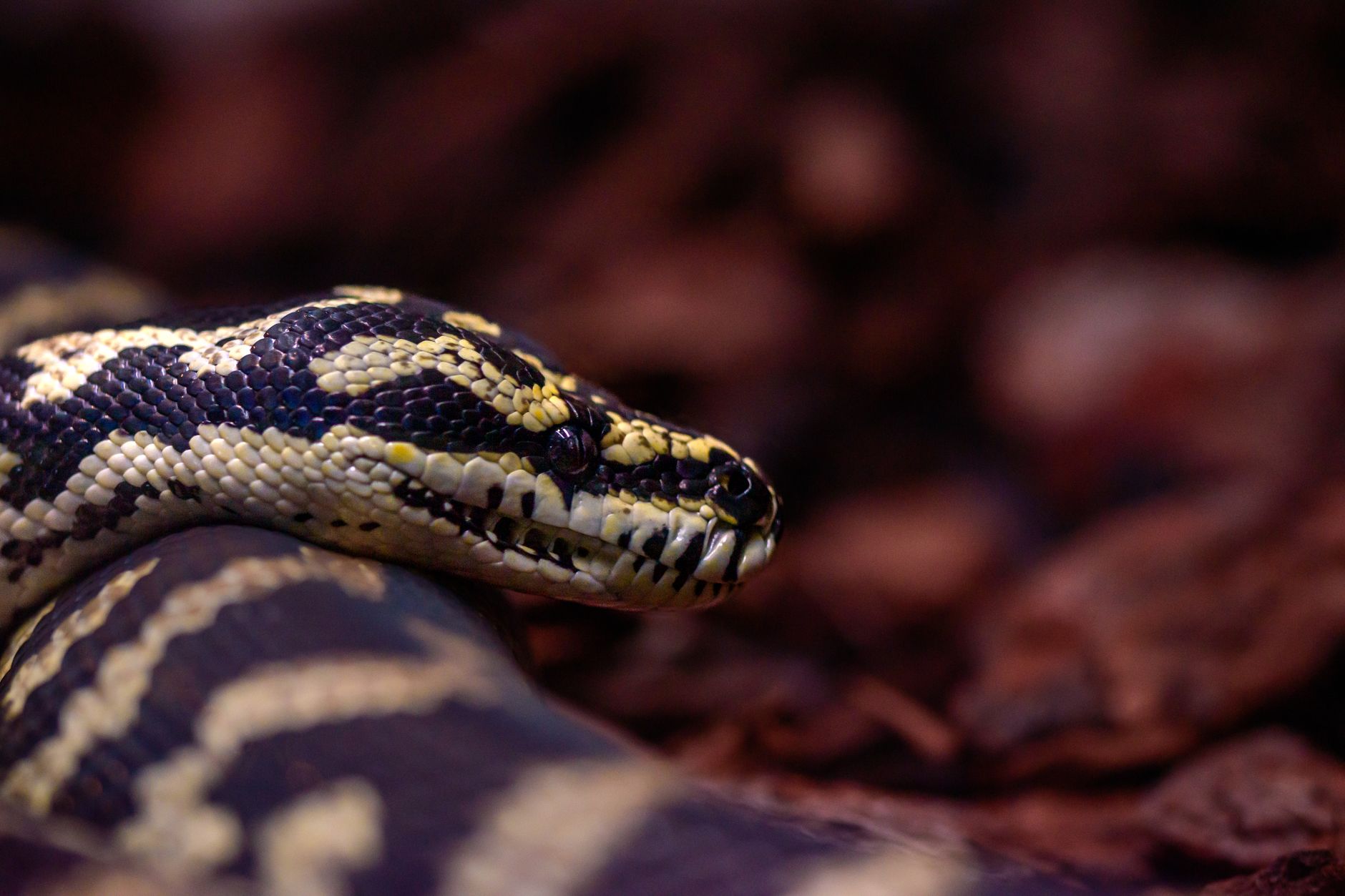
What is the Record Size Python Caught in Florida? The Reign of the Burmese Python
The largest documented Burmese python captured in Florida measured over 19 feet long and weighed 215 pounds. This record highlights the significant threat these invasive snakes pose to the state’s ecosystem.

Introduction: The Python Invasion
The Burmese python (Python bivittatus) is a non-native species that has established a strong foothold in Florida, particularly within the Everglades ecosystem. Originally introduced through accidental releases and the pet trade, these snakes have thrived in the warm, humid climate and have become a major ecological problem. Their presence has led to a significant decline in native wildlife populations, impacting the delicate balance of the Everglades. Understanding the size and impact of these pythons is crucial for developing effective control strategies. What is the record size python caught in Florida, and why does it matter? This article will delve into the fascinating and alarming reality of the Burmese python invasion.

What colours are fish most attracted to?
Can you put your finger in a trout's mouth?
Is methylene blue anti bacterial?
Does aquarium salt raise pH in aquarium?
The Scale of the Problem: A Threat to the Everglades

The Burmese python’s impact on the Everglades ecosystem is profound. As apex predators, they consume a wide range of native animals, including:
- Mammals (rabbits, deer, raccoons, opossums)
- Birds (wading birds, songbirds)
- Reptiles (alligators, snakes)
This broad diet leads to a decline in biodiversity and disrupts the food web. The unchecked growth of the python population threatens the long-term health of the Everglades.
Identifying Burmese Pythons
Proper identification is critical for effective removal efforts. Key characteristics of Burmese pythons include:
- Color: Brown with dark blotches and patterns.
- Size: Can grow to be very large (over 19 feet).
- Head: Distinctive arrow-shaped head.
- Scales: Smooth scales that give them a glossy appearance.
Distinguishing Burmese pythons from native snakes is essential to avoid harming beneficial species.
The Python Challenge: Hunting and Removal
The Florida Fish and Wildlife Conservation Commission (FWC) and other organizations have implemented various programs to control the python population. These include:
- Python Removal Competitions: “Python Bowl” and other events encourage trained individuals to capture and remove pythons.
- Contracted Removal Programs: Hiring professional python hunters to actively search and remove snakes.
- Public Awareness Campaigns: Educating the public about the dangers of Burmese pythons and how to report sightings.
These efforts aim to reduce the python population and mitigate their impact on the environment.
Factors Influencing Python Size
Several factors contribute to the impressive size that Burmese pythons can achieve in Florida:
- Abundant Food Supply: The rich biodiversity of the Everglades provides a plentiful food source.
- Warm Climate: The warm, humid climate allows pythons to remain active year-round, facilitating growth.
- Lack of Natural Predators: Pythons have few natural predators in the Everglades, allowing them to thrive.
- Long Lifespan: Burmese pythons can live for 20-25 years in the wild, providing ample time to grow.
These factors combine to create an environment where pythons can reach exceptional sizes.
What is the Record Size Python Caught in Florida? The Story Behind It
The record-breaking python, measuring over 19 feet and weighing 215 pounds, was captured in southwest Florida. This enormous snake underscores the potential size these invasive reptiles can attain in the state’s favorable environment. It also reinforces the importance of ongoing monitoring and removal efforts to control their population. It highlights the serious threat to the state’s natural habitat as well.
Impacts of Large Pythons on Native Wildlife
The larger the python, the greater its capacity for consuming larger prey. Large pythons can prey on animals such as:
- Adult deer
- Bobcats
- Large birds
This places significant pressure on the populations of these animals and can have cascading effects throughout the ecosystem. The presence of these apex predators also alters the behavior of other animals, such as increased vigilance and avoidance.
The Future of Python Control in Florida
Controlling the python population in Florida remains a significant challenge. Future strategies may include:
- Advanced Detection Technologies: Using drones, thermal imaging, and other technologies to locate pythons more effectively.
- Biological Control Methods: Exploring the potential for introducing natural predators or diseases that target pythons.
- Increased Public Engagement: Encouraging more citizen scientists and volunteers to participate in python removal efforts.
The long-term success of python control efforts will depend on a multifaceted approach that combines innovation, collaboration, and sustained funding.
The Importance of Research and Monitoring
Ongoing research and monitoring are essential for understanding the python population dynamics and evaluating the effectiveness of control strategies. Key research areas include:
- Tracking python movements and habitat use.
- Assessing the impact of pythons on native wildlife populations.
- Evaluating the effectiveness of different removal methods.
- Developing new and innovative control techniques.
This research provides valuable information for guiding management decisions and prioritizing conservation efforts.
Frequently Asked Questions (FAQs)
What makes Burmese pythons such a problem in Florida?
Burmese pythons are an invasive species with no natural predators in Florida, allowing their population to grow unchecked. They consume a wide variety of native wildlife, leading to a significant decline in biodiversity within the Everglades ecosystem.
How do Burmese pythons impact native animal populations?
Pythons are opportunistic predators and consume a wide range of animals, including mammals, birds, and reptiles. This predation directly reduces populations of native species and disrupts the food web.
What is the largest prey a Burmese python has been known to eat in Florida?
Burmese pythons in Florida have been documented consuming large prey, including adult deer and even alligators, demonstrating their capacity to consume sizable animals.
How are officials trying to control the python population in Florida?
Florida officials employ various control measures, including python removal competitions, contracted removal programs, public awareness campaigns, and research into innovative control methods. These efforts aim to reduce the python population and minimize their impact on native wildlife.
Are there any natural predators of Burmese pythons in Florida?
While alligators have been known to occasionally prey on smaller pythons, Burmese pythons lack significant natural predators in Florida, contributing to their uncontrolled population growth.
Can anyone hunt Burmese pythons in Florida?
Generally, yes. With the appropriate licenses and permits, and adhering to specific regulations, individuals can participate in python removal efforts. Programs such as the Florida Python Challenge actively encourage public participation.
What should I do if I see a Burmese python in Florida?
If you encounter a Burmese python in Florida, do not approach it. Report the sighting to the Florida Fish and Wildlife Conservation Commission (FWC) immediately.
Where are Burmese pythons most commonly found in Florida?
Burmese pythons are most commonly found in South Florida, particularly in the Everglades ecosystem, where the warm, humid climate and abundant food supply provide ideal habitat.
How did Burmese pythons get to Florida?
Burmese pythons were introduced to Florida primarily through accidental releases from the pet trade and intentional releases by pet owners.
Are Burmese pythons venomous?
No, Burmese pythons are non-venomous snakes. They kill their prey by constriction.
What is the role of research in controlling the python population?
Research is crucial for understanding python behavior, habitat use, and impacts on native wildlife. This information is used to develop more effective control strategies and evaluate the success of ongoing efforts.
Is there hope for controlling the Burmese python population in Florida?
While eradicating Burmese pythons entirely may be unrealistic, sustained and innovative control efforts, combined with ongoing research and public awareness, offer hope for mitigating their impact on the Everglades ecosystem and preserving native biodiversity.