
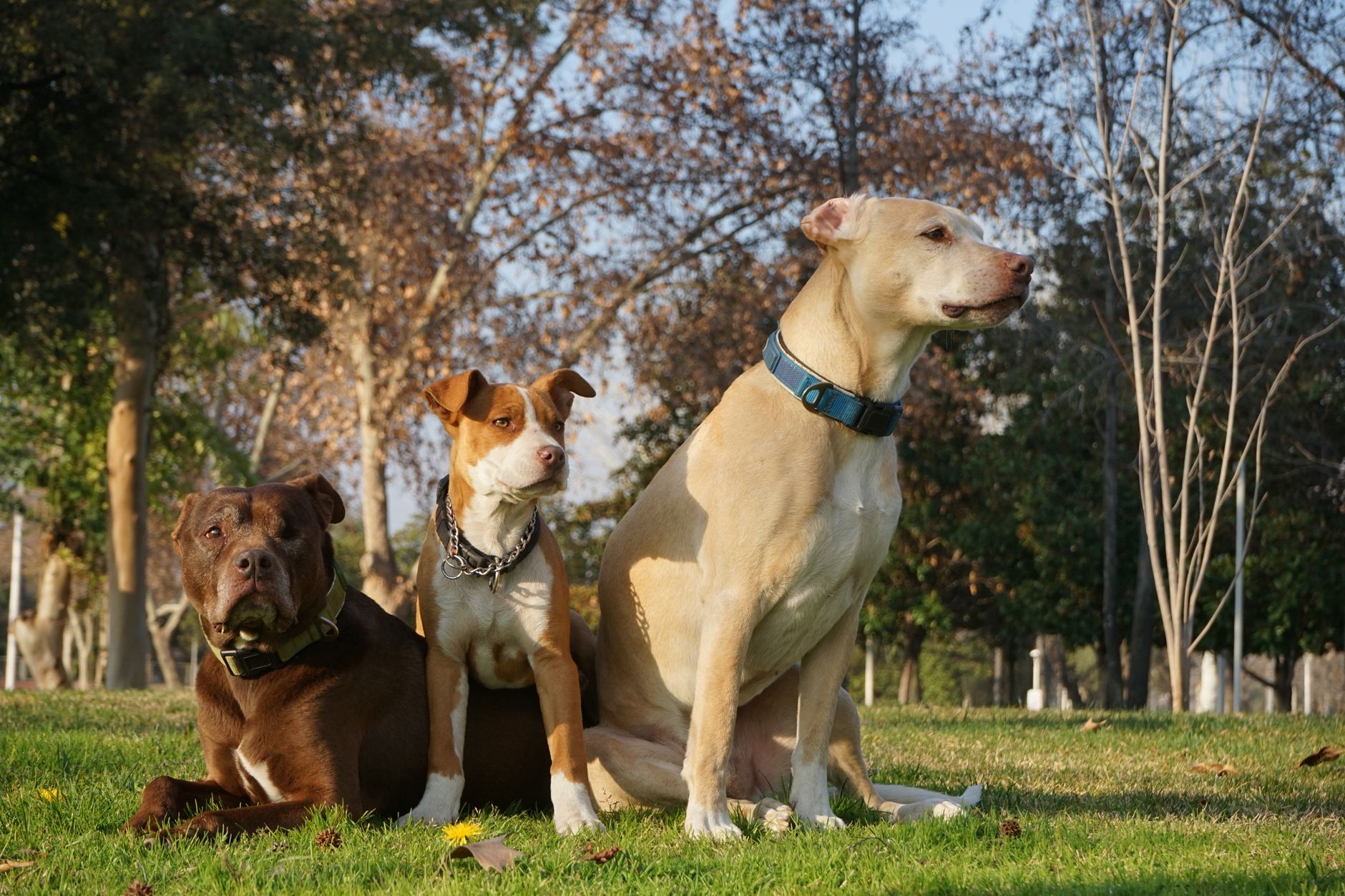
What is the Rarest Pitbull Color?
The rarest pitbull color is widely considered to be merle , although true confirmation requires genetic testing. This striking pattern, often associated with unique health concerns , is not naturally found in the American Pit Bull Terrier breed.

Pitbulls, known for their muscular build and unwavering loyalty, come in a fascinating array of colors and patterns. While some hues are quite common, others are exceptionally rare, sparking curiosity and debate among dog enthusiasts. Understanding the genetics behind coat color and the influence of specific breeds within the broader “pitbull” umbrella is crucial for determining rarity. Let’s delve into the fascinating world of pitbull coat colors and uncover the true rarity behind the elusive merle.
What Makes a Color Rare?
Rarity in dog coat colors is typically determined by several factors:
- Genetic Prevalence: The underlying genes responsible for specific colors and patterns might be recessive, meaning both parents must carry the gene for the trait to be expressed in their offspring. Recessive genes naturally occur less frequently.
- Breed Standards: Some colors might be specifically excluded or discouraged in breed standards, leading breeders to avoid them, thus reducing their prevalence.
- Health Implications: Certain colors or patterns might be linked to health issues, leading responsible breeders to avoid breeding dogs with those traits.

What colours are fish most attracted to?
Can you put your finger in a trout's mouth?
Is methylene blue anti bacterial?
Does aquarium salt raise pH in aquarium?
The “Pitbull” Misconception

It’s important to remember that “pitbull” isn’t a single, recognized breed by major kennel clubs like the American Kennel Club (AKC). The term often encompasses breeds like the American Pit Bull Terrier (APBT), American Staffordshire Terrier, Staffordshire Bull Terrier, and American Bully. This ambiguity complicates the assessment of color rarity, as the prevalence of certain colors can vary across these different breeds. For instance, some colors accepted within the American Bully standard may be considered undesirable or less common in the APBT.
Common Pitbull Colors
Before diving into the rarest of the rare, let’s explore some common pitbull colors:
- Black: A solid black coat is frequently seen in pitbull-type breeds.
- White: White can range from pure white to white with colored patches.
- Brindle: This pattern features tiger-like stripes, often in varying shades of brown, black, and tan.
- Fawn: A light tan or yellowish-brown color.
- Red: Shades of red can range from a deep rust to a lighter copper hue.
- Blue: A diluted black color, giving the coat a grayish-blue appearance.
These colors are considered standard and commonly observed in pitbull-type breeds.
The Merle Controversy
The merle pattern is characterized by blotches of color over a lighter base. It’s a striking pattern popular in breeds like Australian Shepherds, Collies, and Great Danes. However, it’s not a naturally occurring pattern in the American Pit Bull Terrier.
The presence of merle in a pitbull typically indicates crossbreeding with a breed that carries the merle gene. This immediately raises concerns about the “purity” of the dog’s lineage. Further, the merle gene, when present in double doses (homozygous merle), is associated with increased risks of deafness and blindness. This is why many responsible breeders actively avoid the merle pattern.
Therefore, What is the rarest pitbull color? , many experts agree that the merle color is not only rare but also often undesirable within the APBT breed due to genetic concerns and its indication of crossbreeding.
Why the Appeal of Rare Colors?
Despite potential health concerns and breed standard considerations, rare coat colors like merle can be highly sought after. This demand can be attributed to:
- Novelty: People are often drawn to unique and visually striking appearances.
- Perceived Value: Rarity often translates to perceived value, leading some to believe that rare-colored dogs are more valuable.
- Misinformation: Some individuals may not be fully aware of the potential health risks associated with certain colors or the implications for breed purity.
It’s crucial to prioritize health and responsible breeding practices over superficial aesthetics.
| Color | Frequency | Genetic Basis | Health Considerations |
|---|---|---|---|
| Black | Common | Dominant gene variants | Generally none |
| White | Common | Can be dominant or recessive, sometimes linked to piebald genes | Potential for deafness in some cases |
| Brindle | Common | Complex interaction of genes | Generally none |
| Fawn | Common | Recessive gene variants | Generally none |
| Merle | Rare | Dominant Merle gene (not natural to the APBT) | Increased risk of deafness and blindness |
The Ethical Considerations of Breeding for Rarity
Breeding specifically for rare colors can sometimes prioritize aesthetics over the health and well-being of the dogs. Irresponsible breeders might disregard genetic defects or breed impure dogs to achieve the desired color, ultimately harming the breed as a whole.
It’s imperative to support responsible breeders who prioritize health, temperament, and breed standard over chasing fleeting trends in color.
Frequently Asked Questions (FAQs)
What is the rarest pitbull color combination?
While merle is generally considered the rarest color due to its non-native presence in the breed, specific combinations involving dilute colors along with rare markings like minimal piebald could also be considered exceptionally rare. However, without genetic testing and pedigree analysis, confirming true rarity can be challenging.
Is a red nose pitbull color rare?
While red nose is a distinctive feature, it’s not considered a rare color in pitbulls. It’s associated with a specific genetic lineage but is relatively common, especially in American Pit Bull Terriers.
Does a black pitbull’s color affect its temperament?
No, there is no scientific evidence to suggest that a pitbull’s coat color influences its temperament. Temperament is primarily determined by genetics, training, socialization, and individual personality.
Are blue pitbulls rare?
Blue pitbulls are less common than black or fawn , but they aren’t considered extremely rare. The blue color is a dilute form of black, resulting from a recessive gene.
What genetic tests can confirm a pitbull’s color?
Genetic testing can identify the specific alleles (gene variants) that determine coat color. Tests like those offered by Embark or Wisdom Panel can reveal the presence of genes for dilution, merle (if present), and other color-related traits.
Is a brindle pitbull color rare?
Brindle is a relatively common pattern in pitbulls, especially in the American Pit Bull Terrier and American Bully breeds. The pattern itself has a complex genetic basis.
What are the potential health problems associated with rare pitbull colors?
As mentioned earlier, the merle gene, when homozygous, is linked to deafness and blindness. Breeding for specific colors that are not natural to the breed can sometimes inadvertently introduce other undesirable traits or increase the risk of genetic diseases.
How does color influence the price of a pitbull puppy?
Unfortunately, unscrupulous breeders often exploit the perceived rarity of certain colors to inflate prices. While a rare color might command a slightly higher price, responsible breeders prioritize health and temperament over color when determining the price of their puppies.
What is a “ghost” merle pitbull?
A “ghost” merle, also known as a cryptic merle, has very faint merle markings that are difficult to see. These dogs still carry the merle gene and can pass it on to their offspring, potentially leading to health issues in homozygous merle puppies.
How do I find a reputable breeder who prioritizes health over color?
Look for breeders who conduct health testing on their breeding dogs (e.g., hip dysplasia, elbow dysplasia, cardiac evaluations), are knowledgeable about genetics, prioritize temperament and socialization, and are transparent about their breeding practices. Visit their facilities, meet the parent dogs, and ask plenty of questions.
Is it ethical to breed pitbulls for rare colors?
The ethics of breeding for rare colors is debatable. It’s crucial to prioritize the health and well-being of the dogs above all else. If breeding for a rare color compromises the breed’s integrity or increases the risk of health problems, it’s generally considered unethical.
What should I consider when adopting a pitbull with a rare color?
Regardless of color, focus on the dog’s temperament, health history, and needs. Ensure that the dog is a good fit for your lifestyle and that you can provide proper training, socialization, and care. Be prepared to address any potential health issues that might be associated with the dog’s color.