
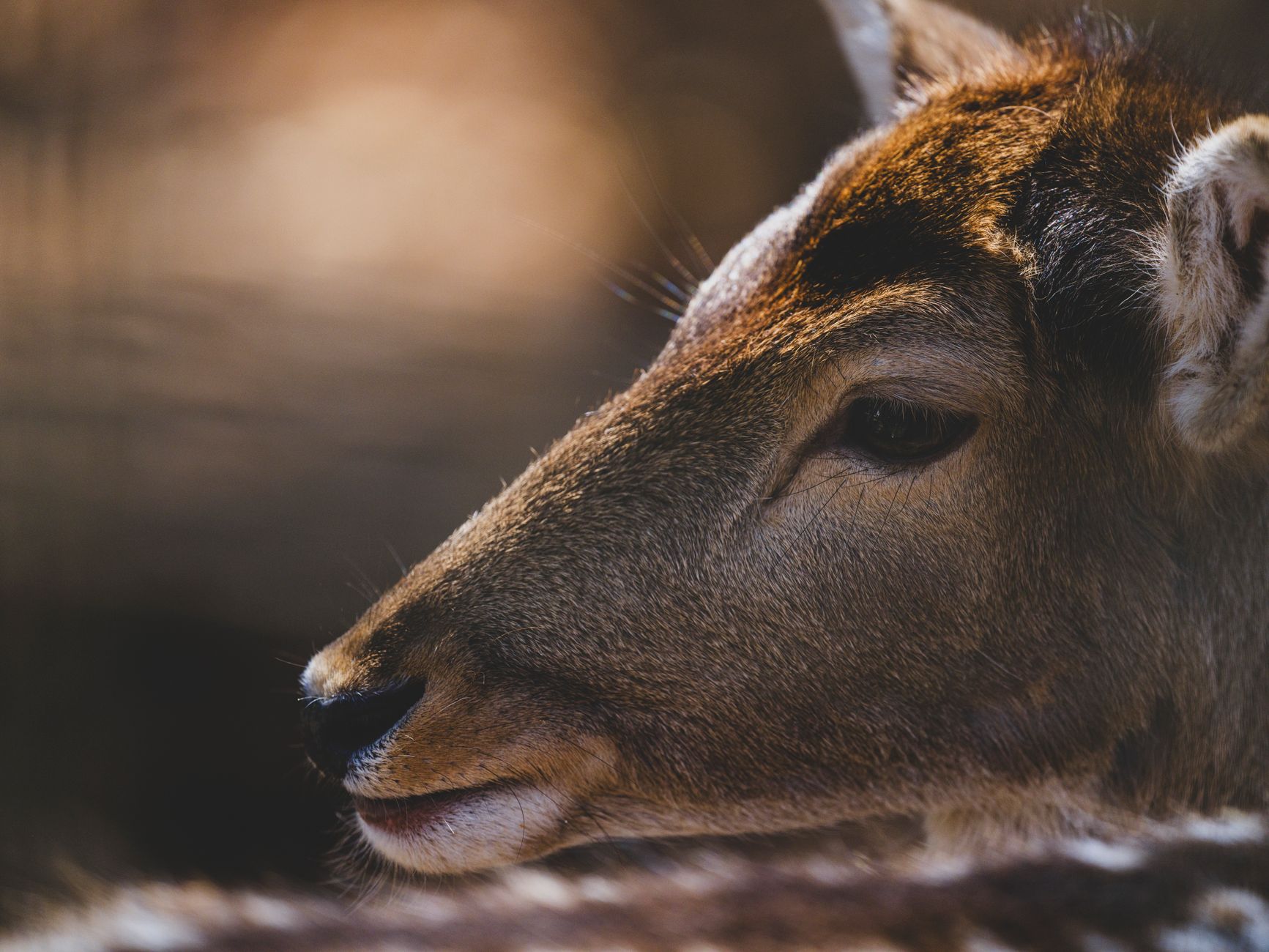
What is the Pregnancy Term for Deer?
The typical gestation period for deer, across various species, is roughly 200 days, or about 6.5 months. This timing allows for fawns to be born during the favorable spring and early summer months.

Understanding Deer Gestation: A Comprehensive Guide
The intricate process of deer gestation is vital for the continuation of these magnificent creatures. Understanding the timing, the influencing factors, and the signs of pregnancy is crucial for wildlife management, conservation efforts, and simply appreciating the natural world. This article explores the nuances of deer pregnancy, providing a detailed look at everything from conception to birth.
What colours are fish most attracted to?
Can you put your finger in a trout's mouth?
Is methylene blue anti bacterial?
Does aquarium salt raise pH in aquarium?
The Deer Breeding Season (Rut)

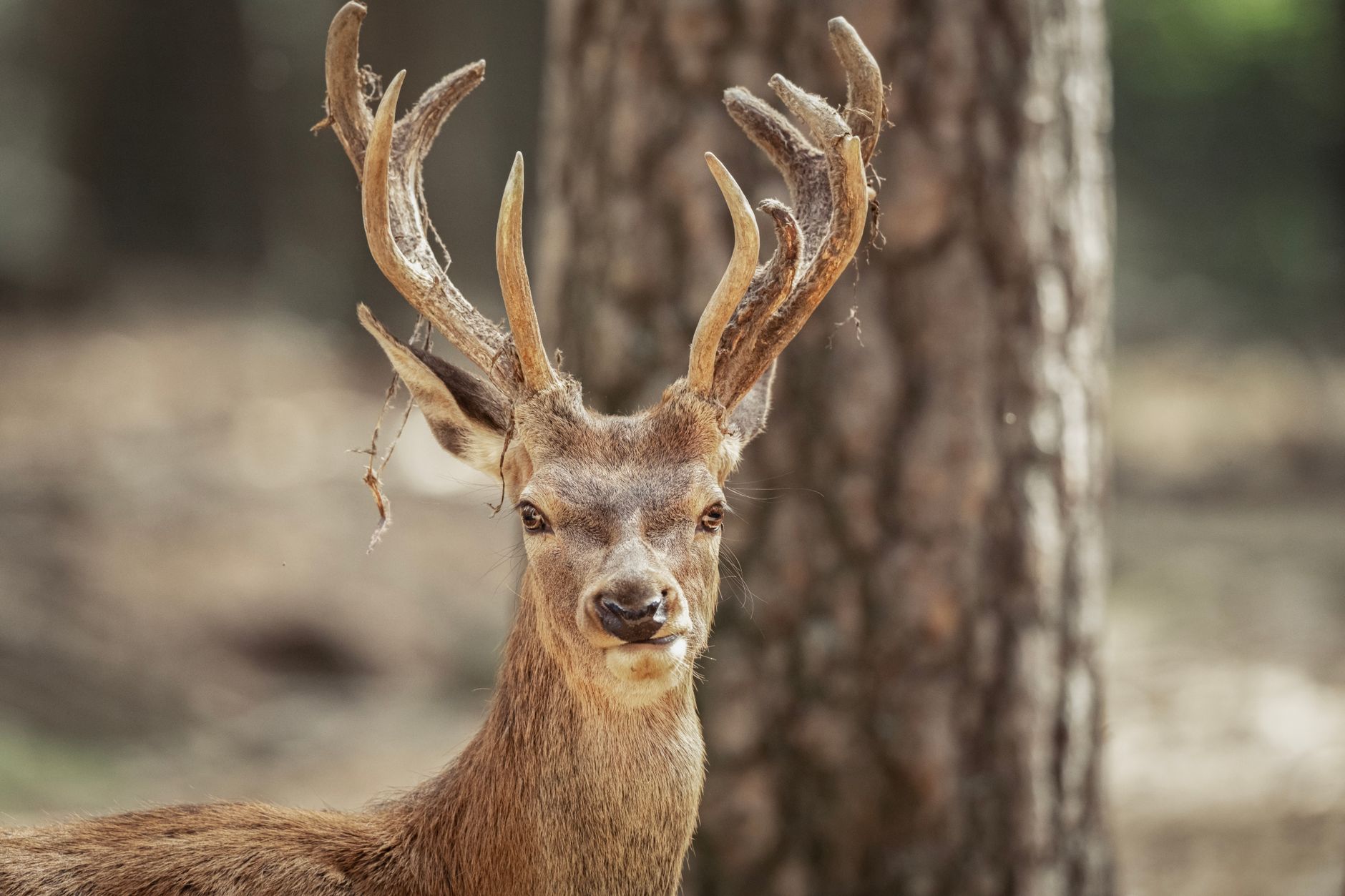
The journey begins with the breeding season, commonly referred to as the rut. This period of heightened activity, typically occurring in the fall or early winter (October-December in many temperate regions), sees male deer, or bucks, compete for the attention of female deer, known as does. The intensity of the rut is influenced by factors like:
- Latitude: Deer in northern regions tend to have shorter, more concentrated breeding seasons.
- Environmental Conditions: Weather patterns and food availability can impact the overall duration and intensity.
- Population Density: Higher deer populations can lead to more competition and a more extended rutting period.
Successful mating during the rut results in fertilization, marking the beginning of the gestation period.
The Gestation Period: A Timeline
The pregnancy term for deer generally lasts approximately 200 days. However, slight variations can occur depending on the specific species of deer and environmental factors. Here’s a general timeline:
- Conception (Fall/Early Winter): The doe is successfully impregnated.
- Embryonic Development (Winter): Initial development occurs, though often slowed due to the harsh winter conditions.
- Fetal Growth (Spring): The fetus experiences rapid growth as temperatures warm and food becomes readily available.
- Parturition (Late Spring/Early Summer): The doe gives birth to one or more fawns.
Factors Influencing Gestation Length
While the average gestation period is around 200 days, several factors can influence the exact duration. These include:
- Species: Different deer species, such as white-tailed deer, mule deer, and red deer, may have slightly different gestation lengths.
- Doe’s Age and Health: Younger or less healthy does may have slightly longer or shorter gestation periods.
- Environmental Conditions: Food availability and weather patterns can impact the doe’s health and, consequently, the gestation period.
- Number of Fawns: Does carrying multiple fawns may experience slightly shorter gestation periods.
Recognizing Signs of Deer Pregnancy
Identifying a pregnant doe can be challenging, especially in the early stages. However, some telltale signs include:
- Increased Body Weight: As the pregnancy progresses, the doe will gain weight, particularly in the abdominal area.
- Distended Abdomen: A visibly swollen abdomen is a clear sign of pregnancy, although it may not be apparent until late in the gestation period.
- Swollen Udder: The doe’s udder will become noticeably swollen as she prepares to produce milk for the fawn.
- Behavioral Changes: Pregnant does may become more solitary and less active as they approach their due date. They will also spend more time seeking out secluded and safe birthing locations.
Post-Partum Care and Fawn Development
After giving birth, the doe dedicates herself to caring for her fawn(s). She provides nourishment, protection, and essential life lessons, teaching them how to forage, avoid predators, and navigate their environment. Fawn development is rapid in the first few weeks, and they quickly become mobile and independent.
| Stage | Description | Timeline |
|---|---|---|
| Birth | Fawns are typically born spotted for camouflage and are relatively weak. | Late Spring/Summer |
| Nursing | The doe nurses the fawn(s) several times a day, providing essential nutrients. | First few weeks |
| Weaning | Fawns gradually begin to graze on vegetation, supplementing their diet with milk. | Several months |
| Independence | Fawns become increasingly independent, eventually leaving their mother’s care. | Fall/Winter |
Conservation Implications
Understanding the pregnancy term for deer and the various factors that influence it is crucial for effective wildlife management and conservation efforts. Knowing when fawns are likely to be born allows managers to implement strategies to minimize disturbance during this vulnerable period and ensure the survival of future generations. Proper habitat management and conservation of resources are also key to supporting healthy deer populations.
Frequently Asked Questions (FAQs)
What is the typical gestation period for white-tailed deer?
The average gestation period for white-tailed deer is around 200 days. However, it can range from 190 to 210 days depending on factors such as the doe’s age and health, as well as environmental conditions.
How many fawns does a deer typically have?
The number of fawns a deer has varies, but it’s common for does to have one to three fawns per pregnancy. Older, more experienced does are more likely to have twins or triplets.
Can environmental factors affect the pregnancy term for deer?
Yes, environmental factors such as food availability and weather patterns can influence the pregnancy term for deer. Harsh winters or a lack of adequate nutrition can potentially delay or shorten the gestation period.
How can you tell if a deer is pregnant?
Early signs can be difficult to detect, but as the pregnancy progresses, you might observe increased body weight, a distended abdomen, and a swollen udder. Behavioral changes like increased seclusion can also be indicators.
When do deer typically give birth?
Deer typically give birth in the late spring or early summer months. This timing aligns with the availability of abundant food sources and favorable weather conditions, increasing the fawns’ chances of survival.
What is the average weight of a newborn fawn?
The average weight of a newborn fawn varies, but it generally ranges from 4 to 8 pounds. The size can be influenced by factors like species, the number of fawns in the litter, and the doe’s health.
How long does a fawn stay with its mother?
Fawns typically stay with their mothers for several months, often until the doe is ready to breed again. During this time, the doe teaches the fawn essential survival skills.
What do fawns eat?
Newborn fawns rely exclusively on their mother’s milk for the first few weeks of their lives. As they grow, they gradually start to graze on vegetation and supplement their diet with milk until they are weaned.
Are fawns born with spots?
Yes, fawns are born with white spots that serve as camouflage, helping them to blend in with their surroundings and avoid predators. These spots gradually fade as the fawn matures.
What are the main threats to newborn fawns?
The main threats to newborn fawns include predation by animals such as coyotes, wolves, and bears, as well as exposure to harsh weather conditions and disease. Human activities, such as habitat destruction, can also pose a significant threat.
How can humans help protect pregnant does and newborn fawns?
Humans can help protect pregnant does and newborn fawns by avoiding disturbance during the birthing season, conserving natural habitats, and supporting responsible wildlife management practices. Also, safe driving during dawn and dusk hours, when deer are most active, can reduce vehicle collisions.
Does the pregnancy term for deer vary significantly across different species?
While the pregnancy term for deer is generally around 200 days, there are slight variations between different species. Species like the red deer may have slightly longer gestation periods than white-tailed deer. Understanding these nuances is crucial for species-specific conservation efforts.