

What is the Only Left-Handed Animal in the World? Unveiling Nature’s Curious Asymmetry
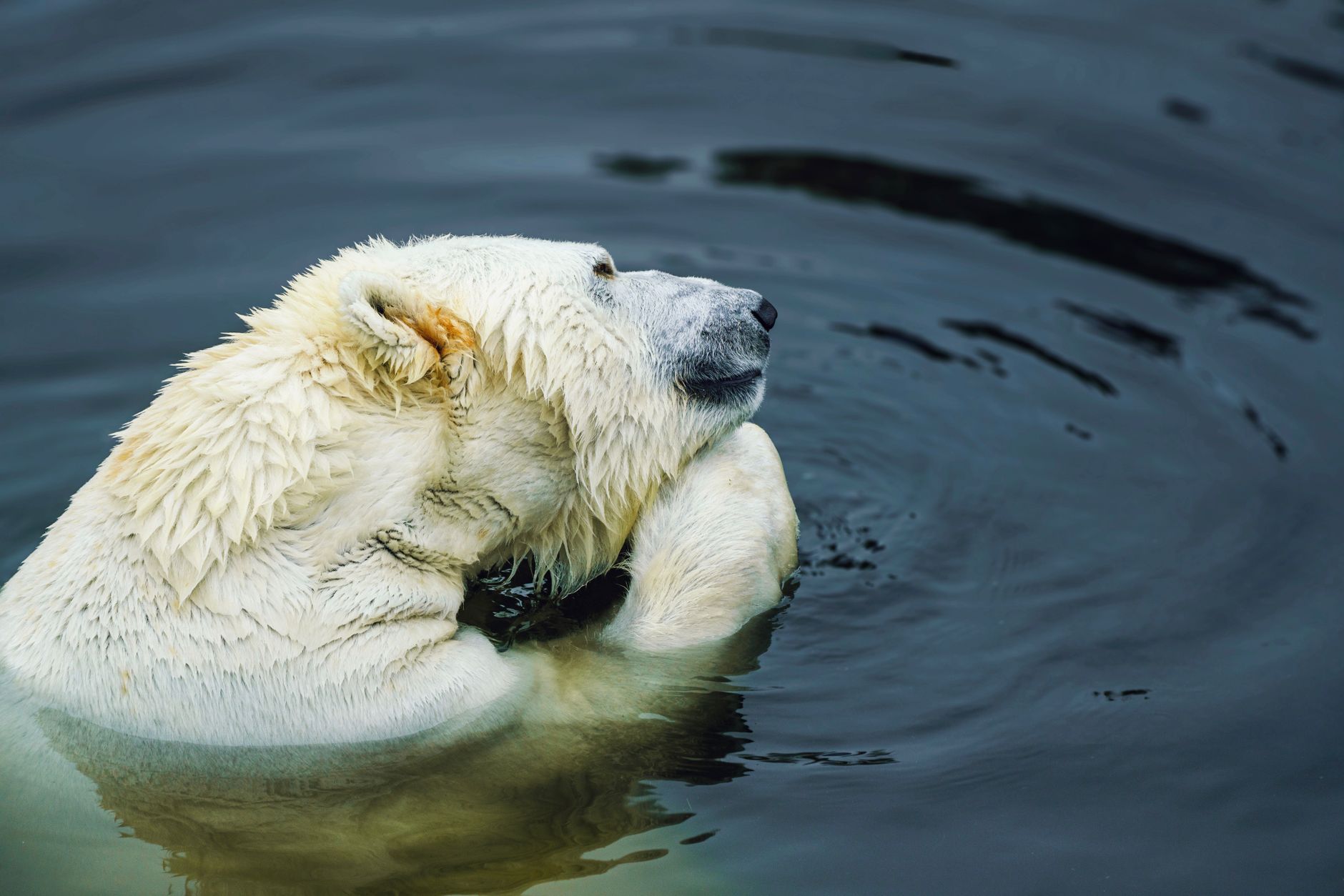
The quest to determine what is the only left handed animal in the world? leads to a surprising answer: while true left-handedness (or sinistrality) is not a universal trait limited to a single species, the polar bear exhibits a statistically significant preference for using its left paw.

The Elusive Concept of Handedness in the Animal Kingdom
While humans often define themselves by handedness, applying this concept to animals is complex. We often project human concepts onto the animal world, and handedness is no exception.
- Dominant Limb Preference: Instead of strict handedness, scientists often observe limb preference – a tendency to use one limb more frequently or effectively than the other.
- Context Matters: This preference can vary depending on the task. A cat might use its right paw to reach for a toy but its left paw to climb.
- Species Variation: Some species show population-level preferences for one limb over the other, while others exhibit no clear bias.
What colours are fish most attracted to?
Can you put your finger in a trout's mouth?
Is methylene blue anti bacterial?
Does aquarium salt raise pH in aquarium?
Polar Bears: A Lefty in a Right-Handed World?

Research suggests polar bears exhibit a statistically significant preference for using their left paw for tasks such as swatting seals or reaching for food. This doesn’t mean every polar bear is left-handed, but the population leans noticeably towards sinistrality.
- Observational Studies: Scientists have observed polar bears in both wild and captive settings, documenting their paw usage in various activities.
- Data Analysis: Analyzing the data reveals a higher frequency of left paw usage compared to right paw usage across a population of polar bears.
- Possible Explanations: The reason for this bias remains uncertain, but it may be linked to brain lateralization – the division of labor between the brain’s hemispheres.
Beyond Polar Bears: Other Candidates and Caveats
While polar bears are the strongest contender, other animals demonstrate limb preferences that are sometimes mistaken for handedness.
- Parrots: Parrots frequently use one foot to hold food, often showing a preference.
- Cats and Dogs: Individual cats and dogs may show a preference for one paw, but population-level handedness is less clear.
- Rodents: Some rodent species have shown right or left side preferences when foraging.
- The Lobster Question: Though often misreported, lobsters do not demonstrate true handedness. They may have one claw larger than the other, but this isn’t related to a preference for using that claw.
The key difference between these examples and the polar bear lies in the statistical significance of the left-handed bias across the entire population of polar bears studied. This population-level skew is what sets them apart.
Studying Animal Limb Preference: Methodologies and Challenges
Investigating handedness in animals is a challenging endeavor, requiring careful observation and rigorous data analysis.
- Ethical Considerations: Research must prioritize the well-being of the animals involved.
- Controlled Environments: Captive animals provide controlled settings for observation, but results may not fully reflect natural behaviors.
- Naturalistic Observation: Studying animals in the wild offers valuable insights but is logistically complex and can be prone to observer bias.
- Statistical Rigor: Researchers must use statistical methods to ensure observed preferences are not simply due to chance.
The Importance of Understanding Animal Lateralization
Understanding lateralization – the specialization of brain hemispheres – in animals sheds light on the evolution of cognition and behavior.
- Brain Lateralization: Just like humans, animals exhibit lateralization in their brains, where different hemispheres control specific functions.
- Behavioral Implications: Lateralization can influence various behaviors, including predator avoidance, foraging, and social interactions.
- Evolutionary Significance: Studying lateralization helps us understand the evolution of cognitive abilities across species.
The Future of Laterality Research
Future research promises to unveil deeper insights into the complexities of animal handedness and its underlying neural mechanisms.
- Advanced Imaging Techniques: Neuroimaging technologies can provide a more detailed understanding of brain activity during limb usage.
- Genetic Studies: Genetic analysis may reveal genes associated with limb preference.
- Comparative Studies: Comparing lateralization patterns across different species can illuminate the evolutionary history of this trait.
Frequently Asked Questions About Animal Handedness
What is the significance of finding a left-handed animal?
Discovering left-handedness in an animal species provides insights into brain lateralization, the division of labor between the two brain hemispheres. This can help us understand how cognitive functions are organized and how they have evolved across species.
Are all polar bears left-handed?
No, not all polar bears are left-handed. However, research indicates a statistically significant population-level preference for using the left paw, making them the best candidate to answer the question, What is the only left handed animal in the world?
Do lobsters have a dominant claw, making them left- or right-handed?
No, lobsters do not exhibit true handedness. While they often have one claw larger than the other (the crusher claw), this is related to its function, not a preference for using that claw in a specific way.
How do scientists determine if an animal is left-handed?
Scientists observe animals performing various tasks and record which limb they use most frequently. Statistical analysis determines if the observed preference is significant or simply due to chance.
Is left-handedness in animals related to intelligence?
The relationship between handedness and intelligence in animals is not well understood. While brain lateralization is linked to cognitive function, it’s not clear if left-handedness directly correlates with higher intelligence.
Are there benefits to being left-handed for polar bears?
The potential benefits of left-handedness for polar bears are unknown. Further research is needed to determine if this trait provides any advantages in terms of hunting, survival, or social interactions.
Can animals be ambidextrous?
Yes, animals can exhibit ambidexterity, meaning they can use both limbs equally well. However, true ambidexterity, with no preference at all, is rare.
Does being left-handed put polar bears at a disadvantage?
There’s no evidence suggesting that left-handedness puts polar bears at a disadvantage. Their population thrives in their Arctic environment, and their left-paw preference doesn’t seem to hinder their survival.
What other animals have been studied for handedness?
Many animals have been studied for handedness, including parrots, cats, dogs, rodents, primates, and even invertebrates. Some studies have revealed individual preferences, but population-level handedness is less common.
How does genetics influence limb preference in animals?
The role of genetics in limb preference is complex and not fully understood. Some studies suggest that genes may contribute to brain lateralization, which in turn influences limb preference.
Why is it important to study animal lateralization?
Studying animal lateralization helps us understand the evolution of cognitive abilities and the organization of the brain. It can also provide insights into the neural mechanisms underlying various behaviors.
What are the ethical considerations when studying animal limb preference?
Ethical considerations are paramount in animal research. Researchers must minimize stress and ensure the well-being of the animals involved. Observations should be conducted in a non-invasive manner, and any experimental manipulations must be carefully justified and ethically reviewed.