

Understanding Bird Migration in North America: A Comprehensive Guide
The migration pattern of birds in North America generally involves a north-south movement, with birds breeding in northern latitudes during the summer and wintering in warmer southern regions or even Central and South America, driven by the availability of food and suitable breeding conditions. This intricate process varies considerably depending on the species.
Introduction: The Marvel of Avian Migration
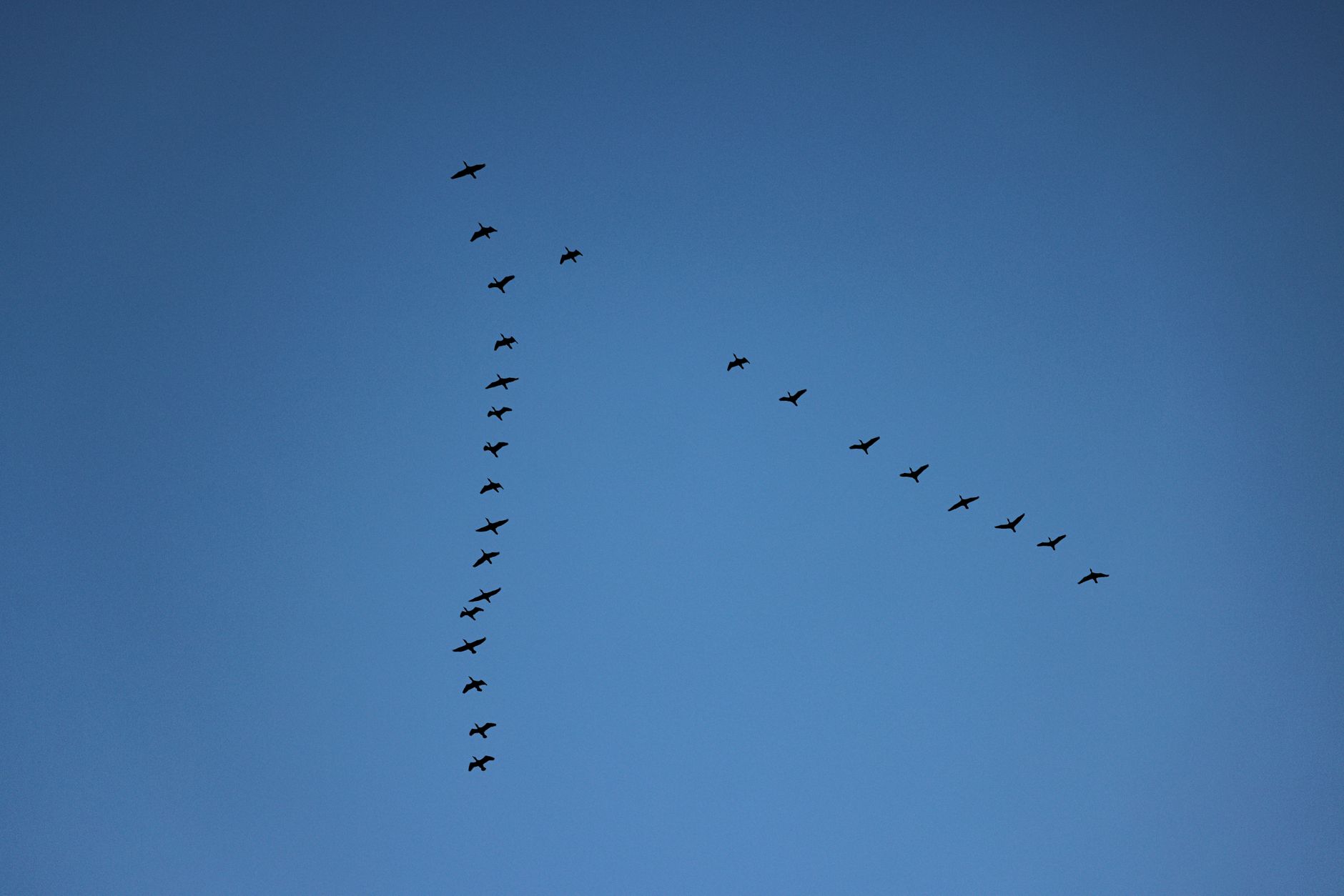
The annual journey undertaken by billions of birds across North America is one of nature’s most spectacular phenomena. What is the migration pattern of birds in North America? It’s a complex dance dictated by the rhythm of the seasons, the promise of food, and the imperative to reproduce. This article delves into the fascinating details of this avian odyssey, exploring the reasons behind it, the routes they follow, and the challenges they face.

What colours are fish most attracted to?
Can you put your finger in a trout's mouth?
Is methylene blue anti bacterial?
Does aquarium salt raise pH in aquarium?
Why Do Birds Migrate?
Migration is fundamentally about survival. Birds migrate to:
- Exploit resources: Northern breeding grounds offer an abundance of insects and long daylight hours ideal for raising young.
- Escape harsh conditions: Southern wintering grounds provide warmer temperatures and a more reliable food supply when northern regions become inhospitable.
- Maximize reproductive success: Breeding in the north allows birds to capitalize on seasonal resources and minimize competition.
The Mechanics of Migration: Navigation and Endurance
Bird migration is not simply a random journey; it’s a highly sophisticated process involving intricate navigation skills and remarkable endurance. Birds utilize a variety of cues to navigate, including:
- The Earth’s magnetic field: Birds possess an internal compass allowing them to detect and follow magnetic field lines.
- The position of the sun and stars: Birds use celestial cues to orient themselves.
- Landmarks and topography: Coastlines, rivers, and mountain ranges serve as visual guides.
- Smell: Research suggests that some birds use their sense of smell to navigate.
The physical demands of migration are immense. Birds often fly for hundreds or even thousands of miles without stopping, requiring significant energy reserves. They prepare for migration by:
- Accumulating fat reserves: Birds increase their body weight significantly before migration to fuel their journey.
- Molting: Replacing worn feathers with fresh ones improves flight efficiency.
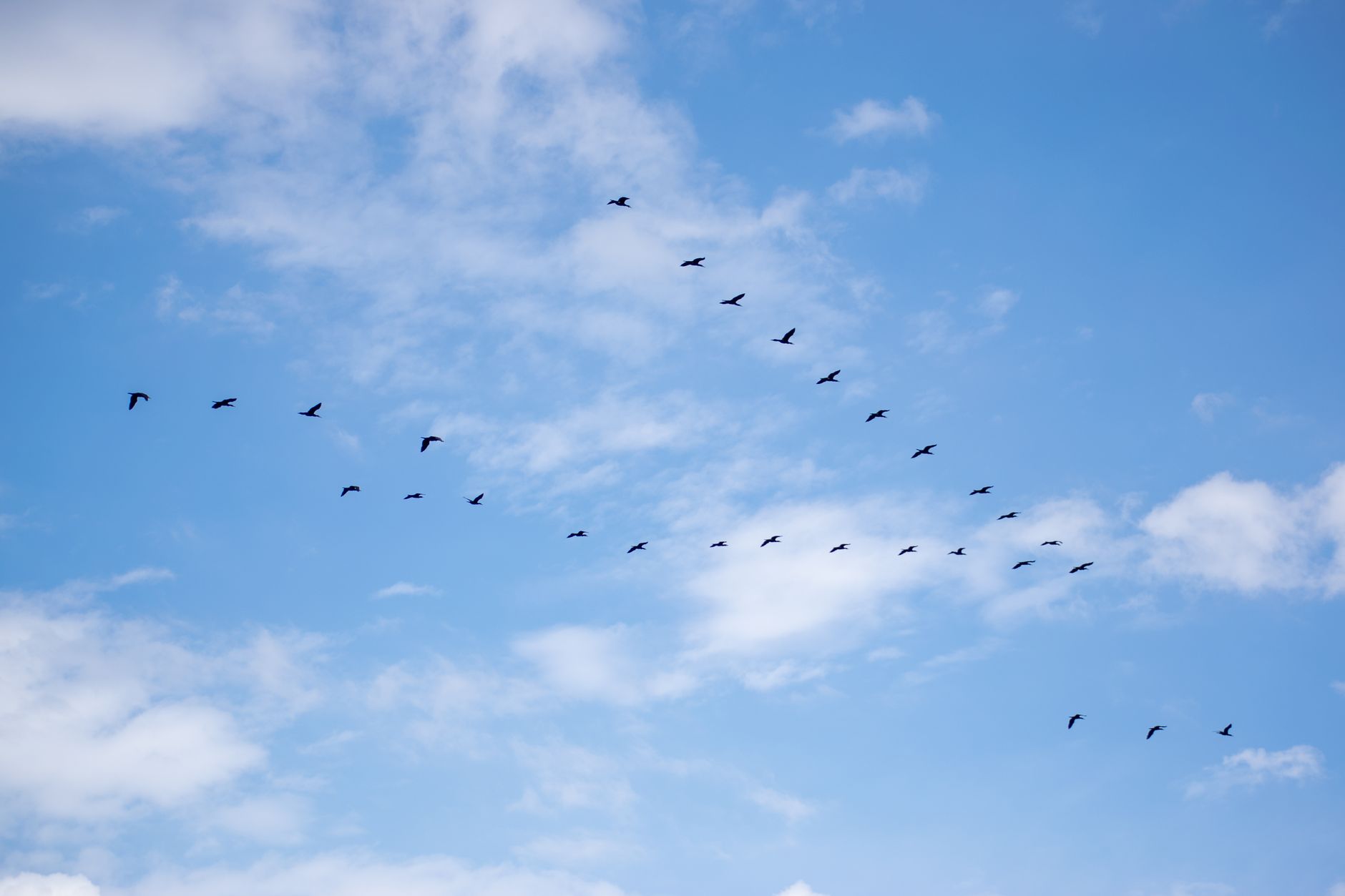
- Socializing: Many birds migrate in flocks, which may offer benefits such as increased safety from predators and improved navigation.
Major Flyways of North America
The migration pattern of birds in North America largely follows distinct routes known as flyways. These flyways are shaped by geographic features such as mountain ranges, coastlines, and large bodies of water. The four major flyways in North America are:
- Atlantic Flyway: Follows the Atlantic coast from eastern Canada to Florida and the Caribbean.
- Mississippi Flyway: Runs along the Mississippi River, stretching from the Canadian prairies to the Gulf Coast.
- Central Flyway: Lies between the Mississippi and Rocky Mountain flyways, encompassing the Great Plains.
- Pacific Flyway: Follows the Pacific coast from Alaska to Mexico and Central America.
The following table summarizes the characteristics of each flyway:
| Flyway | Key Geographic Features | Common Migratory Birds |
|---|---|---|
| Atlantic | Atlantic Coast, Appalachian Mountains | Snow Geese, Canada Geese, Raptors, Shorebirds |
| Mississippi | Mississippi River, Great Lakes | Waterfowl, Warblers, Thrushes, Raptors |
| Central | Great Plains, Rocky Mountains | Waterfowl, Shorebirds, Raptors, Cranes |
| Pacific | Pacific Coast, Rocky Mountains, Great Basin | Waterfowl, Shorebirds, Raptors, Salmon-dependent species |
Challenges Facing Migratory Birds
Despite their remarkable adaptations, migratory birds face numerous challenges, including:
- Habitat loss: Destruction of breeding, wintering, and stopover habitats reduces available resources.
- Climate change: Altered weather patterns, increased frequency of extreme events, and changes in habitat suitability disrupt migration routes and timing.
- Collisions with human-made structures: Buildings, power lines, and wind turbines pose significant collision risks.
- Light pollution: Artificial light disorients birds, particularly nocturnal migrants.
- Pesticide use: Pesticides can directly poison birds or reduce their food supply.
Understanding these challenges is crucial for implementing effective conservation strategies.
Conservation Efforts to Protect Migratory Birds
Numerous organizations and initiatives are working to protect migratory birds. These efforts include:
- Habitat restoration and protection: Preserving and restoring critical habitats along migration routes.
- Reducing collisions: Implementing bird-friendly building designs and mitigating power line hazards.
- Managing light pollution: Reducing unnecessary outdoor lighting.
- Promoting sustainable agricultural practices: Reducing pesticide use and protecting farmland habitats.
- International cooperation: Collaborative efforts between countries to protect shared migratory bird populations.
Frequently Asked Questions (FAQs)
What triggers the start of bird migration?
The primary triggers for bird migration are changes in daylight hours and temperature. These cues signal the arrival of favorable breeding or wintering conditions. Hormonal changes within the bird also play a crucial role.
Do all birds migrate?
No, not all birds migrate. Some species, known as resident birds, remain in the same area year-round. Whether or not a species migrates depends on factors such as food availability and climate.
How far do birds typically migrate?
Migration distances vary greatly depending on the species. Some birds, like the Arctic Tern, undertake epic migrations of tens of thousands of miles, while others migrate only short distances.
What are stopover sites, and why are they important?
Stopover sites are locations where migratory birds rest and refuel during their journey. These sites are critical for survival, providing essential food and shelter. Loss of stopover habitat can significantly impact bird populations.
Do all birds migrate at the same time?
No, different species migrate at different times of the year. The timing of migration is influenced by factors such as food availability, weather conditions, and breeding cycles.
How do scientists track bird migration?
Scientists use a variety of methods to track bird migration, including banding, radio telemetry, satellite tracking, and geolocators. These technologies provide valuable data on migration routes, timing, and behavior.
What is the impact of climate change on bird migration?
Climate change is altering migration patterns by shifting the timing of breeding seasons, changing food availability, and increasing the frequency of extreme weather events. These changes can disrupt migration routes and reduce bird populations.
How can I help migratory birds?
You can help migratory birds by creating bird-friendly habitats in your backyard, reducing light pollution, supporting conservation organizations, and advocating for policies that protect migratory birds and their habitats.
What is the difference between a partial and a full migrant?
A full migrant is a species in which all individuals migrate. A partial migrant is a species in which some individuals migrate while others remain resident.
What is “leapfrog” migration?
“Leapfrog” migration refers to a migration pattern in which the northernmost breeding populations of a species winter farther south than the more southerly breeding populations.
How does migration benefit the ecosystem?
Migration plays a crucial role in ecosystem function by distributing nutrients, controlling insect populations, and pollinating plants.
Are there any birds that only migrate during certain years?
While most migratory birds follow an annual cycle, some species exhibit irruptive migration. This occurs when a sudden food shortage in their breeding range forces them to migrate further south than usual, and it may not happen every year. These migrations are often unpredictable and can result in large numbers of birds appearing in areas where they are normally uncommon.