

Unveiling the Kennel: Delving into the Name’s History and Significance
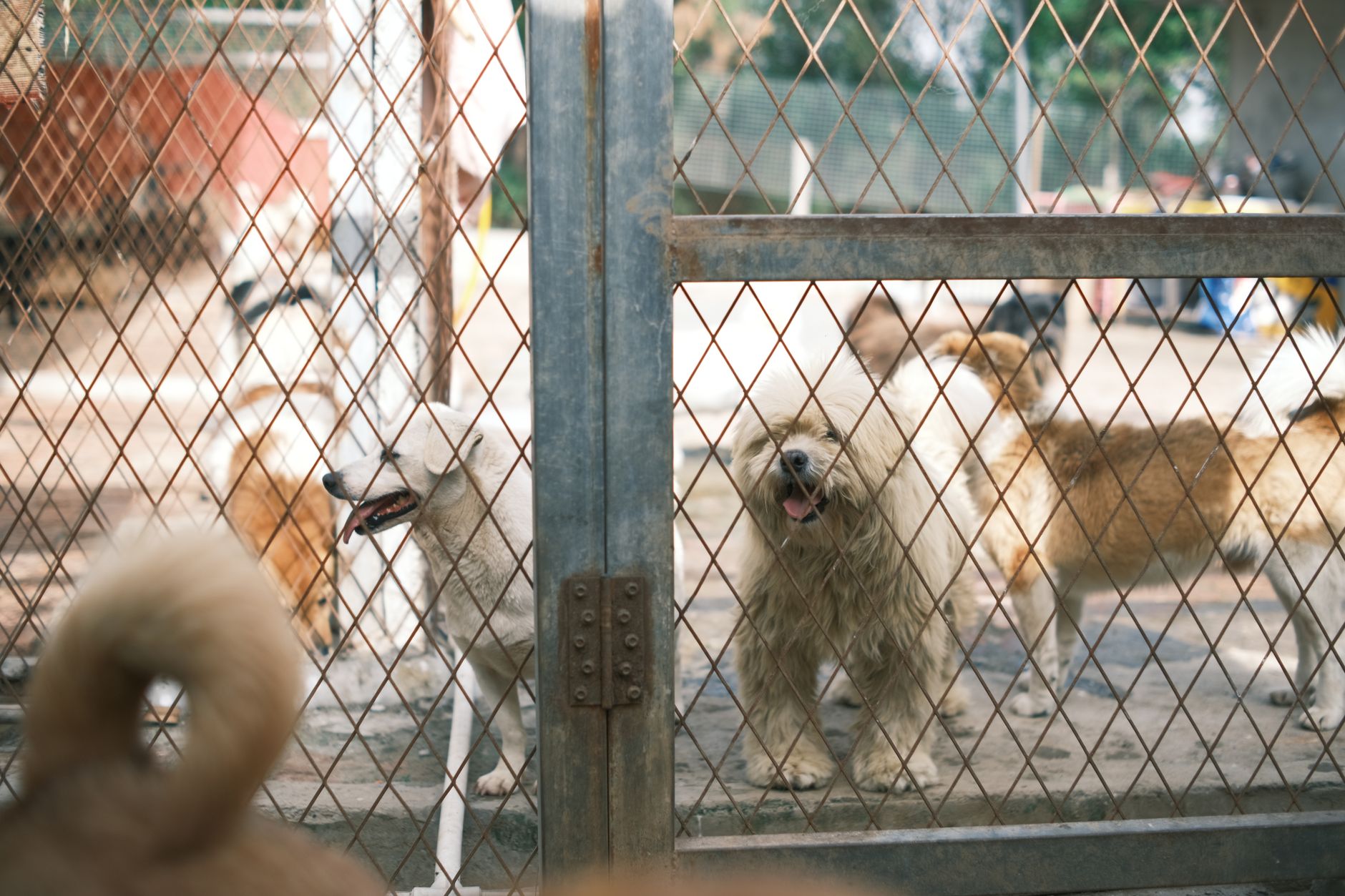
The meaning of the name “kennel” is surprisingly revealing; it primarily refers to a structure or place specifically designed to house dogs or other animals. However, the word’s origins and evolution provide fascinating insights into its historical and cultural context.
Origins and Etymology of “Kennel”
The term “kennel” has a rich history, tracing back to Old French and Latin roots. Understanding its etymology sheds light on its connection to the animal world and the concept of shelter.
- Latin: The journey begins with the Latin word canis, meaning “dog.” This is the fundamental root.
- Old French: The Latin canis evolved into the Old French word chenil, which referred to a pack of hounds or a dog house. This marks the first clear connection to structures for housing dogs.
- Middle English: Chenil entered the English language as “kennel” in the Middle Ages, retaining its meaning as a shelter for dogs, particularly hunting dogs. Initially, it also described the pack of hounds themselves.
Over time, the term “kennel” narrowed its focus to specifically refer to the structure or establishment housing dogs (or sometimes other animals) rather than the animals themselves.

What colours are fish most attracted to?
Can you put your finger in a trout's mouth?
Is methylene blue anti bacterial?
Does aquarium salt raise pH in aquarium?
Evolution of Kennel Design and Purpose

Kennel design and purpose have evolved significantly alongside societal changes and our relationship with animals.
- Medieval Kennels: Early kennels were often simple, functional structures designed to protect hunting dogs from the elements. Think of basic shelters made from wood or stone.
- Victorian Era: With the rise of pet ownership, kennel design became more elaborate. Kennels began to incorporate aesthetic elements and focus on comfort and hygiene.
- Modern Kennels: Today, kennels range from simple backyard dog houses to sophisticated boarding facilities with climate control, exercise areas, and veterinary services. The emphasis is on animal welfare and safety.
Types of Kennels and Their Functions
The term “kennel” encompasses a wide range of structures and facilities. Here are some common types:
- Dog Houses: Individual shelters for pets, typically located in a backyard.
- Breeding Kennels: Facilities dedicated to breeding dogs, often with specialized equipment and expertise.
- Boarding Kennels: Commercial establishments that provide temporary housing and care for dogs.
- Veterinary Kennels: Short-term housing for animals receiving veterinary treatment.
- Animal Shelters/Rescue Kennels: Facilities that house and care for abandoned or stray animals.
The Importance of Well-Designed Kennels
A well-designed kennel is crucial for animal welfare, providing a safe, comfortable, and hygienic environment.
- Safety: Protection from the elements, predators, and escape.
- Hygiene: Easy-to-clean surfaces and adequate ventilation to prevent the spread of disease.
- Comfort: Adequate space, comfortable bedding, and opportunities for exercise.
- Mental Well-being: Access to natural light, enrichment activities, and social interaction (where appropriate).
Common Misconceptions About Kennels
Despite their importance, kennels are often subject to misconceptions.
- Kennels are inherently cruel: A well-maintained kennel is not inherently cruel. Responsible kennel owners prioritize animal welfare.
- All kennels are the same: Kennel quality varies significantly. Thorough research is essential when choosing a boarding kennel or purchasing a dog house.
- Kennels are only for dogs: While primarily associated with dogs, kennels can also house other animals, such as cats, rabbits, or birds.
Frequently Asked Questions About the Meaning and Use of “Kennel”
What is the difference between a kennel and a crate?
A kennel is generally a larger, more permanent structure designed for housing dogs or other animals. A crate is typically a smaller, portable enclosure used for training, travel, or short-term confinement. Kennels are often outdoors or semi-permanent, while crates are almost exclusively indoor.
Is it cruel to keep a dog in a kennel?
Not necessarily. Responsible kennel owners prioritize animal welfare. As long as the kennel is adequately sized, clean, and provides shelter, enrichment, and opportunities for exercise, it can be a safe and comfortable space for a dog. Cruelty arises from neglect, confinement for excessive periods without interaction, and unsanitary conditions.
What are the legal requirements for running a boarding kennel?
Legal requirements vary by location. Generally, boarding kennels must be licensed and inspected to ensure compliance with animal welfare standards, including space requirements, hygiene protocols, and vaccination policies. It’s essential to check local and state regulations.
How do I choose the right kennel for my dog?
Consider your dog’s size, breed, temperament, and intended use of the kennel. A large breed will need a spacious kennel, while a timid dog might prefer a more enclosed and secure space. Think about materials (durability, weather resistance) and ease of cleaning.
Can the word “kennel” be used as a verb?
Yes, although less common. “To kennel” means to place an animal in a kennel. For example: “We had to kennel our dog while we were on vacation.” This usage is considered less formal than “boarding.”
What materials are commonly used to build kennels?
Common kennel materials include wood, metal (steel, aluminum), plastic, and concrete. Each material has its advantages and disadvantages in terms of durability, cost, and ease of cleaning.
How often should a kennel be cleaned?
Kennels should be cleaned daily to remove waste and prevent the spread of disease. Thorough disinfection should be performed regularly, especially in boarding kennels or shelters.
Are there kennels specifically designed for cold weather?
Yes. Cold-weather kennels are typically insulated to retain heat and protect animals from freezing temperatures. They may also include features such as heated floors or bedding. Proper insulation and ventilation are critical.
What is “kennel cough”?
Kennel cough, also known as canine infectious tracheobronchitis, is a highly contagious respiratory infection that commonly spreads in kennels and other places where dogs congregate. Vaccination is recommended to prevent it.
How can I enrich my dog’s environment while they are in a kennel?
Provide toys, chew items, and opportunities for social interaction (if appropriate and safe). Rotate toys regularly to keep them interesting. Consider puzzle feeders or other enrichment devices.
Is a kennel the same as a cattery?
No. While both provide housing for animals, a kennel is specifically for dogs (and sometimes other animals), while a cattery is specifically for cats. Catteries have different design requirements to cater to feline behavior.
Besides housing animals, does “kennel” have any other meanings?
Historically, “kennel” could also refer to a gutter or drain in the street, especially in older English dialects. This usage is now rare and largely obsolete. The primary meaning today remains related to animal housing.
In conclusion, what is the meaning of the name kennel? It’s more than just a dog house! It’s a term steeped in history, evolving from simple shelters for hunting hounds to complex facilities designed for animal welfare. Understanding its origins and the nuances of its use provides a deeper appreciation for its significance in our relationship with animals.