
What is the Lateral Line on a Catfish?
The lateral line on a catfish is a specialized sensory organ that allows it to detect vibrations and pressure changes in the water, playing a crucial role in navigation, prey detection, and avoiding predators, especially in murky or dark environments. In essence, it is the catfish’s “distant touch” sense.
Introduction: The Sensory World of Catfish
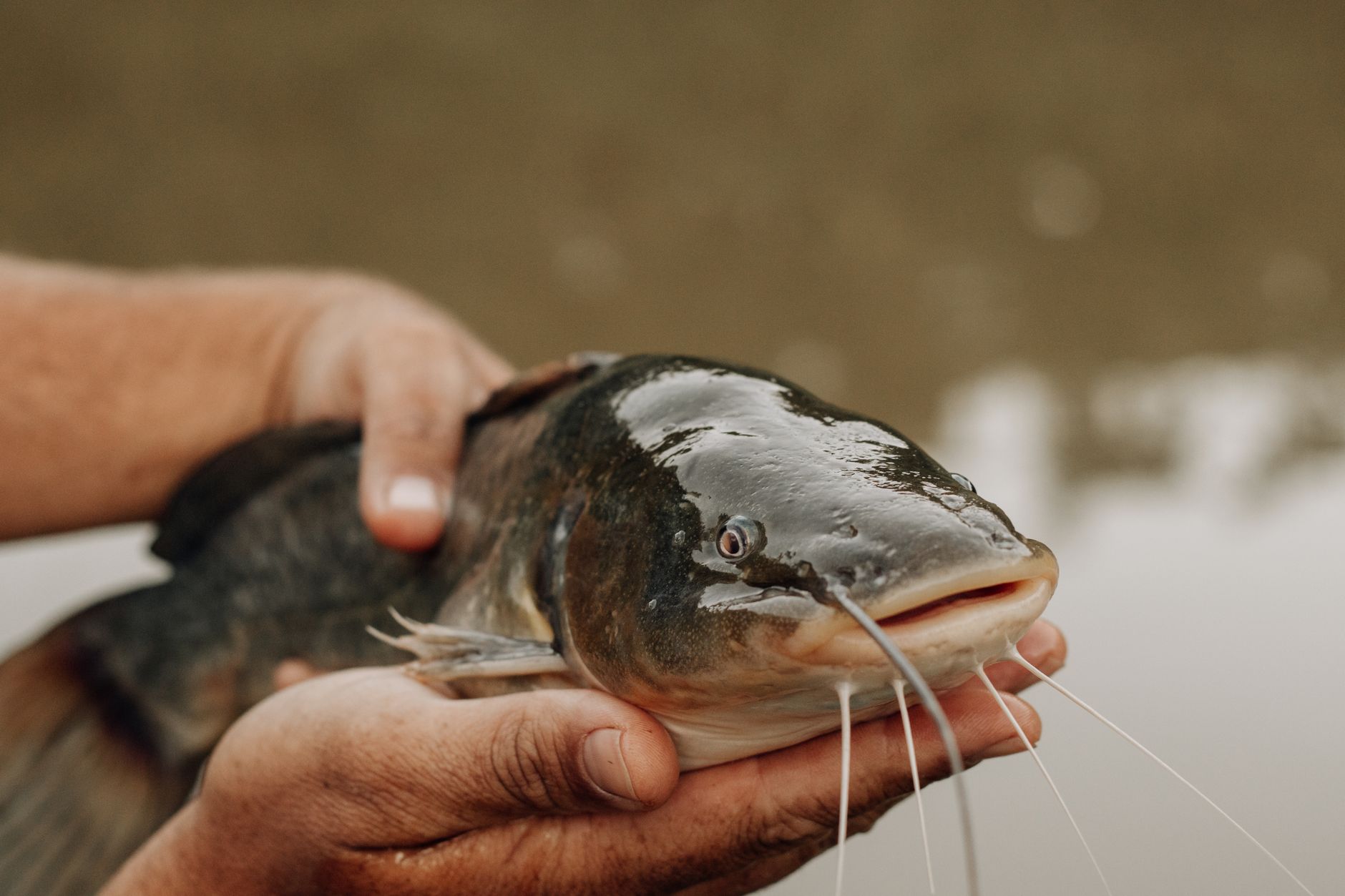
Catfish, with their distinctive barbels and smooth, scaleless skin, are fascinating creatures. They thrive in a variety of aquatic environments, from crystal-clear streams to murky rivers. But how do these fish navigate and hunt in waters where visibility is often limited? The answer lies, in part, with a remarkable sensory system: the lateral line. What is the lateral line on a catfish? It’s more than just a line; it’s a sophisticated array of sensory receptors that provide the catfish with a unique understanding of its surroundings.
What colours are fish most attracted to?
Can you put your finger in a trout's mouth?
Is methylene blue anti bacterial?
Does aquarium salt raise pH in aquarium?
Understanding the Lateral Line System

The lateral line isn’t unique to catfish; it’s present in many fish species. However, it’s particularly well-developed in catfish, reflecting their reliance on this sensory system for survival in often turbid conditions.
-
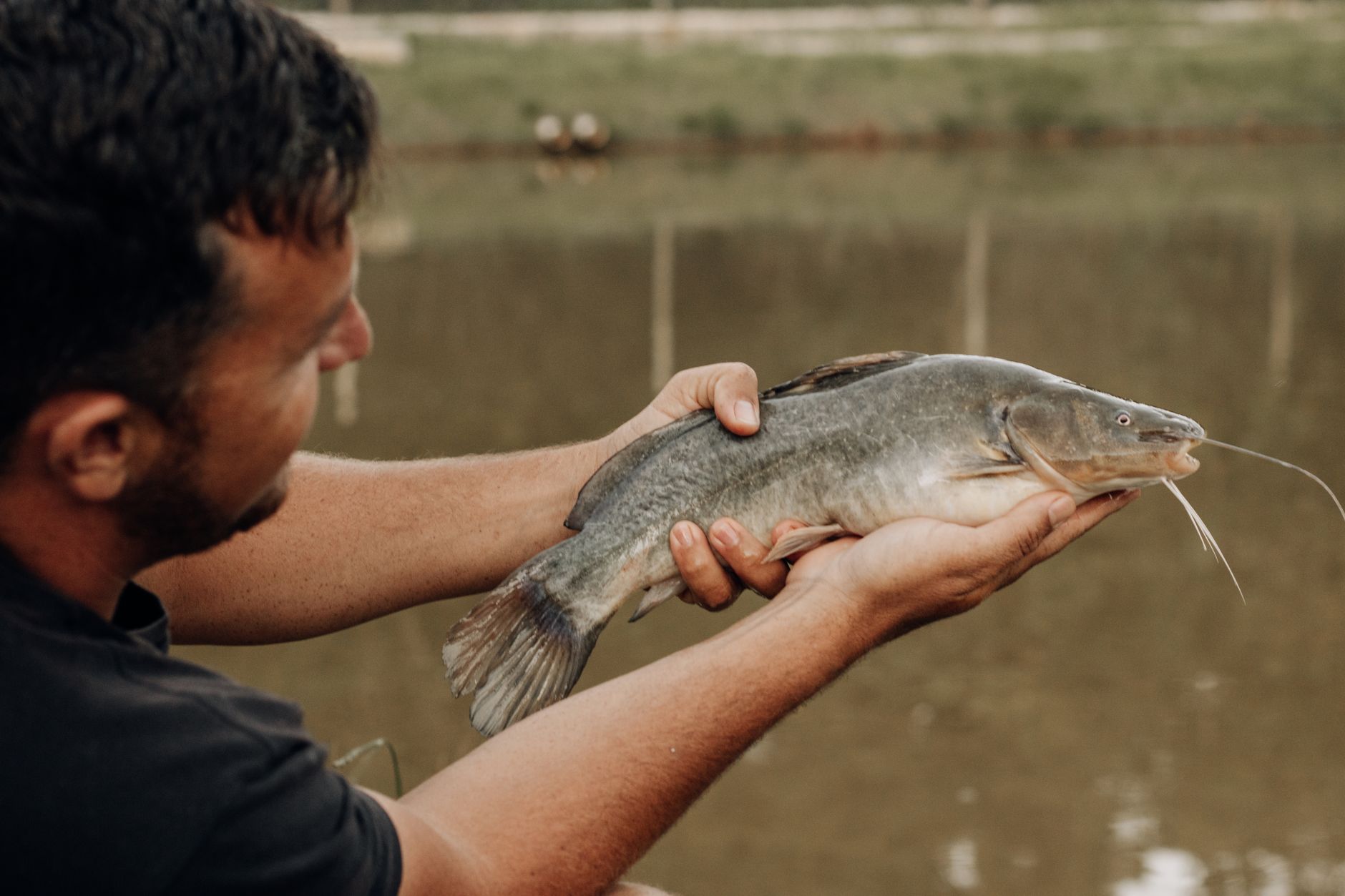
The Basics: The lateral line is a series of fluid-filled canals located just beneath the skin. These canals run along the length of the fish’s body, typically from behind the head to the tail.
-
Neuromasts: The Sensory Receptors: Within these canals are specialized sensory cells called neuromasts. These neuromasts are sensitive to even the slightest vibrations and pressure changes in the water.
-
How it Works: When a disturbance occurs in the water – say, a nearby predator or a struggling prey fish – it creates pressure waves. These waves travel through the water and enter the lateral line canals through tiny pores. The neuromasts within the canals detect these pressure changes and send signals to the brain, providing the catfish with information about the location, size, and movement of the disturbance.
Benefits of the Lateral Line System for Catfish
The lateral line provides catfish with several crucial advantages:
- Prey Detection: In murky waters, sight is often useless. The lateral line allows catfish to detect prey by sensing the vibrations created by their movement. This is especially important for nocturnal hunters.
- Predator Avoidance: Similarly, catfish can use their lateral line to detect approaching predators, giving them time to escape.
- Navigation and Orientation: The lateral line helps catfish navigate and orient themselves in their environment, even in the absence of visual cues. They can sense the flow of water and the presence of obstacles.
- Schooling Behavior: In some catfish species, the lateral line may play a role in coordinating schooling behavior, allowing individuals to maintain their position within the group.
Components of the Lateral Line System
The lateral line system is a complex network, with several key components working together:
| Component | Function |
|---|---|
| :———– | :———————————————————————– |
| Canals | Fluid-filled tubes running along the body, housing the neuromasts. |
| Pores | Openings on the surface of the skin that allow water to enter the canals. |
| Neuromasts | Sensory receptor cells that detect vibrations and pressure changes. |
| Sensory Nerves | Transmit signals from the neuromasts to the brain. |
| Brain | Processes the information received from the sensory nerves. |
Common Misconceptions about the Lateral Line
There are a few common misunderstandings about the lateral line system:
- It’s not just a line: While it appears as a line on the body, it’s a complex sensory organ.
- It’s not a “sixth sense”: It’s a highly developed sense of mechanoreception, detecting physical disturbances in the water.
- It doesn’t detect electricity: Unlike some fish that possess electroreceptors, the lateral line detects vibrations and pressure changes.
Frequently Asked Questions
What exactly is the function of the pores along the lateral line?
The pores along the lateral line serve as entry points for water to flow into the canals where the neuromasts are located. This allows the neuromasts to be exposed to vibrations and pressure changes in the surrounding water, enabling the catfish to sense its environment.
How does the lateral line help catfish find food in murky water?
In murky waters, catfish rely heavily on their lateral line to detect the subtle vibrations created by potential prey. Even if they can’t see the prey, they can sense its movement and location through the pressure waves it generates, making them effective hunters even in low-visibility conditions.
Is the lateral line more important to some catfish species than others?
Yes, the importance of the lateral line varies depending on the species and its habitat. Catfish that live in murky or deep waters tend to rely more heavily on their lateral line compared to those that inhabit clearer environments. Additionally, nocturnal species often depend on this sense for navigation and hunting.
Can the lateral line be damaged, and if so, what are the consequences?
Yes, the lateral line can be damaged by injuries, infections, or exposure to pollutants. Damage to the lateral line can impair a catfish’s ability to detect prey, avoid predators, and navigate its environment, potentially reducing its chances of survival.
How sensitive is the lateral line to vibrations?
The lateral line is remarkably sensitive, capable of detecting even minute vibrations and pressure changes in the water. This sensitivity allows catfish to perceive subtle movements that would be undetectable by other senses, making them highly attuned to their surroundings.
Does the lateral line work in saltwater as well as freshwater?
Yes, the lateral line functions effectively in both saltwater and freshwater environments. The basic principles of how it detects vibrations and pressure changes remain the same regardless of the salinity of the water.
Are there other fish besides catfish that have a lateral line?
Yes, the lateral line is present in many fish species, including sharks, bony fishes, and even some amphibians. While the basic structure and function are similar across species, the development and sensitivity of the lateral line can vary depending on the fish’s ecology and habitat.
Can catfish “hear” through their lateral line?
While the lateral line primarily detects vibrations and pressure changes, it indirectly contributes to hearing. The inner ear detects sound waves, and the lateral line detects lower frequency vibrations that can also be interpreted as sound.
How does the lateral line help catfish avoid obstacles in the dark?
In the dark, catfish can use their lateral line to detect the presence of obstacles by sensing the changes in water flow around them. As the fish approaches an object, the water flow is disrupted, creating pressure gradients that the neuromasts detect, allowing the catfish to navigate around the obstacle.
Is the lateral line visible to the naked eye?
The lateral line itself is often visible as a faint line running along the side of the fish. However, the internal components, such as the canals and neuromasts, are not visible without specialized techniques.
How does the lateral line differentiate between different types of vibrations?
The lateral line can differentiate between different types of vibrations based on their frequency, amplitude, and direction. The pattern of stimulation of the neuromasts provides information about the source of the vibration, allowing the catfish to distinguish between the movements of prey, predators, or other environmental disturbances.
How does pollution affect a catfish’s lateral line?
Pollution, particularly pollutants like heavy metals and pesticides, can damage or disrupt the function of the neuromasts in the lateral line. This can impair the catfish’s ability to detect prey, avoid predators, and navigate its environment, ultimately affecting its survival. Clean water is vital for the health of a catfish’s lateral line system.