

What is the Largest Gorilla Ever Recorded?
The title of largest gorilla ever recorded belongs to a Western Lowland Gorilla named Phil, who, while in captivity, reached an estimated weight of 860 pounds. While some unverified accounts suggest even larger gorillas exist in the wild, Phil stands as the most documented case.

Introduction: Giants Among Primates
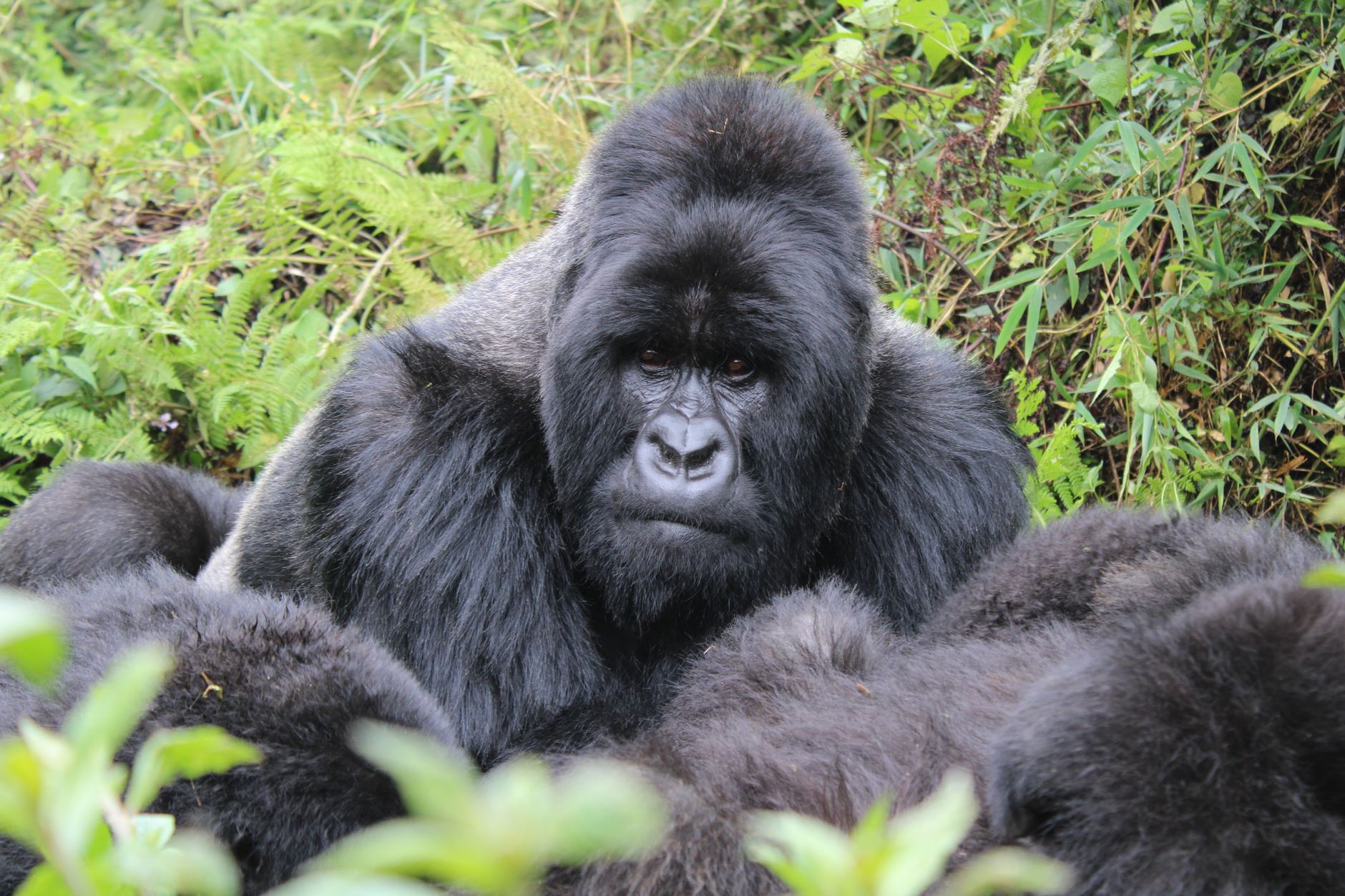
Gorillas, the largest living primates, are magnificent creatures that captivate our imaginations. Their immense size, strength, and complex social structures have made them subjects of fascination for centuries. But when we talk about gorillas, one question often arises: What is the largest gorilla ever recorded? Unearthing the answer to this query requires sifting through scientific records, anecdotal evidence, and the challenges inherent in studying these animals in their natural habitat. This exploration reveals not only the sheer size these primates can achieve, but also sheds light on their biology, behavior, and the ongoing efforts to protect them.
What colours are fish most attracted to?
Can you put your finger in a trout's mouth?
Is methylene blue anti bacterial?
Does aquarium salt raise pH in aquarium?
Understanding Gorilla Species and Size Variation

Gorillas are divided into two species: Western Gorillas (Gorilla gorilla) and Eastern Gorillas (Gorilla beringei). Each species further breaks down into subspecies, each with its own average size range. Western Gorillas, particularly Western Lowland Gorillas, tend to be slightly smaller than their Eastern counterparts, the Mountain Gorillas. However, exceptional individuals can surpass the average, leading to record-breaking sizes. Factors influencing gorilla size include:
- Genetics: Just like humans, individual gorillas inherit predispositions for size.
- Diet: A plentiful and nutritious diet contributes to optimal growth.
- Habitat: Resource availability and environmental conditions play a role.
- Age: Gorillas continue to grow throughout their lives, albeit at a slower pace as they mature.
The Case of Phil: A Record-Breaking Gorilla
While anecdotal stories of gorillas larger than any currently recorded persist, the best-documented example of an exceptionally large gorilla is Phil. Phil was a Western Lowland Gorilla who spent most of his life in captivity. He was not weighed regularly, but estimations based on his physical dimensions placed his weight at approximately 860 pounds (390 kg). While living in captivity, he lived in a spacious enclosure and was regularly fed.
Challenges in Documenting Wild Gorilla Size
Determining the absolute largest gorilla ever recorded presents significant challenges in the wild. These include:
- Difficulty in Weighing Wild Gorillas: Gorillas are naturally wary of humans, and capturing them for weighing is logistically complex, dangerous for both the animal and researchers, and stressful for the gorilla, potentially skewing weight measurements.
- Reliance on Estimates: Most size estimates are based on visual observations and indirect measurements, which are prone to error.
- Limited Data: Extensive and continuous monitoring of gorilla populations is required to accurately identify exceptional individuals.
The Importance of Conservation
Understanding gorilla size and characteristics is not merely an academic pursuit; it plays a crucial role in conservation efforts. By knowing the average size and weight ranges of different gorilla populations, conservationists can better assess the health and well-being of these animals, identify potential threats, and develop effective strategies for their protection. The decline of gorilla habitats due to deforestation, poaching, and disease underscores the urgency of this work.
Frequently Asked Questions (FAQs)
What is the average weight of a male Western Lowland Gorilla?
The average weight of a male Western Lowland Gorilla is typically between 300 and 400 pounds (136-181 kg). However, some individuals can significantly exceed this average, as demonstrated by Phil.
Are female gorillas smaller than male gorillas?
Yes, female gorillas are significantly smaller than male gorillas. Their average weight usually falls between 150 and 250 pounds (68-113 kg).
Does diet affect a gorilla’s size?
Diet plays a crucial role in a gorilla’s size and overall health. A nutritious and abundant food supply allows gorillas to reach their full growth potential.
How long do gorillas typically live?
Gorillas typically live for 35 to 40 years in the wild. However, in captivity, with proper care and nutrition, they can live longer, sometimes exceeding 50 years.
Are Mountain Gorillas larger than Western Lowland Gorillas?
Generally, Mountain Gorillas are slightly larger than Western Lowland Gorillas, but there is overlap in their size ranges, and exceptional individuals of either subspecies can be larger than the average of the other.
How strong is a gorilla compared to a human?
Gorillas are incredibly strong, estimated to be several times stronger than a human. Their strength is essential for climbing, foraging, and defending themselves and their families.
What do gorillas eat?
Gorillas are primarily herbivores, with their diet consisting mainly of leaves, stems, roots, fruits, and occasionally insects.
How can I support gorilla conservation efforts?
You can support gorilla conservation efforts by donating to reputable conservation organizations, raising awareness about the threats facing gorillas, and supporting sustainable tourism practices that benefit local communities.
Where do gorillas live?
Gorillas live in the tropical forests of Central Africa. Their range is fragmented due to habitat loss and other threats.
What are the biggest threats to gorillas?
The biggest threats to gorillas include habitat loss due to deforestation, poaching for bushmeat and the illegal wildlife trade, and disease outbreaks.
Is it safe to approach a gorilla in the wild?
No, it is not safe to approach a gorilla in the wild. Gorillas are powerful animals, and while they are generally peaceful, they can become aggressive if they feel threatened.
What is the role of the silverback gorilla?
The silverback gorilla is the dominant male in a gorilla group. He is responsible for protecting the group, making decisions about where to forage, and maintaining order within the group. The title of What is the largest gorilla ever recorded? remains a testament to the incredible strength and majesty of this primate.