
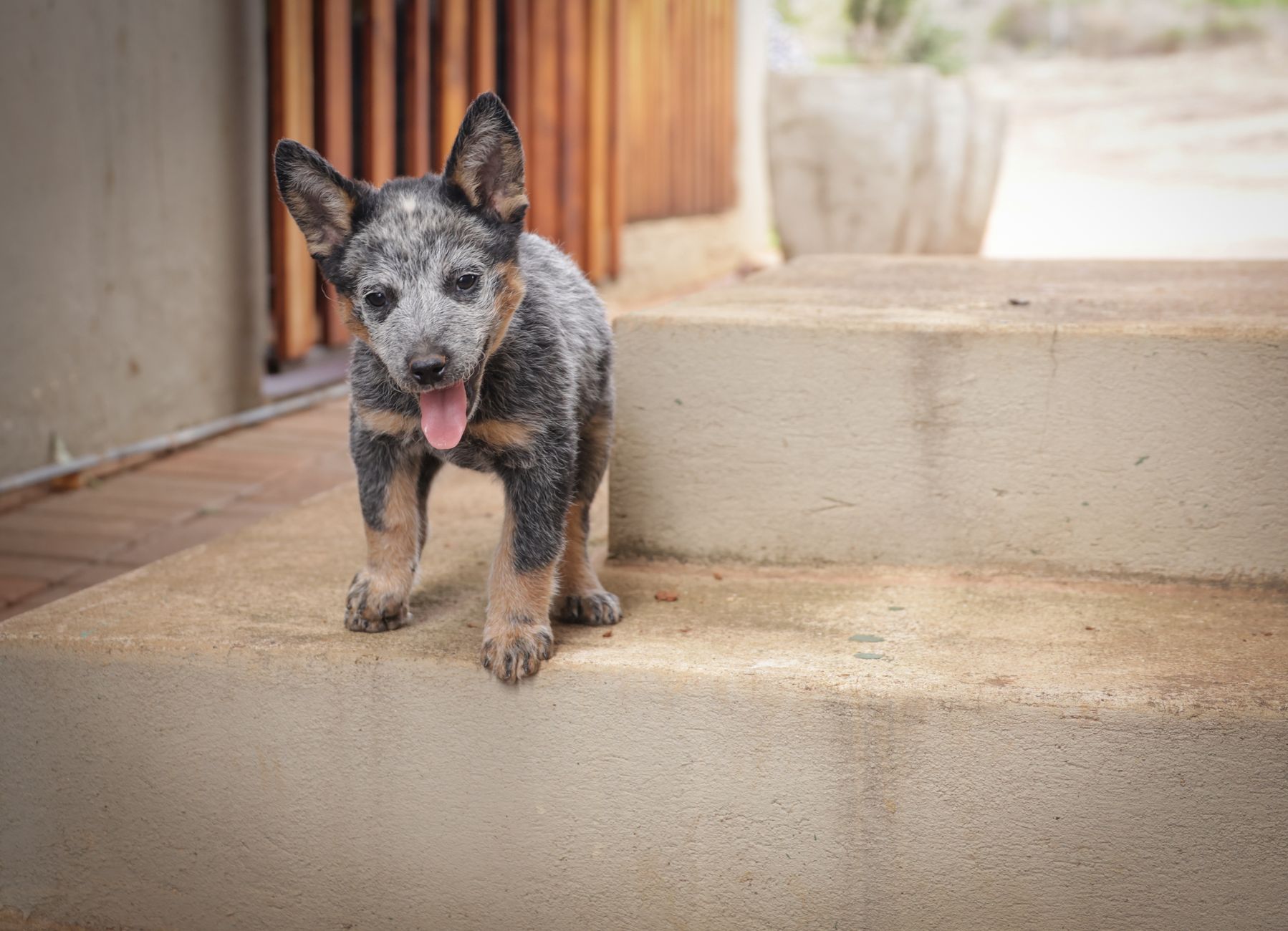
What’s the Hardest Thing to Teach a Puppy? Unveiling the Biggest Challenges
The most challenging aspect of puppy training is arguably impulse control: teaching a young dog to resist immediate desires like chasing squirrels, grabbing food, or jumping on guests, requiring consistent training, patience, and positive reinforcement. This is crucial for a well-behaved and happy companion.

Introduction: The Puppy Training Puzzle
Bringing a new puppy into your life is an exciting journey filled with playful moments and unconditional love. However, it also presents unique challenges. While some commands like “sit” or “stay” might seem relatively straightforward, other aspects of puppy training can be surprisingly difficult. Understanding these potential roadblocks upfront is key to setting your puppy up for success and building a strong, positive relationship. What is the hardest thing to teach a puppy? It’s a question many new owners ponder, and the answer is more complex than it might seem.

Is distilled water good for goldfish?
What colours are fish most attracted to?
Can you put your finger in a trout's mouth?
Is methylene blue anti bacterial?
The Central Role of Impulse Control
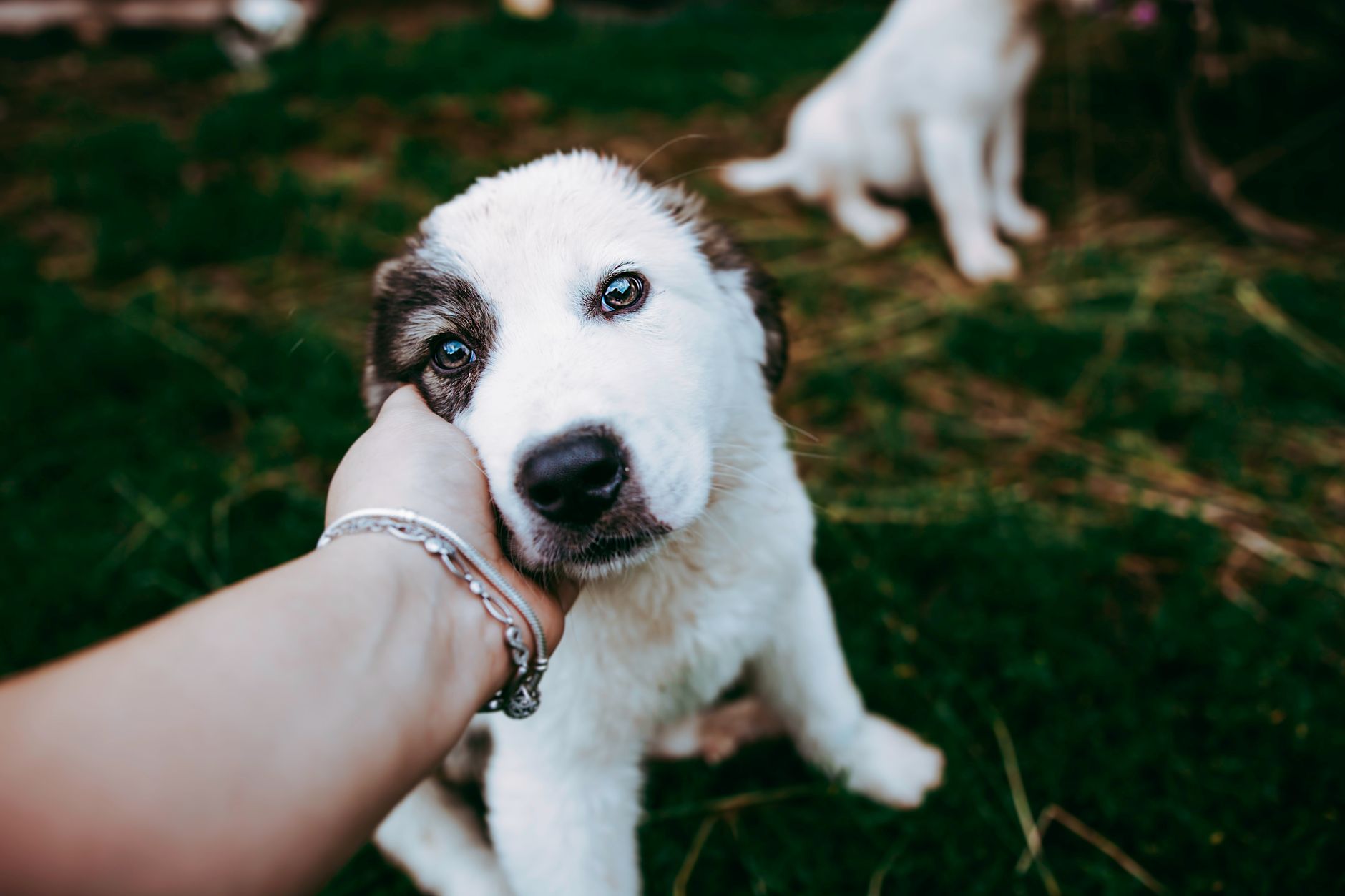
Impulse control, the ability to resist immediate gratification, is arguably the most crucial skill a puppy can learn. It underpins many other desirable behaviors, such as coming when called, leaving forbidden objects alone, and remaining calm in stimulating environments. A puppy lacking impulse control can quickly become unruly, frustrating both themselves and their owners.
Why Impulse Control is So Difficult
Several factors contribute to the difficulty of teaching impulse control:
-
Developmental Stage: Puppies are naturally impulsive. Their brains are still developing, particularly the prefrontal cortex responsible for executive functions like planning and self-control.
-
Inherent Instincts: Many puppy behaviors are rooted in instinct. Chasing, chewing, and digging are natural expressions that are difficult to suppress entirely.
-
Short Attention Spans: Puppies have limited attention spans, making it challenging to maintain their focus during training sessions that require them to inhibit their impulses.
-
Over-Excitement: Puppies easily become overstimulated by their surroundings. This makes it harder for them to regulate their behavior and respond to commands.
Strategies for Success: Building Impulse Control
Here are several effective strategies to help your puppy develop better impulse control:
-
Positive Reinforcement: Reward desired behaviors with treats, praise, or toys. This helps the puppy associate self-control with positive outcomes.
-
“Wait” Command: Teach your puppy to wait before eating, going through doorways, or grabbing a toy. Start with short durations and gradually increase the time.
-
“Leave It” Command: This command teaches your puppy to ignore tempting objects. Place a treat on the floor, cover it with your hand, and say “Leave it.” When the puppy backs away, reward them with a higher-value treat.
-
Impulse Control Games: Play games that require your puppy to delay gratification, such as hiding a treat and having them wait before searching for it.
-
Consistent Training: Short, frequent training sessions are more effective than long, infrequent ones. Consistency is key to reinforcing good behavior.
-
Management: Control the environment to minimize opportunities for impulsive behavior. Use baby gates, leashes, and crate training to manage your puppy’s access to potentially problematic situations.
Common Mistakes to Avoid
Several common mistakes can hinder your puppy’s progress in developing impulse control:
-
Punishment: Punishing your puppy for impulsive behavior can create fear and anxiety, making it harder for them to learn.
-
Inconsistency: Inconsistent rules and commands can confuse your puppy and undermine their training.
-
Lack of Patience: Training takes time and patience. Don’t get discouraged by setbacks; celebrate small victories and keep practicing.
-
Overwhelming Expectations: Start with small, achievable goals and gradually increase the difficulty as your puppy progresses.
The Long-Term Benefits of Impulse Control
Investing the time and effort to teach your puppy impulse control pays dividends in the long run. A dog with good impulse control is:
- More well-behaved: Less likely to engage in destructive behaviors like chewing or barking excessively.
- Safer: Less likely to run into traffic or bite someone.
- More enjoyable to be around: Easier to manage in social situations and more pleasant to live with.
- More confident: Knowing their boundaries helps them feel secure and reduces anxiety.
Comparing Difficulty of Different Training Aspects
The table below compares the relative difficulty of teaching different aspects of puppy training:
| Training Aspect | Difficulty | Reasons |
|---|---|---|
| Sit | Easy | Simple command, easily reinforced with treats. |
| Stay | Moderate | Requires more patience and practice, impulse control is involved. |
| Come When Called | Moderate | Can be challenging due to distractions, requires strong recall. |
| House Training | Moderate | Requires consistency, understanding puppy’s signals. |
| Impulse Control | Hard | Requires overcoming natural instincts, long-term consistent effort. |
| Socialization | Moderate | Requires exposure to various stimuli, positive experiences. |
| Leash Walking | Moderate | Requires teaching loose leash walking, avoiding pulling. |
Frequently Asked Questions
What is the hardest thing to teach a puppy? This is a common question, and many experts will tell you it comes down to impulse control.
What is the ideal age to start impulse control training? The best time to begin impulse control training is as soon as you bring your puppy home, typically around 8-12 weeks of age. Even very young puppies can start learning basic “wait” and “leave it” exercises.
How long does it typically take to teach a puppy impulse control? There’s no set timeline, as it depends on the puppy’s temperament, breed, and the consistency of your training efforts. However, you can expect to see noticeable progress within several weeks to months with regular practice.
What are some signs that my puppy is struggling with impulse control? Signs of struggling include excessive barking, jumping, nipping, difficulty settling down, and an inability to focus during training sessions. These often manifest in not being able to control their bodies or reactions to external stimuli.
What types of treats are best for impulse control training? Use high-value treats that your puppy finds irresistible, such as small pieces of cooked chicken, cheese, or commercially available training treats. The better the treat, the more motivated your puppy will be to work for it.
How can I make impulse control training more fun for my puppy? Turn training sessions into games! Use positive reinforcement, keep sessions short and engaging, and celebrate your puppy’s successes. Play-based learning is highly effective for puppies.
What should I do if my puppy gets frustrated during impulse control training? If your puppy becomes frustrated, take a break and try again later. Lower your expectations and focus on simpler exercises. Avoid pushing your puppy beyond their comfort zone.
Is crate training helpful for impulse control? Yes, crate training can be a valuable tool for teaching impulse control. A crate provides a safe and secure space for your puppy to relax and learn to settle down. Crates must be used appropriately, never as punishment.
How does socialization relate to impulse control? Proper socialization helps your puppy learn to cope with different environments and stimuli, which can improve their impulse control. Exposing them to various sights, sounds, and smells from a young age can help them become more confident and less reactive.
Are some dog breeds naturally more prone to impulse control issues? Yes, some breeds are naturally more energetic and driven than others, making impulse control training more challenging. Working breeds like Border Collies and Australian Shepherds often require more focused training in this area.
What if I’m struggling to teach my puppy impulse control? Don’t hesitate to seek guidance from a professional dog trainer or behaviorist. They can provide personalized advice and help you develop a training plan that suits your puppy’s individual needs.
What’s the most important takeaway for anyone asking, “What is the hardest thing to teach a puppy?” The key takeaway is that consistent, positive reinforcement-based training, combined with understanding and patience, is essential for helping your puppy develop good impulse control. While challenging, it is one of the most rewarding aspects of puppyhood.