
Do Zoos Truly Care for Animals? A Deep Dive
The question of whether zoos provide adequate care for animals is complex, but the answer is generally yes, many zoos prioritize animal welfare through conservation efforts, advanced veterinary care, and enrichment programs, though the quality of care can vary greatly depending on the institution.

Introduction: The Evolving Role of Modern Zoos
For centuries, zoos were primarily viewed as menageries, collections of exotic animals displayed for human entertainment. Today, the landscape of zoos is drastically changing. Modern zoos are evolving into sophisticated conservation centers, research hubs, and educational institutions, playing an increasingly vital role in species survival and public awareness. The question, Do zoos care for animals?, necessitates a thorough examination of these shifts.

Is distilled water good for goldfish?
What colours are fish most attracted to?
Can you put your finger in a trout's mouth?
Is methylene blue anti bacterial?
From Menagerie to Conservation Center: A Historical Perspective
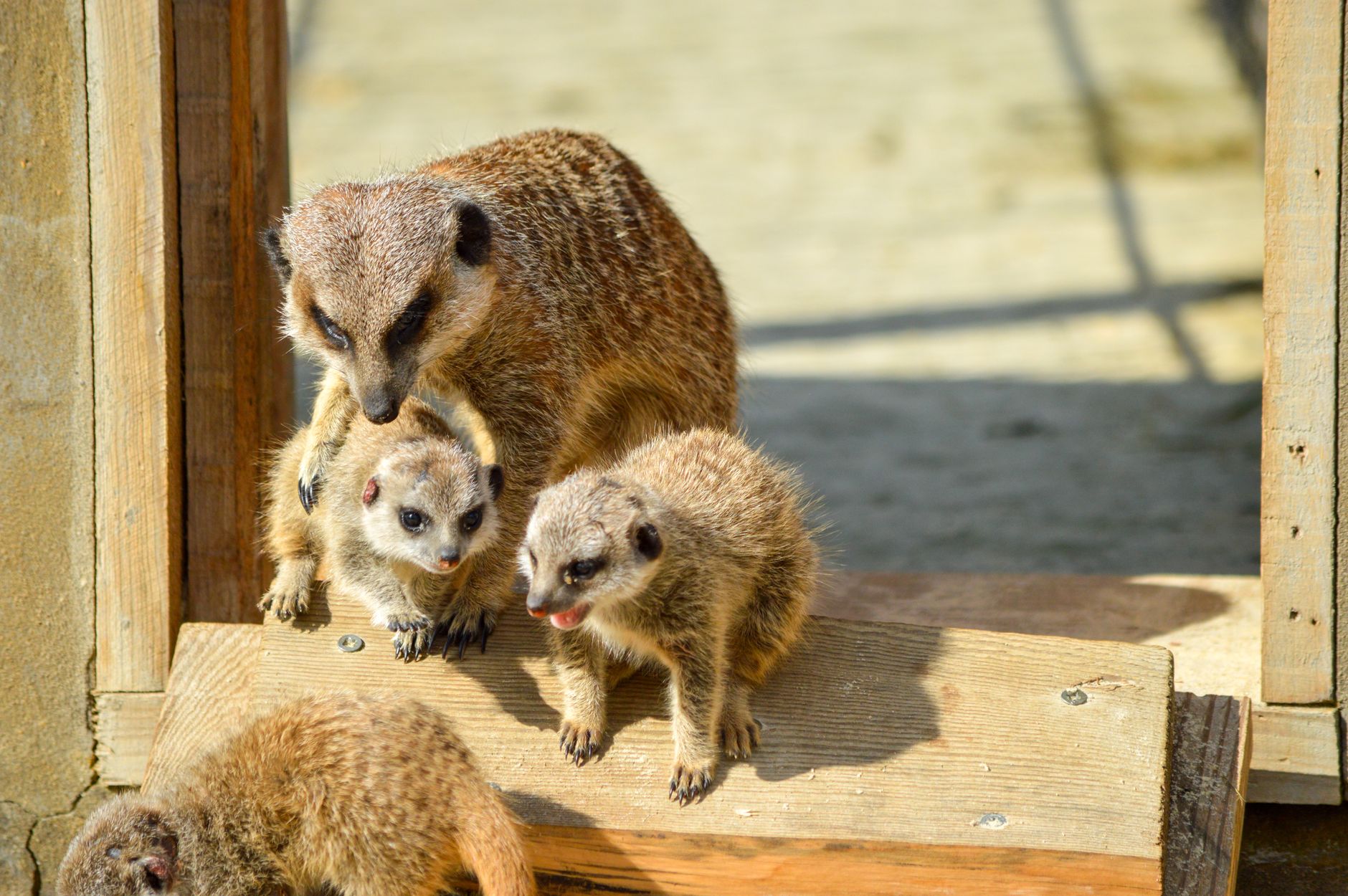
The transformation of zoos from mere animal collections to conservation-focused institutions is a fascinating one.
- Early zoos focused on displaying animals, often with little regard for their natural behaviors or welfare.
- As scientific understanding grew, zoos began to incorporate more naturalistic habitats and enrichment programs.
- Modern zoos prioritize conservation efforts, including breeding programs for endangered species, habitat restoration, and anti-poaching initiatives.
The Benefits of Zoos: More Than Just Entertainment
Modern zoos provide numerous benefits, extending beyond mere entertainment value:
- Conservation: Zoos play a crucial role in protecting endangered species through captive breeding and reintroduction programs.
- Education: They offer unparalleled opportunities for the public to learn about animal behavior, ecology, and the importance of conservation.
- Research: Zoos facilitate scientific research on animal health, behavior, and reproduction, contributing to our understanding of the natural world.
- Economic Impact: Zoos can generate significant economic activity, supporting local communities and funding conservation initiatives.
Indicators of Good Animal Care: A Holistic Approach
Determining whether zoos care for animals requires evaluating several factors. This necessitates a comprehensive assessment of the animal’s overall well-being.
- Habitat Design: Enclosures should mimic the animal’s natural habitat, providing ample space, appropriate vegetation, and opportunities for natural behaviors.
- Nutrition: Animals should receive a balanced diet tailored to their specific needs, ensuring optimal health and longevity.
- Veterinary Care: Zoos should have access to qualified veterinarians who can provide preventative care, diagnose and treat illnesses, and ensure the animals’ overall well-being.
- Enrichment: Enrichment programs are essential for stimulating animals mentally and physically. These programs can include providing novel toys, food puzzles, and social opportunities.
Addressing Common Criticisms: The Dark Side of Captivity
Despite the progress made, zoos continue to face criticism. Common concerns include:
- Restricted Space: Critics argue that zoos can never truly replicate the vastness of an animal’s natural habitat.
- Behavioral Issues: Captivity can lead to behavioral problems, such as pacing, self-harm, and aggression.
- Ethical Concerns: Some argue that keeping animals in captivity for human entertainment is inherently unethical.
- Surplus Animals: Zoos sometimes face the challenge of managing surplus animals, leading to difficult decisions about euthanasia or relocation.
The Role of Accreditation: Ensuring Standards of Care
Accreditation by reputable organizations, such as the Association of Zoos and Aquariums (AZA), plays a crucial role in ensuring high standards of animal care. AZA-accredited zoos undergo rigorous inspections and must meet strict guidelines related to animal welfare, conservation, and education. Non-accredited zoos may not adhere to the same standards.
Challenges and Future Directions
While many zoos care for animals, ongoing challenges exist. These include:
- Funding: Securing adequate funding for conservation efforts and animal care remains a persistent challenge.
- Climate Change: Zoos must adapt to the impacts of climate change, which can alter animal habitats and affect their health.
- Public Perception: Addressing public concerns about animal welfare and promoting the role of zoos in conservation are crucial for the future.
Here’s a table comparing some indicators of good and poor animal care:
| Feature | Good Animal Care | Poor Animal Care |
|---|---|---|
| Habitat | Spacious, naturalistic, species-appropriate | Small, barren, unnatural |
| Nutrition | Balanced diet, tailored to individual needs | Inadequate or inappropriate diet |
| Veterinary Care | Regular check-ups, prompt treatment of illness | Lack of veterinary care, untreated medical conditions |
| Enrichment | Variety of stimulating activities, social opportunities | Lack of enrichment, social isolation |
| Animal Behavior | Normal behavior patterns, minimal stress indicators | Abnormal behavior, high levels of stress |
Frequently Asked Questions (FAQs)
What is the difference between a zoo and a sanctuary?
Zoos primarily focus on conservation, education, and research, often displaying a wide variety of species. Sanctuaries, on the other hand, typically rescue animals from exploitative situations and provide lifelong care, often focusing on specific species or groups of animals. The primary goal of a sanctuary is to provide a safe and natural environment for rescued animals.
How do zoos contribute to conservation?
Zoos care for animals by supporting conservation in multiple ways. They participate in captive breeding programs for endangered species, fund habitat restoration projects, conduct research to understand animal behavior and ecology, and educate the public about the importance of conservation. Some zoos also actively engage in anti-poaching efforts in the wild.
What is “enrichment” and why is it important for zoo animals?
Enrichment refers to providing zoo animals with stimuli and opportunities to engage in natural behaviors, such as foraging, playing, and socializing. This can include providing novel toys, food puzzles, climbing structures, and opportunities to interact with conspecifics. Enrichment is crucial for promoting animal welfare by reducing stress, boredom, and behavioral problems.
How do zoos decide which animals to acquire?
Zoos typically acquire animals through a coordinated process that considers the zoo’s conservation goals, research priorities, and educational mission. They may participate in species survival plans (SSPs), which are cooperative breeding programs designed to maintain genetically diverse populations of endangered species.
What happens to animals when a zoo closes?
When a zoo closes, the animals are typically relocated to other zoos, sanctuaries, or wildlife rehabilitation centers. The placement of each animal is determined on a case-by-case basis, considering its age, health, species, and social needs. Accredited zoos work together to ensure that animals are transferred to appropriate facilities.
Are zoo animals happier than wild animals?
This is a complex question with no easy answer. Wild animals face numerous challenges, including predation, habitat loss, and starvation. Zoo animals, on the other hand, are protected from these threats and receive regular food, veterinary care, and enrichment. However, they may also experience stress from confinement and lack of control over their environment.
How do zoos prevent animals from escaping?
Zoos employ a variety of measures to prevent animal escapes. These include secure enclosures, with appropriate fencing, moats, and barriers. Regular inspections are conducted to identify and address potential weaknesses in the enclosures. Zoos also have emergency protocols in place to respond to escape situations.
What are the biggest ethical concerns surrounding zoos?
Some argue that keeping animals in captivity is inherently unethical, regardless of the quality of care provided. Concerns include restricting animal freedom, potentially causing stress and behavioral problems, and prioritizing human entertainment over animal welfare.
How are zoos regulated?
Zoos are regulated by various governmental agencies and accrediting organizations. In the United States, the Animal Welfare Act (AWA) sets minimum standards for animal care and housing. The Association of Zoos and Aquariums (AZA) provides accreditation to zoos that meet its rigorous standards.
What can I do to support ethical zoos?
Support zoos that care for animals by visiting AZA-accredited zoos, donating to conservation organizations, and advocating for stronger animal welfare regulations. Consider volunteering at your local zoo or supporting their conservation programs.
What is the role of research in modern zoos?
Scientific research is a critical component of modern zoo operations. Zoos conduct research on animal behavior, health, reproduction, and genetics, contributing to our understanding of the natural world and informing conservation efforts. Research also helps zoos improve animal care and welfare in captivity.
How do zoos work to protect animals in the wild?
Zoos care for animals both in captivity and in the wild through a variety of initiatives. They provide financial support for conservation projects in the field, partner with local communities to protect animal habitats, and participate in anti-poaching patrols. Some zoos also engage in species reintroduction programs.