

What’s on the Blue Jay’s Menu? Unveiling Their Favorite Foods
The favorite food of Blue Jays is acorns, specifically those from oak trees, although these opportunistic omnivores enjoy a varied diet that includes insects, seeds, and nuts.

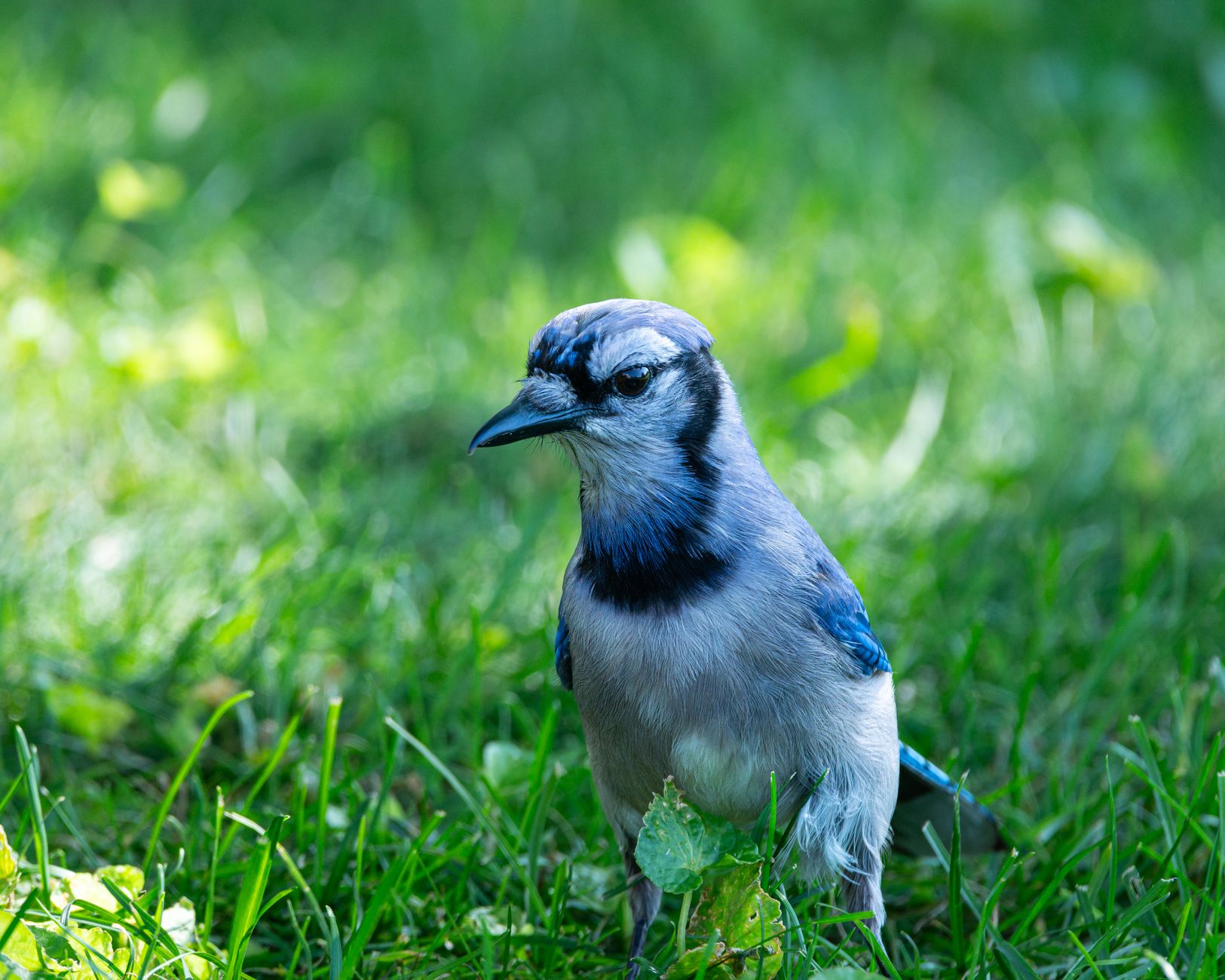
Blue Jays are among the most recognizable and intelligent birds in North America, known for their striking blue plumage and raucous calls. But beyond their vibrant appearance and vocal prowess lies a complex dietary life. What is the favorite food of Blue Jays and how does their diet influence their behavior and the environment? This article delves into the dietary habits of these fascinating birds, exploring their preferred meals, seasonal variations, and the surprising role they play in shaping our forests.
A Foundation of Acorns
The cornerstone of a Blue Jay’s diet, especially during the fall and winter months, is the acorn. These nuts provide a critical source of energy, enabling them to survive the colder seasons when other food sources become scarce. Blue Jays exhibit a remarkable ability to locate, collect, and store acorns, often burying them in caches to retrieve later. This behavior, while primarily driven by survival, has a significant impact on oak tree dispersal.
Is distilled water good for goldfish?
What colours are fish most attracted to?
Can you put your finger in a trout's mouth?
Does aquarium salt raise pH in aquarium?
More Than Just Acorns: A Varied Diet

While acorns are a staple, what is the favorite food of Blue Jays truly depends on availability and season. Blue Jays are opportunistic omnivores, meaning they will consume a wide range of foods to meet their nutritional needs. Their diet includes:
- Insects: Caterpillars, beetles, grasshoppers, and other insects provide essential protein, especially during the breeding season when young birds need to grow rapidly.
- Seeds and Nuts: Sunflower seeds, peanuts, and beechnuts are all readily consumed. Bird feeders offering these items are a sure way to attract Blue Jays.
- Fruits: Berries, grapes, and other fruits offer vitamins and sugars.
- Small Animals: Occasionally, Blue Jays may prey on small vertebrates like baby birds, mice, and eggs. This is less common but demonstrates their adaptability.
- Carrion: They will occasionally scavenge on dead animals.
- Cultivated crops: Corn and other crop seeds when available
Acorn Caching: Nature’s Foresters
The acorn-burying behavior of Blue Jays makes them vital contributors to oak tree regeneration. A single Blue Jay can cache thousands of acorns each year, many of which are never retrieved. These forgotten acorns germinate, leading to new oak saplings. The distance a Blue Jay carries an acorn can be considerable, effectively dispersing oak trees across wider areas.
Seasonal Shifts in Dietary Preference
Blue Jays adapt their diet to the changing seasons and the availability of different food sources.
| Season | Primary Food Sources |
|---|---|
| Spring | Insects (for protein for nesting), seeds, berries. |
| Summer | Insects (especially for feeding young), fruits, seeds. |
| Fall | Acorns (preparing for winter), nuts, seeds. |
| Winter | Acorns (stored cache), seeds, nuts. |
Attracting Blue Jays to Your Yard
If you want to attract Blue Jays to your yard, providing their preferred food sources is key. Offering sunflower seeds, peanuts in the shell, and even planting oak trees are great ways to welcome these beautiful birds.
Potential Problems with Blue Jay Predation
While Blue Jays are generally beneficial, their opportunistic feeding habits can sometimes cause problems. They may raid nests of other birds, consuming eggs or nestlings. They may also damage fruit crops. However, the benefits they provide through acorn dispersal and insect control generally outweigh these negative impacts.
Frequently Asked Questions
Are Blue Jays picky eaters?
No, Blue Jays are not particularly picky eaters. They are opportunistic omnivores that adapt their diet to whatever food is most readily available. While they have preferences, they’re not averse to trying new things.
Do Blue Jays eat other birds?
While it is uncommon, Blue Jays have been known to eat other birds, particularly eggs and nestlings. This behavior is part of their omnivorous diet and opportunistic feeding habits.
What kind of nuts do Blue Jays prefer besides acorns?
Besides acorns, Blue Jays enjoy a variety of nuts, including peanuts (especially in the shell), beechnuts, hazelnuts, and walnuts. They readily accept these nuts from feeders.
How do Blue Jays find their buried acorns?
Blue Jays have an excellent spatial memory that allows them to remember the locations where they buried acorns. They use landmarks and a mental map to relocate their caches, although they don’t always retrieve all of them.
Do Blue Jays migrate?
Some Blue Jays migrate, while others remain in their territories year-round. Migration patterns vary depending on the region and food availability.
Are Blue Jays intelligent birds?
Yes, Blue Jays are considered to be highly intelligent birds. They exhibit complex problem-solving skills, social learning, and vocal mimicry.
How do Blue Jays contribute to the ecosystem?
Blue Jays play a vital role in seed dispersal, particularly for oak trees. Their acorn-burying behavior helps to regenerate forests. They also help to control insect populations.
What sounds do Blue Jays make?
Blue Jays are known for their variety of calls, including their signature “jay-jay” call. They can also mimic the calls of other birds, such as hawks.
Do Blue Jays mate for life?
Blue Jays typically form strong pair bonds that can last for several years, and potentially for life.
What is the lifespan of a Blue Jay?
In the wild, Blue Jays typically live for 5 to 7 years. However, some individuals can live for over 10 years.
How can I protect other birds from Blue Jays in my yard?
Provide ample cover for smaller birds, such as dense shrubs and trees. You can also use bird feeders with cages or baffles that restrict access to larger birds.
What is the main difference between a Blue Jay’s diet in the summer versus the winter?
In the summer, Blue Jays eat more insects and fruits due to their greater availability, while in the winter, they rely heavily on stored acorns and nuts.