

What is the Enemy of the Corals?
The ultimate enemy of corals is a complex interplay of factors, but the most significant threat is climate change, leading to ocean acidification and coral bleaching, while other stressors like pollution and overfishing exacerbate the problem.
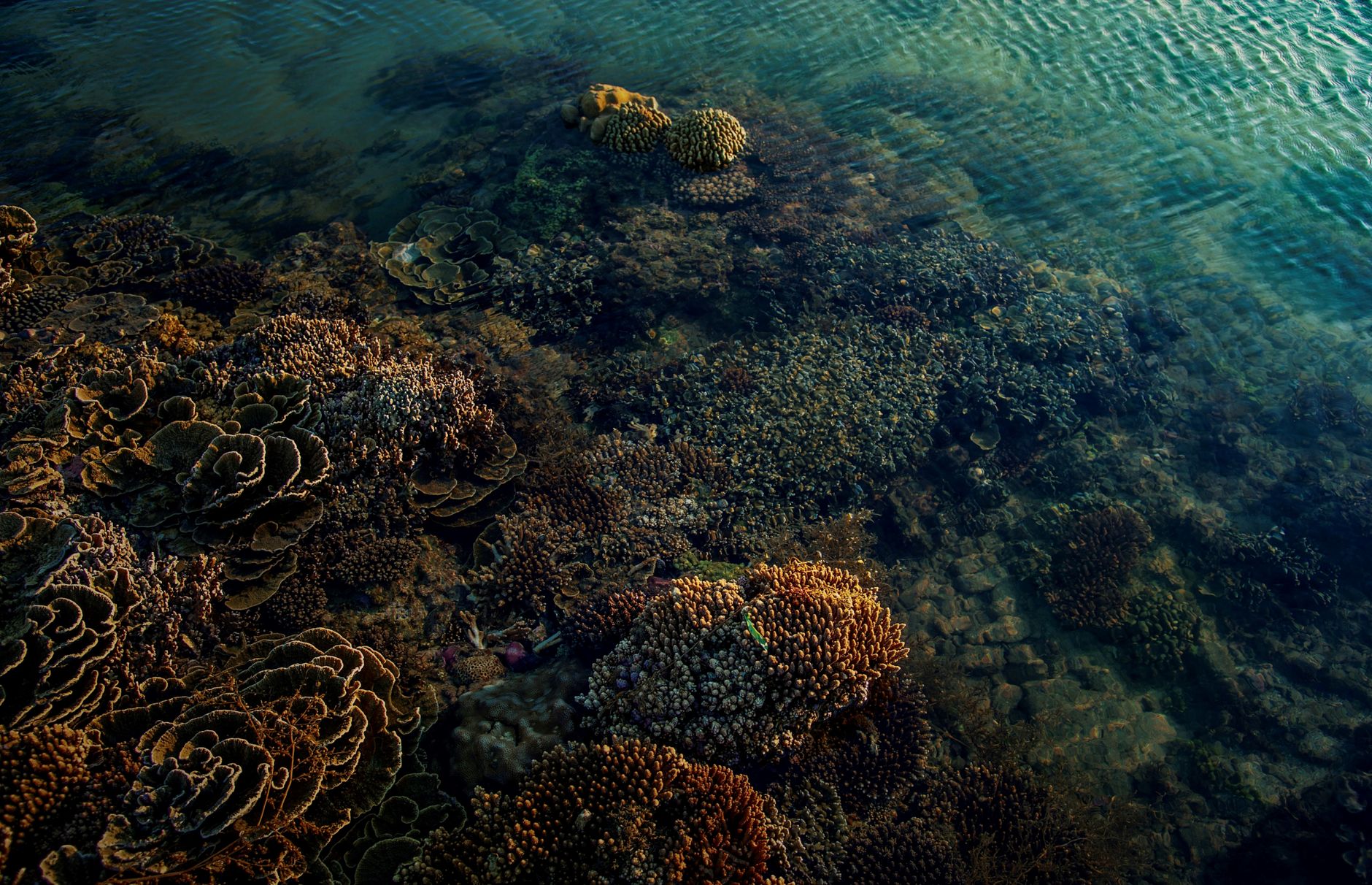
Introduction: A World of Wonder Under Threat
Coral reefs are among the most biodiverse and productive ecosystems on Earth. These vibrant underwater cities provide shelter, food, and breeding grounds for a vast array of marine life, supporting fisheries and coastal communities worldwide. However, these vital ecosystems are facing unprecedented threats, and what is the enemy of the corals? Understanding these enemies is crucial to implementing effective conservation strategies.

What colours are fish most attracted to?
Can you put your finger in a trout's mouth?
Is methylene blue anti bacterial?
Does aquarium salt raise pH in aquarium?
The Primary Enemy: Climate Change and Ocean Acidification

The increase in atmospheric carbon dioxide, largely due to human activities, is the most significant driver of coral reef decline. This excess CO2 dissolves into the ocean, leading to ocean acidification.
- Ocean Acidification: The increased acidity reduces the availability of carbonate ions, which are essential for corals to build their calcium carbonate skeletons. This makes it harder for corals to grow and repair themselves, weakening their structures and making them more vulnerable to other stressors.
- Coral Bleaching: Rising ocean temperatures cause corals to expel the symbiotic algae (zooxanthellae) that live within their tissues and provide them with food and color. This process, known as coral bleaching, leaves the corals pale and stressed. If bleaching is prolonged, the corals can starve and die.
Pollution: A Toxic Cocktail
Pollution from land-based sources poses a significant threat to coral reefs. This includes:
- Nutrient Pollution: Runoff from agriculture and sewage discharge can lead to excessive nutrient levels in the water, causing algal blooms that smother corals and reduce sunlight penetration.
- Sediment Pollution: Soil erosion from deforestation and construction can smother corals and reduce water clarity, hindering photosynthesis.
- Chemical Pollution: Pesticides, herbicides, and industrial chemicals can poison corals and disrupt their biological processes.
- Plastic Pollution: Increasing levels of plastic waste in the ocean can physically damage corals, introduce harmful chemicals, and facilitate the spread of diseases.
Overfishing: Disrupting the Balance
Overfishing can disrupt the delicate balance of coral reef ecosystems.
- Removal of Herbivores: Overfishing of herbivorous fish, such as parrotfish and surgeonfish, allows algae to overgrow corals, leading to their decline. These fish naturally graze on algae, keeping it in check and preventing it from smothering the corals.
- Destructive Fishing Practices: Bottom trawling and dynamite fishing can directly damage or destroy coral reefs.
Disease: A Growing Threat
Coral diseases are becoming increasingly prevalent, driven by factors such as rising ocean temperatures and pollution.
- Black Band Disease: A microbial infection that creates a dark band on coral colonies, destroying tissue.
- White Band Disease: Another microbial infection that causes rapid tissue loss, leaving behind a white skeleton.
- Stony Coral Tissue Loss Disease (SCTLD): A highly virulent disease that has been devastating coral reefs in the Caribbean.
Invasive Species: New Competitors
Invasive species can outcompete native corals for resources and space, disrupting the ecosystem. The Lionfish in the Caribbean is a classic example.
Natural Disasters: Adding Insult to Injury
Hurricanes, cyclones, and other natural disasters can cause significant damage to coral reefs. While corals can recover from these events, the frequency and intensity of these disasters are increasing due to climate change, hindering recovery.
The Interconnectedness of Threats
It is crucial to understand that these threats are interconnected and often act synergistically. For example, corals weakened by ocean acidification are more susceptible to disease and bleaching. Pollution can exacerbate the effects of climate change.
What Can Be Done?
Addressing the enemies of the corals requires a multi-faceted approach:
- Reducing Greenhouse Gas Emissions: The most crucial step is to reduce greenhouse gas emissions to mitigate climate change and ocean acidification.
- Reducing Pollution: Implementing stricter regulations to reduce pollution from land-based sources is essential.
- Sustainable Fishing Practices: Promoting sustainable fishing practices to maintain healthy populations of herbivorous fish and prevent destructive fishing methods.
- Coral Restoration Efforts: Implementing coral restoration projects to help rebuild damaged reefs.
- Marine Protected Areas: Establishing and effectively managing marine protected areas to protect coral reefs from human activities.
- Raising Awareness: Educating the public about the importance of coral reefs and the threats they face.
Table: Major Enemies of Corals and Their Impacts
| Enemy | Impact |
|---|---|
| Climate Change | Ocean acidification, coral bleaching, increased disease susceptibility |
| Pollution | Smothering, toxicity, nutrient imbalances, algal blooms |
| Overfishing | Disrupts food web, allows algal overgrowth, habitat destruction |
| Disease | Tissue loss, coral mortality |
| Invasive Species | Competition for resources, ecosystem disruption |
| Natural Disasters | Physical damage, habitat destruction |
Frequently Asked Questions (FAQs)
What are the most vulnerable types of corals?
Some coral species are more susceptible to bleaching and disease than others. For example, branching corals like Acropora are particularly vulnerable to bleaching, while massive corals like Montastraea are generally more resilient. This variation in vulnerability means that climate change and disease can significantly alter the composition of coral reef ecosystems.
How does sunscreen affect corals?
Many sunscreens contain chemicals like oxybenzone and octinoxate that can be harmful to corals, even at low concentrations. These chemicals can disrupt coral reproduction, damage their DNA, and cause coral bleaching. Choosing reef-safe sunscreens that do not contain these chemicals is an important step in protecting coral reefs.
What is coral gardening, and how does it help?
Coral gardening involves growing coral fragments in nurseries and then transplanting them onto damaged reefs. This technique can help restore degraded reefs and accelerate the recovery process. It also allows scientists to select and propagate coral species that are more resilient to bleaching and disease.
Can corals adapt to climate change?
Some corals possess a degree of resilience and adaptability to climate change. Some corals can host more heat-tolerant algae, and natural selection can favor corals with genes that make them more resistant to bleaching. However, the rate of climate change is outpacing the ability of many corals to adapt.
What is the role of marine protected areas (MPAs) in coral conservation?
MPAs are designated areas where human activities are restricted or prohibited to protect marine ecosystems, including coral reefs. MPAs can help reduce the impact of fishing, pollution, and other stressors on coral reefs, allowing them to recover and thrive.
How does tourism impact coral reefs?
Tourism can have both positive and negative impacts on coral reefs. Responsible tourism can generate revenue that supports conservation efforts and provides sustainable livelihoods for local communities. However, unregulated tourism can lead to physical damage to reefs, pollution from boats and resorts, and increased stress on coral populations.
What is the connection between deforestation and coral reef health?
Deforestation leads to increased soil erosion, which results in sediment runoff into coastal waters. This sediment can smother corals, reduce water clarity, and hinder photosynthesis, all of which are detrimental to coral reef health.
How can I reduce my impact on coral reefs?
There are many ways to reduce your impact on coral reefs, including:
- Reducing your carbon footprint
- Using reef-safe sunscreen
- Avoiding touching or disturbing corals while diving or snorkeling
- Supporting sustainable seafood choices
- Reducing your use of plastics
- Educating yourself and others about the importance of coral reefs
What is the role of citizen science in coral reef monitoring?
Citizen science involves engaging volunteers in scientific research. Citizen scientists can help monitor coral reefs by collecting data on coral cover, fish populations, and water quality. This data can be used to track changes in reef health and inform conservation efforts.
What is the future outlook for coral reefs?
The future of coral reefs is uncertain. While some reefs show signs of resilience, many are declining rapidly due to the combined effects of climate change, pollution, and other stressors. The severity of future coral reef decline will depend on our ability to reduce greenhouse gas emissions and implement effective conservation strategies. What is the enemy of the corals? The key is reducing these enemies.
What is being done to restore coral reefs?
Various restoration methods are being implemented, including:
- Coral nurseries: Growing corals in controlled environments and transplanting them to degraded reefs.
- Artificial reefs: Deploying artificial structures to provide habitat for corals and other marine life.
- Genetic enhancement: Selecting and propagating coral species that are more resilient to bleaching and disease.
How can policymakers help protect coral reefs?
Policymakers can play a critical role in protecting coral reefs by:
- Implementing policies to reduce greenhouse gas emissions
- Enforcing regulations to reduce pollution
- Establishing and managing marine protected areas
- Investing in coral reef research and restoration
- Promoting sustainable tourism and fishing practices