

Decoding Canine Communication: Play Growl vs. Aggressive Growl
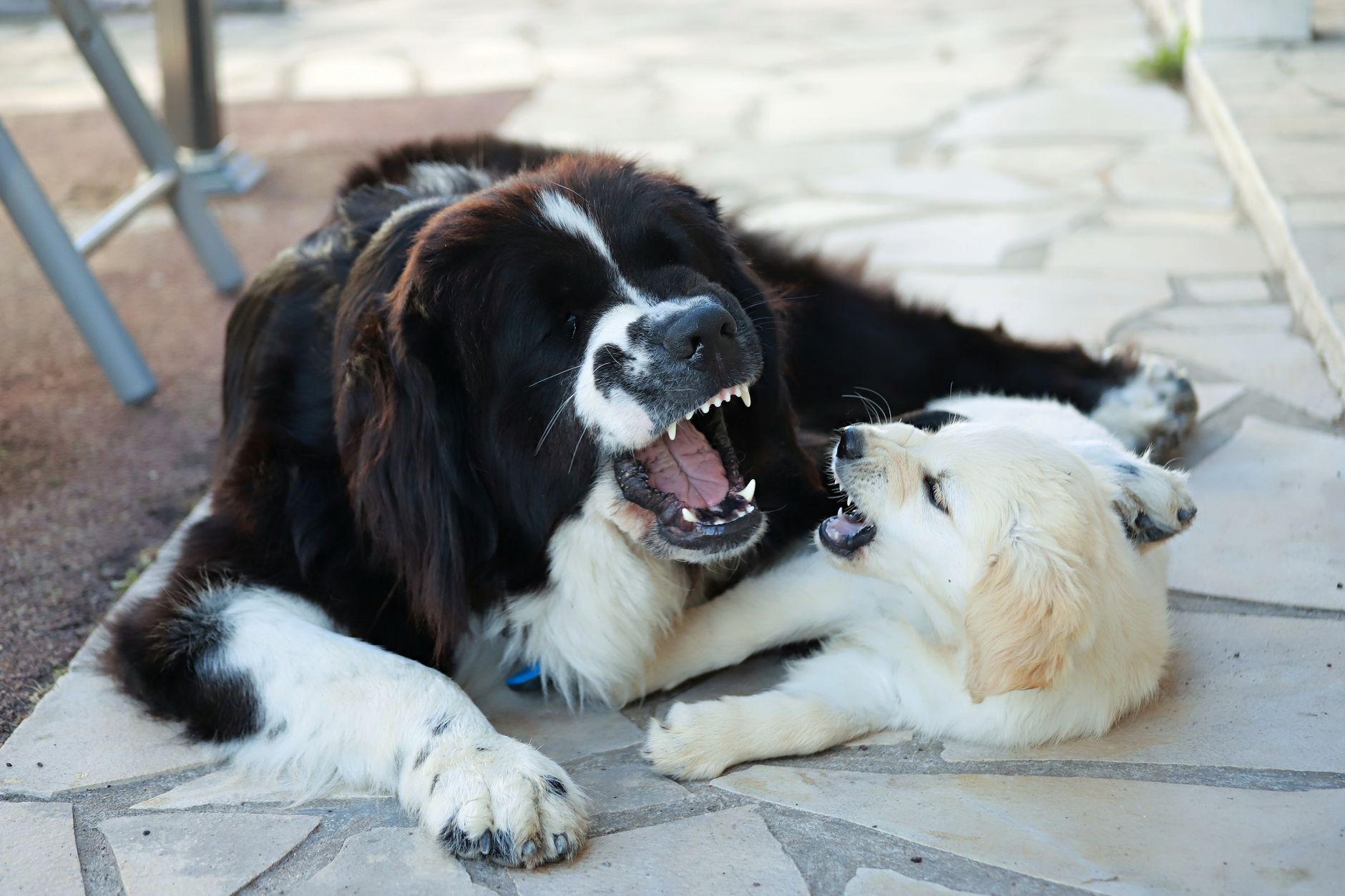
The distinction between a play growl and an aggressive growl hinges on context and accompanying body language: a play growl is often higher-pitched, playful, and accompanied by relaxed body language, signaling engagement, while an aggressive growl is typically lower-pitched, more guttural, and coupled with tense body posture, indicating a threat or warning.
Understanding the Canine Vocal Landscape
Dogs communicate through a complex blend of vocalizations, body language, and scent. Understanding the nuances of their communication is crucial for responsible pet ownership and fostering a positive relationship with your canine companion. Growls, in particular, often cause confusion and anxiety for owners, as they can be interpreted in various ways. What is the difference between a play growl and an aggressive growl? It’s a question that requires careful consideration of the overall picture, not just the sound itself.

What colours are fish most attracted to?
Can you put your finger in a trout's mouth?
Is methylene blue anti bacterial?
Does aquarium salt raise pH in aquarium?
The Anatomy of a Play Growl

Play growls are a common feature of canine play, often occurring during wrestling, tug-of-war, or chase games. They are usually higher-pitched and less intense than aggressive growls. The context is key. Here’s what to look for:
- Relaxed Body Language: A playful dog will typically have a relaxed body posture, with a wagging tail, play bows (lowering the front of their body), and loose facial muscles.
- Playful Behavior: The growl is integrated into a playful interaction. This includes behaviors like nipping, chasing, and wrestling, all done in a lighthearted manner.
- Self-Handicapping: A playful dog will often “self-handicap,” meaning they will deliberately hold back their full strength or speed to allow their playmate to have fun.
- Reciprocity: Play is a two-way street. Both dogs should be actively engaged and enjoying the interaction. If one dog seems uncomfortable or overwhelmed, it’s time to intervene.
The Anatomy of an Aggressive Growl
An aggressive growl is a warning signal indicating that a dog is feeling threatened, fearful, or protective. It is typically lower-pitched, more guttural, and sustained compared to a play growl. Recognizing the accompanying body language is essential for preventing escalation.
- Tense Body Language: An aggressive dog will typically display a tense body posture, with a stiff tail, erect ears, and a furrowed brow.
- Hard Stare: A direct, unwavering stare is often a sign of aggression.
- Raised Hackles: The hair on the dog’s back may stand up (piloerection), indicating arousal and potential aggression.
- Bared Teeth: Showing teeth, especially in combination with other signs of aggression, is a clear warning signal.
- Snapping or Lunging: These are more overt signs of aggression that should be taken very seriously.
Context is King: Disentangling Play from Predation
The environment in which the growling occurs is paramount. For instance, a growl while guarding food is likely an aggressive growl, while a similar-sounding growl during a game of tug-of-war is likely playful. Consider these factors:
- Location: Where is the growling occurring? Is it in a situation where the dog might feel threatened or possessive?
- Trigger: What is causing the growling? Is it a specific person, object, or situation?
- History: Does the dog have a history of aggression or fear?
- Body Language Cluster: Analyze all body language cues in context. One cue by itself is meaningless.
The Importance of Early Intervention
Understanding the difference between a play growl and an aggressive growl is crucial for early intervention. Ignoring warning signs of aggression can lead to more serious incidents, such as biting. Similarly, misinterpreting playful growling as aggression can disrupt healthy canine social interaction.
Table Comparing Play Growl vs Aggressive Growl
| Feature | Play Growl | Aggressive Growl |
|---|---|---|
| Pitch | Higher-pitched, variable | Lower-pitched, guttural |
| Intensity | Less intense, playful | More intense, threatening |
| Body Language | Relaxed, wagging tail, play bows | Tense, stiff tail, bared teeth, hard stare |
| Facial Muscles | Loose, relaxed | Tense, furrowed brow |
| Context | Playful interaction, tug-of-war, chasing | Guarding resources, feeling threatened |
| Overall Message | “I’m having fun!” | “Back off!” or “I’m scared!” |
Frequently Asked Questions
How can I tell if my dog is playing too rough?
If your dog is playing too rough, the other dog will typically display signs of discomfort, such as yelping, tucking their tail, or trying to escape. It’s crucial to intervene if one dog is consistently overwhelming the other.
What should I do if I’m unsure whether my dog is playing or being aggressive?
If you’re unsure, it’s always best to err on the side of caution. Separate the dogs and observe their behavior individually. If they both appear relaxed and happy afterward, it was likely just rough play. If one dog seems anxious or agitated, it may have been a sign of developing aggression.
Can all dogs distinguish between a play growl and an aggressive growl?
Most dogs can distinguish between a play growl and an aggressive growl, but some may be better at it than others. Socialization and experience play a significant role. Dogs that have had positive experiences with other dogs are more likely to be able to interpret their signals accurately.
Is it ever okay for a dog to growl?
Yes! Growling is a form of communication. It can be a warning signal that prevents a bite. It’s essential to understand the context and address the underlying cause of the growl, rather than simply punishing the dog for communicating.
How can I teach my dog to be less aggressive?
Addressing aggression requires a multifaceted approach, often involving professional guidance. It may involve desensitization and counter-conditioning techniques, which gradually expose the dog to the trigger in a controlled environment while associating it with positive experiences. Consulting with a certified dog trainer or veterinary behaviorist is highly recommended.
Are some breeds more prone to aggressive growling?
Some breeds may have a genetic predisposition to certain behaviors, but aggression is ultimately influenced by a combination of genetics, environment, and training. Focusing on proper socialization and training is crucial for all breeds.
What is the difference between a snarl and a growl?
A snarl typically involves showing teeth, while a growl is a vocalization. A snarl is a more overt sign of aggression than a growl, though both can be part of the same sequence of aggressive behavior.
Can puppies exhibit aggressive growling?
Yes, puppies can exhibit aggressive growling, although it’s often related to resource guarding or fear. Early socialization and training are crucial for preventing these behaviors from becoming ingrained.
My dog growls when I try to take his food away. What should I do?
This is called resource guarding, and it’s a common issue. You can address this by gradually associating your presence with positive experiences, such as adding delicious treats to their bowl while they’re eating.
What are some warning signs that a dog fight is about to occur?
Warning signs include stiff body posture, hard stares, raised hackles, growling, snapping, and lip lifting. Intervene carefully, using a loud noise or a water hose to distract the dogs. Never put yourself in harm’s way.
Is it normal for a dog to growl in their sleep?
Sometimes, dogs may growl or twitch in their sleep, which is often related to dreaming. It’s usually not a cause for concern unless it’s accompanied by other concerning behaviors.
How do I know if my dog’s growling is pain-related?
If your dog starts growling suddenly or shows other signs of pain, such as limping, reluctance to move, or sensitivity to touch, it’s important to consult with a veterinarian to rule out any underlying medical conditions.