
What is the Deepest Lake?
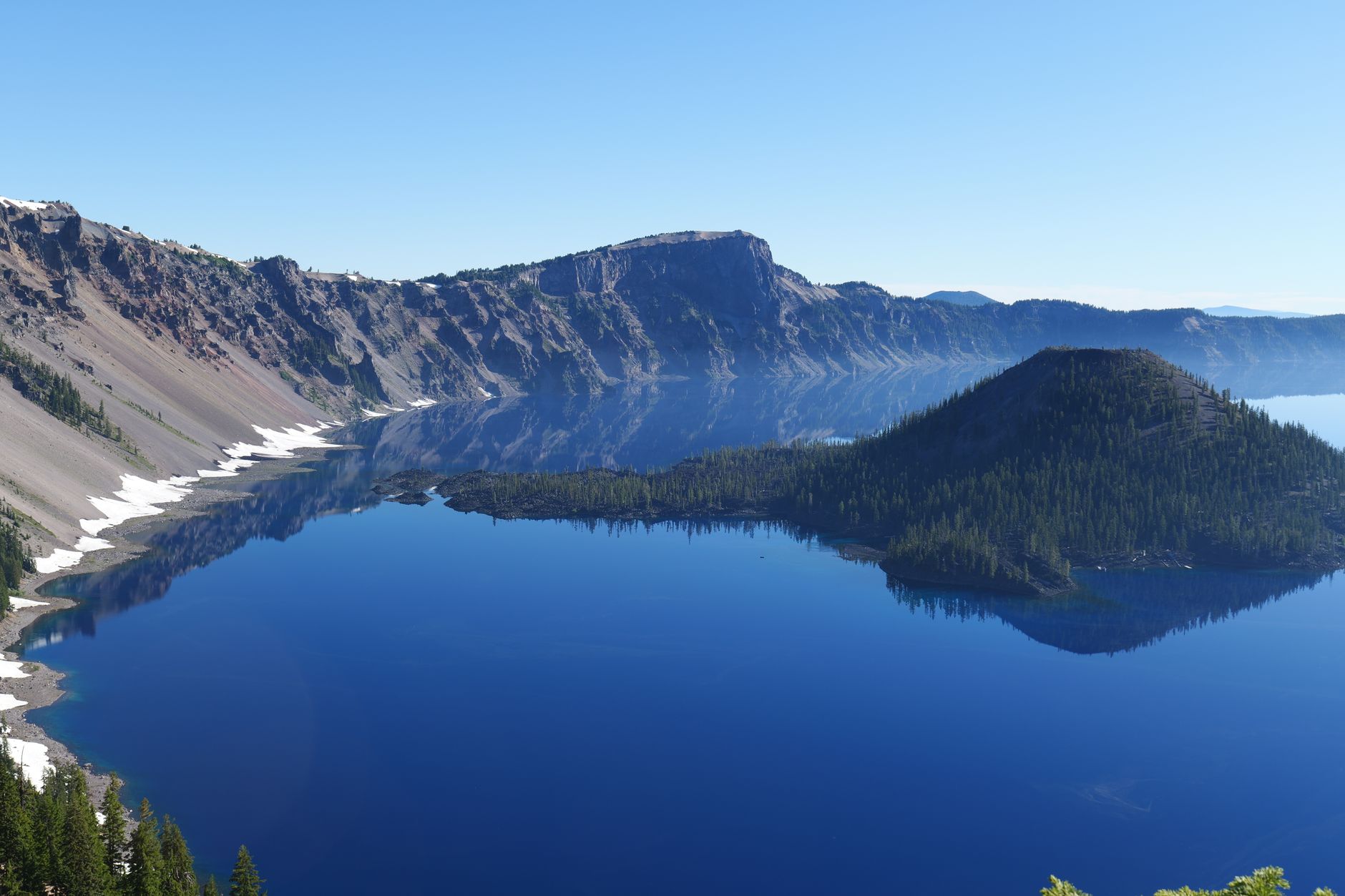
The deepest lake in the world is Lake Baikal, located in Siberia, Russia. Its maximum depth plunges to a staggering 1,642 meters (5,387 feet), holding approximately 22-23% of the world’s fresh surface water.
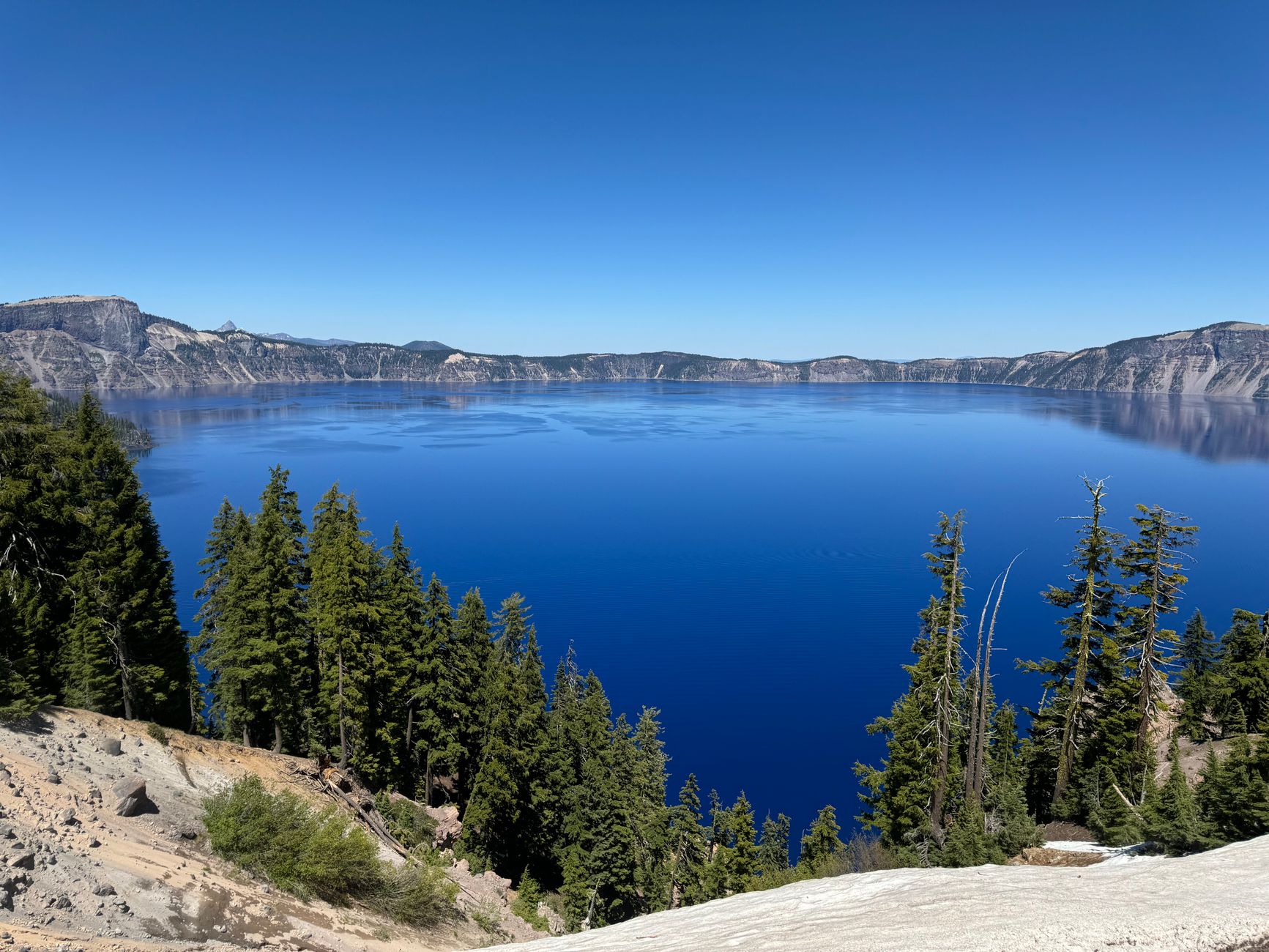
Unveiling Lake Baikal: A Deep Dive
Lake Baikal is not just deep; it’s a biological marvel, a geological enigma, and a reservoir of history. Often called the “Pearl of Siberia,” its crescent shape stretches over 600 kilometers, carved over millions of years by the relentless forces of tectonic activity. Its immense depth makes it not only the deepest but also the oldest lake on Earth, estimated to be between 25 and 30 million years old. This immense timescale has allowed for an unparalleled level of endemism, with thousands of unique species found nowhere else on the planet.
The clarity of Baikal’s water is legendary, sometimes reaching visibility of up to 40 meters. This remarkable transparency is due to a unique combination of factors, including the lake’s oligotrophic (nutrient-poor) nature and the presence of a native crustacean called Epischura baikalensis, which effectively filters the water, consuming algae and bacteria.
The lake’s origin is intrinsically linked to a rift valley, a geological depression formed by the slow separation of tectonic plates. This process continues to this day, causing frequent minor earthquakes and widening the lake at a rate of a few centimeters per year. The surrounding mountains, the Baikal Mountains, provide a dramatic backdrop to this natural wonder, completing a landscape of unparalleled beauty. Lake Baikal truly represents a fascinating intersection of geological forces and biological diversity.
Lake Baikal’s Endemic Wonders
The lake teems with life found nowhere else on Earth. The Baikal seal (Nerpa), the world’s only freshwater seal species, is perhaps the most iconic endemic inhabitant. Its presence in a freshwater lake, hundreds of kilometers from any ocean, is a source of scientific intrigue, with theories suggesting its ancestors migrated up rivers millions of years ago.
Beyond the Baikal seal, the lake is home to an astounding array of unique species. The golomyanka fish, a translucent fish composed of up to 40% oil, is another extraordinary example. This fish is so abundant that it constitutes a significant portion of the lake’s biomass. Hundreds of other endemic invertebrates, including various species of amphipods, flatworms, and snails, further contribute to the lake’s exceptional biodiversity.
This remarkable concentration of unique life forms has earned Lake Baikal a well-deserved designation as a UNESCO World Heritage Site. Protecting this irreplaceable ecosystem is of paramount importance, especially in the face of increasing pressures from pollution and climate change.
Deepest Lakes Beyond Baikal
While Lake Baikal reigns supreme, other lakes boast impressive depths. Lake Tanganyika in Africa is the second deepest, reaching 1,470 meters (4,823 feet). Its vastness and depth contribute to a similar level of biodiversity and endemism as Baikal, albeit with a distinct African flair.
The Caspian Sea, often categorized as a lake due to its landlocked nature and freshwater origins (though now brackish), is the third deepest with a maximum depth of 1,025 meters (3,363 feet). This vast body of water, located between Europe and Asia, also supports a unique ecosystem and holds significant oil and gas reserves.
Frequently Asked Questions (FAQs)
Here are some frequently asked questions about the world’s deepest lakes:
What geological processes created Lake Baikal?
Lake Baikal was formed by the slow separation of tectonic plates, creating a rift valley. This process has been ongoing for millions of years and continues to widen the lake. The rift valley’s formation is responsible for Baikal’s immense depth and length.

What colours are fish most attracted to?
Can you put your finger in a trout's mouth?
Is methylene blue anti bacterial?
Does aquarium salt raise pH in aquarium?
How does Lake Baikal contribute to the global freshwater supply?

Lake Baikal holds approximately 22-23% of the world’s fresh surface water. This vast reserve makes it a crucial resource, especially as freshwater becomes increasingly scarce in many parts of the world.
What are some of the biggest threats to Lake Baikal’s ecosystem?
The biggest threats to Lake Baikal include pollution from industrial and agricultural sources, unsustainable tourism practices, and the impacts of climate change. These factors can degrade water quality, disrupt the delicate balance of the ecosystem, and threaten the survival of endemic species.
How many endemic species live in Lake Baikal?
Lake Baikal is home to thousands of endemic species, meaning they are found nowhere else on Earth. These include the Baikal seal, the golomyanka fish, and numerous species of invertebrates.
What is the water clarity of Lake Baikal, and what contributes to it?
The water clarity of Lake Baikal can reach up to 40 meters. This exceptional transparency is due to the lake’s nutrient-poor nature and the presence of the Epischura baikalensis crustacean, which filters the water.
What makes the Baikal seal unique?
The Baikal seal, or Nerpa, is unique because it is the world’s only freshwater seal species. Its presence in Lake Baikal, far from any ocean, is a scientific puzzle.
Where is Lake Tanganyika located, and why is it important?
Lake Tanganyika is located in East Africa, bordering Tanzania, the Democratic Republic of Congo, Burundi, and Zambia. It is the second deepest lake in the world and is a vital source of freshwater and fish for millions of people. Like Lake Baikal, it also boasts high levels of endemic species.
Is the Caspian Sea a lake or a sea?
The Caspian Sea is often classified as a lake due to its landlocked nature and freshwater origins, although it is now brackish. Its enormous size and depth give it characteristics of both a lake and a sea.
How does climate change affect Lake Baikal?
Climate change poses a significant threat to Lake Baikal. Rising water temperatures can disrupt the ecosystem, alter species distribution, and potentially lead to the decline of endemic species that are adapted to the lake’s cold waters. Changes in ice cover also affect the breeding and feeding patterns of many animals.
What are the main industries surrounding Lake Baikal?
The main industries surrounding Lake Baikal include fishing, tourism, and forestry. Sustainable management of these industries is crucial to minimize their impact on the lake’s fragile ecosystem.
What is the significance of Lake Baikal’s UNESCO World Heritage Site status?
Lake Baikal’s UNESCO World Heritage Site status recognizes its outstanding universal value and emphasizes the importance of protecting it for future generations. It helps raise awareness about the lake’s unique features and encourages responsible tourism and conservation efforts.
Can you swim in Lake Baikal?
Yes, you can swim in Lake Baikal, but be prepared for cold water temperatures, especially during the summer months. While some shallow bays can warm up slightly, the main body of the lake remains cold throughout the year. The best time for swimming is typically July and August.