

What Is the Daily Allergy Pill for Cats?: Relief for Your Feline Friend
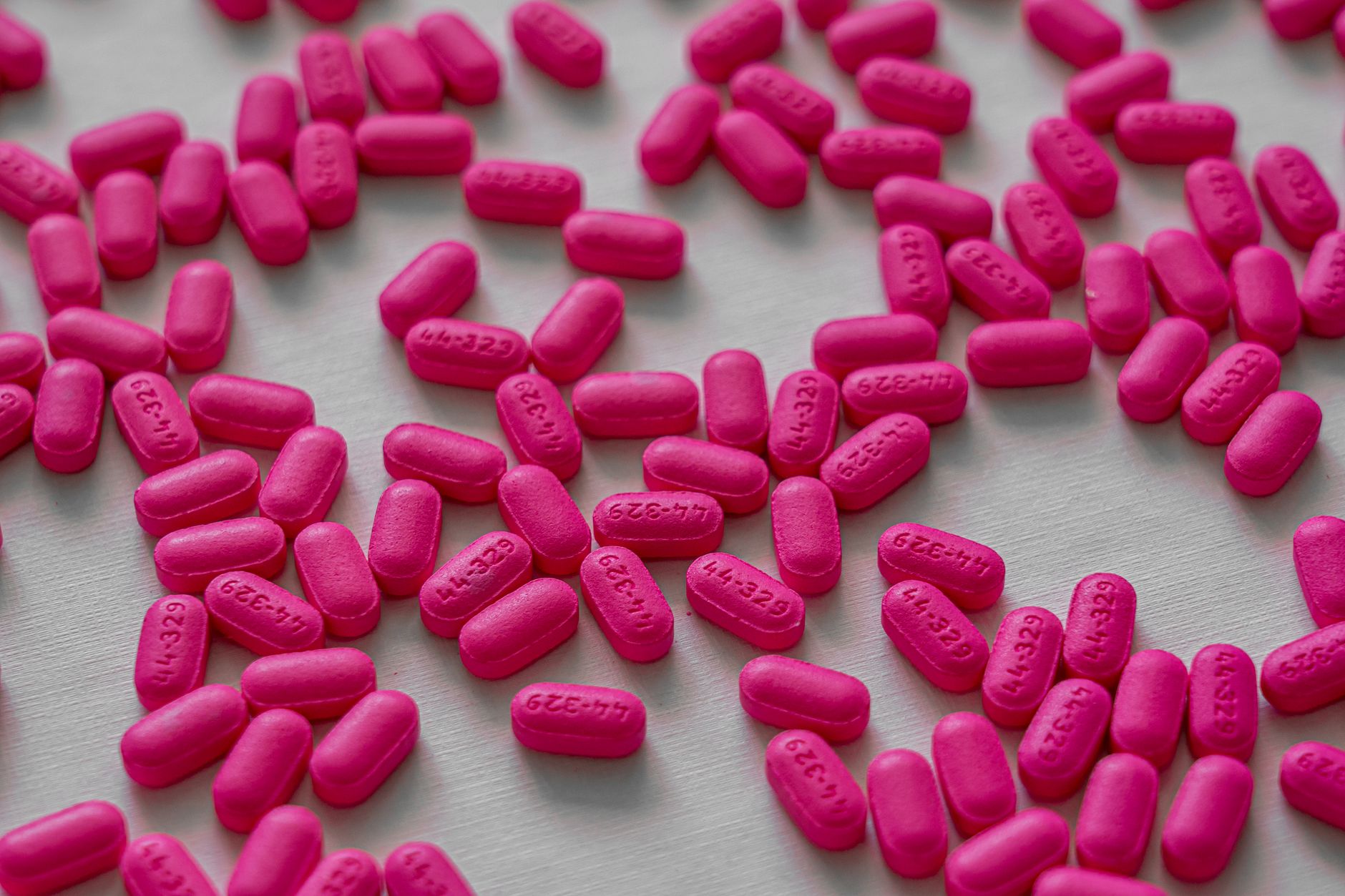
The primary daily allergy pill for cats is an antihistamine, often prescribed to alleviate symptoms like itching, sneezing, and skin irritation. These medications work by blocking the effects of histamine, a chemical released by the body during an allergic reaction.
Understanding Feline Allergies
Feline allergies are more common than many cat owners realize. Identifying and managing these allergies is crucial for ensuring your cat’s health and well-being. Allergies in cats are an overreaction of the immune system to a normally harmless substance, called an allergen. These allergens can be found in food, the environment, or even fleas.

What colours are fish most attracted to?
Can you put your finger in a trout's mouth?
Is methylene blue anti bacterial?
Does aquarium salt raise pH in aquarium?
Common Allergens Affecting Cats

Cats can be allergic to a wide variety of substances. Some of the most common allergens include:
- Fleas: Flea allergy dermatitis is one of the most prevalent allergies in cats.
- Food: Common food allergens include beef, dairy, and fish.
- Environmental allergens: These include pollen, mold, dust mites, and grasses.
Symptoms of Allergies in Cats
Recognizing allergy symptoms is the first step in seeking treatment. Common signs of allergies in cats include:
- Excessive scratching, licking, or biting of the skin.
- Hair loss, particularly around the head, neck, and groin.
- Skin rashes, bumps, or redness.
- Sneezing, coughing, or wheezing.
- Runny nose or eyes.
- Vomiting or diarrhea (more common with food allergies).
Types of Daily Allergy Pills for Cats
When considering what is the daily allergy pill for cats?, several options are available, each with its own benefits and potential side effects. Consulting with a veterinarian is essential to determine the most appropriate medication for your cat’s specific needs.
- Antihistamines: The most common type of allergy pill, such as chlorpheniramine maleate and diphenhydramine.
- Corticosteroids: These are powerful anti-inflammatory drugs often used for short-term relief of severe allergy symptoms. Due to potential side effects, they are typically not used for long-term daily use.
- Omega-3 Fatty Acids: These can help reduce inflammation and improve skin health, potentially alleviating allergy symptoms. They are often used as a complementary therapy.
Administering Allergy Pills to Cats
Giving pills to cats can be challenging. Here are some tips for successful administration:
- Pill Pockets: These treats are designed to conceal pills and make them more palatable.
- Compounding: A compounding pharmacy can create flavored medications that are easier for cats to take.
- Direct Administration: Gently hold your cat’s head and open their mouth, placing the pill at the back of their tongue. Follow with a small amount of water to help them swallow.
Potential Side Effects of Allergy Pills
Like all medications, allergy pills can have side effects. It’s crucial to be aware of these and monitor your cat closely. Common side effects include:
- Drowsiness: Especially with antihistamines.
- Dry mouth: Which may lead to increased water consumption.
- Increased appetite: More common with corticosteroids.
- Behavioral changes: In rare cases.
The Importance of Veterinary Consultation
It is absolutely critical to consult with a veterinarian before starting any allergy medication for your cat. Your vet can perform allergy testing to identify the specific allergens affecting your cat and recommend the most appropriate treatment plan. Determining what is the daily allergy pill for cats? that is safe and effective requires professional guidance.
Diagnosing Allergies in Cats
Diagnosing allergies in cats typically involves a combination of physical examination, medical history, and allergy testing. Two main types of allergy tests are used:
- Intradermal skin testing: Involves injecting small amounts of allergens under the skin to observe for reactions. This is considered the “gold standard” for allergy testing.
- Blood tests (serum allergy testing): Measures the levels of allergen-specific antibodies in the blood. While convenient, these tests are generally considered less accurate than intradermal skin testing.
Complementary Therapies for Feline Allergies
In addition to medication, several complementary therapies can help manage feline allergies:
- Frequent bathing: Removes allergens from the skin. Use a hypoallergenic shampoo recommended by your veterinarian.
- Dietary changes: Switching to a hypoallergenic or limited-ingredient diet can help manage food allergies.
- Air purifiers: Can help remove allergens from the air.
- Regular flea control: Essential for preventing flea allergy dermatitis.
Cost of Daily Allergy Pills for Cats
The cost of daily allergy pills for cats can vary depending on the type of medication, dosage, and pharmacy. Antihistamines are generally less expensive than corticosteroids. Discussing cost considerations with your veterinarian is important to find an affordable and effective treatment option. Compounding medications into flavored liquids can also affect the cost.
Long-Term Management of Feline Allergies
Managing feline allergies is often a long-term process. Regular veterinary checkups and ongoing monitoring are essential to ensure your cat’s well-being. Be prepared to adjust your cat’s treatment plan as needed based on their response to medication and changes in their environment. Identifying and minimizing exposure to allergens is key to preventing allergy flare-ups.
Benefits of Daily Allergy Pills
The benefits of a daily allergy pill for cats include significantly improved quality of life, reduced itching and discomfort, and prevention of secondary skin infections. By managing allergy symptoms, these medications can help your cat live a happier and healthier life. They can also minimize the need for more aggressive treatments like corticosteroids, with their associated risks.
Frequently Asked Questions About Allergy Pills for Cats
What is the most common allergy pill prescribed for cats?
The most common type of allergy pill prescribed for cats is an antihistamine, such as chlorpheniramine maleate or diphenhydramine. These medications help to block the effects of histamine, a chemical released by the body during an allergic reaction, thereby reducing symptoms like itching and sneezing.
Are allergy pills safe for all cats?
While allergy pills are generally safe for cats, it’s crucial to consult with a veterinarian before starting any medication. Some cats with underlying health conditions, such as heart disease or kidney disease, may be more susceptible to side effects. A veterinarian can assess your cat’s individual health and determine the most appropriate and safe treatment plan.
How long does it take for allergy pills to work in cats?
The time it takes for allergy pills to work in cats can vary depending on the individual cat, the type of allergy, and the specific medication used. Some cats may experience relief within a few hours, while others may take several days or even weeks to show significant improvement. Regular monitoring and communication with your veterinarian are important.
Can I use human allergy pills for my cat?
It is generally not recommended to use human allergy pills for cats without consulting a veterinarian. Many human medications can be toxic to cats, and even those that are considered safe may require different dosages and formulations. Always seek professional veterinary advice before administering any medication to your cat.
What are the long-term effects of giving my cat allergy pills?
The long-term effects of giving your cat allergy pills can vary depending on the type of medication and the individual cat. Some antihistamines can cause drowsiness or dry mouth, while long-term use of corticosteroids can lead to more serious side effects, such as increased appetite, weight gain, and an increased risk of infections.
What are the signs that my cat is having an allergic reaction to the allergy pill?
Signs that your cat is having an allergic reaction to an allergy pill can include difficulty breathing, swelling of the face or throat, hives, vomiting, diarrhea, or seizures. If you observe any of these signs, seek immediate veterinary attention.
Can allergy pills cure my cat’s allergies?
Allergy pills typically do not cure allergies but rather help to manage the symptoms. They work by blocking the effects of histamine and reducing inflammation, providing relief from itching, sneezing, and other allergy-related symptoms. Identifying and avoiding the specific allergens affecting your cat is crucial for long-term management.
What other treatments can be used in conjunction with allergy pills for cats?
Other treatments that can be used in conjunction with allergy pills for cats include specialized diets, topical medications, allergy shots (immunotherapy), and environmental control measures. Your veterinarian can help you develop a comprehensive treatment plan that addresses all aspects of your cat’s allergies.
How do I store allergy pills for my cat?
Store allergy pills for your cat in a cool, dry place, away from direct sunlight and moisture. Keep them out of reach of children and pets. Always follow the storage instructions provided on the medication label.
Are there any natural alternatives to allergy pills for cats?
Some natural alternatives to allergy pills for cats include omega-3 fatty acids, herbal remedies, and acupuncture. However, it’s important to note that the effectiveness of these alternatives may vary, and it’s crucial to consult with a veterinarian before trying any new treatments.
What is the difference between prescription and over-the-counter allergy pills for cats?
Prescription allergy pills for cats are typically stronger and more targeted than over-the-counter options. They may also contain different ingredients or formulations that are more effective for treating feline allergies. Over-the-counter medications may be suitable for mild allergy symptoms, but it’s always best to consult with a veterinarian to determine the most appropriate treatment.
What should I do if I miss a dose of my cat’s allergy pill?
If you miss a dose of your cat’s allergy pill, give it as soon as you remember, unless it is almost time for the next scheduled dose. In that case, skip the missed dose and resume the regular dosing schedule. Do not double the dose to make up for a missed one. Consult with your veterinarian if you have any questions or concerns.