

What is the Common Name for Cabezon? Unveiling the Fish’s True Identity
The common name for cabezon is, unsurprisingly, cabezon. While it may seem redundant, the name, derived from the Spanish word for “large-headed,” aptly describes this distinctive fish and is widely used along the Pacific Coast.

Understanding the Cabezon: A Deep Dive into its World
The cabezon (Scorpaenichthys marmoratus) is a fascinating and ecologically important fish found in the cool, rocky waters of the Pacific Coast of North America. Knowing what is the common name for cabezon? is only the beginning. Let’s delve deeper into its biology, habitat, and significance.

What colours are fish most attracted to?
Can you put your finger in a trout's mouth?
Is methylene blue anti bacterial?
Does aquarium salt raise pH in aquarium?
Cabezon Characteristics and Identification
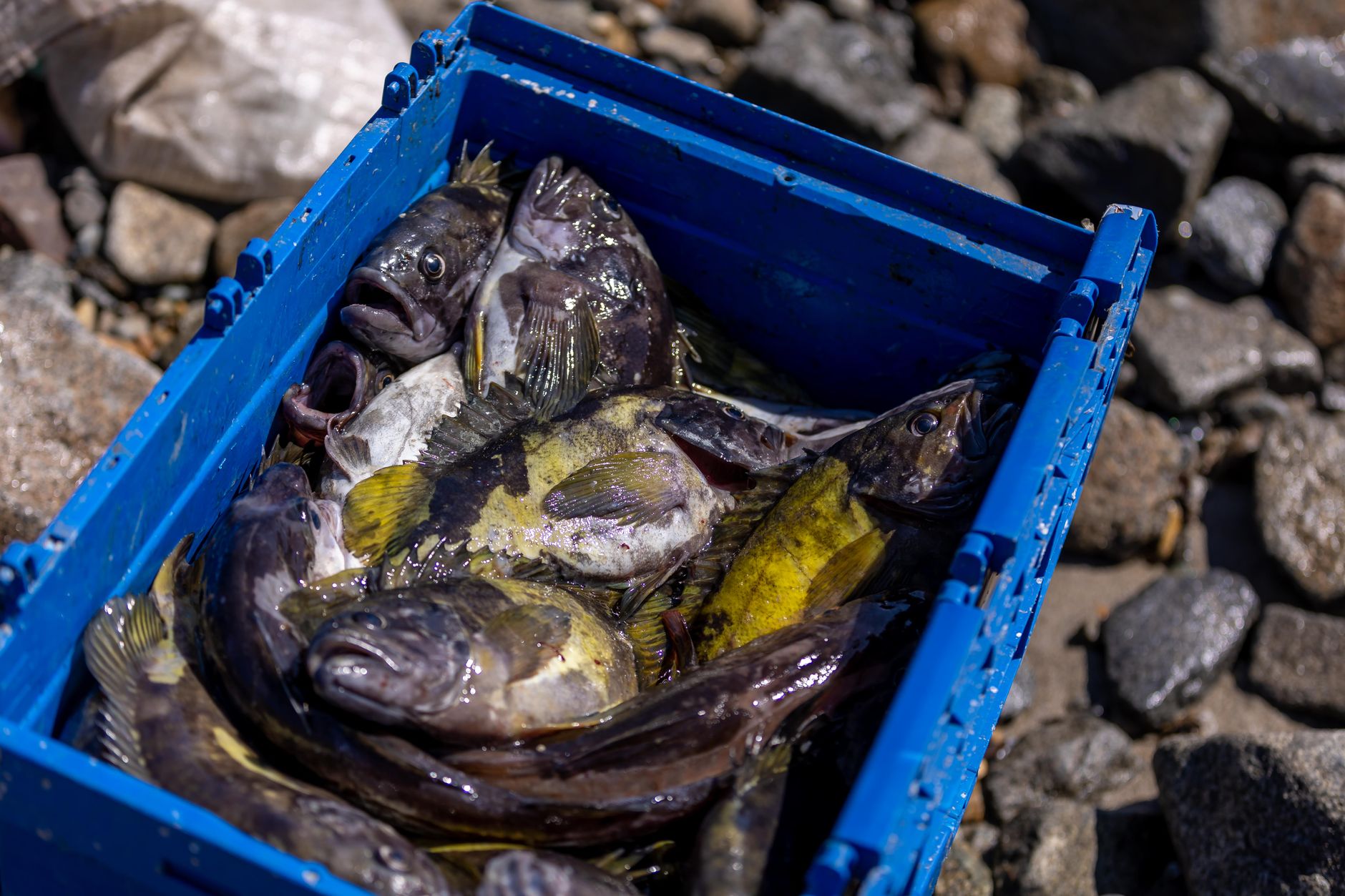
The cabezon is a member of the sculpin family, known for its large, bony head and mottled coloration. Here’s what sets them apart:
- Size: They can grow to impressive lengths, reaching over 25 inches and weighing up to 25 pounds.
- Coloration: Their mottled skin provides excellent camouflage amongst the rocks and seaweed of their habitat. Colors vary from greenish-brown to reddish-brown, and even bluish.
- Head: As the name suggests, their head is large and prominent, accounting for a significant portion of their body length.
- Cirri: They have fleshy flaps, called cirri, above their eyes and nostrils, which are thought to aid in camouflage and sensory perception.
- Fin Spines: They have strong, sharp spines on their dorsal fin, which can deliver a painful sting.
Habitat and Distribution
The cabezon thrives in the intertidal and subtidal zones of the Pacific Coast, ranging from Alaska to Baja California. Their preferred habitat includes:
- Rocky reefs: These provide shelter and ample feeding opportunities.
- Kelp forests: The dense kelp canopy offers protection from predators and strong currents.
- Tide pools: Younger cabezon are often found in tide pools, where they can hunt for small invertebrates.
Diet and Feeding Habits
Cabezon are opportunistic predators with a varied diet that includes:
- Crustaceans: Crabs, shrimp, and barnacles are staples in their diet.
- Mollusks: Snails, clams, and mussels are also consumed.
- Fish: Smaller fish are occasionally preyed upon.
- Echinoderms: Sea urchins and starfish sometimes make up part of their diet.
Fishing for Cabezon: Regulations and Responsible Practices
While cabezon are popular among anglers, it’s crucial to be aware of fishing regulations and practice responsible fishing habits. These regulations vary by region but typically include:
- Size limits: To protect juvenile fish and ensure sustainable populations.
- Bag limits: To limit the number of cabezon that can be harvested per day.
- Seasonal closures: To protect spawning populations during critical periods.
It’s also important to practice catch-and-release when possible, especially for larger, breeding-age fish. Always check local regulations before fishing for cabezon.
Ecological Role of the Cabezon
Cabezon play a vital role in the nearshore ecosystem. As predators, they help control populations of invertebrates and smaller fish, contributing to the overall health and balance of the marine environment. They are also a food source for larger predators, such as seals and sea lions.
Cabezon Culinary Uses
The cabezon is considered a delectable fish, with firm, white flesh. It can be prepared in a variety of ways:
- Grilled: The firm texture holds up well on the grill.
- Baked: A simple and healthy way to cook cabezon.
- Fried: A classic preparation method.
- In stews and chowders: Its flavor complements other seafood.
It is important to note that the roe of the cabezon is toxic and should never be consumed. This toxicity is due to the presence of a compound called tetrodotoxin, the same toxin found in pufferfish. Proper cleaning and preparation are essential to ensure safe consumption of cabezon flesh.
Frequently Asked Questions (FAQs) About Cabezon
What does “cabezon” mean in Spanish?
The word “cabezon” comes from the Spanish language and directly translates to “large-headed” or “big-headed.” This is a very descriptive feature of the fish and is why it is commonly referred to by this name.
Are cabezon venomous or poisonous?
Cabezon themselves are not venomous, meaning they don’t inject toxins. However, they possess sharp spines on their dorsal fin that can inflict a painful puncture wound. The cabezon roe is highly poisonous due to the presence of tetrodotoxin and should never be consumed.
Where is the best place to catch cabezon?
The best places to catch cabezon are along the Pacific Coast of North America, particularly in rocky reef areas, kelp forests, and around jetties and pilings. Popular fishing locations include coastal areas of California, Oregon, Washington, and British Columbia.
What bait is most effective for catching cabezon?
Cabezon are opportunistic feeders, so a variety of baits can be effective. Popular choices include live or dead baitfish, crabs, shrimp, squid, and artificial lures like swimbaits and jigs. Matching the bait to the local prey can increase your chances of success.
How can I distinguish between a male and female cabezon?
Distinguishing between male and female cabezon can be challenging, but there are subtle differences. Males tend to have larger heads and brighter coloration, especially during spawning season. They also have more pronounced cirri above their eyes.
What is the lifespan of a cabezon?
Cabezon are relatively long-lived fish, with some individuals reaching ages of 20 years or more. Their lifespan can be influenced by factors such as habitat quality, fishing pressure, and food availability.
Are cabezon populations threatened?
While cabezon populations are not currently considered threatened, they are vulnerable to overfishing and habitat degradation. Sustainable fishing practices and habitat conservation efforts are essential to ensure the long-term health of cabezon populations.
Can cabezon change color?
Yes, cabezon are capable of changing color to blend in with their surroundings. This ability helps them camouflage themselves from predators and ambush prey. The color change is facilitated by specialized pigment cells in their skin called chromatophores.
What is the difference between cabezon and lingcod?
Although they are often found in similar habitats and are both popular sport fish, cabezon and lingcod are different species. Cabezon belong to the sculpin family, while lingcod belong to the greenling family. Lingcod are generally larger and have a more elongated body shape compared to the cabezon’s large head and mottled appearance.
What is the best time of year to fish for cabezon?
The best time of year to fish for cabezon varies depending on the location, but generally the fall and winter months can be productive. Cabezon often move to shallower waters to spawn during this time, making them more accessible to anglers. Always check local fishing regulations for seasonal closures.
Is it safe to eat cabezon that have been caught in polluted waters?
Eating cabezon caught in polluted waters can pose health risks, as they can accumulate contaminants such as heavy metals and PCBs in their flesh. It’s best to avoid consuming cabezon from areas known to have high levels of pollution. Check with local health authorities for advisories on fish consumption.
What is the most important thing to remember when handling a cabezon?
The most important thing to remember when handling a cabezon is to be aware of their sharp spines on the dorsal fin. These spines can inflict a painful puncture wound. Handle them carefully using gloves or a fish gripper. The correct way to handle them is to gently but firmly grip them around the body, avoiding contact with the spines.
What is the common name for cabezon? is a question answered here by a thorough breakdown of this fascinating fish.