

What is the Best String Algae Killer?
The best string algae killer depends on the specific situation and preferences, but generally, algaecides containing hydrogen peroxide or enzymes provide effective and targeted control while minimizing harm to other aquatic life and the environment.
Understanding String Algae: A Pesky Pond Invader
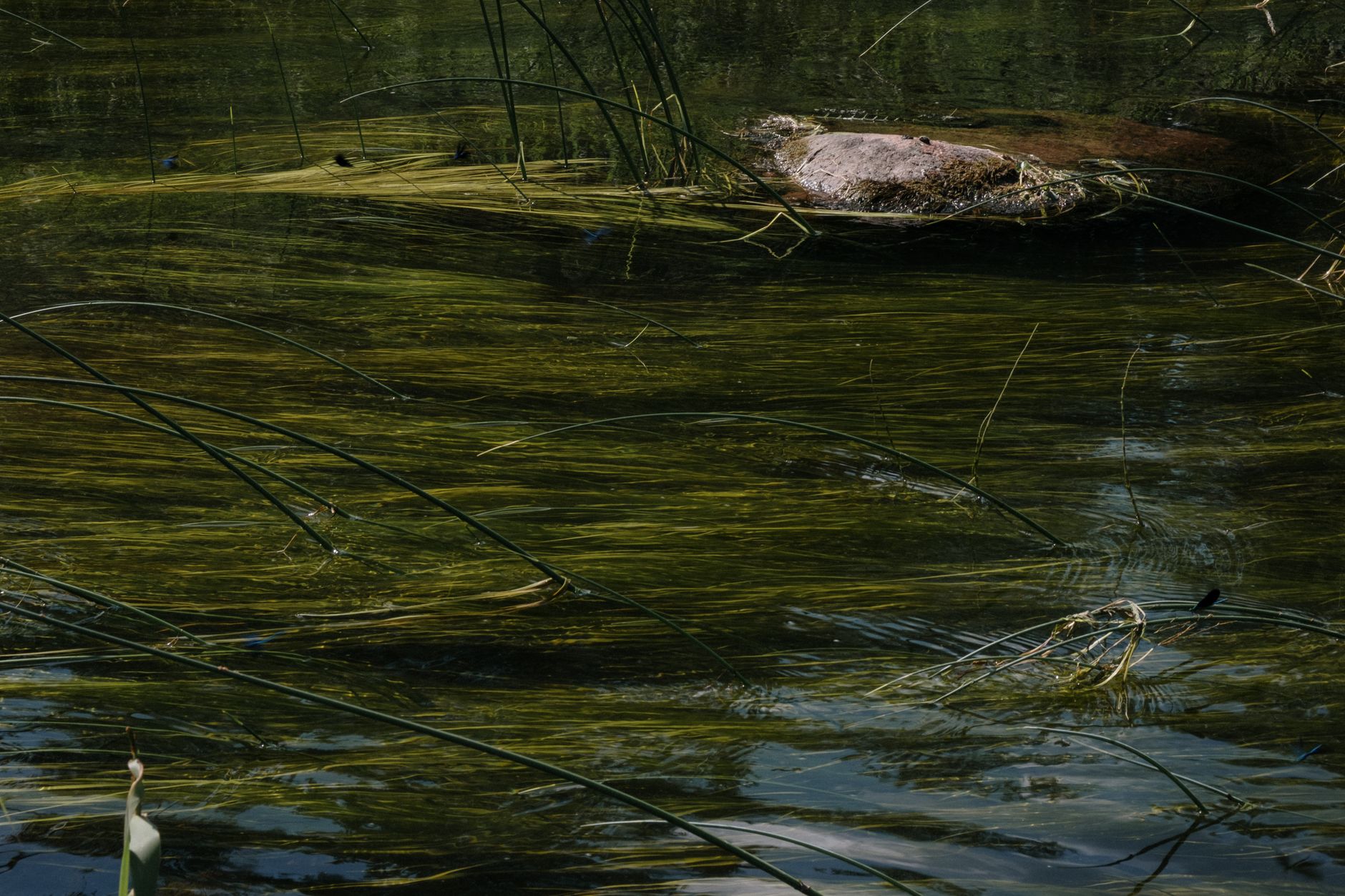
String algae, also known as filamentous algae, is a common nuisance in ponds, lakes, and even aquariums. It forms long, unsightly strands that can quickly choke out other aquatic life, block sunlight, and reduce oxygen levels. Understanding its growth and the factors that contribute to its proliferation is the first step in finding what is the best string algae killer for your specific situation.

What colours are fish most attracted to?
Can you put your finger in a trout's mouth?
Is methylene blue anti bacterial?
Does aquarium salt raise pH in aquarium?
Factors Fueling String Algae Growth
Several factors contribute to the growth of string algae:
- Excess Nutrients: High levels of nitrates and phosphates, often from decaying organic matter, fertilizers, or animal waste, provide the fuel for algae blooms.
- Sunlight: Abundant sunlight fuels photosynthesis, enabling rapid algae growth.
- Warm Water Temperatures: Warmer water accelerates algae growth rates.
- Still or Slow-Moving Water: Stagnant water allows algae to thrive without competition.
- Imbalances in Water Chemistry: Factors like pH and alkalinity can affect algae growth.
Types of String Algae Killers: Chemical, Biological, and Physical
Choosing what is the best string algae killer requires understanding the available options. There are three primary categories: chemical algaecides, biological controls, and physical removal methods. Each has its advantages and disadvantages.
- Chemical Algaecides: These offer a quick fix by directly killing the algae. Popular options include those based on copper sulfate, hydrogen peroxide, or other active ingredients. However, they can also harm beneficial bacteria and other aquatic life if not used carefully.
- Biological Controls: These rely on natural processes to control algae growth. Examples include adding beneficial bacteria to outcompete algae for nutrients or introducing algae-eating fish.
- Physical Removal: This involves manually removing the algae with nets, rakes, or other tools. It is a labor-intensive method but avoids the use of chemicals.
Evaluating Chemical Algaecides: Pros and Cons
Chemical algaecides are often the quickest way to get rid of string algae, but they must be used with caution. Here’s a breakdown of common types and considerations:
| Algaecide Type | Pros | Cons | Considerations |
|---|---|---|---|
| :——————— | :————————————————————————————————- | :—————————————————————————————————————- | :——————————————————————————————————————————————- |
| Copper Sulfate | Effective at killing a wide range of algae. Relatively inexpensive. | Can be toxic to fish and other aquatic life, especially in acidic water. Can accumulate in sediment. | Use with caution. Monitor water pH and alkalinity. Consider chelated copper products, which are less toxic. |
| Hydrogen Peroxide | Relatively safe for fish and other aquatic life when used as directed. Breaks down quickly. | May require multiple applications. Less effective on some types of algae. | Follow label instructions carefully. Aerate the water after application. Good choice for smaller infestations. |
| Enzyme-Based Algaecides | Targets algae specifically by disrupting their cell structure. Safe for fish, plants, and wildlife. | Can be slower acting than other algaecides. May not be effective on all types of algae. | Requires regular application for optimal results. Works best as a preventative measure or for treating mild infestations. |
| Diquat Dibromide | Highly effective on various aquatic weeds and algae. | Can be harmful to fish and other aquatic life, particularly if overdosed. Requires specific application equipment. | Use only by trained professionals. Strictly adhere to label instructions. Limited use in residential ponds due to environmental concerns. |
Biological Controls: A Natural Approach
Biological controls offer a more sustainable and environmentally friendly approach to algae control. While they may not provide instant results, they can create a balanced ecosystem that is less prone to algae blooms.
- Beneficial Bacteria: These bacteria consume excess nutrients, reducing the food source for algae.
- Algae-Eating Fish: Grass carp are known for their voracious appetite for string algae. However, their use is regulated in many areas and should be carefully considered.
- Barley Straw: As barley straw decomposes, it releases chemicals that inhibit algae growth.
Physical Removal: A Hands-On Solution
Physical removal involves manually removing the string algae. This is a labor-intensive process, but it can be effective for small ponds or localized infestations.
- Nets and Rakes: Use these tools to scoop out the algae from the water.
- Pond Vacuums: These specialized vacuums can remove algae and debris from the bottom of the pond.
- Manual Weeding: For smaller ponds, you can pull the algae out by hand.
Preventing Future String Algae Blooms
Prevention is the key to long-term algae control. By addressing the underlying causes of algae growth, you can create a healthier and more balanced aquatic ecosystem.
- Reduce Nutrient Input: Minimize the use of fertilizers near the pond. Remove decaying organic matter regularly.
- Improve Water Circulation: Use a fountain or aeration system to keep the water moving.
- Maintain Proper Water Chemistry: Test the water regularly and adjust pH and alkalinity as needed.
- Plant Aquatic Plants: Aquatic plants compete with algae for nutrients and provide shade.
Frequently Asked Questions
What is the best string algae killer for ponds with fish?
When fish are present, algaecides containing hydrogen peroxide or enzymes are generally considered the safest options. They are less likely to harm fish and other aquatic life when used according to the label instructions. Always aerate the water after application to ensure adequate oxygen levels for the fish.
How often should I apply string algae killer?
The frequency of application depends on the specific product and the severity of the algae bloom. Follow the label instructions carefully. Some products require multiple applications, while others offer longer-lasting control. Regular monitoring of the pond is crucial to detect early signs of algae growth and prevent future blooms.
Can I use too much string algae killer?
Yes, overusing any algaecide can be harmful to fish, plants, and other aquatic life. Always follow the label instructions carefully and use the recommended dosage. Excessive use can also disrupt the natural balance of the pond ecosystem.
Are natural string algae killers effective?
Yes, natural string algae killers like beneficial bacteria, barley straw, and algae-eating fish can be effective, especially as preventative measures or for managing mild to moderate algae blooms. They work by reducing nutrient levels, inhibiting algae growth, and consuming algae, respectively. However, they may take longer to produce results than chemical algaecides.
What is the role of aeration in string algae control?
Aeration plays a critical role in string algae control by increasing oxygen levels in the water, which benefits fish and other aquatic life. It also helps to reduce nutrient stratification and improve water circulation, making it more difficult for algae to thrive. Aeration can be achieved through fountains, waterfalls, or subsurface aeration systems.
How can I prevent string algae from coming back?
To prevent string algae from returning, focus on addressing the underlying causes of algae growth. This includes reducing nutrient input, improving water circulation, maintaining proper water chemistry, and introducing beneficial bacteria and aquatic plants. Regular pond maintenance is essential for long-term algae control.
What is the best time of year to treat string algae?
The best time to treat string algae is early in the growing season, before it has a chance to spread and become a major problem. Spring is often a good time to start treatment, as water temperatures begin to rise and algae growth accelerates.
Can string algae kill my fish?
While string algae itself is not directly toxic to fish, large blooms can deplete oxygen levels in the water, which can suffocate fish. Additionally, the algae can trap fish and interfere with their movement and feeding. It’s vital to manage algae growth to maintain a healthy aquatic environment for fish.
Are some string algae killers harmful to plants?
Some algaecides, especially those containing copper sulfate, can be harmful to aquatic plants if used improperly. Always read the label instructions carefully and use the recommended dosage. Algaecides that are designed to target algae specifically, such as enzyme-based products, are generally safer for plants.
How do I test my pond water for nutrients?
You can purchase pond water testing kits at most aquarium or pond supply stores. These kits allow you to test for common nutrients like nitrates and phosphates, as well as pH and alkalinity. Regular water testing is essential for monitoring water quality and identifying potential problems before they escalate.
What are the environmental impacts of using chemical algaecides?
The environmental impacts of chemical algaecides can vary depending on the specific product. Some algaecides, like copper sulfate, can accumulate in sediment and harm aquatic life. Others, like hydrogen peroxide, break down quickly and have a minimal environmental impact. It’s essential to choose algaecides that are environmentally friendly and use them responsibly.
What other types of algae can I prevent with these methods?
Many of the same methods used to control string algae can also be effective at preventing other types of algae, such as green water algae (single-celled algae that turns the water green), blue-green algae (cyanobacteria), and blanketweed. Addressing the underlying causes of algae growth and maintaining a balanced aquatic ecosystem will help to prevent a wide range of algae problems.
By understanding the factors that contribute to string algae growth and the various control methods available, you can choose what is the best string algae killer for your specific needs and create a healthy and beautiful aquatic environment.