
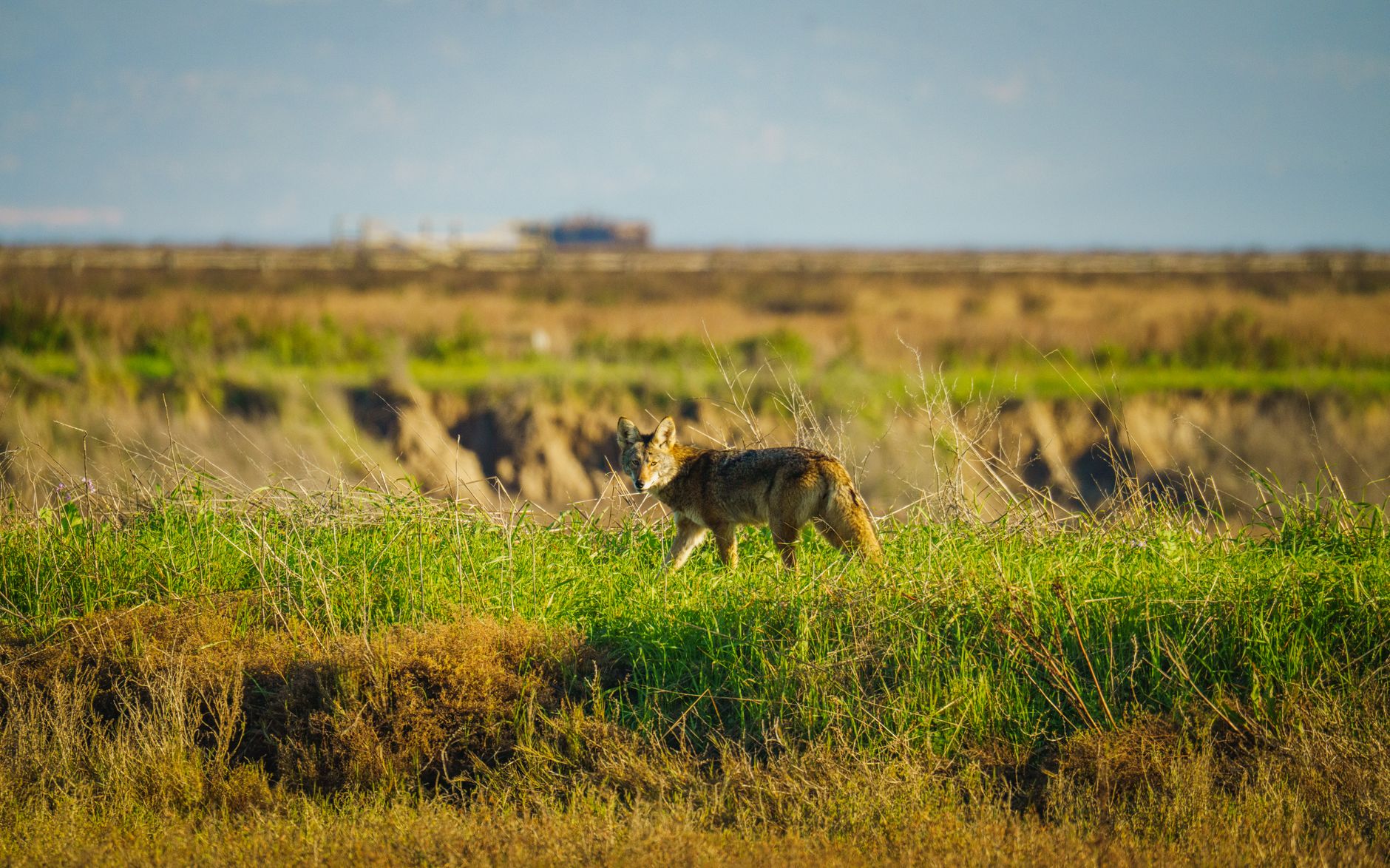
What is the Best Coyote Deterrent?
The most effective coyote deterrent involves a multi-faceted approach, combining exclusion techniques like fencing with active harassment strategies, such as loud noises and motion-activated lights, to consistently discourage coyotes from approaching. What is the best coyote deterrent? Ultimately, it’s a combination of vigilance, environmental management, and proactive measures tailored to your specific situation.

Understanding the Coyote Challenge
Coyotes, adaptable and intelligent canids, are increasingly common in both rural and urban environments. Their presence can pose a threat to pets, livestock, and, in rare cases, even humans. Understanding their behavior and motivations is crucial for implementing effective deterrent strategies. Coyotes are attracted to areas where they can find food, water, and shelter. This includes unsecured garbage, pet food left outdoors, and overgrown vegetation that provides hiding places.

What colours are fish most attracted to?
Can you put your finger in a trout's mouth?
Is methylene blue anti bacterial?
Does aquarium salt raise pH in aquarium?
Exclusion: Building a Barrier

Physical barriers are a cornerstone of any successful coyote deterrent strategy. Preventing access is often more effective than attempting to scare them away after they’ve already entered your property.
- Fencing: A tall (at least 6 feet high), sturdy fence is an excellent starting point. Consider burying the bottom of the fence at least 12 inches deep to prevent coyotes from digging underneath.
- Netting: Chicken wire or similar netting can be used to protect vulnerable areas like vegetable gardens or poultry enclosures. Ensure the netting is properly secured to the ground and extends high enough to prevent coyotes from jumping over it.
- Electrified Fencing: An electrified fence, especially when combined with a standard fence, provides an added layer of deterrence. The mild shock discourages coyotes from attempting to cross the barrier.
Harassment: Making Your Property Unwelcoming
Active harassment techniques aim to make your property unattractive to coyotes. Consistency is key; coyotes will quickly learn to ignore deterrents that are only used sporadically.
- Loud Noises: Use noisemakers such as air horns, whistles, or even banging pots and pans to startle coyotes.
- Motion-Activated Lights: Bright, sudden flashes of light can disorient and scare coyotes, especially at night.
- Sprinkler Systems: Motion-activated sprinkler systems can also be effective, as coyotes generally dislike being sprayed with water.
- Hazing: Actively and assertively deterring a coyote by shouting, waving your arms, or throwing objects towards it (but not at it) can reinforce the message that your property is not a safe place for them. Always maintain a safe distance.
Environmental Management: Removing Attractants
Eliminating potential food sources and hiding places is essential for long-term coyote deterrence.
- Secure Garbage: Use garbage cans with tight-fitting lids and store them in a garage or shed whenever possible.
- Remove Pet Food: Avoid leaving pet food outdoors, especially overnight. Feed your pets indoors or clean up any leftover food immediately.
- Trim Vegetation: Keep lawns mowed and shrubbery trimmed to reduce hiding places for coyotes and other small animals that might attract them.
- Clean Up Fallen Fruit: Fallen fruit from trees can be a significant food source for coyotes. Regularly remove any fallen fruit from your yard.
- Secure Compost: If you compost, ensure it is properly contained in a compost bin that is inaccessible to coyotes.
The Importance of Community
Individual efforts are often more effective when combined with community-wide initiatives. Talking to your neighbors, sharing information, and coordinating deterrent strategies can help create a less hospitable environment for coyotes across a larger area. Contact your local animal control or wildlife management agency for information on coyote management programs in your area.
Comparing Deterrent Methods
| Deterrent Method | Effectiveness | Cost | Maintenance | Drawbacks |
|---|---|---|---|---|
| Fencing | High | Moderate | Low | Can be expensive to install |
| Motion-Activated Lights | Moderate | Low | Low | May be ineffective for habituated coyotes |
| Motion-Activated Sprinklers | Moderate | Low | Low | May freeze in cold weather |
| Loud Noises | Moderate | Low | None | Requires active participation |
| Garbage Management | High | Low | High | Requires consistent effort |
Frequently Asked Questions (FAQs)
What is the best way to protect my small dog from coyotes?
The best way to protect your small dog is to never leave it unattended outdoors, especially during dawn and dusk, when coyotes are most active. Keep your dog on a short leash during walks and consider using a coyote vest or similar protective gear. Additionally, ensure your yard is securely fenced.
Are ultrasonic devices effective at deterring coyotes?
The effectiveness of ultrasonic devices is highly debated. While some studies suggest they may have a temporary effect, most evidence indicates that coyotes quickly habituate to the sounds, rendering the devices ineffective over time. A multi-faceted approach is generally more reliable.
Will trapping and relocating coyotes solve the problem?
Trapping and relocating coyotes is generally not an effective or sustainable solution. Relocated coyotes often struggle to survive in unfamiliar territory, and their absence is quickly filled by other coyotes moving into the area. It can also disrupt local ecosystems. Focus on preventative measures instead.
What is the best time of day to be most cautious about coyotes?
Coyotes are crepuscular animals, meaning they are most active during dawn and dusk. These are the times when you should be especially vigilant, particularly when walking pets or allowing children to play outdoors.
What should I do if I encounter a coyote?
If you encounter a coyote, do not run. Instead, stand your ground, make yourself look as large as possible, and make loud noises. Wave your arms, shout, or throw objects towards the coyote (but not at it). If the coyote approaches, back away slowly while maintaining eye contact.
How can I tell if a coyote is sick or dangerous?
Signs of illness or rabies in coyotes include unusual behavior, such as daytime activity, staggering, foaming at the mouth, or aggression. If you observe a coyote exhibiting these signs, contact your local animal control immediately and keep your distance.
Are there any plants that deter coyotes?
While no plants are definitively proven to deter coyotes, some strong-smelling plants, such as rue and lavender, may be less attractive to them. However, relying solely on plants is unlikely to be effective.
How do I keep coyotes away from my chickens?
Protecting chickens requires robust measures. A fully enclosed coop with a wire mesh roof and sides is essential. Bury the bottom of the coop at least 12 inches deep or use hardware cloth to prevent digging. Motion-activated lights and noise deterrents can also help.
Is it safe to let my cat roam free in an area with coyotes?
Allowing cats to roam freely in areas with coyotes is highly risky. Cats are a common prey item for coyotes. The safest option is to keep your cat indoors or provide a secure outdoor enclosure.
What role does community education play in coyote management?
Community education is crucial for successful coyote management. By informing residents about coyote behavior, preventative measures, and responsible pet ownership, we can reduce conflicts and promote coexistence.
What are the legal considerations when deterring coyotes?
Laws regarding coyote control vary by location. It’s important to check with your local animal control or wildlife management agency to understand the regulations in your area before implementing any deterrent measures, especially those involving trapping or lethal control.
What is the best, long-term solution to prevent coyote problems?
The best long-term solution involves a combination of community-wide efforts to manage food sources, educate residents, and implement consistent deterrent strategies. This proactive approach can create a less attractive environment for coyotes and reduce the likelihood of conflicts.