

What is Pica Food for Dogs? Understanding and Addressing Unusual Eating Habits
Pica in dogs is a behavioral disorder characterized by the persistent and compulsive consumption of non-food items; therefore, “pica food for dogs” actually refers to specialized dietary approaches to manage and potentially mitigate the underlying causes or symptoms of this condition, not a specific food item itself.

Understanding Pica in Dogs
Pica isn’t just a quirky habit; it’s a complex issue that can stem from various underlying causes, ranging from nutritional deficiencies to behavioral anxieties. Properly identifying and addressing the root cause is crucial for managing this potentially dangerous condition. What is pica food for dogs, then, is about utilizing food to help manage the symptoms and hopefully address the causes of pica.
What colours are fish most attracted to?
Can you put your finger in a trout's mouth?
Is methylene blue anti bacterial?
Does aquarium salt raise pH in aquarium?
Potential Causes of Pica
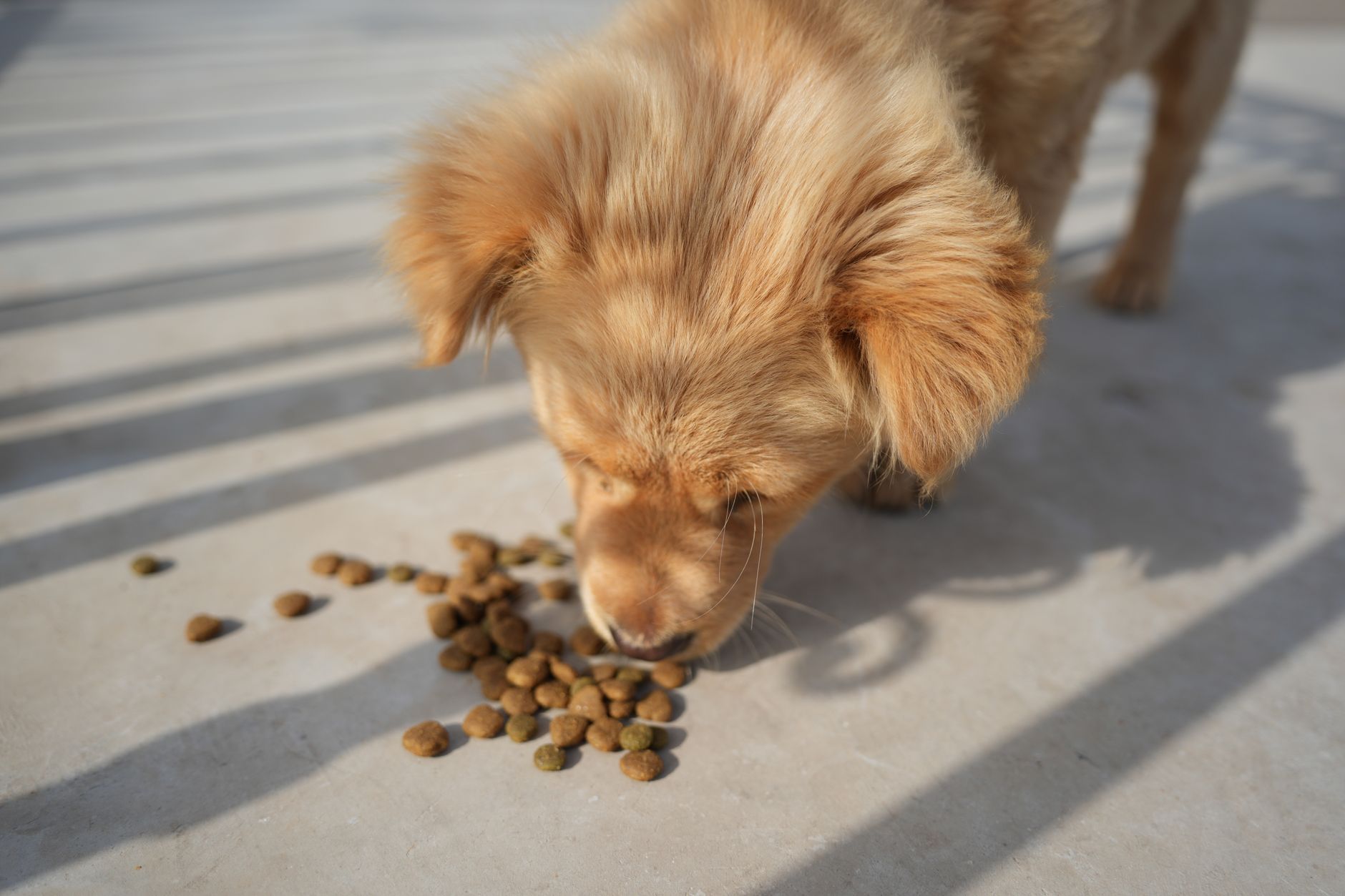
Many factors can contribute to pica in dogs. These include:
- Nutritional Deficiencies: A lack of certain vitamins or minerals, such as iron or zinc, may lead a dog to seek out unusual items in an attempt to fulfill those unmet needs.
- Gastrointestinal Issues: Conditions like intestinal parasites or malabsorption can interfere with nutrient uptake, prompting pica.
- Behavioral Issues: Anxiety, boredom, stress, and even attention-seeking can trigger pica.
- Medical Conditions: Certain underlying medical conditions, such as anemia, can also manifest as pica.
- Learned Behavior: Puppies often explore the world with their mouths. If this behavior is reinforced (even unintentionally), it can lead to pica.
The Role of Diet in Managing Pica
While diet alone may not cure pica, it plays a vital role in managing the condition and addressing potential underlying causes. The goal is to provide a balanced and easily digestible diet that eliminates nutritional deficiencies and minimizes gastrointestinal upset. What is pica food for dogs in this context? Specific dietary strategies might include:
- High-Quality, Balanced Diet: A commercially available, high-quality dog food formulated for your dog’s life stage and activity level is essential. Avoid foods with excessive fillers or artificial additives.
- Easily Digestible Options: If your dog has gastrointestinal issues, consider a food formulated for sensitive stomachs or a limited-ingredient diet. Hydrolyzed protein diets may be beneficial for dogs with food sensitivities.
- Fiber Supplementation: Adding fiber to the diet can help with satiety and may reduce the urge to consume non-food items. Consult with your veterinarian before adding fiber supplements.
- Enrichment Feeding: Using puzzle feeders, snuffle mats, or slow-feed bowls can help keep your dog mentally stimulated and occupied, potentially reducing boredom-induced pica.
- Addressing Nutritional Deficiencies: If blood tests reveal specific nutritional deficiencies, your veterinarian may recommend targeted supplementation.
Foods to Avoid
Certain foods and ingredients can exacerbate pica, especially if the underlying cause is related to digestive issues or allergies. These include:
- Highly Processed Foods: Foods containing artificial colors, flavors, and preservatives can irritate the digestive system.
- Common Allergens: Ingredients like beef, chicken, dairy, wheat, and soy are common allergens in dogs and can contribute to gastrointestinal upset.
- Foods High in Fat: While necessary, excessive fat can be difficult for some dogs to digest, potentially leading to pica.
Environmental Management
Dietary management is just one piece of the puzzle. It’s equally important to manage the environment to prevent access to non-food items.
- Remove Tempting Items: Thoroughly scan your home and yard for potentially tempting items, such as rocks, socks, toys, and garbage.
- Supervise Your Dog: Keep a close eye on your dog, especially when outdoors, and redirect them if they attempt to ingest non-food items.
- Training: Teach your dog commands like “leave it” and “drop it” to prevent them from ingesting potentially harmful objects.
Seeking Professional Help
It’s crucial to consult with your veterinarian to determine the underlying cause of your dog’s pica. They can perform diagnostic tests to rule out medical conditions and recommend appropriate dietary and behavioral interventions. A veterinary behaviorist can also provide valuable guidance on addressing underlying anxiety or behavioral issues.
Summary of Key Strategies
| Strategy | Description | Rationale |
|---|---|---|
| Balanced Diet | Feed a high-quality, commercially available dog food appropriate for your dog’s age, breed, and activity level. | Ensures your dog receives all the necessary nutrients, reducing the likelihood of nutritional deficiencies. |
| Digestive Support | Consider a limited-ingredient or hydrolyzed protein diet if your dog has digestive sensitivities. | Minimizes potential allergens and makes the food easier to digest, reducing gastrointestinal upset. |
| Fiber Supplementation | Add fiber to the diet to promote satiety and reduce the urge to consume non-food items. Consult your veterinarian before adding supplements. | Can help your dog feel fuller, reducing the need to seek out other items. |
| Enrichment & Stimulation | Use puzzle feeders, snuffle mats, or slow-feed bowls to keep your dog mentally stimulated and prevent boredom. | Provides mental stimulation and prevents boredom, reducing the likelihood of pica behavior. |
| Environmental Management | Remove access to tempting non-food items, supervise your dog closely, and teach commands like “leave it” and “drop it.” | Prevents your dog from ingesting potentially harmful objects. |
| Veterinary Consultation | Consult with your veterinarian to rule out medical conditions and develop a comprehensive management plan. A veterinary behaviorist can address behavioral issues. | Helps determine the underlying cause of pica and ensures your dog receives appropriate treatment. |
Frequently Asked Questions (FAQs)
What causes pica in dogs?
Pica in dogs can stem from a variety of causes, including nutritional deficiencies, gastrointestinal issues, behavioral problems such as anxiety or boredom, and, less commonly, underlying medical conditions. Determining the root cause is essential for effective treatment.
Is pica dangerous for dogs?
Yes, pica can be very dangerous. Ingesting non-food items can lead to intestinal blockages, toxicity, damage to the digestive tract, and other serious health complications. The severity depends on the type and amount of material ingested.
Can I use a homemade diet to manage my dog’s pica?
While a homemade diet can be beneficial if formulated correctly by a veterinary nutritionist, it’s crucial to ensure that it meets all of your dog’s nutritional needs. Imbalances in a homemade diet can actually contribute to pica. Consult with a professional to ensure safety and efficacy.
Are there any specific ingredients I should look for in a dog food for pica?
Look for high-quality protein sources, easily digestible carbohydrates, and added fiber. Ingredients like prebiotics and probiotics can also support gut health. Avoid foods with excessive fillers or artificial additives.
How can I tell if my dog has a nutritional deficiency?
Blood tests are the most reliable way to identify nutritional deficiencies. Your veterinarian can perform these tests and recommend appropriate supplementation if needed. Clinical signs of deficiency can be vague but may include lethargy, poor coat quality, and changes in appetite.
What role does fiber play in managing pica?
Fiber can help promote satiety, making your dog feel fuller and less likely to seek out non-food items. Certain types of fiber can also help regulate digestion and improve gut health.
How long does it take to see results from dietary changes?
It can take several weeks to see noticeable improvements from dietary changes. Consistency is key, and it’s important to work closely with your veterinarian to monitor your dog’s progress. Changes will be gradual and will depend on the underlying cause of the pica.
Is there a cure for pica in dogs?
There’s no guaranteed cure for pica, but with proper management, including dietary adjustments, behavioral modification, and environmental control, many dogs can lead relatively normal lives. The goal is to manage the symptoms and address the underlying cause.
What are some enrichment activities I can provide for my dog?
Enrichment activities can include puzzle feeders, snuffle mats, interactive toys, obedience training, and regular exercise. Anything that stimulates your dog’s mind and body can help reduce boredom and anxiety, which can contribute to pica.
When should I seek professional help for my dog’s pica?
You should seek professional help from your veterinarian as soon as you notice your dog engaging in pica. Early intervention can help prevent serious health complications and improve the chances of successful management.
Can anxiety medication help with pica?
In some cases, anxiety medication may be helpful, especially if the pica is driven by anxiety or stress. However, medication should always be used in conjunction with behavioral modification and environmental management.
What is pica food for dogs if my dog has allergies?
If your dog has allergies, consider a limited-ingredient diet or a hydrolyzed protein diet formulated to minimize allergens. Work closely with your veterinarian to identify the specific allergens and create a diet that avoids them. Ensuring the diet is completely free of allergens that trigger a response is vital.