
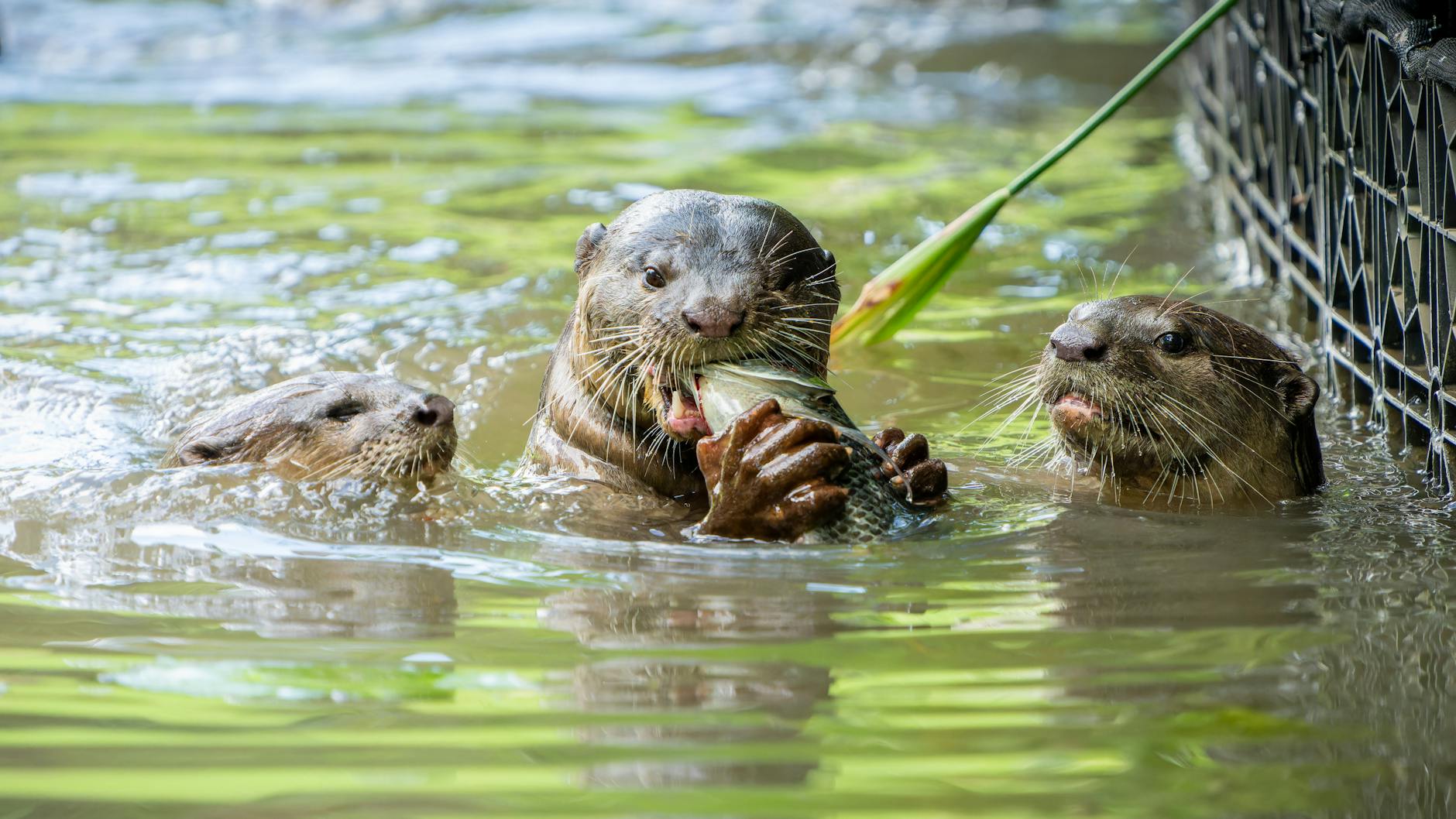
What is Otters Favourite Food? Unveiling the Aquatic Gourmand’s Preferences
What is otters favourite food? While varied depending on species and habitat, the undeniable answer lies in fresh, readily available aquatic prey, predominantly fish, though crustaceans and other invertebrates also make the menu.

Introduction: The Otter’s Diverse Diet
Otters, those playful and charismatic denizens of waterways and coastlines, are more than just adorable faces. They are skilled predators, perfectly adapted to a semi-aquatic lifestyle. A significant aspect of their existence, of course, revolves around their diet. Understanding what otters eat provides vital insight into their ecological role and the health of their environment. This article delves into the culinary preferences of these fascinating creatures, exploring the factors influencing their diet and revealing their favorite delicacies.

What colours are fish most attracted to?
Can you put your finger in a trout's mouth?
Is methylene blue anti bacterial?
Does aquarium salt raise pH in aquarium?
A Global Menu: Otter Species and Their Habitats

The term “otter” encompasses 13 distinct species, each with its own unique geographical distribution and, consequently, variations in diet. The river otter (Lontra canadensis), found throughout North America, enjoys a varied diet, while the sea otter (Enhydra lutris), inhabiting the Pacific coast, has a more specialized palate. Even within a single species, dietary preferences can shift depending on local availability and seasonal changes.
Fish: The Cornerstone of an Otter’s Diet
While the specific species of fish consumed varies, fish forms the staple food source for most otter species. What is otters favourite food? For many river otters, it’s commonly slow-moving, abundant fish like suckers, minnows, and catfish. Sea otters, on the other hand, might favour rockfish and cod. The ease of capture and nutritional value make fish an ideal prey item.
Beyond Fish: A Varied Diet
While fish dominates the menu, otters are opportunistic feeders and will readily consume a variety of other animals, including:
- Crustaceans: Crabs, crayfish, and shrimp provide essential minerals and nutrients.
- Mollusks: Clams, mussels, and snails offer a readily available food source, particularly for sea otters.
- Amphibians: Frogs and salamanders can be a seasonal food source, especially for river otters.
- Reptiles: Turtles and snakes occasionally supplement an otter’s diet.
- Birds: Waterfowl and their eggs can be a target of opportunity, although less frequent.
- Small Mammals: Muskrats and other small rodents may be consumed, especially during periods of scarcity.
The Art of Otter Hunting: Skill and Adaptability
Otters are highly skilled hunters, utilizing a combination of senses and techniques to locate and capture prey. Their streamlined bodies, webbed feet, and powerful tails allow them to move effortlessly through the water. Sensitive whiskers help them detect vibrations and locate prey in murky conditions. They are also adept at using tools, particularly sea otters, who utilize rocks to crack open shellfish.
Factors Influencing Dietary Preferences
Several factors influence what otters eat, including:
- Availability of Prey: The most abundant and easily accessible prey species will naturally become a staple of an otter’s diet.
- Seasonal Changes: During certain times of the year, specific prey items may be more plentiful, leading to dietary shifts.
- Habitat: The type of environment in which an otter lives significantly influences the available food sources. Coastal otters have access to marine prey, while river otters rely on freshwater resources.
- Competition: The presence of other predators can impact an otter’s access to food.
- Age and Experience: Young otters may initially struggle to hunt effectively and may rely on their mothers for food.
Conservation Implications: Protecting Otter Food Sources
Protecting otter populations requires understanding and safeguarding their food sources. Habitat degradation, pollution, and overfishing can all negatively impact the availability of prey, threatening otter populations. Conservation efforts should focus on maintaining healthy aquatic ecosystems and ensuring sustainable fisheries management.
A Table of Common Food Sources by Otter Type
| Otter Type | Primary Food Source | Secondary Food Sources |
|---|---|---|
| River Otter | Fish (Minnows, Suckers, Catfish) | Crayfish, Frogs, Turtles |
| Sea Otter | Shellfish (Abalone, Clams, Mussels) | Sea Urchins, Crabs, Fish |
| Asian Small-Clawed Otter | Crabs, Mollusks | Fish, Amphibians |
| Giant Otter | Fish (Piranhas, Catfish) | Crabs, Snakes |
FAQs About Otter Diets
What is otters favourite food and are they picky eaters?
No, they are not generally picky. While fish is a primary source, what otters eat depends largely on what’s available. They are opportunistic and will consume a wide range of aquatic prey.
Do otters eat sea urchins?
Yes, sea urchins are a significant food source for sea otters. In fact, their role in controlling sea urchin populations helps maintain healthy kelp forests.
How much do otters eat in a day?
Otters have a high metabolism and require a significant amount of food. They typically consume about 20-25% of their body weight per day.
Do otters eat plants?
While their diet is primarily carnivorous, otters may occasionally consume small amounts of aquatic vegetation, but it’s not a significant part of their diet.
Can otters eat humans?
No. Otters are not known to prey on humans. They primarily target smaller aquatic animals. Humans are simply too large and not easily accessible as prey.
Do otters eat ducks or other waterfowl?
Yes, otters can and sometimes do eat ducks or other waterfowl, but this is less common than consuming fish or crustaceans. Waterfowl are generally more agile and harder to catch.
Do river otters eat beaver?
Very rarely. While a river otter might scavenge on a dead beaver, they are not typically able to kill a healthy adult beaver.
What do baby otters eat?
Baby otters, called pups, initially rely entirely on their mother’s milk. As they grow, they will gradually transition to eating solid food brought to them by their mother.
Are otters considered pests because of their eating habits?
In some cases, otters can be perceived as pests by fish farmers or owners of private ponds, as they may prey on commercially raised fish. However, they are a natural part of the ecosystem.
How do otters find food in murky water?
Otters rely on their sensitive whiskers, or vibrissae, to detect vibrations in the water and locate prey in low-visibility conditions.
What are the biggest threats to otters’ food supply?
Habitat loss, pollution, and overfishing are the biggest threats to otter’s food supply. These factors can reduce the availability of prey and negatively impact the health of aquatic ecosystems.
How do otters crack open shellfish?
Sea otters are known for using rocks as tools to crack open shellfish. They will often keep a favorite rock tucked into a pouch under their arm.