
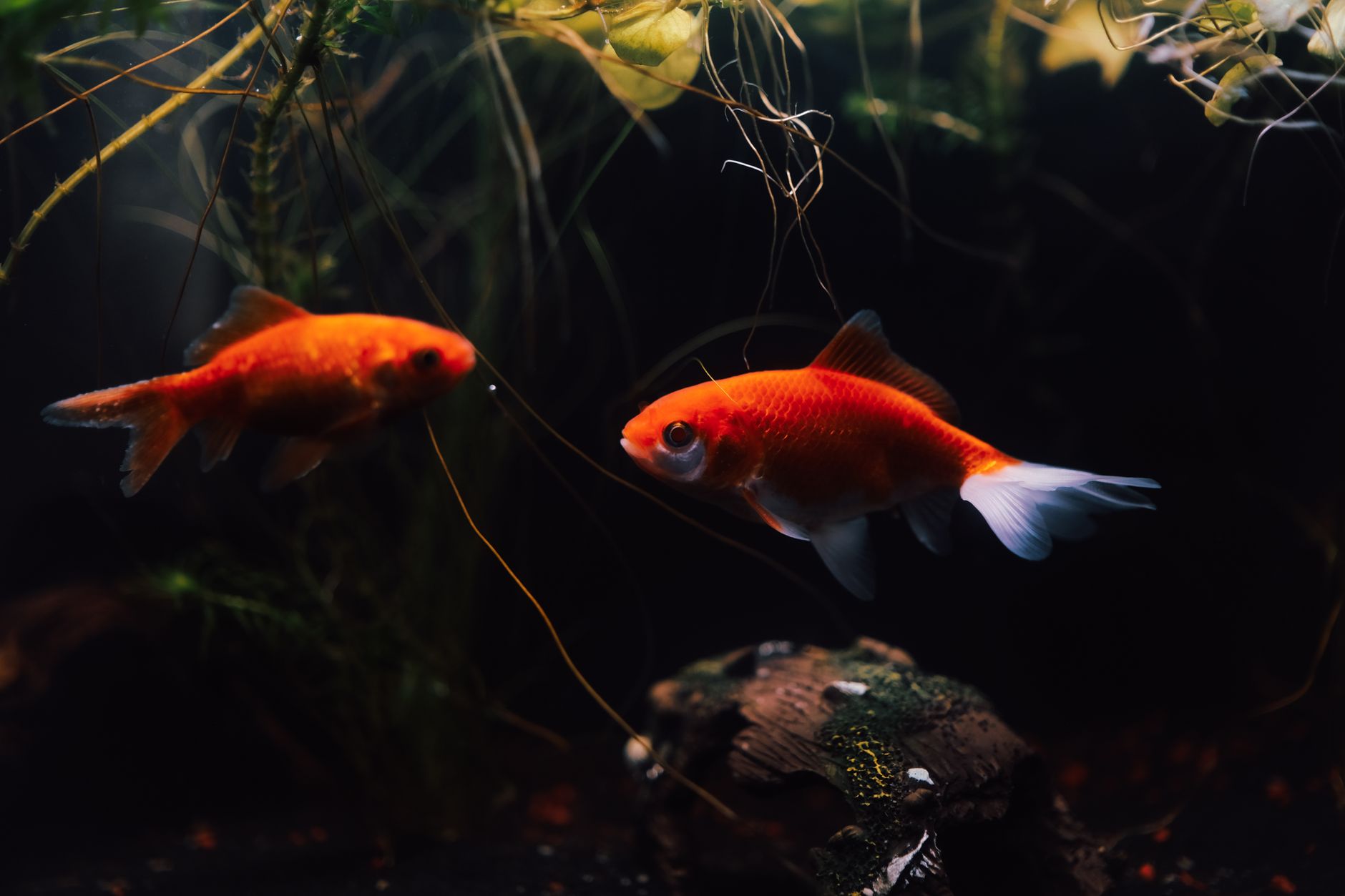
Understanding Flashing in Goldfish: Causes, Symptoms, and Treatment
What is flashing in goldfish? Flashing in goldfish refers to the behavior of rubbing against objects in their environment, often indicating irritation caused by parasites, poor water quality, or other underlying health issues. It’s a crucial symptom to recognize and address promptly to ensure the goldfish’s well-being.
Introduction: The Itch That Can’t Be Scratched
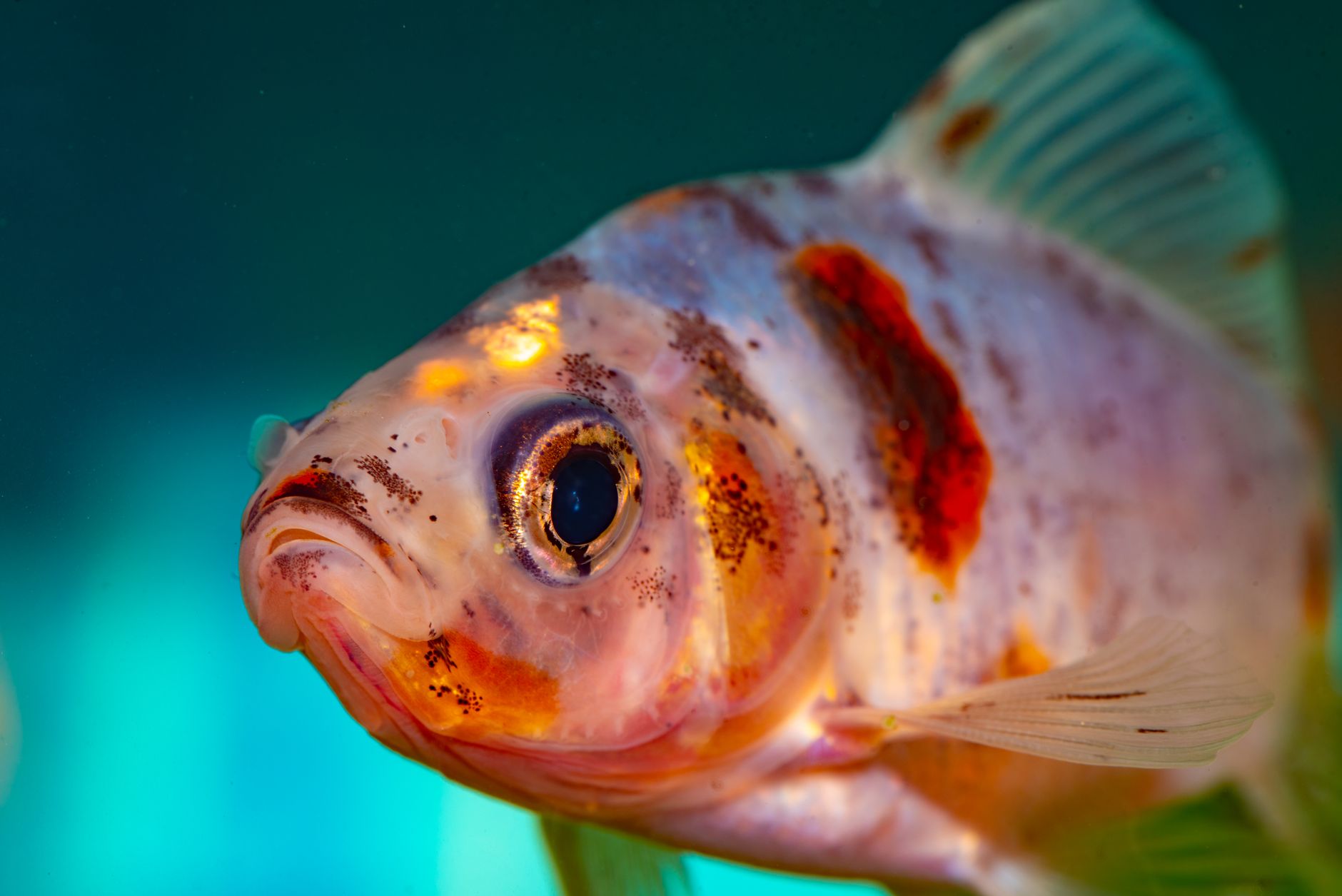
Goldfish, with their vibrant colors and graceful movements, are beloved pets worldwide. However, these seemingly hardy creatures are susceptible to various ailments. One of the most common and easily observable symptoms of distress in goldfish is flashing. What is flashing in goldfish? It’s essentially an extreme form of itching – a sign that something is seriously wrong in their aquatic environment or with their health. Ignoring this behavior can lead to more severe complications and even death. Therefore, understanding the causes, symptoms, and treatment options for flashing is crucial for every goldfish owner.
What is the GREY African clawed frog?
What colours are fish most attracted to?
Can you put your finger in a trout's mouth?
Is methylene blue anti bacterial?
The Mechanics of Flashing: Defining the Behavior

Flashing is more than just a quick rub against a rock. It is characterized by:
- Rapid, jerky movements: Goldfish often dart quickly across the tank.
- Rubbing against objects: This includes the substrate (gravel), decorations, plants, and even the tank walls.
- Possible erratic swimming: Accompanied by twitching or sudden bursts of speed.
- Repetitive behavior: Not a one-time event, but something the fish does consistently.
Sometimes, the flashing can be subtle, making it easy to miss, especially in larger tanks. Careful observation is key to early detection.
Common Causes of Flashing: A Troubleshooter’s Guide
Several factors can trigger flashing in goldfish, and identifying the root cause is essential for effective treatment. The most common culprits include:
- Parasitic Infections: External parasites like Ichthyophthirius multifiliis (Ich), Costia, and Gyrodactylus (skin flukes) are frequent offenders. These parasites attach to the goldfish’s skin and gills, causing intense irritation.
- Poor Water Quality: High levels of ammonia, nitrite, or nitrate in the water can burn the fish’s delicate tissues, leading to flashing. Inadequate water changes or an overstocked tank contribute to this issue.
- Bacterial Infections: While less common than parasitic infections, bacterial infections can also cause flashing. These often manifest as skin lesions or ulcers.
- Changes in Water Chemistry: Sudden shifts in pH, temperature, or hardness can stress the fish and make them more susceptible to flashing.
- Chlorine and Chloramine: Tap water often contains these chemicals, which are toxic to fish. Failing to dechlorinate tap water during water changes is a common mistake.
Diagnosing the Cause: Observation and Water Testing
Pinpointing the exact cause of flashing requires careful observation and thorough water testing.
- Observe the Fish: Look for any visible signs of parasites (white spots for Ich), skin lesions, or fin rot. Note the frequency and intensity of the flashing.
- Test the Water: Use a reliable test kit to measure ammonia, nitrite, nitrate, and pH. High levels of ammonia or nitrite are particularly alarming.
- Consider Tankmates: If other fish are also flashing, it’s likely a water quality issue or a contagious parasite.
- Recent Changes: Consider any recent changes to the tank, such as adding new fish, plants, or decorations, which could have introduced parasites or contaminants.
Treatment Options: Restoring Your Goldfish’s Comfort
The treatment for flashing depends on the underlying cause. Here are some common approaches:
- Water Changes: Performing regular water changes (25-50%) can significantly improve water quality and alleviate irritation caused by ammonia, nitrite, or nitrate.
- Salt Treatment: Adding aquarium salt (sodium chloride) to the water can help reduce the osmotic stress on the fish and kill some external parasites.
- Medications: A variety of medications are available to treat parasitic and bacterial infections. Follow the manufacturer’s instructions carefully. Common medications include malachite green, formalin, and praziquantel.
- Quarantine: If you suspect a contagious disease, isolate the affected fish in a separate quarantine tank to prevent the spread of infection.
- Water Conditioner: Always use a water conditioner to dechlorinate tap water before adding it to the tank.
Prevention is Key: Maintaining a Healthy Environment
The best way to prevent flashing is to maintain a healthy environment for your goldfish. This includes:
- Regular Water Changes: Perform water changes at least once a week.
- Proper Filtration: Use a filter that is appropriately sized for your tank.
- Avoid Overcrowding: Give your goldfish plenty of space to swim.
- Quarantine New Fish: Isolate new fish in a quarantine tank for several weeks before introducing them to your main tank.
- Feed a High-Quality Diet: Provide your goldfish with a balanced diet to support their immune system.
| Prevention Strategy | Benefit |
|---|---|
| :——————- | :——————————————————————————— |
| Regular Water Changes | Removes toxins, replenishes essential minerals, and maintains water quality. |
| Proper Filtration | Removes waste and debris, keeping the water clean and clear. |
| Avoid Overcrowding | Reduces stress on fish and prevents the buildup of toxins in the water. |
| Quarantine New Fish | Prevents the introduction of parasites and diseases into the main tank. |
| High-Quality Diet | Strengthens the immune system and makes fish more resistant to disease. |
Frequently Asked Questions (FAQs)
What is flashing in goldfish, and is it always a sign of disease?
Flashing is the act of a goldfish rubbing against objects in its tank, and while it’s often indicative of a problem, it’s not always a sign of a serious disease. Sometimes, it can be caused by minor irritation from a temporary water quality issue. However, because it often signals a larger issue, it should never be ignored.
Can goldfish flashing be caused by stress?
Yes, stress can certainly contribute to flashing. Factors like sudden temperature changes, aggressive tank mates, or a noisy environment can weaken a goldfish’s immune system and make them more susceptible to parasites and diseases, leading to flashing.
How can I tell if my goldfish is flashing due to parasites?
Look for visual cues like white spots (Ich), cloudy skin (Costia), or visible worms (skin flukes). Observe if other fish in the tank are exhibiting similar symptoms. A microscope can confirm the presence of parasites.
What level of ammonia, nitrite, and nitrate is dangerous for goldfish?
Ideally, ammonia and nitrite levels should be zero. Nitrate levels should be kept below 20 ppm. Higher levels can stress and poison goldfish, leading to flashing and other health problems.
Are water changes enough to stop flashing in goldfish?
Water changes can help, especially if poor water quality is the cause. However, they are not always sufficient on their own. If parasites or bacterial infections are present, medication is usually necessary in addition to water changes.
How often should I change the water in my goldfish tank?
The frequency of water changes depends on the size of the tank, the number of fish, and the filtration system. A good starting point is to change 25-50% of the water once a week. Regularly testing the water will help you determine the optimal schedule.
Can aquarium salt help with flashing in goldfish?
Yes, aquarium salt can be beneficial. It can help reduce the osmotic stress on the fish, making it harder for parasites to attach, and can kill some external parasites. Use aquarium salt specifically designed for fish, not table salt.
What medications are effective for treating flashing in goldfish?
Medications containing malachite green, formalin, and praziquantel are commonly used to treat parasitic infections. Antibiotics may be necessary for bacterial infections, but their use should be carefully considered to avoid disrupting the beneficial bacteria in the tank.
How do I quarantine a sick goldfish?
Set up a separate tank with clean, dechlorinated water, a filter, and a heater. Gradually acclimate the sick fish to the new tank water. Observe the fish closely for any changes in behavior or symptoms. Quarantine for at least 2-4 weeks.
How do I prevent parasites from entering my goldfish tank?
Quarantine new fish, thoroughly rinse new plants and decorations, and avoid introducing wild-caught items into your tank. Maintain excellent water quality and avoid overcrowding.
Is flashing contagious to other fish?
If the cause of the flashing is a parasitic or bacterial infection, it can be contagious to other fish. That’s why quarantine is so important.
What are some signs that my goldfish is getting better after treatment?
The frequency of flashing should decrease, and the fish should exhibit improved appetite, activity levels, and coloration. Any visible signs of parasites or skin lesions should start to heal. A water test should confirm improved water parameters.