

What Is Considered a Plenum Area?
A plenum area is specifically defined as any enclosed space used for air handling, usually for heating, ventilation, and air conditioning (HVAC) systems. It plays a critical role in distributing conditioned air throughout a building.

Understanding Plenum Areas: A Deep Dive
The concept of a plenum area is fundamental to modern building design and operation. Understanding its purpose, characteristics, and safety considerations is crucial for architects, engineers, building managers, and even occupants.
What colours are fish most attracted to?
Can you put your finger in a trout's mouth?
Is methylene blue anti bacterial?
Does aquarium salt raise pH in aquarium?
Background and Definition
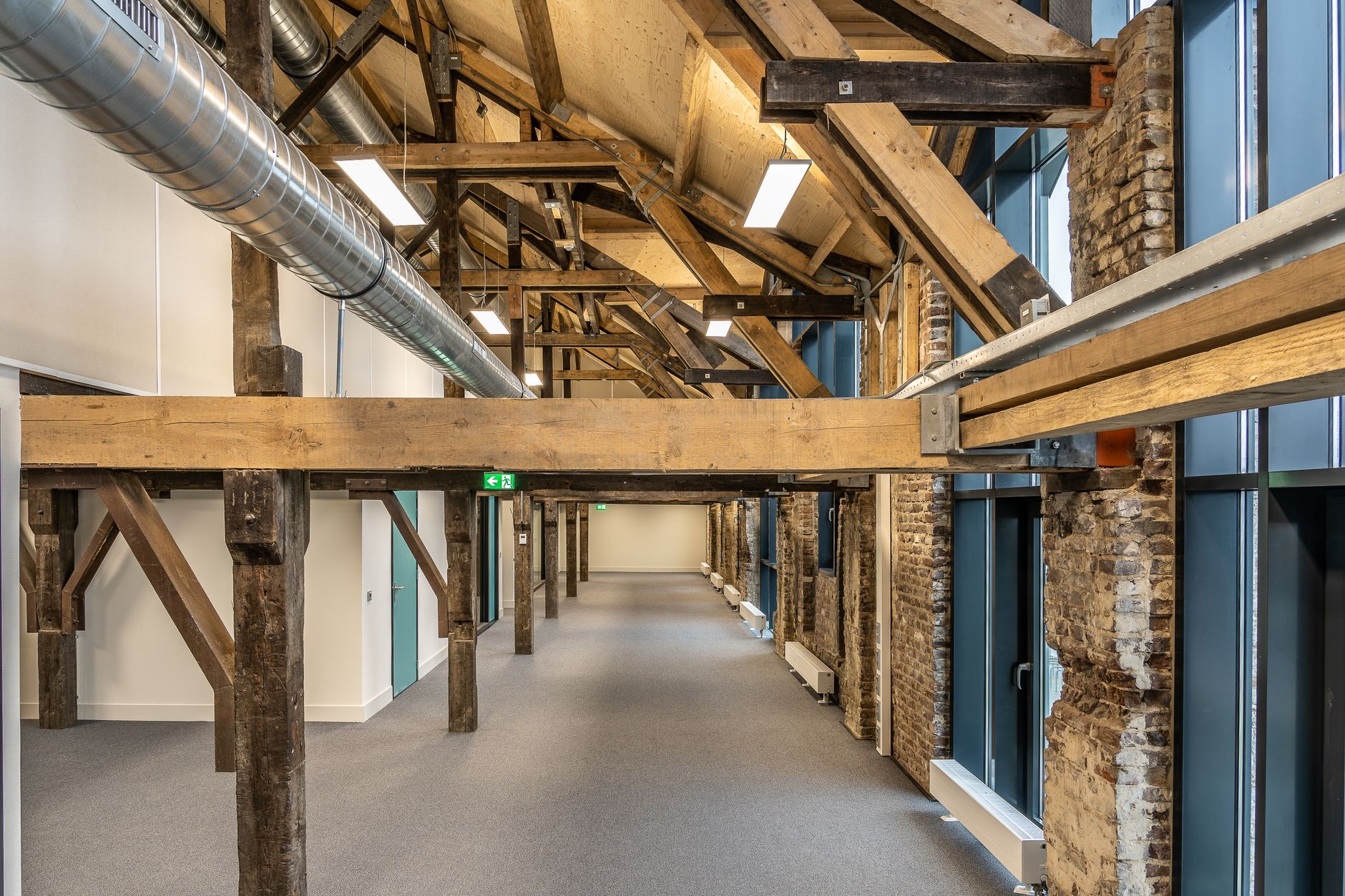
In architectural and engineering contexts, what is considered a plenum area? It’s not just any open space. A plenum space is specifically designed and designated as part of the building’s HVAC system for the movement of air. Traditionally, the space above a suspended ceiling (the drop ceiling plenum) or below a raised floor has served this purpose. However, dedicated ductwork can also be considered a plenum if it isn’t fully enclosed.
Purpose and Function
The primary function of a plenum is to provide a pathway for air to circulate. This can involve either supplying conditioned air to occupied spaces or returning air to the HVAC unit for reconditioning. A well-designed plenum ensures efficient air distribution, temperature regulation, and improved indoor air quality.
Benefits of Utilizing a Plenum
Using plenum areas offers several advantages:
- Cost-Effectiveness: Reduces the need for extensive ductwork, saving on material and installation costs.
- Space Optimization: Maximizes usable space by utilizing otherwise unused areas.
- Flexibility: Allows for easier modification and reconfiguration of air distribution systems.
- Energy Efficiency: Can contribute to energy savings through efficient air circulation.
Code Compliance and Safety Considerations
Because a plenum area is part of the HVAC system, it is subject to strict building codes and safety regulations. Key considerations include:
- Material Restrictions: Materials used within the plenum must be fire-resistant or non-combustible. This is crucial to prevent the spread of fire and toxic smoke.
- Wiring Requirements: Electrical wiring within the plenum must be plenum-rated, meaning it is designed to resist the spread of fire and release minimal smoke.
- Accessibility: Regular inspection and maintenance of plenum spaces are necessary to ensure proper operation and address any potential hazards.
Potential Hazards and Mitigation
Despite the benefits, plenum areas can pose potential hazards if not properly managed.
- Fire Spread: Combustible materials can accelerate fire spread and release toxic fumes.
- Air Contamination: Dust, debris, and mold can accumulate in the plenum, affecting indoor air quality.
- Pest Infestation: Plenum spaces can provide a hidden habitat for pests.
Mitigation strategies include:
- Regular cleaning and maintenance.
- Proper sealing of penetrations to prevent pest entry.
- Use of approved materials.
- Adherence to building codes and regulations.
Plenum vs. Non-Plenum Rated Materials
A crucial aspect of what is considered a plenum area? is the materials within it. Plenum-rated materials are specifically tested and certified to be low-smoke and low-flame. Non-plenum-rated materials release significantly more smoke and can rapidly contribute to a fire.
| Feature | Plenum-Rated Materials | Non-Plenum-Rated Materials |
|---|---|---|
| Flame Spread | Low flame spread | Higher flame spread |
| Smoke Generation | Low smoke generation | High smoke generation |
| Intended Use | Designed for use in plenum spaces | Not approved for use in plenum spaces |
| Code Compliance | Meets building code requirements for plenum spaces | Fails building code requirements for plenum spaces |
| Common Applications | Wiring, cabling, insulation, and other building materials | General construction materials not suitable for plenums |
Best Practices for Plenum Design and Maintenance
Optimizing plenum performance requires careful design and diligent maintenance.
- Proper Sealing: Seal all penetrations to prevent air leaks and maintain proper air pressure.
- Regular Inspections: Conduct routine inspections to identify and address any potential problems.
- Air Balancing: Ensure proper air balance to optimize airflow and temperature control.
- Filter Maintenance: Regularly replace air filters to maintain indoor air quality.
- Professional Cleaning: Schedule periodic professional cleaning to remove dust, debris, and contaminants.
Frequently Asked Questions (FAQs)
What types of spaces commonly function as plenum areas?
Common plenum spaces include the space above a suspended ceiling (drop ceiling plenum), the space below a raised floor, and sometimes, dedicated ductwork that is not fully enclosed. These areas are used to circulate air for heating, ventilation, and air conditioning (HVAC) systems.
Why are plenum spaces subject to specific building codes?
Plenum spaces are subject to specific building codes because they are integral to the air distribution system and can significantly impact fire safety and indoor air quality. These codes dictate the types of materials that can be used and how they must be installed to minimize fire hazards and maintain air quality.
What happens if non-plenum-rated materials are used in a plenum area?
Using non-plenum-rated materials in a plenum can create a serious fire hazard. These materials release toxic smoke and can accelerate fire spread, potentially endangering building occupants and hindering evacuation efforts. It’s a direct violation of building codes.
How often should plenum areas be inspected and cleaned?
Plenum areas should be inspected at least annually, and cleaned as needed, depending on the environmental conditions and usage of the building. Buildings in areas with high pollution or those with significant construction activity nearby may require more frequent cleaning.
What is plenum-rated cable?
Plenum-rated cable is specifically designed to be used in plenum spaces. It is constructed with materials that resist fire and produce minimal smoke when burned, which is critical for maintaining air quality and slowing the spread of fire.
Can a crawl space be considered a plenum area?
Generally, crawl spaces are not designed to function as plenum areas. However, if a crawl space is specifically engineered and certified to meet plenum requirements, including proper sealing, fire-resistant materials, and air handling capabilities, it could be considered a plenum area.
What should I do if I suspect a problem in a plenum area?
If you suspect a problem in a plenum area, such as unusual odors, visible debris, or signs of water damage, contact a qualified HVAC professional or building manager immediately. They can assess the situation and take appropriate corrective action.
Are there any types of equipment that are prohibited in plenum areas?
Any equipment that could potentially create a fire hazard or release contaminants into the air is generally prohibited in plenum areas. This includes equipment that generates excessive heat, uses flammable materials, or is prone to leaks. Consult local building codes and regulations for specific restrictions.
What is the difference between a return air plenum and a supply air plenum?
A supply air plenum distributes conditioned air from the HVAC system into occupied spaces. A return air plenum collects air from the occupied spaces and returns it to the HVAC system for reconditioning.
How does air balancing affect the performance of a plenum area?
Proper air balancing is essential for ensuring efficient air distribution and temperature control throughout the building. When the air is not balanced, some areas may be too hot or too cold, leading to discomfort and energy waste.
What are some common mistakes to avoid when dealing with plenum areas?
Common mistakes include:
- Using non-plenum-rated materials.
- Neglecting regular maintenance and cleaning.
- Failing to seal penetrations properly.
- Ignoring signs of potential problems.
- Modifying plenum spaces without professional guidance.
What is the relationship between plenum areas and indoor air quality?
Plenum areas play a significant role in maintaining indoor air quality. A clean and well-maintained plenum can help to prevent the spread of contaminants and ensure that occupants breathe clean, healthy air. Conversely, a dirty or poorly maintained plenum can contribute to poor indoor air quality and health problems. What is considered a plenum area? ultimately affects the entire building’s health.