

What is Causing the Shark Population to Decline?
The rapid decline in shark populations globally is primarily driven by overfishing, particularly the practice of shark finning, coupled with habitat destruction, pollution, and the impacts of climate change.

Introduction: The Plight of the Shark
Sharks, apex predators that have roamed the oceans for over 400 million years, are facing an unprecedented crisis. Their numbers are dwindling at alarming rates, threatening marine ecosystems worldwide. Understanding what is causing the shark population to decline is crucial for implementing effective conservation strategies and ensuring the survival of these magnificent creatures. This article delves into the primary drivers of this decline, exploring the complex interplay of human activities and environmental changes that are pushing shark populations towards collapse.

What colours are fish most attracted to?
Can you put your finger in a trout's mouth?
Is methylene blue anti bacterial?
Does aquarium salt raise pH in aquarium?
Overfishing and Shark Finning: The Primary Culprits
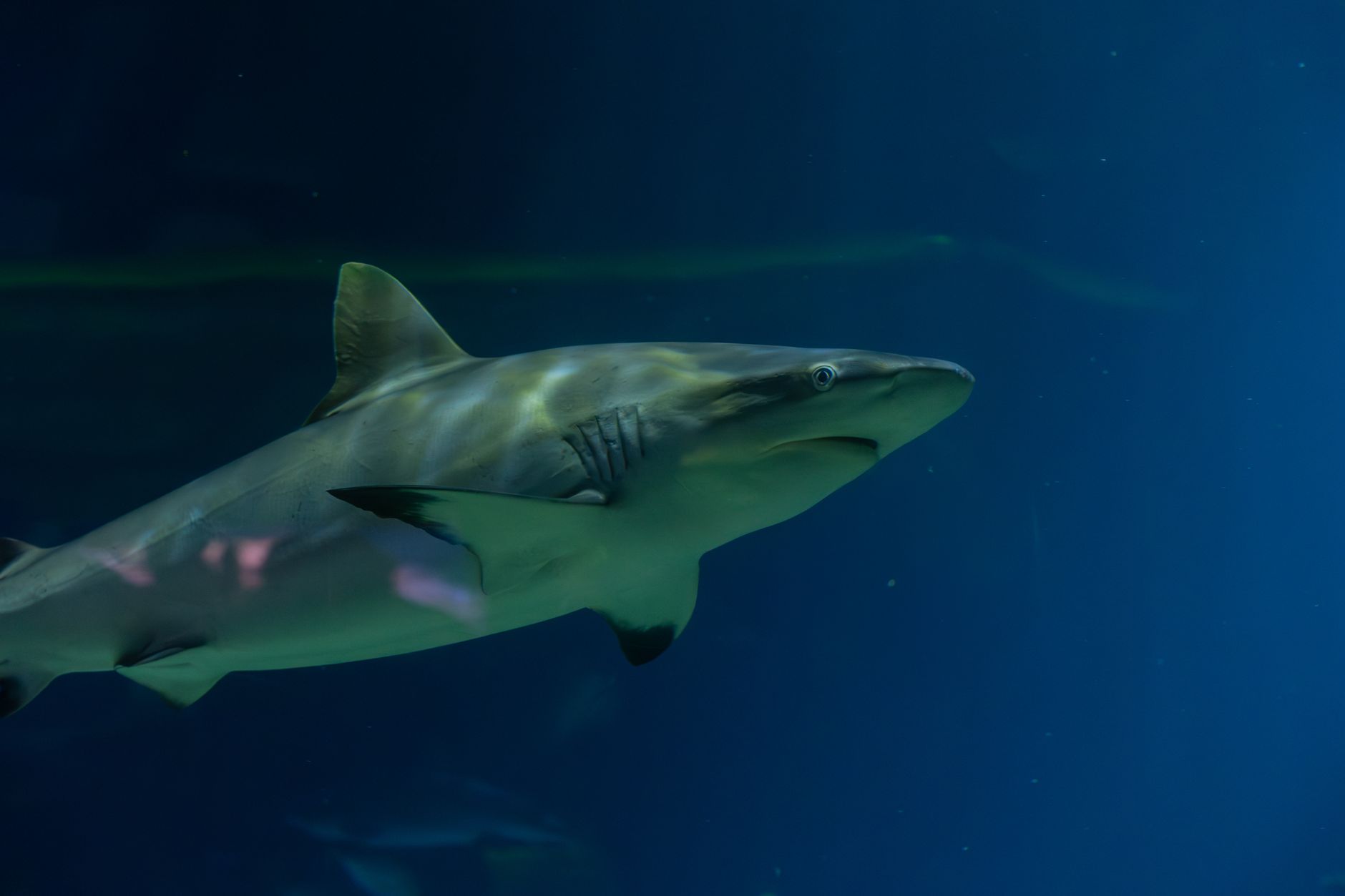
Overfishing, encompassing both targeted shark fisheries and the accidental capture of sharks as bycatch in fisheries targeting other species, is the single largest threat to shark populations. What is causing the shark population to decline can be directly attributed to the insatiable demand for shark products, particularly shark fins.
- Shark Finning: This barbaric practice involves catching sharks, removing their fins (often while the shark is still alive), and then discarding the body back into the ocean. The fins are highly prized for shark fin soup, a delicacy in some cultures. Because the rest of the shark’s body is of lesser value, this wasteful practice is widespread.
- Targeted Fisheries: Some fisheries specifically target sharks for their meat, skin, liver oil (rich in squalene), and cartilage. These fisheries can decimate local shark populations rapidly.
- Bycatch: Sharks are frequently caught unintentionally in nets and longlines intended for other fish species. They often die before being released, even if released alive they may suffer fatal injuries.
Habitat Destruction: A Loss of Safe Havens
The degradation and destruction of critical shark habitats, such as mangrove forests, coral reefs, and seagrass beds, further exacerbate the problem. These areas serve as nurseries, feeding grounds, and pupping sites for many shark species.
- Coastal Development: Construction of ports, resorts, and other infrastructure destroys or degrades essential shark habitats.
- Destructive Fishing Practices: Bottom trawling, dynamite fishing, and other harmful fishing methods damage or destroy coral reefs and other vital habitats.
- Pollution: Runoff from agricultural land, industrial waste, and sewage contaminates coastal waters, harming sharks and their prey.
Climate Change: A Shifting Ocean
Climate change poses an increasingly significant threat to shark populations. Rising ocean temperatures, ocean acidification, and changes in prey distribution are all impacting shark survival.
- Ocean Warming: Higher water temperatures can alter shark distribution, forcing them to move to cooler waters or affecting their reproductive success.
- Ocean Acidification: Increased carbon dioxide absorption by the ocean leads to acidification, which can harm the shellfish and other invertebrates that form the base of the food chain, impacting shark prey availability.
- Changes in Prey Distribution: Shifts in prey populations due to climate change can disrupt shark feeding patterns and lead to starvation.
Pollution: A Toxic Environment
Pollution in our oceans is impacting all levels of the food chain, including sharks.
- Plastic Pollution: Sharks ingest plastic debris, which can cause blockages, malnutrition, and even death.
- Chemical Pollution: Persistent organic pollutants (POPs), heavy metals, and other chemicals accumulate in shark tissues, potentially leading to reproductive problems and other health issues.
- Noise Pollution: Increased underwater noise from shipping and other human activities can disrupt shark communication and navigation.
Conservation Efforts: A Glimmer of Hope
While the situation is dire, conservation efforts are underway to protect shark populations. These include:
- Fishing Regulations: Implementing stricter fishing quotas, banning shark finning, and requiring the use of bycatch reduction devices.
- Marine Protected Areas: Establishing marine protected areas (MPAs) where fishing is restricted or prohibited.
- Public Education: Raising awareness about the importance of sharks and the threats they face.
- Research and Monitoring: Conducting research to better understand shark populations, distribution, and behavior, and monitoring the effectiveness of conservation efforts.
- Sustainable Consumption: Encouraging consumers to avoid purchasing shark products and supporting sustainable seafood choices.
| Threat | Impact on Sharks |
|---|---|
| Overfishing | Depletion of populations, disruption of food webs, bycatch mortality |
| Habitat Destruction | Loss of nurseries and feeding grounds, reduced reproductive success |
| Climate Change | Altered distribution, changes in prey availability, physiological stress |
| Pollution | Ingestion of plastics, accumulation of toxins, disruption of communication and navigation |
Frequently Asked Questions (FAQs)
What is the most significant threat to shark populations today?
The most significant threat to shark populations is undoubtedly overfishing, especially the practice of shark finning. The high demand for shark fins drives unsustainable fishing practices that decimate shark populations worldwide.
How does shark finning contribute to the decline in shark populations?
Shark finning is exceptionally wasteful and cruel. Sharks are often caught, their fins are sliced off, and then the still-living shark is thrown back into the ocean to drown or bleed to death. Because only the fins are valuable, the carcasses are discarded, leading to a massive waste of resources and a rapid decline in shark numbers.
Are all shark species equally threatened?
No, some shark species are more threatened than others. Species with slow growth rates, late maturity, and low reproductive rates are particularly vulnerable to overfishing. Coastal sharks that inhabit areas with high levels of human activity are also at greater risk.
What is bycatch, and how does it affect shark populations?
Bycatch refers to the unintentional capture of non-target species, such as sharks, in fishing gear intended for other fish. Sharks caught as bycatch often die before being released, or suffer injuries that lead to their death. This significantly contributes to the overall decline in shark populations.
What role do marine protected areas (MPAs) play in shark conservation?
Marine protected areas (MPAs) are designated areas where fishing and other human activities are restricted or prohibited. MPAs can provide safe havens for sharks, allowing populations to recover and thrive. Effective MPAs are crucial for protecting critical shark habitats and ensuring their long-term survival.
How does climate change impact shark populations?
Climate change affects sharks in several ways. Rising ocean temperatures can alter their distribution, ocean acidification can harm their prey, and changes in ocean currents can disrupt their migration patterns. These changes can lead to reduced food availability, increased stress, and ultimately, population declines.
What can individuals do to help protect shark populations?
Individuals can help protect shark populations by avoiding consuming shark products, supporting sustainable seafood choices, reducing their plastic consumption, and supporting organizations that are working to conserve sharks. Educating others about the importance of sharks is also crucial.
What is the ecological importance of sharks?
Sharks are apex predators, meaning they are at the top of the food chain. They play a crucial role in maintaining the health and stability of marine ecosystems by regulating prey populations and removing weak or diseased individuals. The loss of sharks can have cascading effects throughout the food web, leading to ecosystem imbalances.
Are there any signs of recovery in shark populations in certain areas?
Yes, in some areas where effective conservation measures have been implemented, there are signs of recovery in shark populations. These measures include stricter fishing regulations, the establishment of MPAs, and successful bycatch reduction programs. These successes demonstrate that conservation efforts can make a difference.
What are the key international agreements aimed at protecting sharks?
Several international agreements aim to protect sharks, including the Convention on International Trade in Endangered Species (CITES), which regulates the trade in certain shark species, and the Convention on Migratory Species (CMS), which promotes the conservation of migratory sharks.
How does pollution impact shark populations?
Pollution affects sharks in several ways. Sharks can ingest plastic debris, which can cause blockages and malnutrition. They can also accumulate toxins from polluted waters in their tissues, which can lead to reproductive problems and other health issues. Noise pollution can also disrupt their communication and navigation.
What is causing the shark population to decline, and what is the long-term outlook if the current trend continues?
What is causing the shark population to decline is a multifaceted problem with significant long-term consequences. If the current rate of decline continues due to overfishing, habitat destruction, climate change and pollution, many shark species face extinction. This will not only result in biodiversity loss but also profoundly disrupt marine ecosystems, leading to unpredictable and potentially catastrophic consequences for the health of our oceans and the planet. Sustained and comprehensive conservation efforts are critically needed to reverse this trend.