
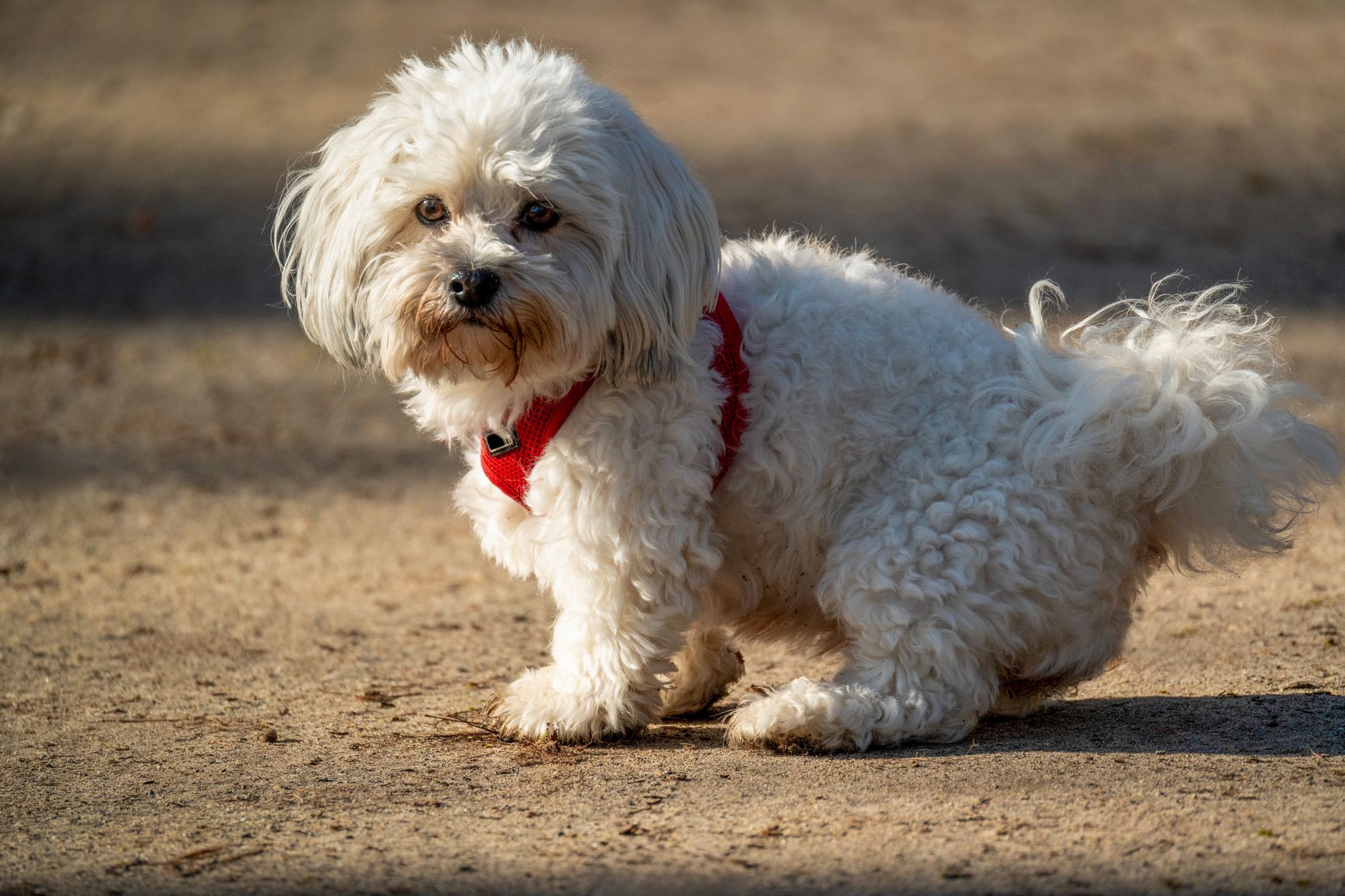
What is Black Skin Disease in Maltese Dogs? Exploring Alopecia X
Black skin disease in Maltese dogs, technically known as Alopecia X, is a condition characterized by hair loss and hyperpigmentation, causing the skin to darken and often turn black; what is black skin disease in Maltese? It is a cosmetic issue more than a serious health threat.

Understanding Alopecia X in Maltese Dogs
Alopecia X, also sometimes referred to as cosmetic alopecia, is a frustrating condition affecting primarily plush-coated breeds like Maltese, Pomeranians, Chow Chows, and Alaskan Malamutes. Its exact cause remains unknown, making diagnosis and treatment challenging. What is black skin disease in Maltese? The condition manifests most noticeably with hair loss, typically starting with the primary (outer) coat, leaving the softer undercoat intact. As the condition progresses, the undercoat may also thin out, eventually leading to complete baldness in affected areas. The skin then often becomes hyperpigmented, resulting in the characteristic “black skin” appearance.

What colours are fish most attracted to?
Can you put your finger in a trout's mouth?
Is methylene blue anti bacterial?
Does aquarium salt raise pH in aquarium?
Symptoms and Progression

The signs of Alopecia X typically appear between 1 and 10 years of age. The progression can be gradual or rapid, depending on the individual dog. Common symptoms include:
- Hair Loss: Symmetrical hair loss, often starting on the trunk, flanks, and thighs. The head and extremities are usually spared.
- Skin Hyperpigmentation: Darkening of the skin in areas where hair has been lost.
- Dry Skin and Dull Coat: The remaining coat may appear dry and lackluster.
- Secondary Infections: Due to the compromised skin barrier, secondary bacterial or yeast infections can occur.
The condition is not usually accompanied by itching or inflammation unless a secondary infection is present. This absence of itching can sometimes make it difficult to distinguish Alopecia X from other skin conditions that cause hair loss.
Diagnosis and Differential Diagnosis
Diagnosing Alopecia X can be a process of elimination. It’s crucial to rule out other potential causes of hair loss, such as:
- Hypothyroidism: Underactive thyroid gland.
- Hyperadrenocorticism (Cushing’s Disease): Excessive cortisol production.
- Demodicosis: Infestation with Demodex mites.
- Ringworm: Fungal infection.
- Allergies: Food or environmental allergies.
- Sex Hormone Imbalances: Imbalances in estrogen, testosterone, or progesterone.
Diagnostic tests often involve bloodwork to assess thyroid and adrenal function, skin scrapings to rule out Demodex mites, and fungal cultures to exclude ringworm. A skin biopsy may be performed to examine the skin tissue under a microscope. However, the biopsy findings in Alopecia X are often non-specific, showing only follicular atrophy and hyperpigmentation.
Treatment Options and Management
Because the cause of Alopecia X is unknown, there is no single, universally effective treatment. Treatment options often involve trial and error and may not always result in full hair regrowth. Some common approaches include:
- Neutering/Spaying: In some cases, neutering or spaying may stimulate hair regrowth, particularly if a sex hormone imbalance is suspected.
- Melatonin Supplementation: Melatonin is a hormone that regulates sleep-wake cycles and may have some effect on hair growth.
- Microneedling: This procedure involves creating tiny punctures in the skin to stimulate collagen production and hair follicle activity.
- Topical Medications: Certain topical medications, such as minoxidil, may promote hair growth in some dogs. Caution should be exercised when using minoxidil, as it is toxic to cats.
- Lysodren (Mitotane): This medication is typically used to treat Cushing’s disease but may be used at lower doses to induce hair regrowth in some dogs with Alopecia X. This treatment requires careful monitoring by a veterinarian due to potential side effects.
- Trilostane (Vetoryl): Another drug used to treat Cushing’s disease, which might also induce hair regrowth by altering hormone levels. Veterinary supervision is essential due to possible adverse effects.
It is important to remember that Alopecia X is primarily a cosmetic condition. If the dog is otherwise healthy and happy, treatment may not be necessary. Protecting the affected skin from sun exposure is crucial to prevent further damage.
Prognosis
The prognosis for Alopecia X is variable. Some dogs may experience spontaneous hair regrowth, while others may remain bald for life. Even with treatment, hair regrowth may be incomplete or temporary. The goal of management is to improve the dog’s appearance and prevent secondary skin infections.
Differences Between Alopecia X and Other Skin Conditions
| Condition | Cause | Symptoms | Treatment |
|---|---|---|---|
| Alopecia X | Unknown | Symmetrical hair loss, hyperpigmentation, dry skin | Neutering/Spaying, Melatonin, Microneedling, Topical medications, Lysodren, Trilostane |
| Hypothyroidism | Underactive thyroid gland | Hair loss, weight gain, lethargy | Thyroid hormone supplementation |
| Cushing’s Disease | Excessive cortisol production | Hair loss, increased thirst and urination, potbelly | Lysodren (Mitotane), Trilostane |
| Demodicosis | Demodex mite infestation | Hair loss, inflammation, itching | Amitraz dips, Ivermectin, Milbemycin |
| Allergies | Food or environmental allergens | Itching, skin redness, hair loss | Allergen avoidance, antihistamines, corticosteroids, immunotherapy |
| Ringworm | Fungal infection | Circular patches of hair loss, scaling, crusting | Antifungal medications (oral or topical) |
Frequently Asked Questions (FAQs)
Is Alopecia X painful or itchy?
Generally, Alopecia X is not painful or itchy unless a secondary bacterial or yeast infection develops. The discomfort arises primarily from the cosmetic changes and potential exposure of sensitive skin to the elements.
How is Alopecia X diagnosed in Maltese dogs?
Diagnosis involves ruling out other causes of hair loss through blood tests, skin scrapings, and fungal cultures. A skin biopsy may be performed, but the findings are often non-specific. What is black skin disease in Maltese? The diagnosis is frequently one of exclusion.
Can Alopecia X be cured?
There is no guaranteed cure for Alopecia X, as the underlying cause is unknown. Treatment focuses on managing the symptoms and attempting to stimulate hair regrowth. Success varies from dog to dog.
What are the common treatment options for Alopecia X?
Common treatment options include neutering/spaying, melatonin supplementation, microneedling, and topical medications. In some cases, medications used to treat Cushing’s disease, such as Lysodren or Trilostane, may be used off-label.
Is Alopecia X contagious to other dogs or humans?
Alopecia X is not contagious. It is a non-inflammatory alopecia; it is not caused by a parasite, fungus, or bacteria.
What is the role of melatonin in treating Alopecia X?
Melatonin is a hormone that regulates sleep cycles and may have some effect on hair growth. While the mechanism is not fully understood, it is believed that melatonin may help stimulate hair follicle activity in some dogs.
Are there any natural remedies for Alopecia X?
Some pet owners have reported success with natural remedies like coconut oil or omega-3 fatty acid supplements, but scientific evidence supporting their effectiveness is limited. Always consult with your veterinarian before trying any new treatments.
How can I protect my dog’s skin if they have Alopecia X?
Protecting the affected skin from sun exposure is crucial. Use dog-safe sunscreen on bald areas or consider clothing to shield the skin from the sun’s harmful rays.
Can diet play a role in managing Alopecia X?
While there’s no specific diet for Alopecia X, a high-quality diet rich in omega-3 fatty acids may help support overall skin and coat health.
What is the difference between Alopecia X and Cushing’s disease?
Alopecia X is primarily a cosmetic condition characterized by hair loss and hyperpigmentation, while Cushing’s disease is a hormonal disorder caused by excessive cortisol production. While hair loss can be a symptom of both conditions, Cushing’s disease also causes other systemic symptoms like increased thirst and urination.
What does the term “cosmetic alopecia” mean in relation to Alopecia X?
“Cosmetic alopecia” refers to the fact that Alopecia X is primarily a cosmetic issue and does not typically cause serious health problems. The impact is mainly on the dog’s appearance.
Should I be concerned if my Maltese develops black skin?
While black skin on your Maltese can be alarming, it’s important to consult with a veterinarian for a proper diagnosis. While it could be Alopecia X, it’s crucial to rule out other potential causes of hyperpigmentation and hair loss. Knowing what is black skin disease in Maltese? helps pet owners communicate clearly with vets for prompt diagnosis and treatment.