

What is Elephant Ivory? Unveiling the Truth Behind this Prized Material
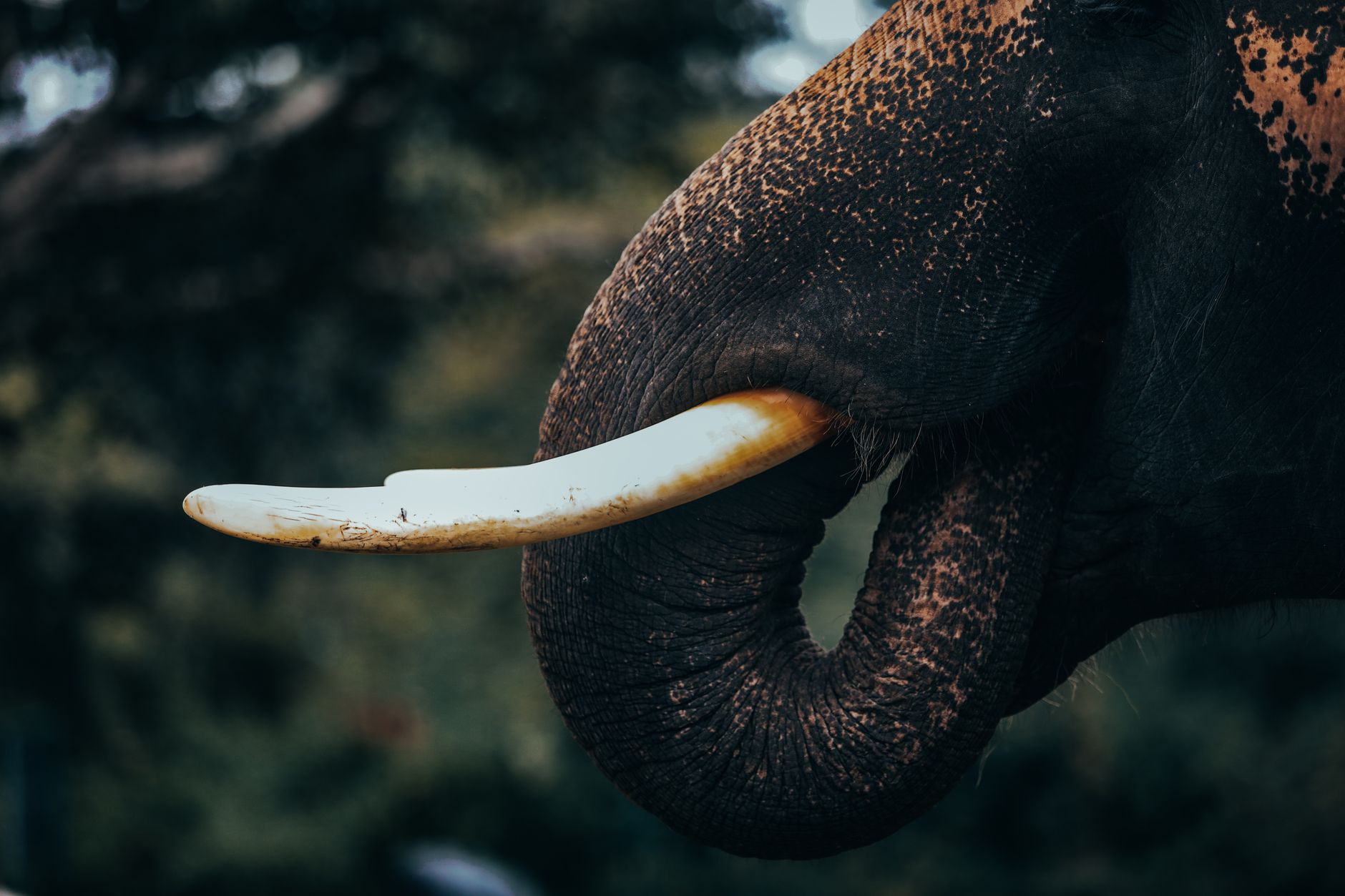
Elephant ivory is, at its core, a modified form of dentine, the same material that makes up the bulk of human teeth, but significantly denser and found in the tusks of elephants; understanding what is an elephant ivory? is crucial for its conservation.

The Composition and Formation of Elephant Ivory
Elephant ivory, scientifically speaking, is primarily composed of dentine, a hard, dense tissue made up of calcium phosphate and collagen. However, unlike the dentine in our teeth, elephant ivory exhibits a unique and highly prized cross-hatched pattern, known as the Schreger lines. This pattern is a key identifier of elephant ivory and differentiates it from other similar materials like mammoth ivory or vegetable ivory.
- Dentine: The primary component, providing the material’s hardness and density.
- Calcium Phosphate: Contributes to the rigidity and resistance of the ivory.
- Collagen: A fibrous protein that adds flexibility and strength.
- Schreger Lines: The distinctive cross-hatched pattern unique to elephant and mammoth ivory (though the angle of these lines can help differentiate the two).
Elephant tusks, which are essentially elongated incisor teeth, begin developing in elephant calves. As the elephant matures, the tusks grow continuously throughout its life. This growth process involves the deposition of new layers of dentine, adding to the tusk’s length and thickness. The what is an elephant ivory? question extends to how this material accumulates, layer by layer, over the animal’s lifespan.

What colours are fish most attracted to?
Can you put your finger in a trout's mouth?
Is methylene blue anti bacterial?
Does aquarium salt raise pH in aquarium?
The Significance of Schreger Lines
As mentioned above, Schreger lines are a crucial characteristic that helps identify and authenticate elephant ivory. They are formed by the growth patterns of the dentine tubules within the tusk.
| Feature | Description |
|---|---|
| Appearance | Cross-hatched or intersecting arcs visible on the tusk’s end grain. |
| Formation | Result of the spiraling growth of dentine tubules. |
| Identification | Key tool for distinguishing elephant ivory from other materials. |
| Angle Measurement | Can differentiate elephant ivory from mammoth ivory (angles typically are >115 degrees for elephants and <90 degrees for mammoths). |
Historical Use and Cultural Value
Elephant ivory has been prized for millennia for its beauty, durability, and workability. Historically, it has been used in a wide range of applications, including:
- Art and Sculpture: Intricate carvings, statues, and decorative objects.
- Musical Instruments: Keys for pianos, fittings for stringed instruments.
- Billiard Balls: The original material of choice for billiard balls.
- Personal Adornment: Jewelry, combs, and other personal items.
- Utilitarian Objects: Handles for knives, tools, and walking sticks.
In many cultures, elephant ivory has held symbolic and spiritual significance. It has been associated with power, wealth, and status. The high demand for elephant ivory has unfortunately led to significant declines in elephant populations due to poaching, making understanding what is an elephant ivory? and advocating for its sustainable alternatives crucial.
The Dark Side: Poaching and the Ivory Trade
The demand for ivory has fueled a devastating illegal ivory trade, resulting in the rampant poaching of elephants. This has led to drastic declines in elephant populations across Africa and Asia. The illegal ivory trade not only threatens the survival of elephants but also funds criminal networks and destabilizes communities. The question of what is an elephant ivory? is inextricably linked to the ethical dilemmas of its procurement and use.
Sustainable Alternatives to Elephant Ivory
Due to the devastating impact of the ivory trade, it’s crucial to explore and promote sustainable alternatives. These include:
- Vegetable Ivory (Tagua Nut): A hard, ivory-like material derived from the seeds of the tagua palm.
- Mammoth Ivory: Fossilized ivory from extinct mammoths; however, regulations surrounding its sale vary.
- Synthetic Ivory: Man-made materials that mimic the appearance and properties of ivory.
Conservation Efforts and Regulations
Numerous organizations and governments are working to combat the illegal ivory trade and protect elephant populations. These efforts include:
- Anti-Poaching Patrols: Protecting elephants in their natural habitats.
- Law Enforcement: Disrupting illegal ivory trafficking networks.
- International Treaties: Regulating the trade in endangered species.
- Public Awareness Campaigns: Educating consumers about the impact of the ivory trade.
Frequently Asked Questions (FAQs)
What are Schreger lines, and why are they important?
Schreger lines are the distinctive cross-hatched patterns found on the end grain of elephant and mammoth ivory. They are formed by the spiraling growth of dentine tubules within the tusk and serve as a key identifier in distinguishing elephant ivory from other materials. The angle of these lines is measured to help differentiate between elephant and mammoth ivory, usually over 115 degrees for elephants.
How can I tell if an item is made of real elephant ivory?
Identifying real elephant ivory can be tricky. Look for Schreger lines on the end grain. Also, consider the age and origin of the item. If the item is new and claiming to be ivory, it is likely illegal. Consult with a professional appraiser for authentication if you’re unsure.
Is it legal to own elephant ivory?
The legality of owning elephant ivory depends on the specific country and region. Many countries have banned the import, export, and sale of elephant ivory to combat poaching. Laws may vary regarding antique ivory. Check local regulations before acquiring or selling any ivory item.
What is vegetable ivory, and how is it used?
Vegetable ivory is a hard, ivory-like material derived from the seeds of the tagua palm. It is a sustainable alternative to elephant ivory and is used for carving, buttons, jewelry, and other decorative items. It offers a similar appearance and workability without harming elephants.
What is mammoth ivory, and is it a sustainable alternative?
Mammoth ivory is fossilized ivory from extinct mammoths. While it doesn’t involve harming living animals, the legality of its trade varies. In some regions, it is legal to trade mammoth ivory if its origin can be verified. However, selling it as “elephant ivory” is illegal.
What is CITES, and what role does it play in regulating the ivory trade?
CITES (the Convention on International Trade in Endangered Species of Wild Fauna and Flora) is an international agreement that regulates the trade in endangered species, including elephants. CITES establishes rules for the import, export, and sale of ivory to protect elephant populations and combat the illegal ivory trade.
What are the ethical considerations surrounding the purchase of ivory?
Purchasing ivory, regardless of its origin, raises significant ethical concerns. The demand for ivory fuels poaching and threatens elephant populations. Even antique ivory may contribute to the market for illegal ivory. Consider the ethical implications before acquiring any ivory item.
How can I help protect elephants from poaching?
There are many ways to help protect elephants from poaching:
- Avoid buying ivory products.
- Support organizations dedicated to elephant conservation.
- Educate others about the impact of the ivory trade.
- Advocate for stricter laws and regulations on the ivory trade.
- Report any suspected illegal ivory activity to the authorities.
What are some of the challenges in combating the illegal ivory trade?
Combating the illegal ivory trade faces several challenges:
- High demand for ivory in certain markets.
- Corruption and weak law enforcement in some regions.
- Difficulty in tracing the origin of ivory.
- Limited resources for anti-poaching efforts.
- Organized criminal networks involved in ivory trafficking.
What is DNA testing used for in the context of ivory?
DNA testing is used to trace the origin of ivory to specific elephant populations. This information helps law enforcement agencies identify poaching hotspots and disrupt illegal ivory trafficking networks. It also helps determine if ivory is from legal or illegal sources.
What is the future of elephants given the ongoing poaching crisis?
The future of elephants is uncertain given the ongoing poaching crisis. However, with increased conservation efforts, stricter regulations, and reduced demand for ivory, there is hope for the long-term survival of these magnificent creatures. Continued vigilance and action are essential.
What is the difference between African and Asian elephant ivory?
While both are elephant ivory, there are some differences. African elephant ivory tends to be harder and denser than Asian elephant ivory. Also, Asian elephants have smaller tusks on average, and some females don’t have any at all. The Schreger lines also often present subtle differences. However, these are difficult for untrained eyes to differentiate.