

What is a Yearling Mare? Understanding the First Stages of a Filly’s Life
A yearling mare is simply a female horse between the ages of one and two years old; she’s no longer a foal but hasn’t yet reached maturity or begun breeding. Understanding this crucial stage is vital for responsible horse ownership and breeding programs.

Introduction: The Yearling Mare – A Crucial Stage
The journey of a horse, from a playful foal to a mature athlete or broodmare, is fascinating. The yearling stage is a pivotal period in this journey, demanding specific care and attention to ensure healthy growth and development. Knowing what is a yearling mare entails understanding not just her age but also her evolving physical and mental needs. This article will delve into the specifics of yearling mare care, training considerations, and potential challenges.

What colours are fish most attracted to?
Can you put your finger in a trout's mouth?
Is methylene blue anti bacterial?
Does aquarium salt raise pH in aquarium?
The Development of a Yearling Mare
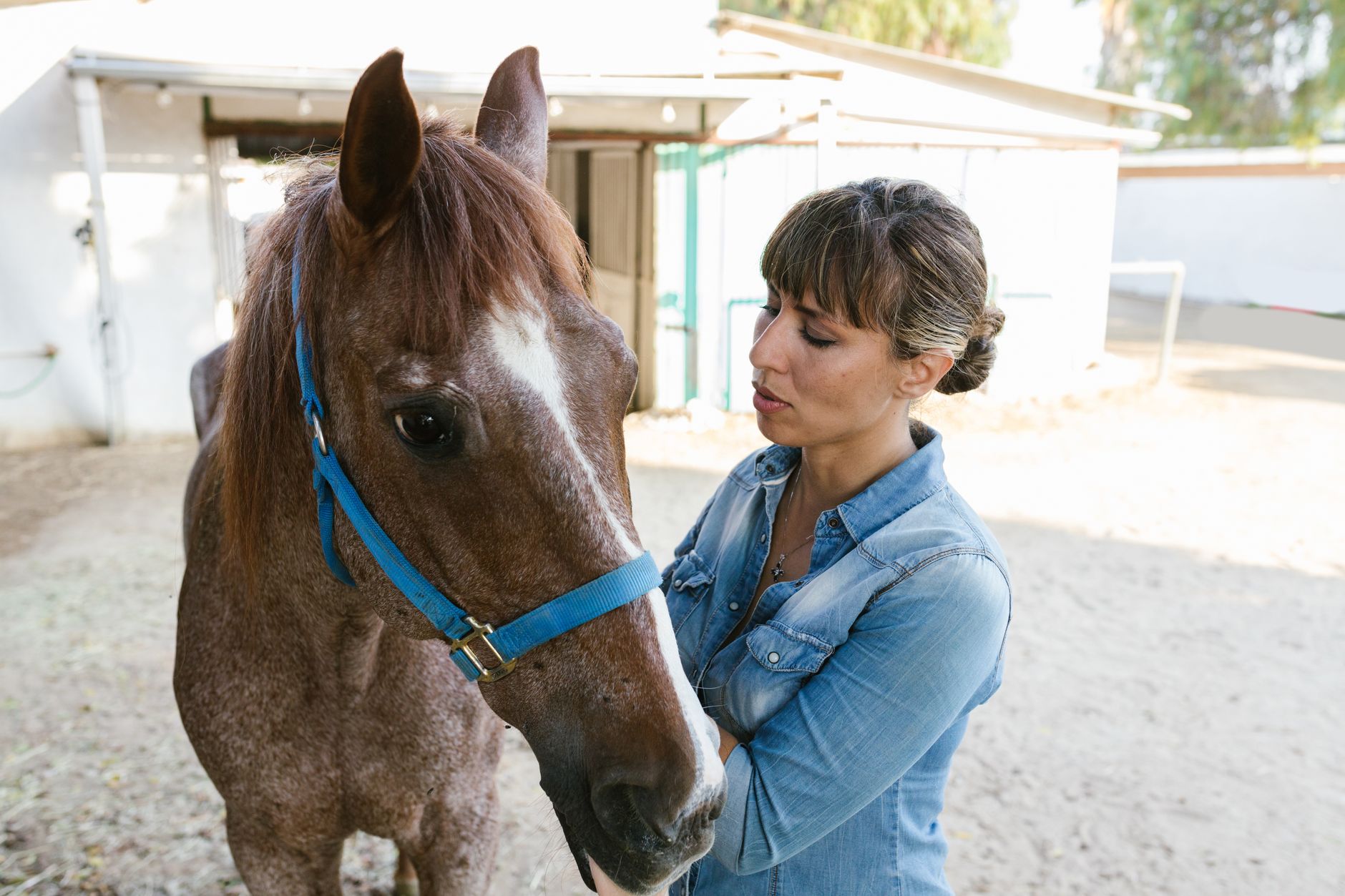
A yearling mare undergoes significant physical and hormonal changes. Rapid growth is characteristic, and proper nutrition is essential to support bone and muscle development.
- Skeletal Growth: Yearlings experience rapid skeletal growth during this period.
- Muscular Development: Adequate exercise promotes healthy muscle development.
- Hormonal Changes: As they approach two years old, yearling mares begin experiencing hormonal fluctuations associated with the onset of puberty.
Feeding a Yearling Mare: Nutritional Needs
A carefully balanced diet is paramount for a yearling mare. Their rapid growth necessitates a higher concentration of nutrients than mature horses.
- High-Quality Pasture/Hay: The foundation of their diet should be high-quality forage.
- Concentrated Feed: Supplementation with grain or commercially formulated feed may be necessary to meet their increased nutritional demands.
- Mineral Supplementation: Calcium and phosphorus are particularly important for bone development.
- Regular Body Condition Scoring: Monitoring body condition helps adjust feed to avoid being underweight or overweight.
Training and Handling a Yearling Mare
While not yet ready for strenuous work, a yearling mare benefits significantly from gentle training and handling.
- Groundwork: Focus on building trust and establishing basic commands.
- Leading and Lunging: These exercises improve coordination and obedience.
- Introduction to Tack: Gradually introduce the saddle and bridle to prepare them for future riding.
- Socialization: Exposure to other horses and environments is crucial for developing a well-adjusted temperament.
Common Health Concerns for Yearling Mares
Yearlings are susceptible to several health issues that require vigilance and proactive management.
- Parasite Control: Regular deworming is essential to prevent parasite infestations.
- Vaccinations: Follow a veterinarian-recommended vaccination schedule to protect against common diseases.
- Orthopedic Problems: Rapid growth can predispose yearlings to orthopedic issues like osteochondrosis.
- Dental Care: Regular dental check-ups are important to identify and address any dental abnormalities.
Identifying Quality Yearling Mares for Purchase
When considering purchasing a yearling mare, several factors are crucial to assess her potential.
- Conformation: Evaluate her overall structure for soundness and athletic ability.
- Pedigree: Research her bloodlines to assess her potential for performance or breeding.
- Temperament: Observe her behavior and interactions with people and other horses.
- Health History: Obtain a veterinary examination to identify any pre-existing health conditions.
Preparing for Sale: Presenting a Yearling Mare
If you plan to sell your yearling mare, proper preparation can significantly increase her value.
- Nutrition: Ensure she is in optimal body condition.
- Grooming: Maintain a clean and well-groomed appearance.
- Training: Showcase her basic training and handling skills.
- Presentation: Practice leading and posing her effectively.
Factors Affecting the Value of a Yearling Mare
Several factors contribute to the price a yearling mare can command:
| Factor | Impact |
|---|---|
| Pedigree | Highly influential; desirable bloodlines increase value significantly. |
| Conformation | Good conformation is essential for soundness and athletic potential. |
| Training | Basic training and handling increase appeal to potential buyers. |
| Health Records | Complete and clean health records boost buyer confidence. |
| Market Trends | Current market demand and trends play a role in determining price. |
Common Mistakes in Yearling Mare Management
Avoiding common pitfalls is crucial for raising a healthy and well-adjusted yearling mare.
- Overfeeding: Can lead to developmental orthopedic disease.
- Neglecting Hoof Care: Regular trimming is essential for hoof health.
- Insufficient Handling: Can result in a fearful and difficult horse.
- Ignoring Health Problems: Can lead to chronic conditions.
Conclusion: The Promise of a Yearling Mare
Understanding what is a yearling mare and providing proper care during this formative stage is an investment in her future. With appropriate nutrition, training, and healthcare, a yearling mare can develop into a valuable riding horse, show horse, or broodmare, bringing years of enjoyment and potential returns.
Frequently Asked Questions (FAQs)
What is the typical height and weight range for a yearling mare?
Yearling mares exhibit significant variation in height and weight depending on their breed. Generally, they range from 12 to 14.2 hands high and weigh between 600 and 900 pounds. However, this is just a guideline, and individual horses may fall outside of these ranges. Regular monitoring of growth and body condition is essential.
How often should a yearling mare be dewormed?
Deworming schedules vary depending on the region and parasite prevalence. A veterinarian can recommend an appropriate deworming protocol based on fecal egg counts and local parasite risks. Generally, yearlings require more frequent deworming than mature horses.
What are some early signs of developmental orthopedic disease (DOD) in a yearling mare?
Early signs of DOD can include swollen joints, lameness, and stiffness. These signs are often subtle, so careful observation is crucial. If you suspect DOD, consult a veterinarian for a diagnosis and treatment plan. Early intervention is key to managing DOD effectively.
What type of bedding is best for a yearling mare’s stall?
Suitable bedding options include straw, wood shavings, and pelleted bedding. The best choice depends on factors such as cost, availability, and dust levels. Regardless of the type of bedding used, it is essential to maintain a clean and dry stall to prevent respiratory problems and foot infections.
At what age can a yearling mare be bred?
Breeding a yearling mare is generally discouraged due to the strain it places on her developing body. It’s generally recommended to wait until she is at least three years old to allow her to reach physical maturity. Breeding too early can compromise her health and longevity.
What are the benefits of starting training with a yearling mare?
Starting training with a yearling mare allows you to establish a strong foundation of trust and communication. Early training focuses on groundwork, leading, and desensitization, which can make the mare easier to handle and train later in life.
How important is socialization for a yearling mare?
Socialization is extremely important for a yearling mare’s mental and emotional well-being. Interaction with other horses helps her develop appropriate social skills and reduces the risk of behavioral problems later in life.
What are the key considerations when choosing a farrier for a yearling mare?
Choose a farrier with experience working with young horses. They should have a good understanding of hoof anatomy and growth patterns, and be able to provide appropriate trimming and shoeing to support healthy hoof development.
What role does genetics play in the development of a yearling mare?
Genetics play a significant role in determining a yearling mare’s potential for performance, conformation, and temperament. Researching her pedigree can provide valuable insights into her likely traits and abilities.
How can I prevent my yearling mare from becoming overweight?
Managing your yearling mare’s weight begins with proper nutrition. Regularly monitor her body condition score and adjust her feed accordingly. Ensure she has access to adequate exercise to burn calories and maintain a healthy weight.
What are the legal requirements for owning a yearling mare?
Legal requirements vary depending on your location. You may need to register your horse with a breed registry or local authorities. It’s also important to ensure she receives necessary vaccinations and veterinary care to comply with animal welfare regulations.
What is the best way to transport a yearling mare?
When transporting a yearling mare, ensure she is comfortable and secure. Use a well-maintained horse trailer with adequate ventilation and bedding. It’s also important to drive carefully and avoid sudden stops or turns. Consider using a professional horse transport service for long distances.