
What is a Three-Toed Sloth for Kids?
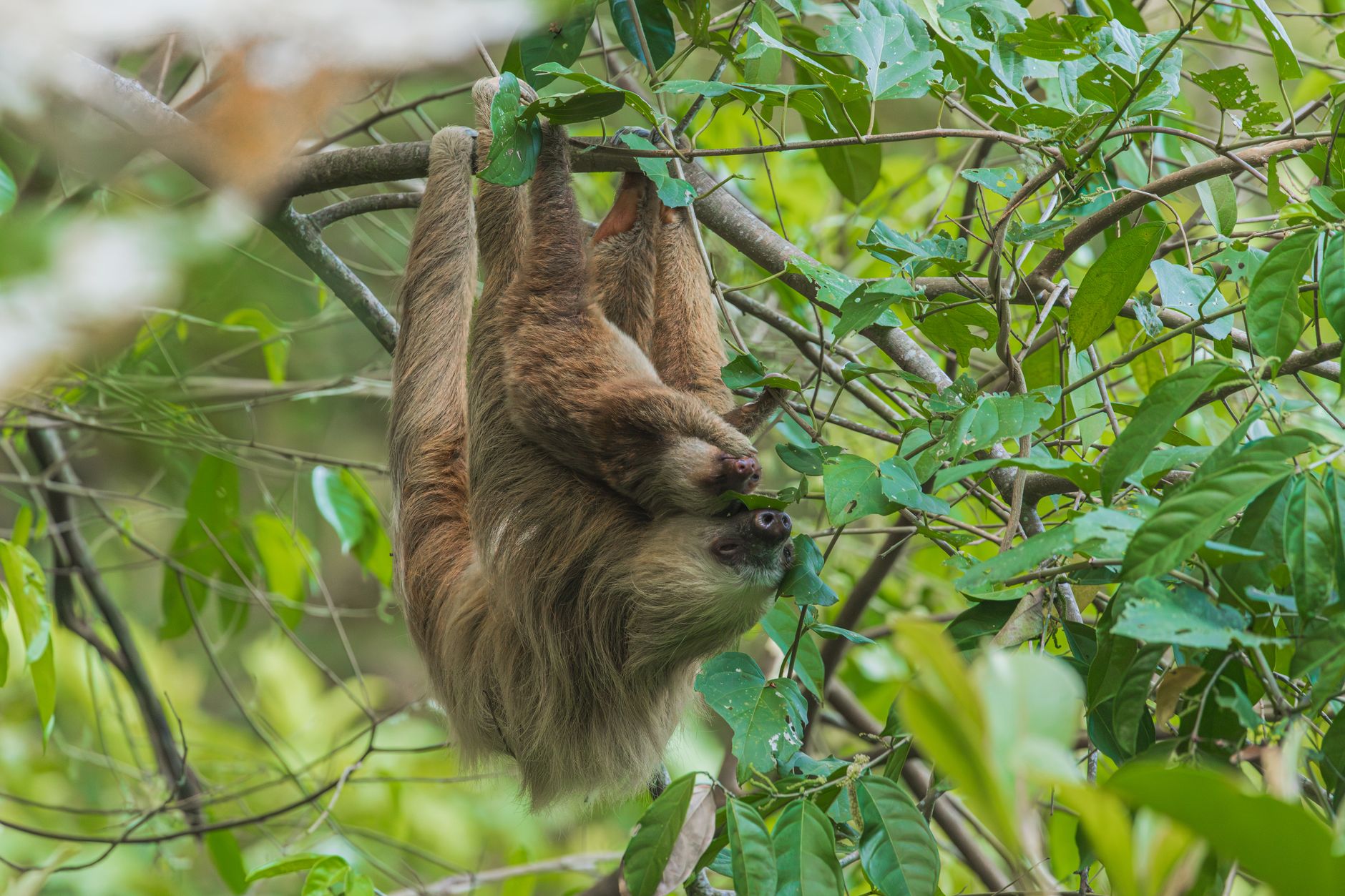
A three-toed sloth is a super slow-moving mammal that lives in the rainforests of Central and South America and spends almost all its time hanging upside down in trees! It’s known for its shaggy fur and, of course, having three toes on each of its front feet.
Introduction to the Three-Toed Sloth
Imagine an animal so relaxed it seems to live in slow motion. That’s a three-toed sloth! These gentle creatures are masters of conservation, using as little energy as possible to survive in their lush rainforest home. What is a three-toed sloth for kids? Well, it’s a furry, tree-dwelling friend that teaches us about patience and the beauty of a slow life. They’re fascinating animals that play a vital role in their ecosystem, and there’s so much to learn about them!

What colours are fish most attracted to?
Can you put your finger in a trout's mouth?
Is methylene blue anti bacterial?
Does aquarium salt raise pH in aquarium?
Where Do They Live?
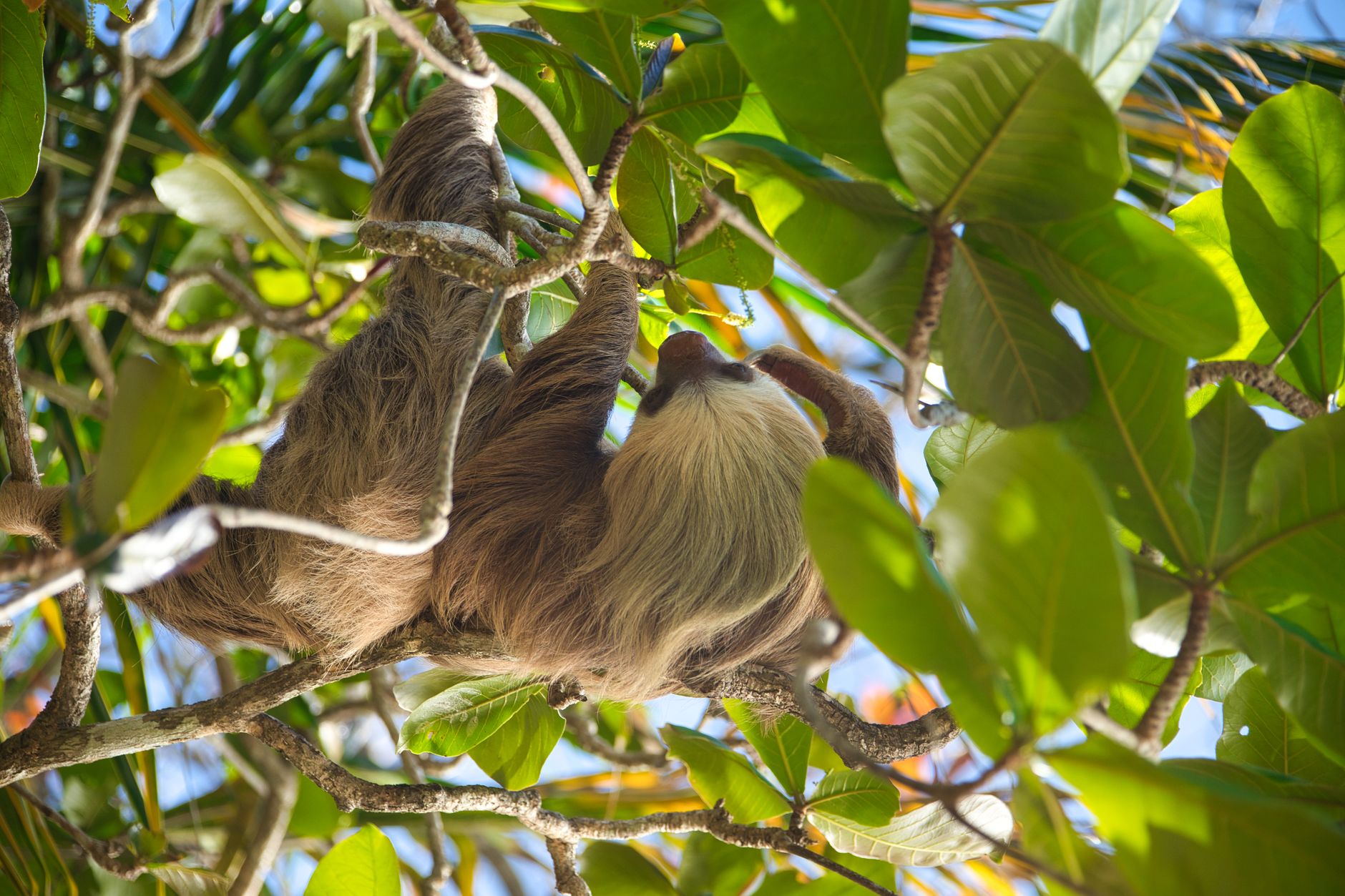
Three-toed sloths are found in the rainforests of Central and South America. They particularly love areas with tall trees and plenty of leaves to eat. Look at countries like:
- Costa Rica
- Panama
- Brazil
- Colombia
- Ecuador
These rainforests provide everything they need to survive and thrive.
What Do They Eat?
Three-toed sloths are mostly herbivores, meaning they eat plants. Their diet primarily consists of:
- Leaves
- Twigs
- Buds
Their digestive system is incredibly slow, taking up to a month to digest a single meal! This helps them extract as much energy as possible from their low-calorie diet.
Why Are They So Slow?
The slowness of the three-toed sloth is one of its most defining characteristics. But why are they so slow? The answer lies in their diet. Leaves aren’t very nutritious, so sloths have to conserve energy. By moving slowly, they use less energy and can survive on their low-calorie diet. Their slow movements also help them avoid predators, as they blend in with the trees.
How They Hang Upside Down
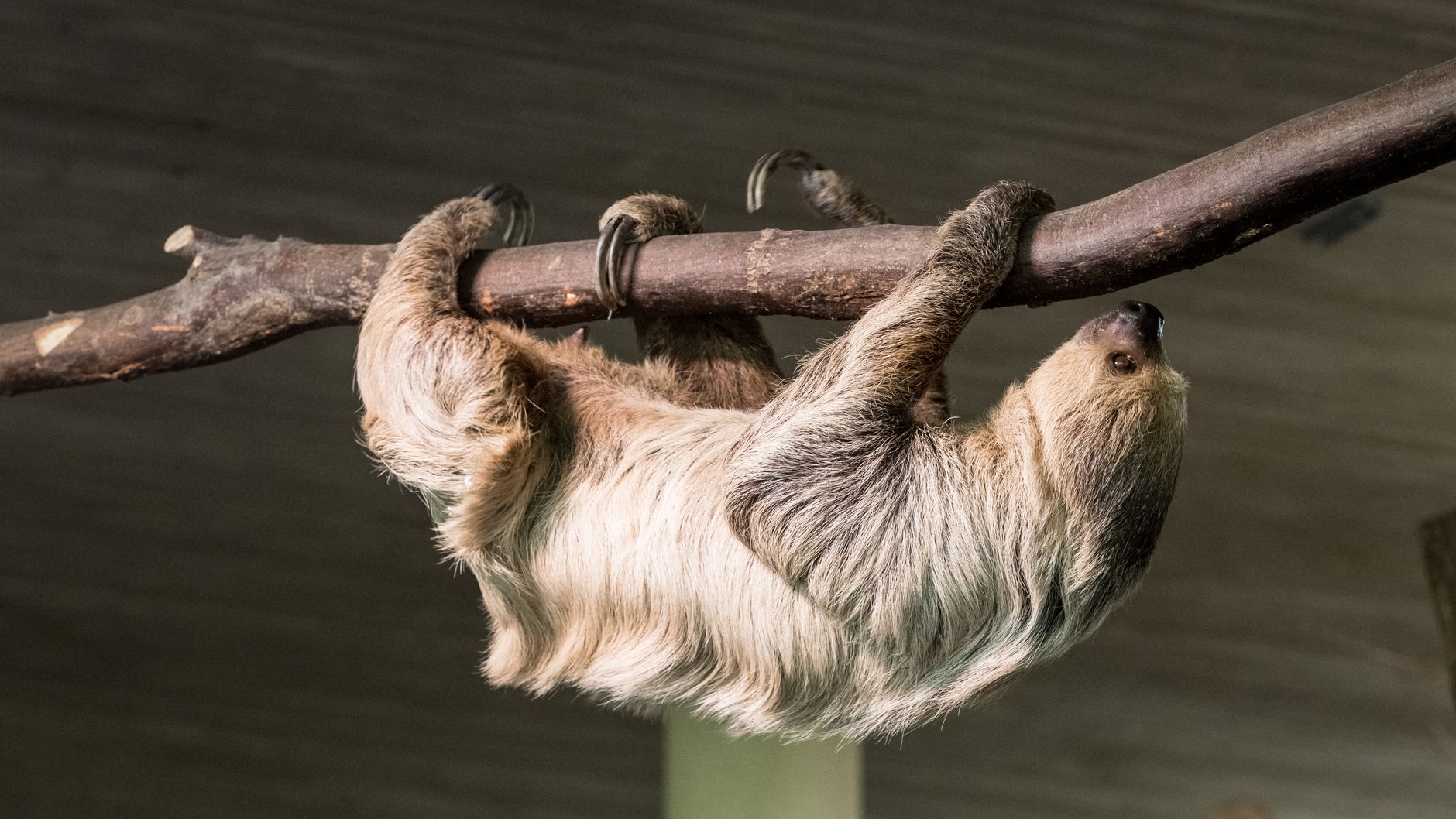
Three-toed sloths are experts at hanging upside down. They have strong, curved claws that act like hooks, allowing them to grip branches securely. Their muscles are also adapted to this unique lifestyle, requiring very little effort to stay suspended. Hanging upside down allows them to reach leaves that other animals can’t, giving them a competitive advantage in the rainforest.
Appearance and Adaptations
Three-toed sloths have several adaptations that help them survive in their environment:
- Fur: Their shaggy fur is often green due to algae growth, which provides camouflage in the trees.
- Toes: As the name suggests, they have three toes on each of their front feet.
- Neck: They can rotate their necks almost 360 degrees, allowing them to see around without moving their bodies.
- Teeth: They have simple, peg-like teeth that are well-suited for grinding leaves.
Threats to Three-Toed Sloths
While they are naturally slow-moving, three-toed sloths face increasing threats from human activities, including:
- Deforestation: The destruction of their rainforest habitat is a major concern.
- Hunting: Sadly, some are hunted for meat or as pets.
- Roads: Crossing roads can be dangerous for these slow creatures.
Protecting their habitat is crucial to ensuring their survival.
How You Can Help
Even though we might live far away from the rainforest, there are things we can do to help three-toed sloths:
- Support Conservation Organizations: Donate to groups that protect rainforests and wildlife.
- Reduce Your Carbon Footprint: This helps protect the planet and the rainforests where sloths live.
- Spread Awareness: Tell your friends and family about these amazing animals and the threats they face.
Comparison with Two-Toed Sloths
| Feature | Three-Toed Sloth | Two-Toed Sloth |
|---|---|---|
| Toes on Front Feet | 3 | 2 |
| Diet | Primarily leaves | Leaves, fruits, and small animals |
| Activity Pattern | Diurnal (active during the day) | Nocturnal (active at night) |
| Neck Vertebrae | More, allowing greater head rotation | Fewer |
They might seem similar, but three-toed and two-toed sloths have significant differences.
Interesting Facts about Three-Toed Sloths
- They only come down from the trees about once a week to use the bathroom!
- Their slow metabolism allows them to survive on very little food.
- They are surprisingly good swimmers!
- They can hold their breath for up to 40 minutes, longer than dolphins!
Learning these amazing facts helps us understand and appreciate these unique creatures even more.
Three-Toed Sloths in Popular Culture
While not as widely featured as some other animals, three-toed sloths have made appearances in movies, books, and cartoons, often portraying them as slow, relaxed, and sometimes a little clumsy. These portrayals can help raise awareness about these fascinating animals and inspire people to learn more about them.
Frequently Asked Questions About Three-Toed Sloths
What is a three-toed sloth for kids?
A three-toed sloth is a fluffy, slow-moving animal that lives in trees in the rainforest. They’re famous for their laid-back lifestyle and spending most of their time hanging upside down!
Are three-toed sloths dangerous?
No, three-toed sloths are not dangerous. They are generally peaceful and shy animals. They are more likely to run away (or rather, slowly climb away) than to attack.
How long do three-toed sloths live?
Three-toed sloths can live for around 20 to 30 years in the wild. In captivity, they can sometimes live even longer. A healthy diet and a safe environment are key to their longevity.
Do three-toed sloths have teeth?
Yes, they have teeth, but they are simple, peg-like teeth that are well-suited for grinding leaves. They don’t have incisors or canines, just molars. These unique teeth help them process their leafy diet.
Why do three-toed sloths have algae on their fur?
The algae growing on their fur helps them camouflage in the trees, making them harder for predators to spot. The algae also provides nutrients to the sloth. It’s a win-win situation!
How do three-toed sloths avoid predators?
Their camouflage, slow movements, and quiet nature help them avoid predators. They blend in with the trees and are difficult to detect. Their slow metabolism also means they don’t need to move around much.
Can three-toed sloths walk on the ground?
Yes, but they are very awkward and slow on the ground. They have trouble walking because their legs are adapted for hanging upside down. They usually drag themselves along the ground.
Are three-toed sloths good swimmers?
Surprisingly, yes! Three-toed sloths are good swimmers. They can hold their breath for long periods and move through the water with ease. This helps them cross rivers and escape from predators.
Do three-toed sloths live alone or in groups?
Three-toed sloths are generally solitary animals, meaning they prefer to live alone. They only come together to mate. Each sloth has its own territory and doesn’t interact much with others.
What is the baby of a three-toed sloth called?
The baby of a three-toed sloth is called a pup. The mother sloth will carry her pup on her belly for several months after it is born.
How do three-toed sloths sleep?
Three-toed sloths sleep while hanging upside down from branches. They can sleep for up to 15-20 hours a day. Their relaxed posture helps them conserve energy even while sleeping.
What is the scientific name for the three-toed sloth?
The scientific name for the three-toed sloth is Bradypus. This name comes from the Greek words “bradys” meaning slow, and “pous” meaning foot, which perfectly describes these leisurely creatures.