

What is a Sand Piranha? Unveiling the Secrets of Niger’s Tiny Terrors
The term “sand piranha” refers to the Hydrocynus brevis, a relatively small species of freshwater fish in the Hydrocynus genus found in West Africa, known for its piranha-like teeth and aggressive feeding habits, especially when feeding on smaller fish. Although less dangerous than their larger cousins, they still command respect.

Introduction to Hydrocynus brevis
The natural world is full of fascinating creatures, and the Hydrocynus brevis, or “sand piranha” as it’s often called, is a prime example. Though not a true piranha, this fish shares characteristics with its South American namesakes, particularly in its dentition and predatory behavior. Found primarily in the Niger River basin and other waterways in West Africa, it plays a vital role in the local ecosystem. This article delves into the specifics of What is a sand piranha?, exploring its habitat, behavior, and significance.

What colours are fish most attracted to?
Can you put your finger in a trout's mouth?
Is methylene blue anti bacterial?
Does aquarium salt raise pH in aquarium?
Habitat and Distribution
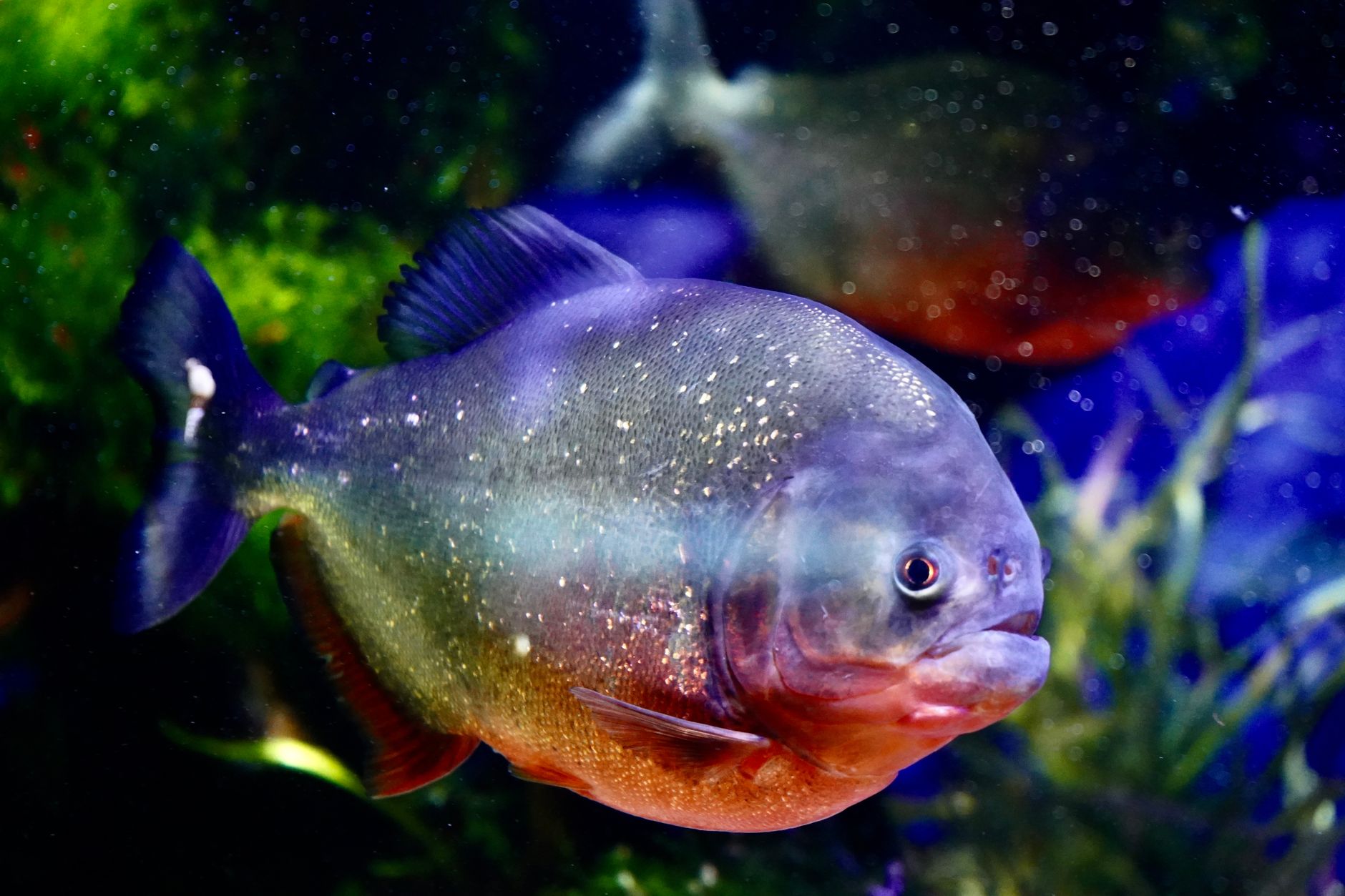
The Hydrocynus brevis thrives in the warm, often turbid waters of West African rivers and lakes. Its range includes:
- Niger River basin: A primary habitat.
- Senegal River: Another significant area.
- Gambia River: Where populations can also be found.
- Lake Chad: Historically, though populations may be affected by environmental changes.
The fish prefers freshwater environments with ample vegetation and hiding places. Water clarity is not a major factor, as they rely more on senses other than sight to hunt in murky conditions.
Physical Characteristics
While smaller than other Hydrocynus species, the Hydrocynus brevis (sand piranha) possesses defining physical traits:
- Size: Typically reaches lengths of 12-18 inches.
- Teeth: Sharp, conical teeth similar to those of piranhas. These teeth are crucial for tearing flesh.
- Body shape: Streamlined and laterally compressed, allowing for swift movement in the water.
- Coloration: Silvery body with darker dorsal and caudal fins.
Diet and Feeding Behavior
The Hydrocynus brevis is a carnivore, with a diet consisting primarily of:
- Small fish: The mainstay of their diet.
- Insects: Particularly aquatic larvae.
- Crustaceans: Such as small crabs and shrimp.
- Occasionally, plant matter: In very small quantities.
They are ambush predators, using their speed to surprise prey. They can also hunt in schools, especially when targeting larger prey items. Their aggressive feeding habits, though not as extreme as true piranhas, are a significant factor in the aquatic ecosystem.
Ecological Role
The Hydrocynus brevis plays a crucial role in its environment by:
- Controlling populations of smaller fish: Preventing overpopulation and maintaining balance.
- Serving as prey for larger predators: Such as larger fish, birds, and reptiles.
- Contributing to nutrient cycling: Through their feeding and waste production.
Any changes to their population, whether through overfishing or habitat destruction, can have cascading effects on the entire food web.
Conservation Status
While not currently listed as threatened or endangered, the Hydrocynus brevis faces several potential threats:
- Habitat destruction: Due to deforestation, dam construction, and pollution.
- Overfishing: Especially in areas where they are targeted as a food source.
- Climate change: Altering water temperatures and availability.
Further research and monitoring are needed to ensure the long-term survival of this species.
Frequently Asked Questions About the Sand Piranha
What is a Sand Piranha?
The term “sand piranha” is the common name for the Hydrocynus brevis, a West African freshwater fish. It is known for its sharp teeth and predatory behavior, though not a true piranha, it shares similar characteristics.
Is the Sand Piranha Dangerous to Humans?
While Hydrocynus brevis has sharp teeth and a reputation as a predator, they are generally not considered dangerous to humans. They are much smaller than the Goliath Tigerfish and primarily target smaller fish. Bites are rare and unlikely to cause serious harm.
Where Can I Find Sand Piranhas?
The Hydrocynus brevis is found primarily in the Niger River basin and other major river systems in West Africa, including the Senegal and Gambia Rivers. They inhabit freshwater environments with ample vegetation.
What Do Sand Piranhas Eat?
The diet of a sand piranha primarily consists of smaller fish, insects, and crustaceans. They are carnivorous predators and play a vital role in controlling populations of smaller organisms in their ecosystem.
How Big Do Sand Piranhas Get?
Sand piranhas typically reach lengths of 12 to 18 inches. This is significantly smaller than other members of the Hydrocynus genus, such as the Goliath Tigerfish, which can grow much larger.
Are Sand Piranhas Related to Piranhas?
Although the Hydrocynus brevis is called a “sand piranha,” it is not closely related to true piranhas (Pygocentrus) from South America. The name comes from the similarity in their teeth and predatory behavior, which is a case of convergent evolution.
Can Sand Piranhas Be Kept as Pets?
While technically possible to keep Hydrocynus brevis in a large aquarium, it is not recommended for most hobbyists. They require a large tank, specific water conditions, and a diet of live fish, making them challenging and expensive to care for.
How Long Do Sand Piranhas Live?
The lifespan of Hydrocynus brevis in the wild is not well documented. In captivity, with proper care, they can potentially live for several years.
What is the Conservation Status of Sand Piranhas?
The Hydrocynus brevis is not currently listed as threatened or endangered, but they face potential threats from habitat destruction, overfishing, and climate change. Continued monitoring is important to ensure their long-term survival.
What is the Difference Between a Sand Piranha and a Goliath Tigerfish?
Both the Hydrocynus brevis and the Goliath Tigerfish (Hydrocynus goliath) belong to the same genus, but they differ significantly in size and distribution. The Goliath Tigerfish is much larger and found primarily in the Congo River basin, while the Hydrocynus brevis is smaller and found in West African rivers.
What Predators Eat Sand Piranhas?
The Hydrocynus brevis is preyed upon by larger fish, birds, and reptiles, particularly when they are young or smaller. Their predatory nature does not make them immune to becoming prey themselves.
Why Are They Called “Sand Piranhas”?
The name “sand piranha” likely comes from their relatively small size and their presence in sandy-bottomed rivers in West Africa. Combined with their piranha-like teeth and predatory behavior, the name became a descriptive and easily remembered nickname.