
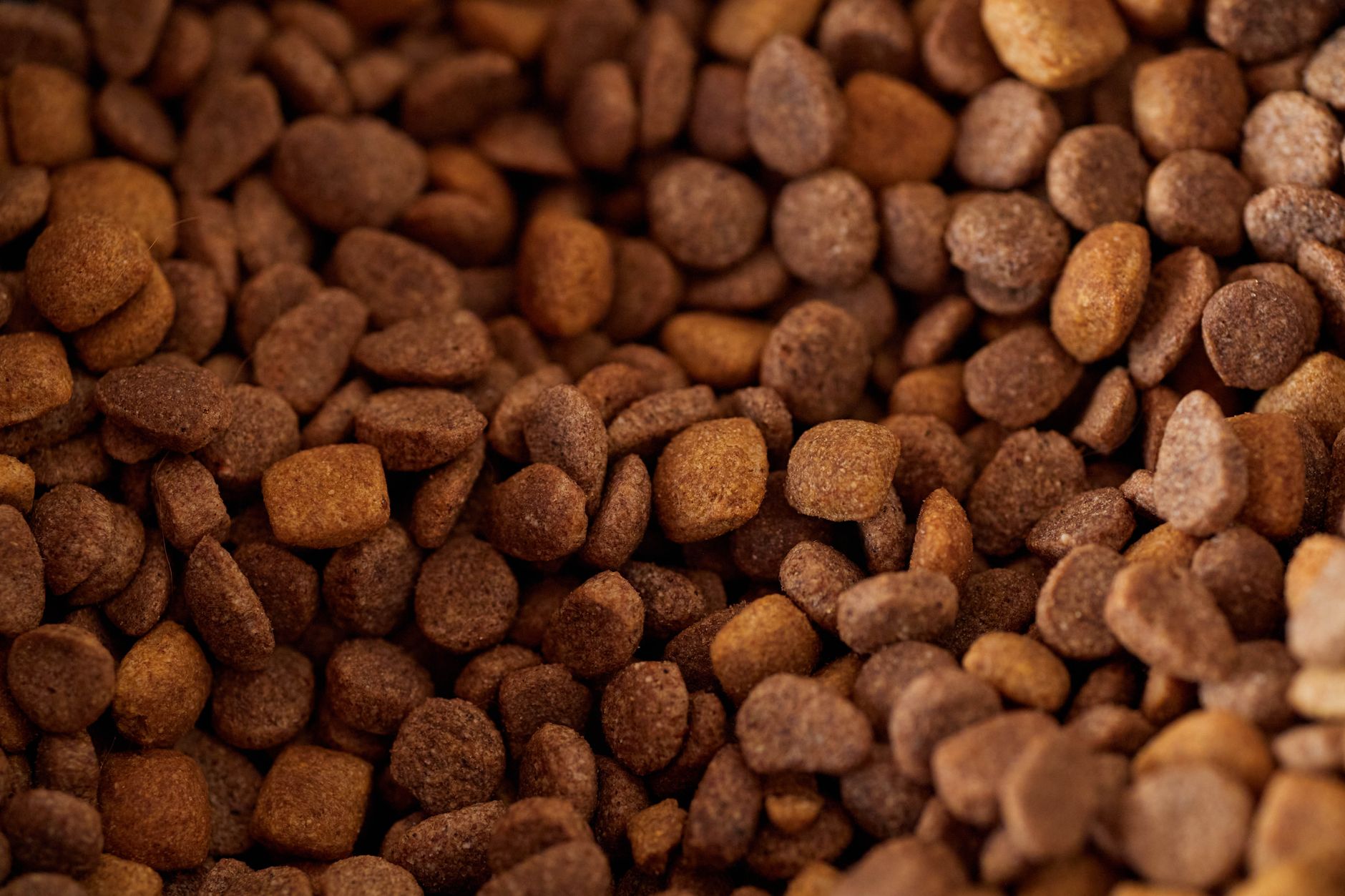
What is a Premium Diet for Dogs? Unlocking Canine Nutrition
A premium diet for dogs focuses on providing superior nutrition through high-quality ingredients, balanced formulas, and a focus on overall canine health, resulting in enhanced well-being, longevity, and vitality. What is a premium diet for dogs? In essence, it is a diet designed to optimize your dog’s health from the inside out.

Defining a Premium Diet for Dogs
Moving beyond basic nutritional needs, a premium diet for dogs prioritizes ingredient quality, digestibility, and bioavailability. It considers the specific life stage, breed, activity level, and potential health concerns of the individual dog.
What colours are fish most attracted to?
Can you put your finger in a trout's mouth?
Is methylene blue anti bacterial?
Does aquarium salt raise pH in aquarium?
The Cornerstones of Canine Nutritional Excellence

A truly premium dog food incorporates several key characteristics:
- High-Quality Protein Sources: Primary protein sources should be identifiable, animal-based proteins like chicken, beef, lamb, or fish. Avoid generic “meat meal” or “by-products” as primary ingredients.
- Easily Digestible Carbohydrates: Opt for whole grains like brown rice, quinoa, or sweet potatoes instead of fillers like corn, wheat, or soy, which can be difficult for some dogs to digest.
- Healthy Fats: Essential fatty acids, such as omega-3 and omega-6, are crucial for skin and coat health, brain function, and inflammation reduction. Sources include fish oil, flaxseed oil, and sunflower oil.
- Vitamins and Minerals: A complete and balanced formula will contain all the necessary vitamins and minerals in appropriate ratios for optimal health.
- Limited Artificial Additives: Minimize or eliminate artificial colors, flavors, and preservatives. Natural preservatives like vitamin E (tocopherols) are preferable.
- Life Stage Appropriateness: Choose a formula specifically designed for your dog’s life stage (puppy, adult, senior).
- Transparency: Reputable brands provide detailed ingredient lists, nutritional information, and feeding guidelines.
The Benefits of Feeding a Premium Diet
Choosing a premium diet offers numerous benefits for your canine companion:
- Improved Digestion: High-quality ingredients are more easily digested, leading to fewer digestive issues, better nutrient absorption, and smaller, firmer stools.
- Enhanced Energy Levels: Optimal nutrition fuels your dog’s activity and vitality.
- Healthier Skin and Coat: Essential fatty acids promote a shiny coat and healthy skin, reducing itching and dryness.
- Stronger Immune System: Adequate vitamins and minerals support a robust immune system, making your dog less susceptible to illness.
- Increased Longevity: Providing your dog with optimal nutrition throughout their life can contribute to a longer and healthier lifespan.
- Weight Management: Balanced formulas and controlled calorie content help maintain a healthy weight.
- Reduced Allergies and Sensitivities: Eliminating common allergens like corn, wheat, and soy can alleviate allergy symptoms in sensitive dogs.
Reading Dog Food Labels: A Guide to Deciphering Ingredients
Understanding dog food labels is essential for making informed choices. Pay attention to the following:
- Ingredient List: Ingredients are listed in descending order by weight. The first few ingredients make up the bulk of the food.
- Guaranteed Analysis: This provides information on the percentage of crude protein, crude fat, crude fiber, and moisture.
- AAFCO Statement: This statement indicates whether the food meets the nutritional standards established by the Association of American Feed Control Officials (AAFCO) for a particular life stage.
Common Mistakes When Choosing a Dog Food
Many dog owners make common mistakes when selecting dog food, which can negatively impact their dog’s health:
- Relying solely on marketing claims: Don’t be swayed by fancy packaging or catchy slogans. Focus on the ingredient list and nutritional information.
- Choosing the cheapest option: Low-cost foods often contain low-quality ingredients and fillers.
- Failing to consider individual needs: Choose a food that is appropriate for your dog’s life stage, breed, activity level, and health concerns.
- Ignoring ingredient sensitivities: If your dog has allergies or sensitivities, carefully read ingredient labels and avoid potential triggers.
- Overfeeding: Even with a premium food, overfeeding can lead to weight gain and health problems. Follow the feeding guidelines and adjust as needed based on your dog’s individual needs.
The Importance of Consulting Your Veterinarian
Before making significant changes to your dog’s diet, it’s always best to consult with your veterinarian. They can assess your dog’s individual needs and recommend a diet that is appropriate for their specific health conditions.
Transitioning to a Premium Diet
When switching to a premium diet, it’s important to do so gradually to avoid digestive upset. Mix a small amount of the new food with your dog’s current food, gradually increasing the proportion of the new food over 7-10 days.
| Day | New Food | Old Food |
|---|---|---|
| 1-2 | 25% | 75% |
| 3-4 | 50% | 50% |
| 5-6 | 75% | 25% |
| 7-10 | 100% | 0% |
Beyond the Bag: Incorporating Fresh Foods
While high-quality kibble forms the basis of a premium diet, consider supplementing with fresh foods like cooked lean meats, vegetables, and fruits to provide additional nutrients and variety. Always research which foods are safe for dogs before offering them.
Frequently Asked Questions (FAQs)
What is the difference between “premium” and “regular” dog food?
Premium dog foods typically contain higher-quality ingredients, more digestible carbohydrates, and fewer artificial additives than regular dog foods. This translates to better nutrient absorption, improved digestion, and overall enhanced health for your dog.
Are grain-free diets always better for dogs?
While grain-free diets can be beneficial for dogs with grain sensitivities, they are not inherently superior for all dogs. Some grain-free formulas may lack essential nutrients or contain higher levels of other carbohydrates. Consult with your veterinarian to determine if a grain-free diet is appropriate for your dog.
How do I know if my dog is benefiting from a premium diet?
You may notice improvements in your dog’s energy levels, coat condition, digestion, and overall health. Regular veterinary checkups can also help assess your dog’s overall well-being and determine if the diet is meeting their nutritional needs.
Is it necessary to feed a premium diet to a healthy dog?
Even healthy dogs can benefit from a premium diet. By providing optimal nutrition, you can help support their long-term health and prevent potential health problems.
How much does a premium diet cost compared to regular dog food?
Premium dog foods are generally more expensive than regular dog foods due to the higher quality of ingredients. However, the long-term health benefits may outweigh the higher cost.
Can I make my own premium dog food at home?
While homemade dog food can be a healthy option, it’s crucial to ensure it’s properly balanced and meets your dog’s nutritional needs. Consult with a veterinary nutritionist to develop a recipe that is appropriate for your dog.
What are some common ingredients to avoid in dog food?
Avoid foods that contain excessive fillers like corn, wheat, and soy, as well as artificial colors, flavors, and preservatives. Also, be wary of generic “meat meal” or “by-products” as primary protein sources.
How important is the protein source in a premium diet?
The protein source is extremely important in a premium diet for dogs. Look for identifiable, animal-based proteins like chicken, beef, lamb, or fish. These are more digestible and provide essential amino acids for muscle development and overall health.
What is the role of fat in a premium diet?
Healthy fats, such as omega-3 and omega-6 fatty acids, are crucial for skin and coat health, brain function, and reducing inflammation. Sources like fish oil, flaxseed oil, and sunflower oil are beneficial additions to a premium diet.
How does a premium diet impact a senior dog’s health?
A premium diet for senior dogs can help support their aging bodies by providing easily digestible nutrients, reducing inflammation, and supporting joint health. Look for formulas that are lower in calories and higher in fiber.
What are the signs of food allergies or sensitivities in dogs?
Common signs of food allergies or sensitivities include itching, skin rashes, digestive upset, and ear infections. If you suspect your dog has a food allergy, consult with your veterinarian to identify the trigger and develop a suitable diet.
Where can I find reputable brands of premium dog food?
Reputable brands of premium dog food are often found at specialty pet stores, online retailers, and through veterinary clinics. Look for brands that are transparent about their ingredients, manufacturing processes, and nutritional testing. Research customer reviews and consult with your veterinarian for recommendations.