

What is a Group of Stingrays? Unveiling the Secrets of Stingray Aggregations
A group of stingrays is most accurately referred to as an aggregation or roost; terms used to describe their temporary gatherings, especially during mating season, migration, or for shared feeding opportunities. What is a pack of stingrays? It’s less a formal social structure and more a fluid assembly driven by environmental factors or life cycle stages.

Introduction to Stingray Aggregations
Stingrays, those mesmerizing, diamond-shaped creatures of the ocean, often conjure images of solitary glides across the seabed. However, these cartilaginous fish are sometimes found in large groups. Understanding these aggregations reveals fascinating aspects of their behavior, ecology, and survival strategies. While not precisely forming “packs” like wolves, their gatherings offer valuable insights.

What colours are fish most attracted to?
Can you put your finger in a trout's mouth?
Is methylene blue anti bacterial?
Does aquarium salt raise pH in aquarium?
Defining Stingray Terminology: Beyond “Pack”
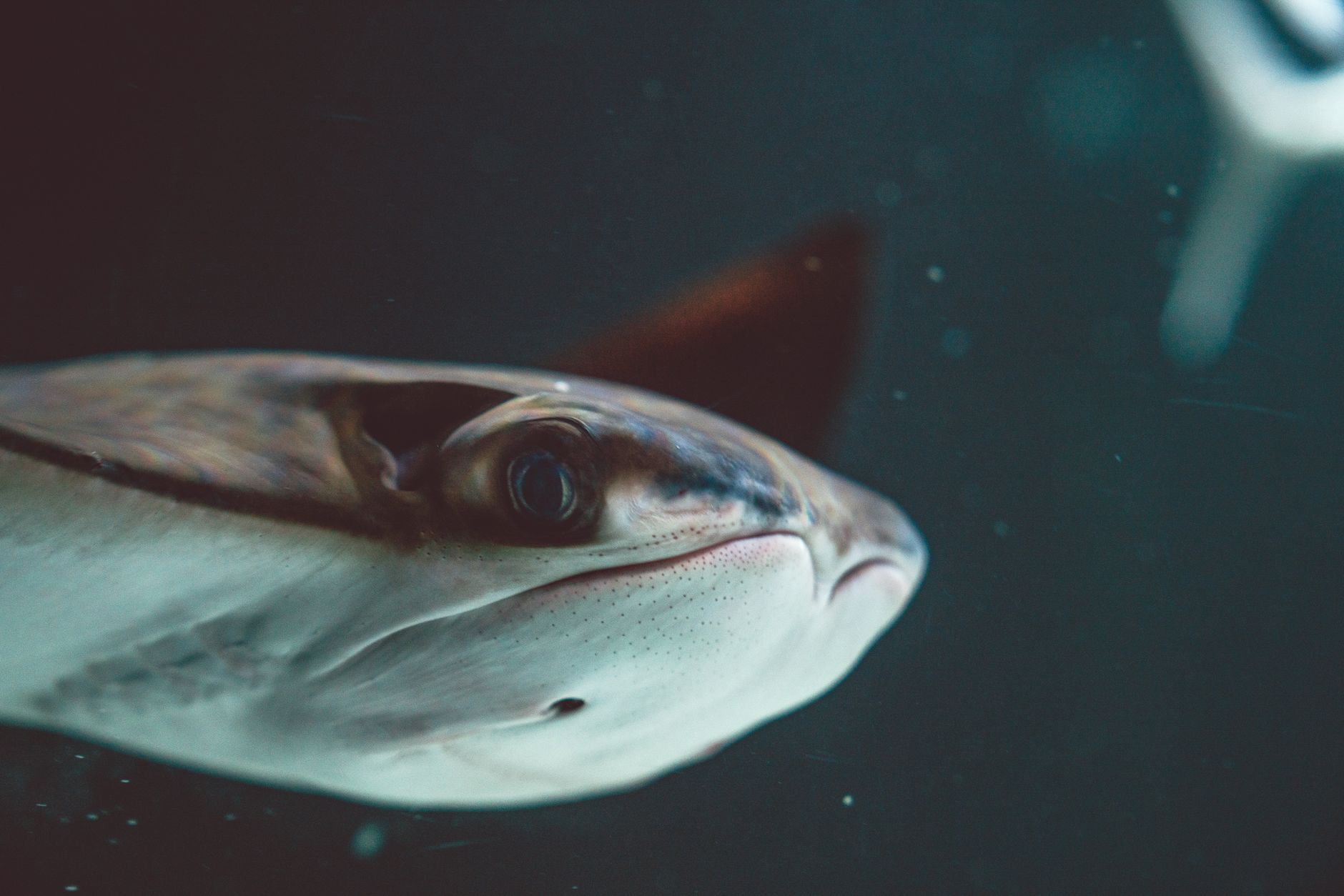
The term “pack” implies a structured social hierarchy and sustained association, which doesn’t typically apply to stingrays. While some species may exhibit some degree of social interaction within a group, it’s generally less complex and sustained compared to that of true pack animals. Aggregation is a more accurate and widely accepted term within the scientific community. Another term sometimes used is “roost“, which describes when stingrays gather in large numbers, often resting together on the seafloor.
Why Do Stingrays Aggregate? Exploring the Reasons
Several factors contribute to stingray aggregations, each playing a critical role in their life cycle and survival:
- Mating Season: A primary driver for large gatherings. Males and females congregate to find suitable partners, resulting in impressive courtship displays.
- Feeding Opportunities: Stingrays may gather in areas with abundant food sources, such as nutrient-rich upwellings or spawning events of other marine life.
- Migration: Some species undertake long-distance migrations, forming large groups for protection and efficiency.
- Protection from Predators: While stingrays have venomous barbs, they are still vulnerable to larger predators. Aggregating in numbers can provide a degree of safety in numbers.
- Resting and Thermoregulation: Stingrays may gather in specific areas to rest or to regulate their body temperature.
Benefits of Aggregation
The benefits of grouping up for stingrays are multi-faceted:
- Increased Mating Success: Higher chances of finding a suitable mate during mating season.
- Enhanced Foraging Efficiency: Greater ability to locate and exploit food resources.
- Reduced Predation Risk: Increased vigilance and a diluted risk of individual predation.
- Improved Hydrodynamic Efficiency: Grouping can reduce drag during migration.
- Social Learning: Opportunities for young stingrays to learn from experienced individuals about foraging techniques or predator avoidance.
Understanding Stingray Social Behavior (or Lack Thereof)
While stingray aggregations are common, their social structure remains relatively simple. There’s no evidence of complex social hierarchies or collaborative hunting strategies like those seen in wolves or dolphins. Instead, the interactions are primarily driven by the immediate needs of reproduction, feeding, or survival. While some researchers believe there may be subtle forms of communication within groups, further research is needed to fully understand this aspect of their behavior.
Locations Known for Stingray Aggregations
Several locations around the world are renowned for their large stingray aggregations:
- Stingray City, Grand Cayman: Famous for its shallow sandbar where Southern stingrays congregate, attracted by food offered by tourists.
- Ningaloo Reef, Western Australia: A hotspot for manta ray aggregations (a close relative of stingrays), particularly during plankton blooms.
- Various locations along the Gulf Coast of the United States: Cownose rays form massive aggregations during their seasonal migrations.
Challenges and Threats to Stingray Aggregations
Despite their resilience, stingray aggregations face numerous challenges:
- Habitat Destruction: Coastal development and pollution can destroy critical habitats used for feeding, mating, and resting.
- Overfishing: Both targeted fishing and bycatch can significantly reduce stingray populations.
- Climate Change: Rising ocean temperatures and ocean acidification can disrupt their food sources and alter their distribution patterns.
- Tourism Impacts: Unregulated tourism activities, such as feeding stingrays, can alter their natural behavior and health.
Conservation Efforts
Protecting stingray aggregations requires a multi-pronged approach:
- Habitat Protection: Establishing marine protected areas to safeguard critical habitats.
- Sustainable Fishing Practices: Implementing regulations to reduce bycatch and ensure sustainable fisheries.
- Responsible Tourism: Promoting eco-tourism practices that minimize disturbance to stingrays and their environment.
- Education and Awareness: Raising public awareness about the importance of stingray conservation.
The Future of Stingray Aggregations
The future of stingray aggregations depends on our ability to address the threats they face. By implementing effective conservation measures and promoting responsible practices, we can ensure that these fascinating gatherings continue to thrive for generations to come. What is a pack of stingrays? It’s a community, and like all communities, it relies on a healthy environment to flourish.
Frequently Asked Questions (FAQs)
What do stingrays eat?
Stingrays are primarily bottom feeders, consuming a variety of invertebrates such as crustaceans (crabs, shrimp), mollusks (clams, snails), and worms. Some larger species may also prey on small fish. Their diet depends on the species and the availability of food in their environment.
Are stingrays dangerous to humans?
While stingrays possess a venomous barb on their tail, they are generally not aggressive. Most stings occur when someone accidentally steps on a stingray that is buried in the sand. The barb is a defensive mechanism, and stingrays will only use it if they feel threatened. Always shuffle your feet when walking in shallow water to avoid startling them.
How do stingrays reproduce?
Stingrays are ovoviviparous, meaning that the embryos develop inside the mother’s body but are nourished by a yolk sac rather than a placenta. After a gestation period of several months, the mother gives birth to live young, called pups. Mating aggregations play a vital role in this reproductive process.
How long do stingrays live?
The lifespan of stingrays varies depending on the species. Some smaller species may live for only a few years, while larger species can live for 20 years or more. Factors such as habitat, diet, and predation risk also influence their lifespan.
What is the difference between a stingray and a manta ray?
Both stingrays and manta rays belong to the same group of cartilaginous fish, but they differ in several key aspects. Manta rays are much larger than stingrays and have cephalic fins (horn-like projections) that they use to funnel plankton into their mouths. Unlike stingrays, manta rays lack a venomous barb.
Why are stingrays flat?
The flattened body shape of stingrays is an adaptation for life on the seafloor. It allows them to easily bury themselves in the sand for camouflage and ambush predators, and to efficiently move through the water column.
How do stingrays breathe?
Stingrays breathe through gill slits located on their underside. They draw water in through their spiracles (small openings behind their eyes) and pass it over their gills to extract oxygen.
What is the purpose of the stingray’s barb?
The barb is a defensive weapon used to protect themselves from predators. It is covered in venomous tissue and can inflict a painful wound. However, stingrays will only use their barb as a last resort.
Do stingrays migrate?
Yes, some stingray species undertake long-distance migrations to find suitable breeding grounds or feeding areas. These migrations can cover thousands of kilometers.
How do stingrays find food?
Stingrays use a combination of sensory cues to locate food, including their sense of smell, electroreceptors that detect the electrical fields produced by prey, and mechanoreceptors that detect vibrations in the water.
Are all stingray populations healthy?
No, many stingray populations are facing significant threats from habitat destruction, overfishing, and climate change. Some species are listed as endangered or vulnerable.
What can I do to help protect stingrays?
You can support organizations that are working to protect stingray habitats and promote sustainable fishing practices. You can also reduce your consumption of seafood from unsustainable fisheries and avoid activities that disturb stingrays in their natural environment. By being a responsible ocean steward, you can help ensure the future of these magnificent creatures. And remember, what is a pack of stingrays? It’s a critical part of a larger ecosystem.