
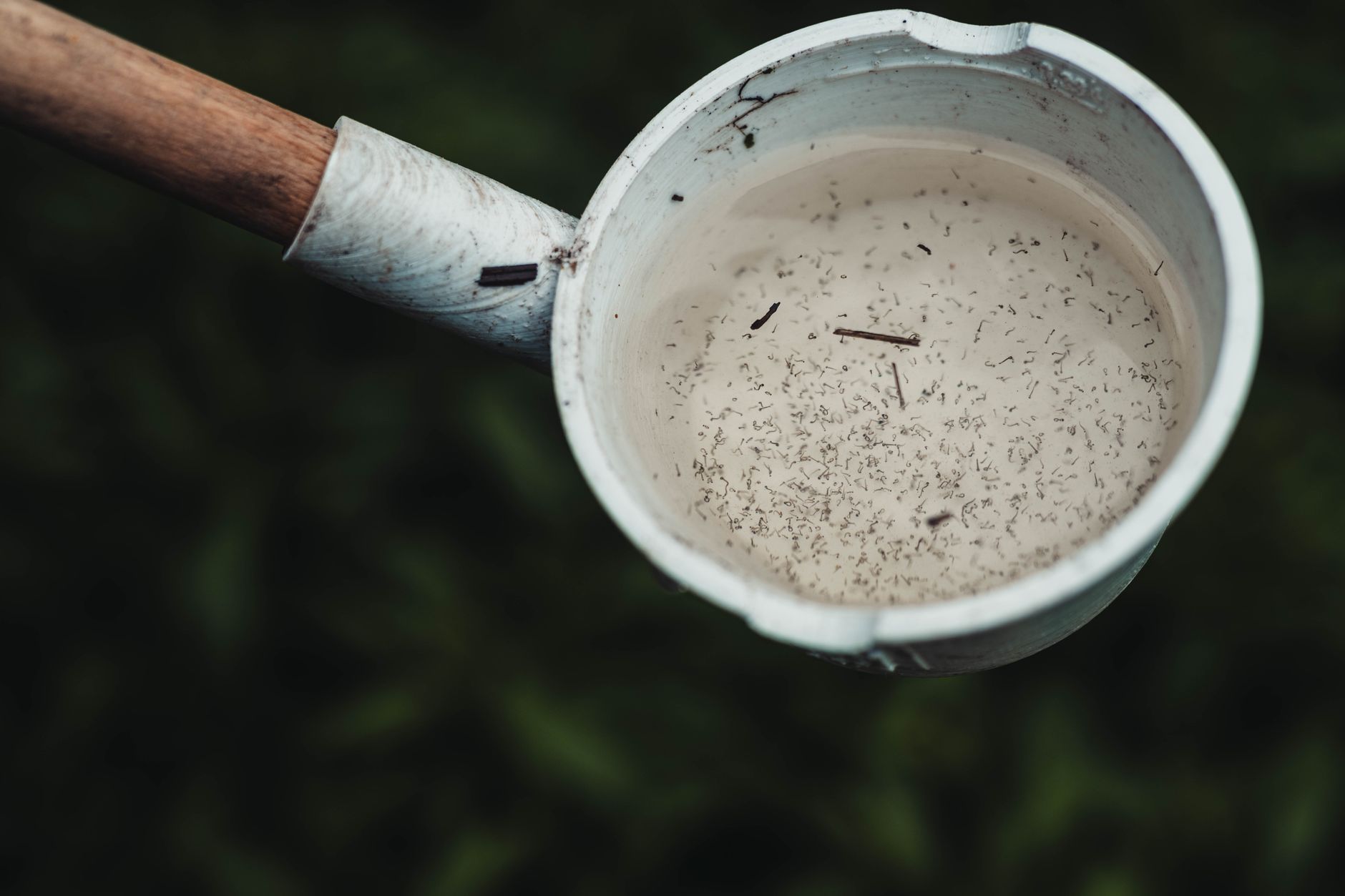
Mosquito Pools: Unveiling a Key to Mosquito Control
What is a mosquito pool? A mosquito pool is a collection of mosquitoes caught in a specific location, used to detect mosquito-borne diseases; these pools are critical tools in public health surveillance programs, providing early warning of potential outbreaks.
Understanding Mosquito Pools: An Introduction
Mosquitoes are more than just annoying pests; they are vectors capable of transmitting debilitating and sometimes deadly diseases like West Nile virus, Zika virus, and malaria. Understanding how public health officials track and monitor these diseases is essential for community safety. The concept of a mosquito pool plays a critical role in this surveillance. This article will delve into the definition, purpose, and methodology surrounding mosquito pools, answering common questions and highlighting their significance in protecting public health.

What colours are fish most attracted to?
Can you put your finger in a trout's mouth?
Is methylene blue anti bacterial?
Does aquarium salt raise pH in aquarium?
What is the Purpose of a Mosquito Pool?

The primary purpose of a mosquito pool is to detect the presence of mosquito-borne diseases within a specific geographical area. Rather than testing individual mosquitoes (which would be extremely time-consuming and expensive), a pool allows for efficient screening of a larger sample. If the pool tests positive for a disease, it signals the need for increased surveillance, public education, and potential control measures in that area.
- Early detection of mosquito-borne pathogens
- Provides data on the types of viruses present in mosquito populations.
- Helps determine the risk of human infection.
- Informs decisions about mosquito control strategies.
- Allows resource allocation based on actual disease prevalence.
How are Mosquito Pools Created?
Creating a mosquito pool is a carefully controlled process involving mosquito collection, species identification, and laboratory testing.
- Mosquito Collection: Mosquitoes are collected using various traps, such as light traps (which attract mosquitoes with light), gravid traps (which attract egg-laying females), and landing collections (where trained personnel catch mosquitoes landing on them).
- Species Identification: Once collected, the mosquitoes are identified to species level by trained entomologists. This is crucial because different mosquito species vary in their ability to transmit specific diseases.
- Pool Formation: Mosquitoes of the same species from the same location are grouped together to form a pool. The number of mosquitoes per pool varies depending on the specific testing protocol and the size of the mosquito population.
- Preparation and Testing: The pools are then sent to a laboratory, where they are processed and tested for the presence of specific viruses or parasites using techniques such as PCR (polymerase chain reaction) or ELISA (enzyme-linked immunosorbent assay).
Benefits of Using Mosquito Pools for Surveillance
Using mosquito pools offers several advantages over other disease surveillance methods.
- Cost-Effective: Testing pools of mosquitoes is significantly more cost-effective than testing individual mosquitoes.
- Efficient: Pools allow for rapid screening of large mosquito populations, enabling quick detection of disease outbreaks.
- Sensitive: Even low levels of virus or parasite can be detected in a pool, providing early warning.
- Location-Specific: Provides information on the presence and intensity of disease transmission in specific geographical areas.
Common Mistakes in Mosquito Pool Analysis
Even with well-established protocols, errors can occur in the process of creating and analyzing mosquito pools. Some common mistakes include:
- Misidentification of mosquito species: Incorrect species identification can lead to inaccurate disease prevalence data.
- Pooling mosquitoes from different locations: Combining mosquitoes from different areas can obscure the true source of infection.
- Improper storage and handling of samples: Degradation of RNA/DNA can lead to false negatives.
- Contamination of samples: Contamination can lead to false positives.
- Incorrect interpretation of test results: Improper analysis of the data can lead to misinformed public health decisions.
Different Types of Mosquito Traps Used for Collection
The choice of mosquito trap depends on the target species, the type of information sought, and the environment. Here’s a comparison:
| Trap Type | Description | Advantages | Disadvantages |
|---|---|---|---|
| Light Trap | Emits light (usually incandescent or LED) to attract mosquitoes. | Simple to operate, attracts a variety of species. | Can be less effective in areas with high ambient light. |
| Gravid Trap | Contains a water source with organic material, attracting female mosquitoes looking to lay eggs. | Targets potentially infected females. | Attracts mostly Culex mosquitoes. |
| Landing Collection | Trained personnel capture mosquitoes that land on them, using aspirators. | Provides species-specific data; targeted sampling. | Labor-intensive, requires trained personnel, potential for human exposure. |
| BG-Sentinel Trap | Emits a combination of visual cues, CO2, and artificial skin scents to mimic human or animal hosts. | Highly effective at attracting host-seeking mosquitoes. | More expensive than simpler traps. |
Disease Detection in Mosquito Pools: A Vital Public Health Tool
The data derived from analyzing mosquito pools helps public health officials make informed decisions about mosquito control strategies, resource allocation, and public health messaging. Without this data, communities would be vulnerable to unforeseen outbreaks of debilitating diseases.
Frequently Asked Questions about Mosquito Pools
What diseases can be detected using mosquito pools?
Mosquito pools can be used to detect a wide range of mosquito-borne diseases, including West Nile virus, Zika virus, dengue fever, chikungunya, eastern equine encephalitis (EEE), St. Louis encephalitis, and malaria. The specific diseases targeted depend on the geographical location and the prevalent mosquito species.
How many mosquitoes are typically in a single mosquito pool?
The number of mosquitoes in a pool can vary, but typically ranges from 1 to 50 mosquitoes. The exact number depends on the mosquito population density, the species being tested, and the specific protocols of the testing laboratory.
How quickly can results be obtained from a mosquito pool test?
The turnaround time for mosquito pool testing can vary depending on the laboratory and the testing method. Typically, results can be obtained within 1 to 2 weeks. Some laboratories offer expedited testing for urgent situations.
What happens if a mosquito pool tests positive for a disease?
If a mosquito pool tests positive, public health officials typically implement several measures, including increased mosquito surveillance, targeted mosquito control efforts (such as larviciding or adulticiding), public education campaigns, and enhanced monitoring of human cases of the disease.
Are all mosquito species equally likely to carry diseases?
No. Different mosquito species have varying abilities to transmit specific diseases. Some species are more efficient vectors than others. For example, Aedes aegypti is a well-known vector of Zika, dengue, and chikungunya, while Culex mosquitoes are more commonly associated with West Nile virus.
How accurate are mosquito pool tests?
Mosquito pool tests are generally highly accurate, but like any diagnostic test, they are not perfect. Factors such as proper sample collection, storage, and handling, as well as the sensitivity of the testing method, can influence accuracy. Quality control measures are essential to ensure reliable results.
How does mosquito pool testing differ from human disease surveillance?
Mosquito pool testing provides an early warning system for mosquito-borne diseases, while human disease surveillance tracks actual cases of illness in the population. Mosquito pool data can help predict potential outbreaks before they occur in humans, allowing for proactive interventions.
Who conducts mosquito pool testing?
Mosquito pool testing is typically conducted by public health agencies at the state, county, or local level. These agencies often collaborate with universities and private laboratories to perform the testing.
Can homeowners create their own mosquito pools for testing?
No, homeowners generally cannot create their own mosquito pools for testing. Mosquito pool testing requires specialized expertise, equipment, and laboratory facilities. However, homeowners can take steps to reduce mosquito breeding on their property by eliminating standing water and using mosquito repellents.
How is the data from mosquito pool testing used to protect public health?
The data from mosquito pool testing is used to inform a variety of public health interventions, including: determining areas at high risk for mosquito-borne diseases, guiding mosquito control strategies, developing public health education campaigns, and evaluating the effectiveness of mosquito control programs.
What can I do to help prevent mosquito-borne diseases in my community?
You can help prevent mosquito-borne diseases by eliminating standing water around your home, using mosquito repellent, wearing long sleeves and pants when outdoors, installing or repairing window and door screens, and supporting local mosquito control efforts. Reporting areas with large mosquito populations to your local authorities can also be beneficial.
Where can I find more information about mosquito-borne diseases and mosquito pool testing in my area?
You can find more information about mosquito-borne diseases and mosquito pool testing from your local or state public health department, the Centers for Disease Control and Prevention (CDC), and the World Health Organization (WHO). Their websites often provide updates on disease activity, prevention tips, and information on local mosquito control programs.