
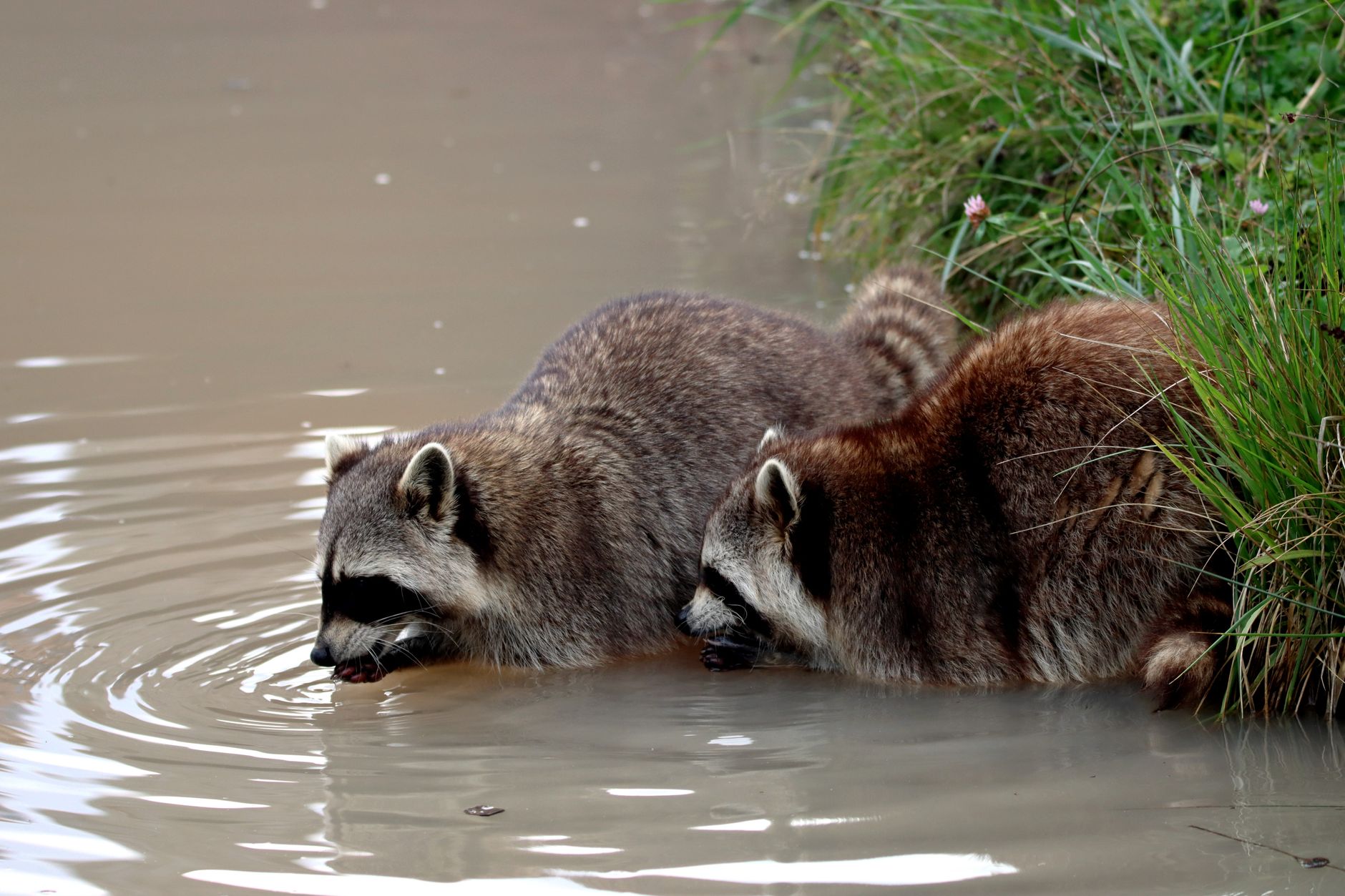
What is a Mexican Raccoon Called? Unveiling the Mystery
The native name for the Mexican raccoon (Procyon lotor hernandezii) varies regionally, but there isn’t one single universally recognized “Mexican raccoon” name; it’s often simply referred to as mapache, the Spanish word for raccoon. Its scientific name differentiates it from its northern cousins.

Unveiling the Identity: Beyond “Raccoon”
The ubiquitous raccoon, with its bandit mask and clever paws, is a familiar sight across much of North America. But delve south of the border, and you’ll find a fascinating subspecies, the Mexican raccoon (Procyon lotor hernandezii). While it’s still fundamentally a raccoon, understanding its unique characteristics and the nuances of its designation requires a closer look. The question of “What is a Mexican raccoon called?” isn’t as simple as a direct translation.

What colours are fish most attracted to?
Can you put your finger in a trout's mouth?
Is methylene blue anti bacterial?
Does aquarium salt raise pH in aquarium?
Understanding Subspecies

Biologically, the term “subspecies” denotes a population within a species that exhibits distinct morphological (physical) or genetic differences, typically due to geographic isolation. The Mexican raccoon fits this definition. While it can interbreed with other raccoon subspecies, it possesses characteristics setting it apart. Understanding the concept of subspecies clarifies why a specific, universally recognized “Mexican raccoon” name isn’t common, as it’s scientifically considered a variation of the common raccoon.
Mapache: The Common Thread
In Spanish-speaking regions, the word mapache is the standard term for raccoon. Therefore, when referring to a Mexican raccoon in Mexico, mapache is the most common and readily understood designation.
- The term mapache is widely used in Mexico and other Latin American countries.
- It encompasses all types of raccoons found in these regions, including the Mexican raccoon subspecies.
While indigenous languages might offer more specific local terms, these are often not widely known or used outside of those communities.
Key Differences of Procyon lotor hernandezii
While referred to as mapache, the Mexican raccoon exhibits subtle differences from its more northern counterparts. These variations justify its classification as a subspecies:
- Smaller size on average
- Slight variations in coat color, tending to be more grayish
- Potentially different dietary preferences due to available food sources
- Subtle genetic differences.
These differences underscore the importance of understanding the specific context when asking “What is a Mexican raccoon called?” It’s a mapache, but a slightly different kind.
Habitat and Distribution
The Mexican raccoon primarily inhabits southern Mexico and parts of Central America. Its habitat includes:
- Tropical forests
- Mangrove swamps
- Coastal regions
This geographic isolation has contributed to the subspecies’ distinct characteristics.
Cultural Significance
While not heavily featured in Mexican folklore compared to some other animals, the mapache, including the Mexican raccoon, is recognized as a resourceful and adaptable creature. Its association with intelligence and adaptability is consistent with the raccoon’s reputation in other cultures.
Conservation Status
Like other raccoon populations, the Mexican raccoon faces threats such as habitat loss and hunting. Its conservation status varies depending on the specific region and local regulations. Further research is needed to fully assess the long-term viability of this subspecies.
Frequently Asked Questions (FAQs)
What is the scientific name for the Mexican raccoon?
The scientific name for the Mexican raccoon is Procyon lotor hernandezii. The Procyon lotor part indicates its belonging to the common raccoon species, while hernandezii distinguishes it as a specific subspecies found in Mexico and parts of Central America.
Is the Mexican raccoon endangered?
The conservation status of the Mexican raccoon varies by region. Specific population numbers and conservation efforts are needed to make a definitive statement. Habitat loss and hunting pose potential threats.
How can I tell the difference between a Mexican raccoon and a raccoon from the United States?
While difficult to distinguish without close examination, the Mexican raccoon tends to be smaller and have a grayer coat than raccoons found in the United States. Genetic analysis provides the most definitive identification.
Do Mexican raccoons behave differently than other raccoons?
Behavioral differences between the Mexican raccoon and other raccoon subspecies are not well-documented. However, differences in habitat and available food sources may influence their behavior.
What do Mexican raccoons eat?
The diet of the Mexican raccoon is likely similar to that of other raccoons, consisting of a variety of foods including insects, fruits, nuts, and small animals. They are opportunistic omnivores.
Are Mexican raccoons protected by law?
The legal protection afforded to the Mexican raccoon varies depending on the specific region in Mexico. Local regulations regarding hunting and habitat conservation should be consulted.
Is it safe to approach a Mexican raccoon?
No. Wild animals, including the Mexican raccoon, should never be approached. They can carry diseases and may bite if they feel threatened.
What is the best way to prevent raccoons from entering my property in Mexico?
The same methods used to deter raccoons elsewhere are effective in Mexico. This includes: securing garbage cans, removing food sources, and sealing potential entry points into buildings.
Are Mexican raccoons common in urban areas?
The prevalence of Mexican raccoons in urban areas depends on the specific city or region. Like raccoons elsewhere, they may adapt to urban environments if food and shelter are readily available.
What is the role of Mexican raccoons in the ecosystem?
The Mexican raccoon, like other raccoons, plays a role as both predator and prey. It helps to control populations of insects and small animals and serves as a food source for larger predators.
How are Mexican raccoons studied?
Researchers study Mexican raccoons using methods similar to those used to study other wildlife populations, including:
- Trapping and tagging
- Genetic analysis
- Habitat surveys
- Behavioral observation
Can a Mexican raccoon and an American raccoon reproduce together?
Yes, the Mexican raccoon and raccoons from the United States can reproduce together, as they are the same species. However, the resulting offspring would be hybrids exhibiting characteristics from both subspecies.