

What Is a Lion’s Greatest Fear? Unveiling the King’s Kryptonite
The greatest fear of a lion, despite its apex predator status, is surprisingly multifaceted but boils down to challenges to its dominance, territorial security, and, perhaps surprisingly, the potential harm to its pride, especially its cubs. The unpredictability and coordinated threat of unfamiliar rivals or large groups of other animals are significant sources of anxiety for these majestic creatures.
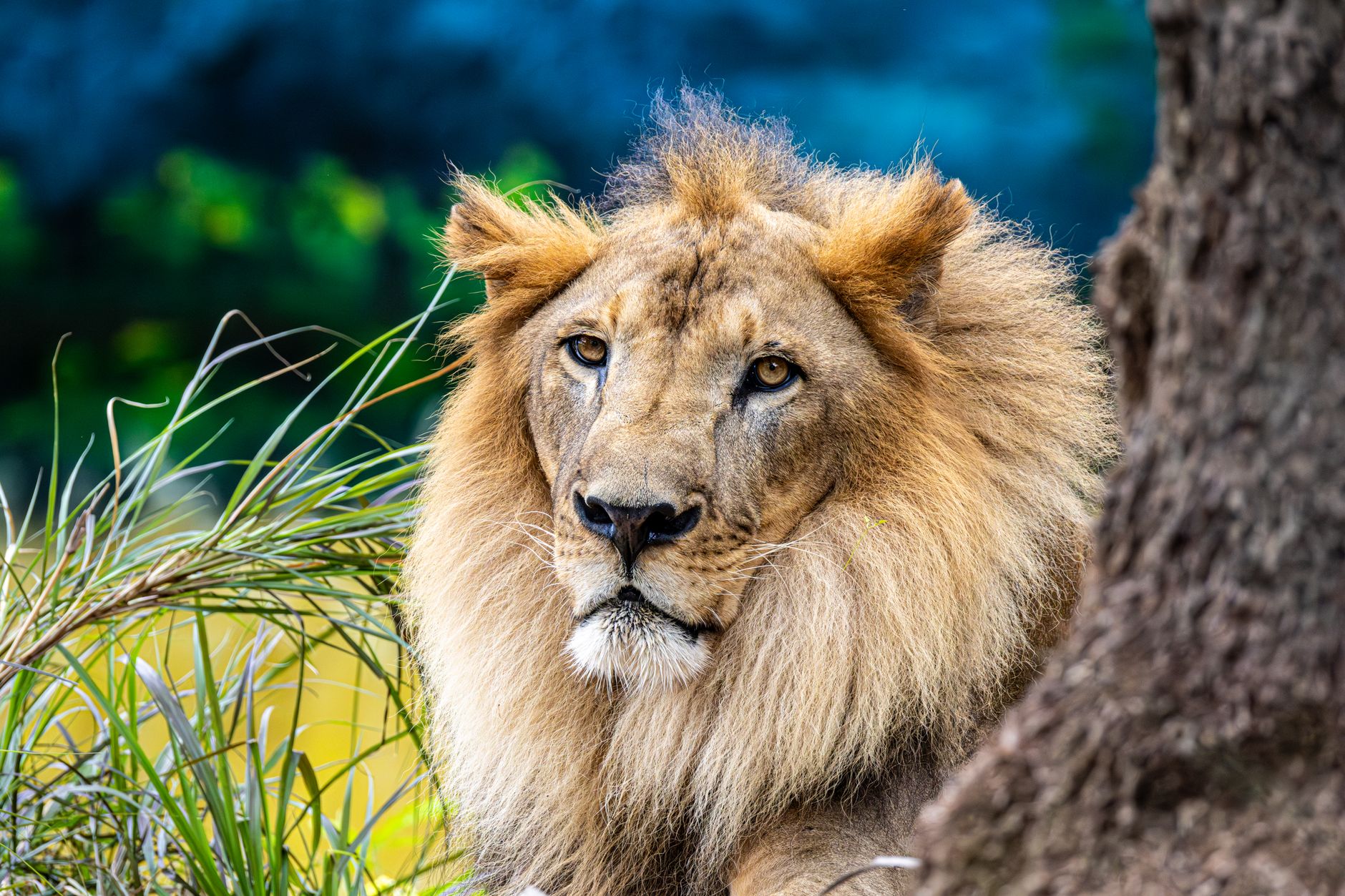
The Myth of the Fearless King: A Look at Lion Behavior
Lions, often hailed as the “kings of the jungle” (though they primarily inhabit savannas and grasslands), are undeniably powerful and imposing animals. However, this perceived invincibility masks a complex set of instincts and vulnerabilities. Understanding their fears requires looking beyond their physical prowess and considering their social structure, territorial imperatives, and survival needs. What is a lion’s greatest fear? isn’t a simple question with a single answer, as their anxieties are nuanced and context-dependent.

What colours are fish most attracted to?
Can you put your finger in a trout's mouth?
Is methylene blue anti bacterial?
Does aquarium salt raise pH in aquarium?
Challenges to Dominance and Territory
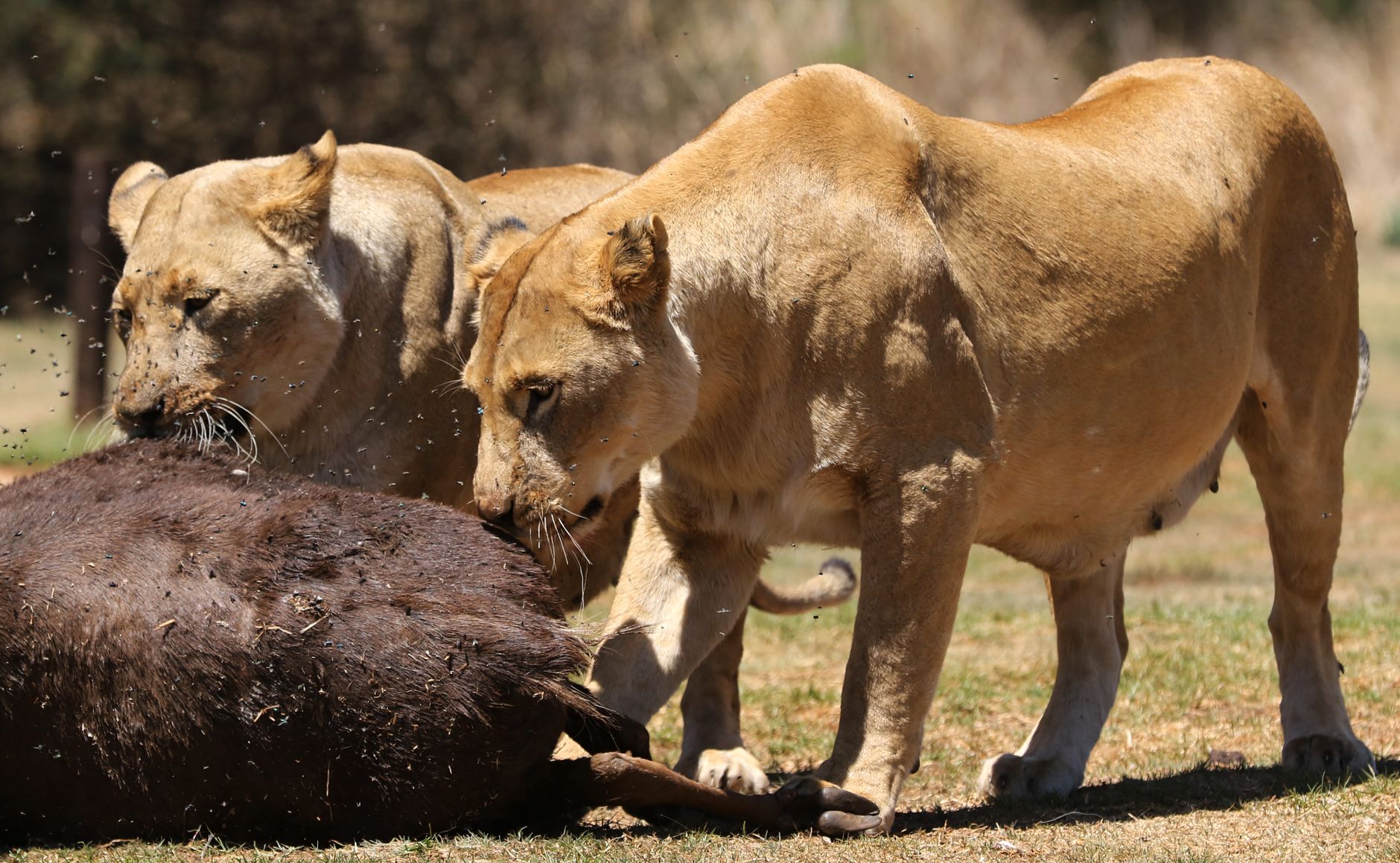
A male lion’s reign is built on strength, aggression, and the ability to defend its territory. Challenges from rival males or coalitions of males represent a significant threat. This threat isn’t just about physical injury; it’s about losing control of resources, access to females, and, ultimately, its social status.
- Lions are intensely territorial, marking their boundaries with urine, feces, and roaring.
- Encroaching on another pride’s territory can lead to violent confrontations.
- The arrival of stronger, younger males is a constant source of anxiety for older or weaker leaders.
The Threat to Cubs: A Mother’s (and Father’s) Primary Concern
While adult lions are formidable predators, lion cubs are vulnerable to a multitude of threats, including disease, starvation, and predation from other animals, including male lions. The infanticide of cubs by new males taking over a pride is a brutal but common occurrence, making the protection of offspring a paramount concern.
- Female lions fiercely protect their cubs from any perceived danger.
- Male lions, though not as directly involved in cub rearing, will defend the pride against intruders.
- The loss of cubs represents a significant blow to the pride’s reproductive success.
The Power of Numbers: Respecting the Collective
While a single lion can take down impressive prey, large groups of animals, especially those that exhibit coordinated defense strategies, can present a formidable challenge. A pack of African wild dogs, a herd of buffalo, or even a determined group of hyenas can pose a real threat to a lion, particularly if it is injured or outnumbered.
- African wild dogs are known for their relentless hunting tactics and can harass and exhaust even the strongest lions.
- Large herbivores, like buffalo, are capable of inflicting serious injuries with their horns and hooves.
- Hyenas, though often seen as scavengers, can challenge lions for kills and even attack them in groups.
The Unpredictability of Humans
Humans represent one of the greatest threats to lions, both directly and indirectly. Habitat loss, poaching, and human-wildlife conflict have decimated lion populations across Africa. The presence of humans, with their technology and destructive capabilities, is a constant source of stress and fear for lions.
- Habitat loss due to agriculture and urbanization reduces the available hunting grounds and increases competition for resources.
- Poaching for lion body parts, used in traditional medicine and other markets, continues to be a significant threat.
- Human-wildlife conflict, resulting from lions preying on livestock, often leads to retaliatory killings.
Conclusion: Beyond the Roar
Understanding what is a lion’s greatest fear? provides a deeper appreciation for the complexities of their behavior and the challenges they face. While they are undoubtedly apex predators, they are also vulnerable creatures with legitimate reasons to be wary of threats to their territory, their pride, and their survival. Conservation efforts must address these vulnerabilities to ensure the long-term survival of these magnificent animals.
Frequently Asked Questions (FAQs)
What is the role of territory in a lion’s life?
Territory is critical for lions as it provides access to prey, water, and potential mates. Defending territory is essential for the pride’s survival and reproductive success. Loss of territory can lead to starvation, conflict with other prides, and increased vulnerability to other predators.
Are lions afraid of any other predators?
While lions are apex predators, they must still be cautious of other large carnivores, especially in groups. Hyenas, African wild dogs, and even crocodiles can pose a threat, particularly to young or injured lions. Scavenging jackals are also a nuisance around kills.
How do lions react to fire?
Lions typically exhibit a healthy fear of fire, which can be devastating to their habitat and lead to direct injury or death. They will usually attempt to avoid fire, but in some cases, they may be forced to cross through it to escape danger, potentially leading to burns and smoke inhalation.
Do male lions protect their cubs?
While female lions are the primary caregivers, male lions play a role in protecting the pride, including the cubs, from external threats such as rival males or other predators. Their presence deters potential aggressors and helps to ensure the safety of the young.
What impact does poaching have on lion populations?
Poaching has a devastating impact on lion populations. It directly reduces their numbers and disrupts the social structure of prides, making them more vulnerable to other threats. Poaching also contributes to habitat loss and increases human-wildlife conflict.
Are lions afraid of water?
Lions are generally good swimmers and are not inherently afraid of water. They will cross rivers and streams when necessary. However, they may avoid large bodies of water where crocodiles are present, as crocodiles can be a significant threat.
What is the biggest threat to lion populations today?
The biggest threat to lion populations today is habitat loss due to agriculture, urbanization, and deforestation. This reduces their hunting grounds, increases competition for resources, and leads to increased human-wildlife conflict.
How do lions communicate fear?
Lions communicate fear through a variety of vocalizations, body language, and scent marking. Growls, snarls, and hisses are common vocal expressions of fear or aggression. Body language may include flattened ears, a lowered posture, and tail-tucking. Scent marking with urine and feces can also signal territorial defense and a warning to potential intruders.
What is infanticide, and why do male lions commit it?
Infanticide is the killing of young cubs by new male lions taking over a pride. This behavior is driven by evolutionary pressures. By killing the cubs, the new male eliminates offspring that are not his own, allowing the females to come into estrus sooner and produce offspring sired by him, thus increasing his reproductive success.
How does human encroachment affect lion behavior?
Human encroachment forces lions into smaller and more fragmented habitats, increasing competition for resources and leading to more frequent encounters with humans. This can result in increased human-wildlife conflict, as lions may prey on livestock or be perceived as a threat to human safety. It can also lead to changes in their hunting patterns and social behavior.
What steps can be taken to protect lions from their fears and threats?
Protecting lions requires a multifaceted approach including:
- Habitat conservation and restoration to ensure sufficient hunting grounds.
- Anti-poaching measures to prevent illegal hunting and trade.
- Community-based conservation programs to reduce human-wildlife conflict.
- Promoting sustainable tourism to generate revenue for conservation efforts.
Besides direct threats, how does climate change impact lions?
Climate change exacerbates existing threats to lions. Droughts reduce prey availability, forcing lions to hunt livestock more often, leading to increased human-wildlife conflict. Changes in temperature and rainfall patterns can also affect habitat suitability and increase the risk of disease outbreaks.