

What is a Horse’s Greeting Button?: Understanding Equine Communication
A horse’s greeting button is a behavioral response used by horses to initiate social interaction, often involving gentle physical contact like mutual grooming or sniffing, demonstrating their willingness to engage in a positive exchange. Understanding this behavior can significantly enhance human-horse communication and strengthen the bond between them.

Introduction: Unlocking the Secrets of Equine Communication
Horses are highly social animals with a complex communication system. While we often focus on their physical displays like rearing or kicking, subtle cues like a greeting button provide a window into their emotional state and intentions. What is a horses greeting button? It’s far more than just a physical action; it represents a willingness to connect, a desire for companionship, and a signal of peaceful intent. Learning to recognize and respond appropriately to these cues is crucial for building trust and creating a harmonious relationship with your horse.
What colours are fish most attracted to?
Can you put your finger in a trout's mouth?
Is methylene blue anti bacterial?
Does aquarium salt raise pH in aquarium?
The Anatomy of a Horse’s Greeting

The greeting button isn’t a single action but rather a collection of behaviors that, when observed together, indicate a horse’s desire for interaction. These actions are often subtle and can be easily missed if you aren’t paying close attention.
- Soft Eyes: A relaxed, gentle gaze indicates a lack of threat and an openness to connection.
- Relaxed Posture: A lowered head, loose muscles, and a generally relaxed stance suggest the horse is not tense or defensive.
- Forward Ears: Ears pointed towards you (but not pinned back) show interest and attention.
- Approaching Calmly: A slow, deliberate approach, without sudden movements or loud noises, signals peaceful intentions.
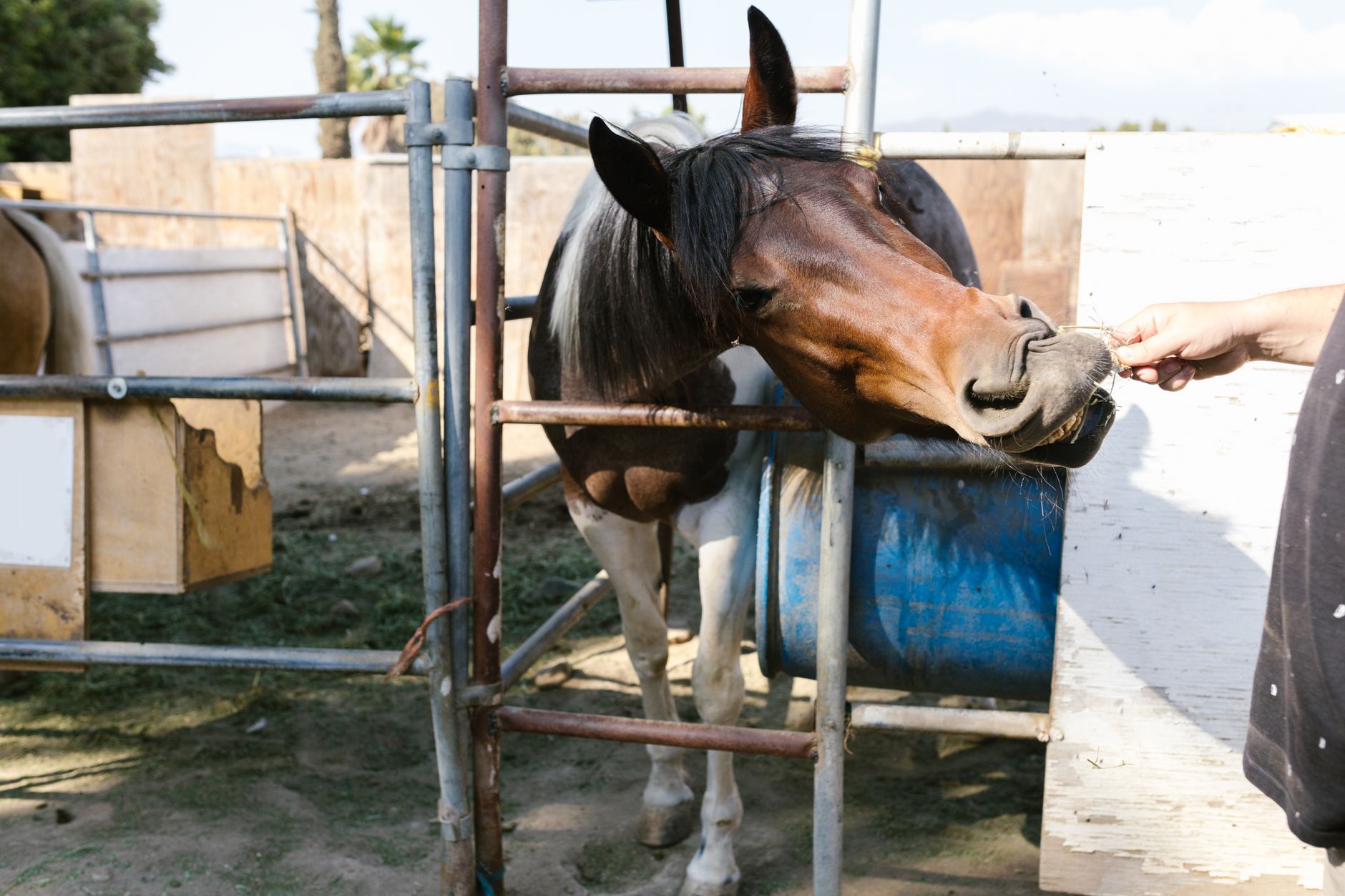
- Nuzzling or Sniffing: Gently touching you with their nose or sniffing you is a way of gathering information and initiating contact.
- Mutual Grooming Invitation: Turning their hindquarters towards you, or offering a specific spot on their body for scratching, indicates they want to engage in reciprocal grooming.
Understanding the nuances of these behaviors is key to correctly interpreting a horse’s greeting.
Benefits of Recognizing and Responding to Greetings
Recognizing and responding appropriately to a horse’s greeting offers numerous benefits:
- Enhanced Trust: Consistent positive responses build trust and strengthen the bond between horse and human.
- Improved Communication: Understanding equine signals allows for more effective and nuanced communication.
- Reduced Stress: Responding to a greeting helps the horse feel safe and understood, reducing stress and anxiety.
- Increased Cooperation: A horse that feels respected and understood is more likely to cooperate during training and handling.
- Safer Interactions: Recognizing warning signs early on can prevent potential accidents or injuries.
How to Respond Appropriately
When a horse offers a greeting, it’s important to respond in a way that acknowledges their effort and reinforces the positive interaction.
- Observe and Assess: Carefully observe the horse’s body language to ensure they are truly offering a greeting and not displaying signs of fear or aggression.
- Stay Calm and Relaxed: Maintain a calm and relaxed demeanor to reassure the horse.
- Mirror Their Energy: If the horse is relaxed, respond with a relaxed posture and gentle movements.
- Offer Gentle Contact: If the horse nuzzles or sniffs you, respond with a gentle scratch or pat.
- Reciprocal Grooming: If the horse offers a spot for grooming, reciprocate by scratching them in that area.
- Avoid Overwhelming: Don’t overwhelm the horse with excessive attention or loud noises.
- End on a Positive Note: Conclude the interaction with a final scratch or pat to leave the horse feeling positive and content.
Common Mistakes to Avoid
Misinterpreting or mishandling a horse’s greeting can damage trust and create negative associations. Here are some common mistakes to avoid:
- Ignoring the Greeting: Failing to acknowledge a horse’s attempt to connect can be disheartening and damage the relationship.
- Responding Aggressively: Responding with fear, anger, or punishment will create negative associations and make the horse less likely to offer greetings in the future.
- Overwhelming the Horse: Being too enthusiastic or intrusive can overwhelm the horse and cause them to become anxious or defensive.
- Misinterpreting Body Language: Mistaking a defensive posture for a greeting can lead to dangerous situations.
- Inconsistent Responses: Inconsistent responses can confuse the horse and make it difficult for them to understand what is expected of them.
Learning to See the Subtle Signs: A Case Study
Imagine a scenario where you approach your horse in the pasture. Instead of bolting away, he turns his head slightly, lowers his head a bit, and his ears are pricked forward loosely. This could mean, “What is a horses greeting button?,” he might be asking you to come and say hello! Perhaps give him a scratch on his withers. By engaging with his request to connect, you strengthen your relationship with him, building a solid foundation of understanding.
The Science Behind Equine Social Behavior
Equine social behavior is deeply rooted in their evolutionary history. As prey animals, horses rely on strong social bonds for safety and survival. Grooming, in particular, releases endorphins, which promote relaxation and reduce stress, reinforcing social bonds. Understanding the scientific basis of these behaviors can provide valuable insights into how horses perceive and interact with their environment. The greeting button is essentially a manifestation of these deeply ingrained social instincts.
Greeting Rituals in Different Breeds
While the fundamental principles of equine greeting behavior remain consistent across breeds, there can be subtle variations in how different breeds express their greetings. For example, some breeds may be more expressive with their vocalizations, while others may rely more heavily on physical cues. Observing and learning the specific nuances of your horse’s breed can further enhance your understanding of their communication style.
| Breed | Typical Greeting Behaviors |
|---|---|
| Arabian | Often very curious and expressive, may approach quickly and engage in enthusiastic sniffing and nuzzling. |
| Thoroughbred | Can be more reserved, requiring a gentler approach and a more subtle offering of connection. |
| Quarter Horse | Generally calm and approachable, often offering a relaxed posture and a willingness to engage in mutual grooming. |
| Draft Horses | May be less physically demonstrative but still offer subtle cues like soft eyes and a relaxed posture. |
| Miniature Horses | Often exhibit similar behaviors to larger breeds but on a smaller scale, requiring even more attention to subtle details. |
The Importance of Patience and Observation
Learning to understand what is a horses greeting button? requires patience, observation, and a willingness to learn. Horses communicate in a language that is often subtle and nuanced, requiring us to be attentive and observant to decipher their intentions. By taking the time to truly understand their communication style, we can build stronger, more meaningful relationships with these magnificent animals.
Beyond the Pasture: Applying Greeting Principles in Training
The principles of equine greeting behavior can be applied beyond the pasture and into training sessions. By creating a positive and supportive environment, and by responding appropriately to your horse’s cues, you can foster a deeper connection and improve their willingness to learn.
Frequently Asked Questions (FAQs)
What is the difference between a greeting and a sign of aggression?
While both involve physical interaction, a greeting is characterized by relaxed body language, soft eyes, and gentle movements, whereas aggression is marked by tense muscles, pinned ears, bared teeth, and a threatening posture. Context is also crucial: a horse approaching in a relaxed pasture setting is likely offering a greeting, while the same approach in a confined space with limited resources may indicate aggression.
How can I teach a horse to greet me politely?
Reinforce positive greeting behaviors with positive reinforcement, such as a gentle scratch or verbal praise. Avoid rewarding pushy or demanding behavior. Consistency is key. If a horse attempts a greeting with too much force (e.g., pushing you), calmly redirect them and wait for a more relaxed approach before offering a reward.
My horse doesn’t seem to greet me. Is something wrong?
Not all horses are equally demonstrative. Some are more reserved than others. Ensure you aren’t inadvertently deterring greetings with your own body language or actions. Also, ensure all the horse’s needs are met (food, shelter, social interaction with other horses). If the horse is new, they may simply need time to adjust and build trust. If you are concerned, consult with a veterinarian or equine behaviorist.
How does a horse’s personality affect its greeting style?
A horse’s personality plays a significant role. Confident and outgoing horses may be more eager and demonstrative, while shy or timid horses may be more hesitant and subtle. Understanding your horse’s personality allows you to better interpret their individual cues.
What should I do if a horse is too forceful with its greeting?
Calmly and firmly set boundaries. Gently push the horse away and say “no” in a calm but assertive voice. Reward them when they step back and offer a more respectful greeting. Consistency is essential to teaching appropriate boundaries.
Can I teach a horse to greet me with a specific behavior, like touching my hand?
Yes, you can teach a horse to greet you with a specific behavior using positive reinforcement techniques such as clicker training. Start by rewarding any movement towards your hand, gradually shaping the behavior until the horse consistently touches your hand with its nose.
How do greetings differ between horses that live in a herd versus those that live alone?
Horses living in herds engage in more frequent and complex greeting rituals to maintain social bonds and establish hierarchy. Horses living alone may still exhibit greeting behaviors towards humans, but they will likely be less frequent and more focused on seeking companionship and reassurance.
How important is scent in equine greetings?
Scent is extremely important. Horses have a highly developed sense of smell and use it to identify individuals, assess their emotional state, and gather information about their environment. Sniffing and nuzzling are essential components of equine greetings, allowing horses to learn about each other through scent.
What is the role of vocalizations in greetings?
While not always prominent, subtle vocalizations like soft nickers or sighs can accompany greetings, indicating a relaxed and positive emotional state. These vocalizations are often directed at familiar individuals and are a sign of recognition and affection.
How can children safely interact with horses and understand their greetings?
Educate children about equine body language and the importance of approaching horses calmly and respectfully. Supervise all interactions closely and teach children to avoid sudden movements or loud noises that could startle the horse. Encourage them to offer gentle contact and respond appropriately to the horse’s cues.
Can a horse’s past experiences affect their greeting behavior?
Absolutely. Horses with negative past experiences, such as abuse or neglect, may be fearful and hesitant to approach humans. Patience, consistency, and positive reinforcement are crucial for building trust and helping these horses overcome their fears.
Is it possible to misinterpret a greeting, and what are the consequences?
Yes, it’s definitely possible to misinterpret a greeting, and the consequences can range from minor misunderstandings to potentially dangerous situations. For example, mistaking a horse’s forward movement as a friendly approach when it’s actually a sign of dominance can lead to the horse becoming pushy or disrespectful. Careful observation and a thorough understanding of equine body language are essential for accurate interpretation.