
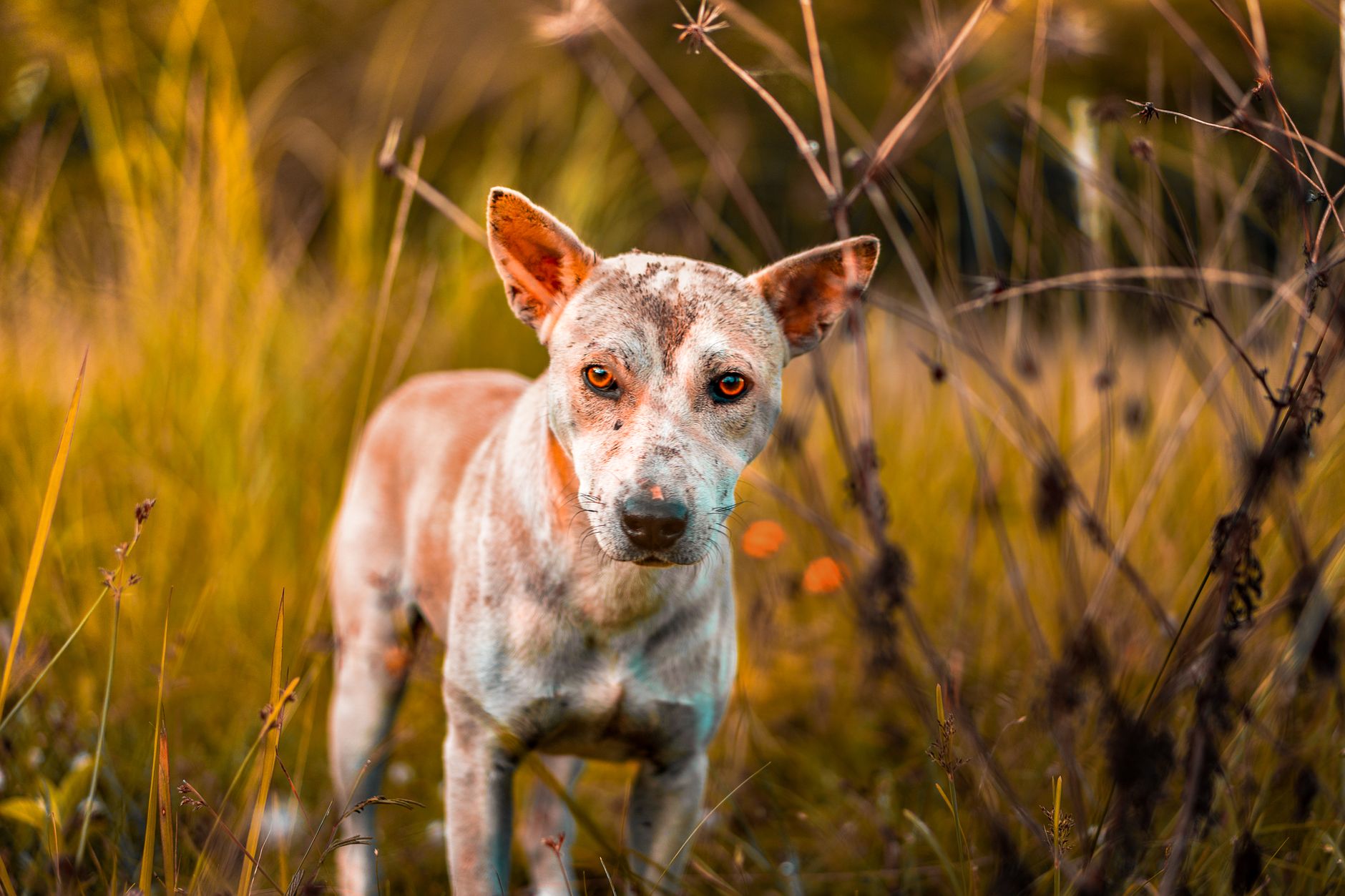
What Infections Can Humans Get From Dogs? A Comprehensive Guide
Humans can contract a variety of infections from dogs, known as zoonotic diseases, ranging from common bacterial and fungal infections to more serious parasitic and viral illnesses, often transmitted through bites, scratches, or contact with contaminated feces. Understanding these risks and implementing preventative measures is crucial for maintaining both your health and your furry friend’s well-being.
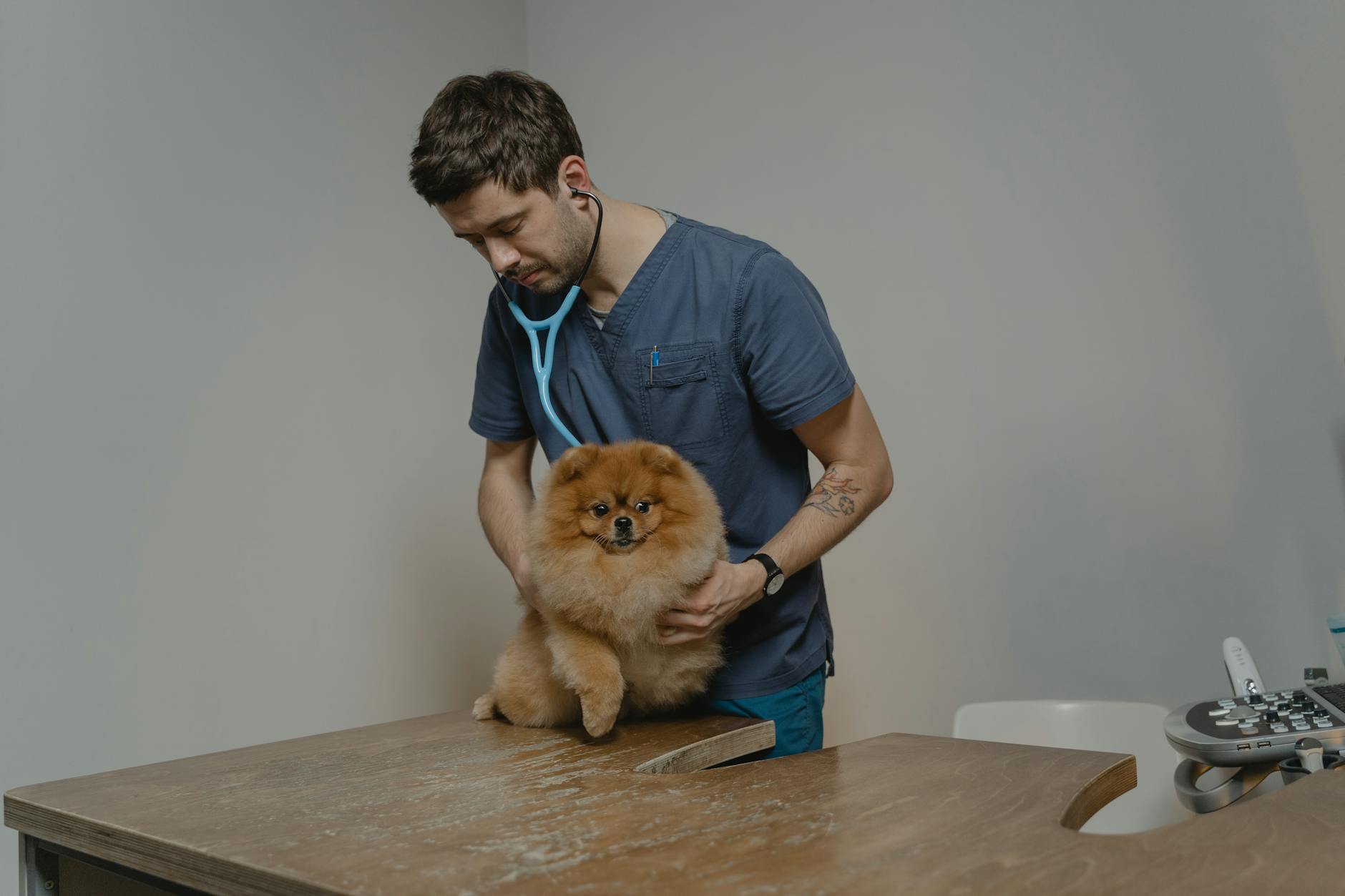
Understanding Zoonotic Diseases: A Brief Overview
Zoonotic diseases are illnesses that can be transmitted from animals to humans. Because of our close relationships with dogs, and the potential for sharing environments and even bodily fluids (think enthusiastic dog kisses!), it’s important to be aware of the potential for transmission. Transmission routes can vary, including:
- Direct contact: Touching a dog, especially if they are carrying a disease.
- Indirect contact: Touching surfaces contaminated by a dog (e.g., toys, bedding, food bowls).
- Bites and scratches: Puncturing the skin, introducing pathogens directly into the bloodstream.
- Fecal-oral route: Ingesting fecal matter, even trace amounts (especially important for children).
- Vectors: Fleas, ticks, and mosquitoes that feed on dogs can transmit diseases to humans.

Is distilled water good for goldfish?
What colours are fish most attracted to?
Can you put your finger in a trout's mouth?
Is methylene blue anti bacterial?
Common Bacterial Infections from Dogs
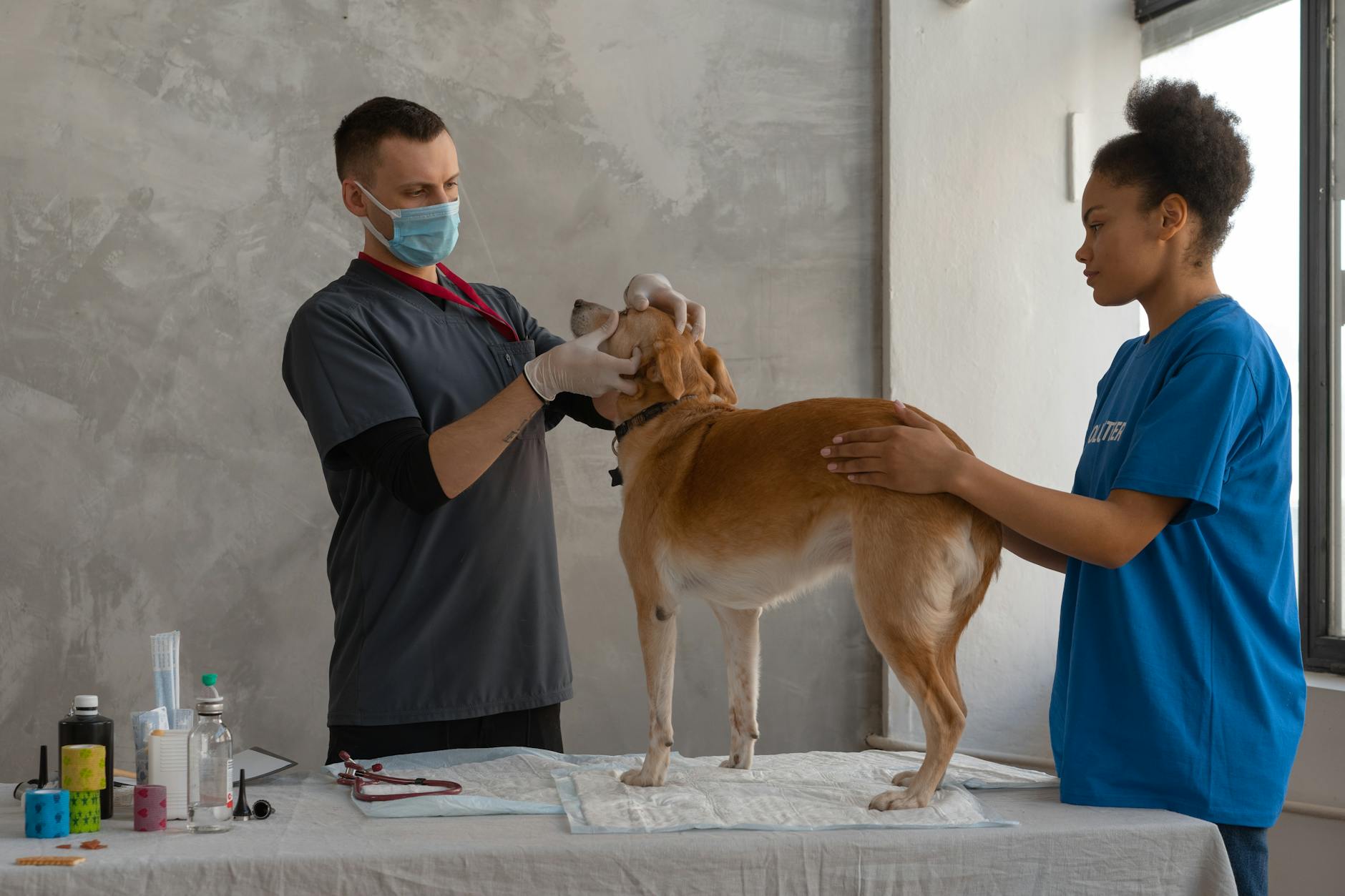
Several bacterial infections are easily transmissible from dogs to humans. Recognizing the signs and seeking treatment promptly are crucial.
- Campylobacteriosis: Caused by Campylobacter bacteria, often resulting in diarrhea, abdominal cramps, and fever. Transmission typically occurs through contaminated food or water, or direct contact with dog feces.
- Salmonellosis: Another bacterial infection leading to gastrointestinal distress. Dogs can carry Salmonella without showing symptoms, making it important to practice good hygiene after handling them.
- Leptospirosis: Spread through the urine of infected animals, including dogs. Leptospira bacteria can enter the body through cuts in the skin or mucous membranes. Symptoms can range from mild flu-like symptoms to severe liver and kidney damage.
- Pasteurella multocida: Commonly found in the mouths of dogs and cats, this bacteria can cause skin infections, pneumonia, or even blood infections if transmitted through a bite or scratch.
Fungal Infections: Ringworm
Ringworm, despite its name, is a fungal infection, not a worm. Microsporum canis is the most common culprit in dogs and can easily spread to humans through direct contact. Symptoms include itchy, ring-shaped rashes on the skin. Treatment typically involves antifungal creams or oral medications.
Parasitic Infections: A Hidden Threat
Dogs can harbor various parasites that can infect humans. Prevention through regular deworming and good hygiene is vital.
- Roundworms (Toxocara canis): Transmitted through contaminated soil or feces. The Toxocara larvae can migrate through the human body, potentially affecting the eyes (ocular larva migrans) or other organs (visceral larva migrans).
- Hookworms: Can penetrate human skin, typically through bare feet walking on contaminated ground. They can cause a creeping eruption of itchy, raised lesions on the skin.
- Tapeworms: While less common in humans, tapeworms can be transmitted through ingestion of fleas carrying tapeworm larvae.
- Giardia: A protozoan parasite causing diarrhea, abdominal cramps, and dehydration. Transmission occurs through ingestion of contaminated water or food, or direct contact with infected feces.
Viral Infections: Rabies
Rabies is a deadly viral disease that affects the central nervous system. It is transmitted through the saliva of infected animals, most commonly through bites. Vaccination is crucial for preventing rabies in dogs. Post-exposure prophylaxis (PEP) is highly effective in preventing rabies in humans if administered promptly after exposure.
Prevention is Key: Protecting Yourself and Your Dog
Protecting yourself from zoonotic diseases requires a proactive approach.
- Regular Veterinary Care for Your Dog: Vaccinations, deworming, and parasite prevention are essential.
- Good Hygiene Practices: Wash your hands thoroughly after handling your dog, their food, or cleaning up after them.
- Avoid Contact with Dog Feces: Always clean up after your dog promptly and properly. Wear gloves when handling feces.
- Prevent Dog Bites and Scratches: Teach children how to interact safely with dogs and supervise interactions.
- Maintain a Clean Environment: Regularly clean and disinfect surfaces that your dog comes into contact with.
Understanding the Risks: Who is Most Vulnerable?
While anyone can contract a zoonotic disease from a dog, certain groups are at higher risk.
- Children: More likely to engage in close contact with dogs and less likely to practice thorough hygiene.
- Pregnant Women: Some infections can pose risks to the developing fetus.
- Individuals with Weakened Immune Systems: Those with HIV/AIDS, cancer, or other conditions that compromise the immune system are more susceptible to infections.
- Elderly Individuals: May have weakened immune systems and be more vulnerable to complications from infections.
Recognizing Symptoms and Seeking Treatment
Early recognition of symptoms and prompt medical attention are essential for managing zoonotic diseases. If you experience any unusual symptoms after contact with a dog, consult with a healthcare professional. Provide detailed information about your exposure to help them determine the appropriate course of treatment.
Table: Common Zoonotic Diseases from Dogs
| Disease | Cause | Transmission Route | Symptoms | Prevention |
|---|---|---|---|---|
| Campylobacteriosis | Campylobacter bacteria | Contaminated food/water, dog feces | Diarrhea, abdominal cramps, fever | Good hygiene, proper food handling, clean water |
| Salmonellosis | Salmonella bacteria | Contaminated food/water, dog feces | Diarrhea, fever, abdominal cramps | Good hygiene, proper food handling |
| Leptospirosis | Leptospira bacteria | Urine of infected animals, contaminated water | Flu-like symptoms, liver/kidney damage | Avoid contact with potentially contaminated water, vaccination for dogs |
| Ringworm | Microsporum canis (fungus) | Direct contact | Itchy, ring-shaped rash | Good hygiene, avoid contact with infected animals |
| Roundworms | Toxocara canis (parasite) | Contaminated soil/feces | Eye damage, organ damage | Deworming dogs, good hygiene, avoid contact with contaminated soil |
| Hookworms | Hookworm larvae (parasite) | Penetration of skin (bare feet) | Itchy, raised lesions on skin | Wear shoes, deworming dogs, good hygiene |
| Rabies | Rabies virus | Bite from infected animal | Neurological symptoms, paralysis, death | Vaccination for dogs, avoid contact with wild animals, post-exposure prophylaxis after exposure |
Frequently Asked Questions (FAQs)
What are the most common infections that humans get from dogs?
The most common infections humans get from dogs include bacterial infections like Campylobacter and Salmonella, fungal infections like ringworm, and parasitic infections like roundworms and hookworms. While rabies is a serious concern, it is less common due to widespread vaccination efforts.
How can I tell if my dog has a zoonotic disease?
Signs of a zoonotic disease in dogs can vary depending on the specific infection. Some common signs include diarrhea, vomiting, skin lesions, hair loss, lethargy, and coughing. Consult your veterinarian if you notice any unusual symptoms in your dog.
Is it safe to let my dog lick my face?
While a quick lick might seem harmless, dog saliva can contain bacteria and parasites that could potentially cause infections. It’s generally best to avoid allowing your dog to lick your face, especially around your mouth and eyes.
Can I get worms from my dog even if they are regularly dewormed?
Regular deworming significantly reduces the risk of transmission, but it’s not foolproof. It’s still possible for your dog to become re-infected between deworming treatments. Practicing good hygiene is crucial.
What should I do if I get bitten by a dog?
If you are bitten by a dog, wash the wound thoroughly with soap and water for several minutes. Seek medical attention immediately, especially if the bite is deep, bleeding heavily, or if you are unsure of the dog’s vaccination status. A doctor can assess the risk of infection and determine if you need a tetanus shot or rabies prophylaxis.
Are some dog breeds more likely to carry zoonotic diseases?
Breed itself isn’t a direct factor in determining the likelihood of carrying zoonotic diseases. However, factors such as where a dog lives (e.g., exposure to wildlife), its overall health, and its preventative care (e.g., vaccinations, deworming) are much more important.
Can I get ringworm from touching my dog’s fur?
Yes, ringworm is highly contagious and can be transmitted through direct contact with an infected dog’s fur. Avoid touching the affected areas and wash your hands thoroughly after handling your dog.
How often should I deworm my dog?
The frequency of deworming depends on several factors, including your dog’s age, lifestyle, and geographic location. Consult your veterinarian to determine the most appropriate deworming schedule for your dog.
Can I get Giardia from my dog?
Yes, Giardia is a zoonotic parasite that can be transmitted from dogs to humans through contaminated water, food, or feces. Proper hygiene and sanitation are essential for preventing Giardia infection.
Are there any specific precautions pregnant women should take around dogs?
Pregnant women should practice extra caution around dogs to avoid infections that could harm the developing fetus. Good hygiene, avoiding contact with dog feces, and consulting with a healthcare professional are important.
Can I get leptospirosis from my dog’s urine even if it’s dry?
While the risk is lower when the urine is dry, Leptospira bacteria can survive for extended periods in moist environments. Thorough cleaning and disinfection of areas contaminated with dog urine are essential.
What’s the best way to clean up dog feces to prevent infection?
Wear gloves when cleaning up dog feces and dispose of it properly in a sealed bag. Wash your hands thoroughly with soap and water afterward. Disinfect the area where the feces was located to kill any remaining pathogens.