
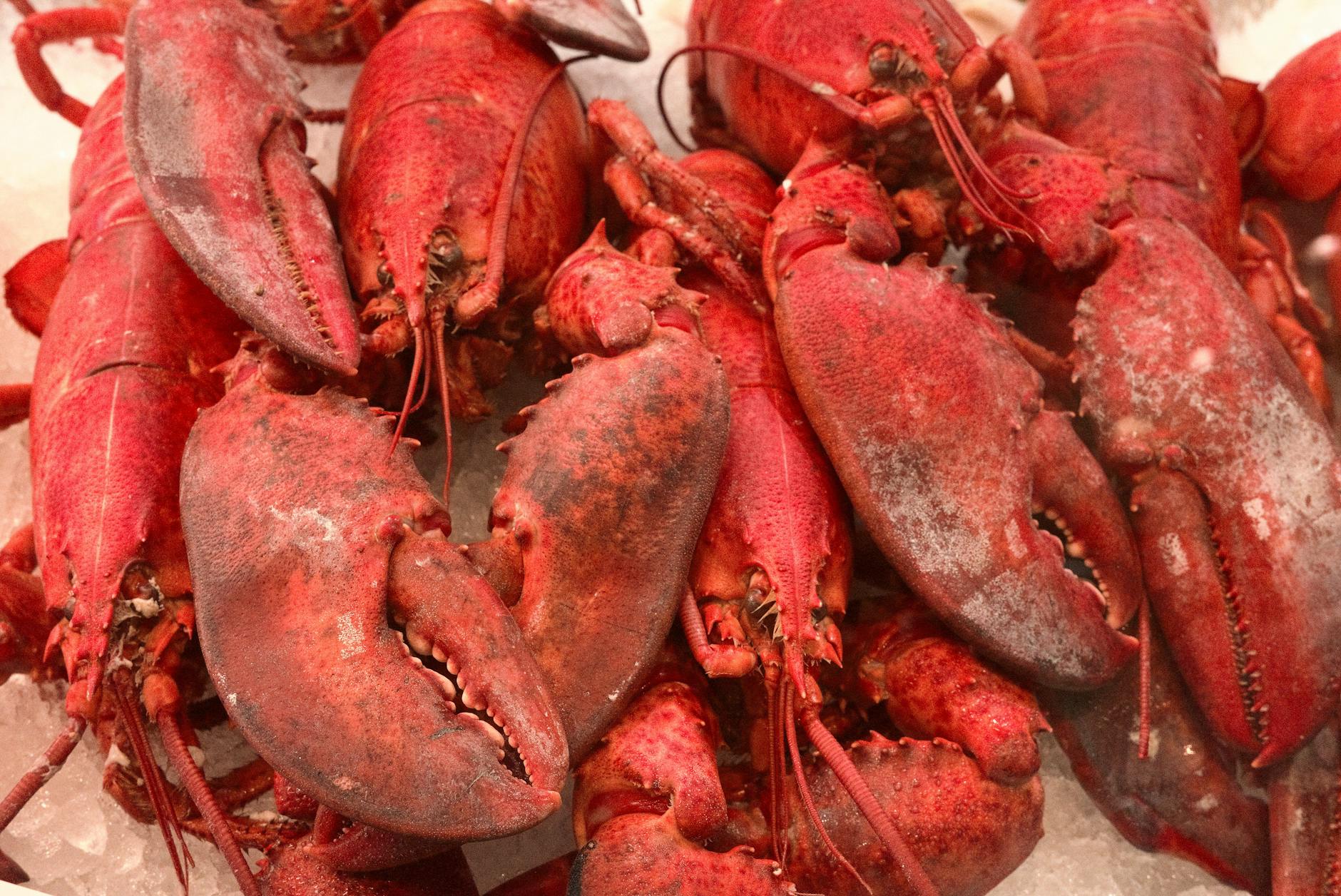
What If a Lobster Pinches You?: Understanding the Pinch and Its Aftermath
A lobster’s pinch can be surprisingly painful, but rarely dangerous. What if a lobster pinches you? The consequences are usually limited to localized pain and, potentially, a minor skin wound, but knowing how to react and care for the pinch is important.

Lobster Pinch 101: Anatomy and Behavior
Lobsters, those fascinating denizens of the deep, possess powerful claws used for feeding, defense, and mating rituals. The size and strength of these claws vary depending on the species and the individual lobster. Understanding their anatomy and behavior is crucial for appreciating the potential, and limitations, of a lobster pinch.
- Claw Types: Lobsters typically have two types of claws: a crusher claw and a pincer claw. The crusher claw is larger and designed for breaking hard shells, while the pincer claw is sharper and used for gripping and tearing.
- Defensive Mechanism: A lobster pinch is primarily a defensive mechanism. When a lobster feels threatened, it may instinctively use its claws to ward off potential predators or rivals.
- Habitat and Temperament: Lobsters are generally solitary creatures and can be territorial. They are more likely to pinch if they feel their space is being invaded or if they are being handled roughly.

What colours are fish most attracted to?
Can you put your finger in a trout's mouth?
Is methylene blue anti bacterial?
Does aquarium salt raise pH in aquarium?
The Immediate Impact: Pain and Potential Damage

The experience of being pinched by a lobster can range from a mild annoyance to a sharp, stinging pain. The severity depends on factors such as:
- Lobster Size: Larger lobsters have more powerful claws and can inflict a more painful pinch.
- Claw Type: A pinch from a crusher claw is generally more forceful and damaging than one from a pincer claw.
- Pinch Location: The skin on your fingers and hands is particularly sensitive, making a pinch in these areas more painful.
While a lobster pinch is rarely life-threatening, it can cause:
- Localized Pain: Expect a sharp, stinging sensation at the site of the pinch.
- Skin Lacerations: The claws can break the skin, leading to minor cuts or abrasions.
- Bruising: If the pinch is forceful, it may cause bruising around the affected area.
First Aid for a Lobster Pinch
Knowing how to properly treat a lobster pinch is essential for preventing infection and promoting healing. Here’s a step-by-step guide:
- Remove the Lobster: Carefully remove the lobster from your skin. Avoid jerking or pulling, as this could worsen any potential tearing of the skin.
- Wash the Wound: Thoroughly wash the affected area with soap and water. This is crucial for removing any bacteria or debris that may have entered the wound.
- Apply Antiseptic: Apply an antiseptic solution, such as hydrogen peroxide or iodine, to help prevent infection.
- Cover with Bandage: Cover the wound with a clean bandage to protect it from further irritation and promote healing.
- Monitor for Infection: Watch for signs of infection, such as redness, swelling, pus, or increased pain. If you notice any of these symptoms, seek medical attention immediately.
Preventing Lobster Pinches: Safe Handling Practices
Prevention is always better than cure. Here are some tips for avoiding lobster pinches:
- Respect Their Space: Avoid getting too close to lobsters in their natural habitat.
- Handle with Care: If you need to handle a lobster, do so gently and with caution.
- Use Protective Gear: When handling lobsters commercially or in a seafood restaurant, consider using gloves or tongs to protect your hands.
- Educate Yourself: Learn about lobster behavior and how to safely interact with them.
Understanding the Myths Surrounding Lobster Pinches
Many myths and misconceptions surround lobster pinches. It’s important to separate fact from fiction:
- Myth: Lobster pinches are poisonous.
- Fact: Lobsters are not venomous or poisonous. The pain from a pinch is caused by the force of the claws, not by any toxic substance.
- Myth: Lobster pinches always require medical attention.
- Fact: Most lobster pinches are minor and can be treated at home with basic first aid. However, if the wound is deep, bleeding profusely, or shows signs of infection, seek medical attention.
- Myth: Lobsters intentionally try to hurt humans.
- Fact: Lobsters pinch as a defensive mechanism, not out of malice. They are simply trying to protect themselves from perceived threats.
FAQs: Deep Diving into Lobster Pinch Questions
What is the strongest part of a lobster?
The strongest part of a lobster is its crusher claw. This claw is specifically designed to break hard shells and can exert a significant amount of force.
How do I avoid getting pinched by a lobster while cooking?
The best way to avoid getting pinched by a lobster while cooking is to purchase them already dead. Alternatively, you can humanely dispatch the lobster yourself before cooking it. If handling a live lobster, use tongs and handle them carefully from behind, avoiding their claws.
Are lobster claws powerful enough to break bones?
While a lobster’s crusher claw can exert a considerable amount of force, it is unlikely to break human bones under normal circumstances. However, it could potentially cause a fracture if applied with sufficient pressure to a smaller bone, like a finger.
What should I do if a lobster pinch starts bleeding heavily?
If a lobster pinch results in heavy bleeding, apply direct pressure to the wound with a clean cloth and elevate the injured limb. Seek immediate medical attention if the bleeding doesn’t stop after several minutes.
Is it safe to eat a lobster after it has pinched someone?
Yes, it is perfectly safe to eat a lobster after it has pinched someone. The act of pinching does not introduce any toxins or contaminants into the lobster’s meat.
How long does it typically take for a lobster pinch to heal?
Most lobster pinches are superficial and heal within a few days to a week. Keep the wound clean and covered to promote healing and prevent infection.
Can a lobster pinch cause nerve damage?
In rare cases, a lobster pinch could potentially cause nerve damage if the claws exert sufficient force to compress or sever a nerve. This is more likely to occur with a larger lobster and a pinch in a sensitive area.
What are the signs of a serious infection after a lobster pinch?
Signs of a serious infection include increased pain, redness, swelling, pus or drainage from the wound, fever, and swollen lymph nodes. Seek immediate medical attention if you experience any of these symptoms.
Are some people more susceptible to lobster pinches than others?
No, everyone is equally susceptible to lobster pinches. However, those who handle lobsters more frequently, such as fishermen and seafood workers, are at a higher risk of being pinched due to increased exposure.
Do different species of lobsters have different strengths of pinch?
Yes, different species of lobsters have different strengths of pinch. For example, the American lobster (Homarus americanus) is known for its strong claws, while other species may have weaker claws.
What is the best way to humanely dispatch a lobster before cooking?
There are several methods for humanely dispatching a lobster before cooking, including inserting a sharp knife into the lobster’s head between the eyes to sever the nerve center or chilling the lobster in the freezer for several hours to induce a state of torpor before quickly killing it.
Can a lobster pinch cause tetanus?
While a lobster pinch itself does not directly cause tetanus, the bacteria that causes tetanus can enter the body through any wound, including a lobster pinch. It’s important to ensure your tetanus vaccination is up-to-date to protect yourself from this potentially deadly infection. Consult with your doctor about the need for a tetanus booster if you are unsure.