
What Happens When You Mix Bleach and Lysol Toilet Bowl Cleaner?
Mixing bleach and Lysol toilet bowl cleaner creates a highly dangerous chemical reaction, producing toxic chlorine gas that can cause severe respiratory problems, chemical burns, and even death. Never combine these cleaning products.
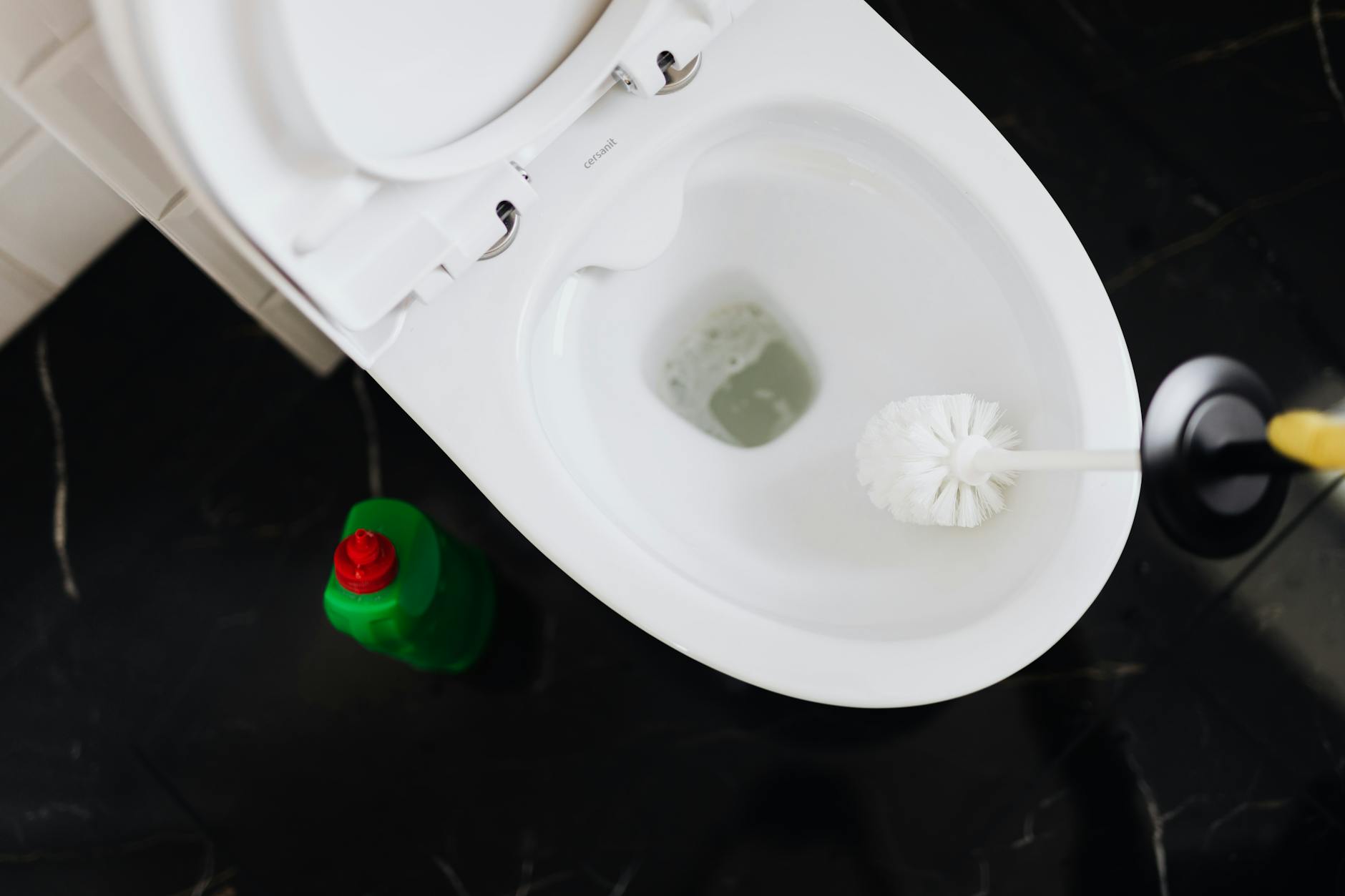
Mixing household cleaning products seems like a quick way to achieve a super-clean surface. However, combining certain chemicals, particularly bleach and Lysol toilet bowl cleaner, can lead to dangerous and potentially deadly consequences. Understanding the science behind this reaction is crucial for maintaining a safe home environment. This article will delve into the chemical reactions involved, the hazards you might face, and steps you can take to keep your home safe from such dangerous mixtures.
Understanding the Chemicals
To understand what happens when you mix bleach and Lysol toilet bowl cleaner, it’s essential to know the chemical composition of each product.
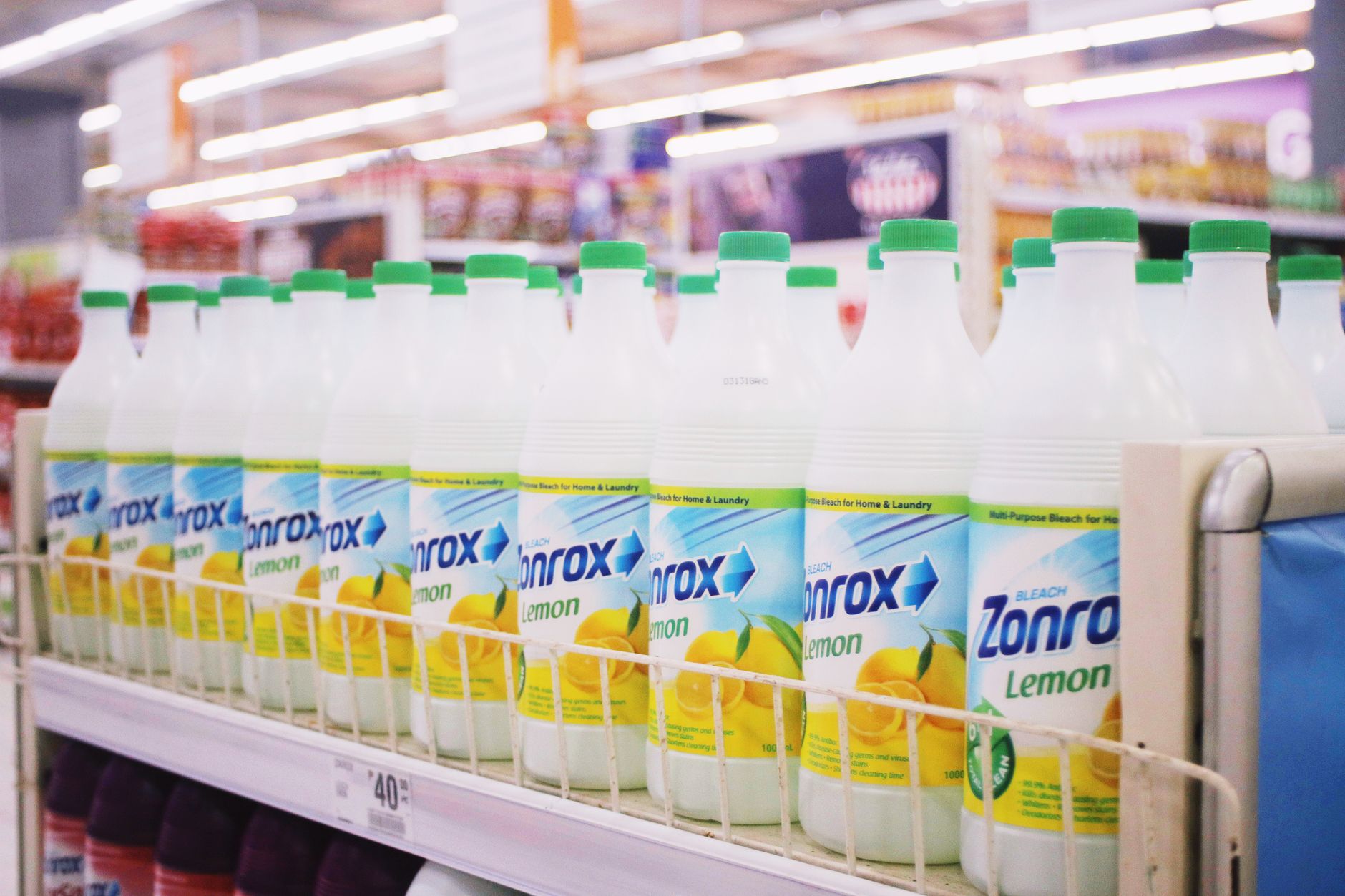
- Bleach: Commonly contains sodium hypochlorite (NaClO), a powerful oxidizing agent.
- Lysol Toilet Bowl Cleaner: Varies in formulation, but often contains hydrochloric acid (HCl) or other acids, along with various surfactants and detergents. Some formulations contain sodium hypochlorite as well. It’s essential to always read the label.
These two distinct chemistries are where the danger lies when combined.

What colours are fish most attracted to?
Can you put your finger in a trout's mouth?
Is methylene blue anti bacterial?
Does aquarium salt raise pH in aquarium?
The Dangerous Chemical Reaction

The reaction that occurs when bleach (sodium hypochlorite) and an acidic toilet bowl cleaner (such as Lysol containing hydrochloric acid) are mixed generates chlorine gas (Cl2).
The simplified chemical equation looks like this:
NaClO (bleach) + 2 HCl (hydrochloric acid) → Cl2 (chlorine gas) + H2O (water) + NaCl (salt)
Chlorine gas is a potent irritant and oxidizing agent. Even in low concentrations, it can be hazardous.
Health Hazards of Chlorine Gas Exposure
Chlorine gas is a serious health threat. The severity of symptoms depends on the concentration and duration of exposure.
- Low Concentrations (1-3 ppm): Irritation of the eyes, nose, and throat; coughing; shortness of breath.
- Moderate Concentrations (5-15 ppm): Chest pain, severe coughing, wheezing, fluid in the lungs (pulmonary edema).
- High Concentrations (25+ ppm): Rapidly life-threatening; severe respiratory distress, chemical pneumonitis, and death.
Immediate medical attention is required if someone is exposed to chlorine gas. Symptoms can develop rapidly and worsen quickly.
First Aid Measures for Chlorine Gas Exposure
If you suspect chlorine gas exposure from mixing bleach and Lysol toilet bowl cleaner, take these immediate steps:
- Evacuate: Leave the area immediately and ensure others do the same.
- Fresh Air: Move to an area with fresh air.
- Medical Attention: Seek immediate medical assistance. Call emergency services (911 in the US) or your local poison control center.
- Remove Contaminated Clothing: If possible, remove any clothing that may have been exposed to the gas.
- Flush Eyes and Skin: If chlorine gas has contacted skin or eyes, flush with copious amounts of water for at least 15-20 minutes.
Safer Cleaning Practices
Preventing chemical reactions is always better than treating them. Here are some safer cleaning practices to follow:
- Read Labels: Always read and understand the instructions and warnings on all cleaning products.
- Never Mix: Never mix different cleaning products together, especially bleach with acidic cleaners like toilet bowl cleaners.
- Ventilation: Ensure adequate ventilation when using cleaning products. Open windows and doors.
- Separate Usage: Use different cleaning products at different times, ensuring thorough rinsing between applications.
- Safe Storage: Store cleaning products in a secure location, out of reach of children and pets.
Alternative Cleaning Solutions
Consider using safer, non-toxic cleaning alternatives:
- Vinegar: A natural disinfectant and deodorizer.
- Baking Soda: An abrasive cleaner and deodorizer.
- Hydrogen Peroxide: A disinfectant and bleaching agent.
- Enzyme Cleaners: Effective for breaking down organic stains and odors.
These alternatives are generally safer and less likely to cause dangerous chemical reactions.
Identifying “Acidic” Cleaners to Avoid Mixing With Bleach
It’s important to be able to identify cleaners that should never be mixed with bleach. Check the product label for the following:
- Hydrochloric Acid (HCl): A common ingredient in toilet bowl cleaners.
- Sulfuric Acid (H2SO4): Found in some drain cleaners.
- Citric Acid: While less reactive than stronger acids, avoid mixing it with bleach.
- Any product with “Acid” in the name. Always err on the side of caution.
Cleaning Up Spills and Residue Safely
If you accidentally mix bleach and Lysol toilet bowl cleaner (or any other incompatible chemicals):
- Evacuate Immediately: Leave the area and ensure everyone else does too.
- Ventilate: Open windows and doors to allow fresh air to circulate.
- Call for Help: Contact your local fire department or hazardous materials team. They have the proper equipment and training to safely neutralize the spill.
- Do Not Attempt to Clean it Yourself: Avoid trying to clean up the mixture yourself. You could be exposed to harmful fumes.
Frequently Asked Questions (FAQs)
What is the main danger of mixing bleach and Lysol toilet bowl cleaner?
The primary danger is the production of highly toxic chlorine gas. This gas can cause severe respiratory irritation, chemical burns, and even death, especially in poorly ventilated areas. Immediate evacuation and medical attention are crucial if exposure occurs.
Can I mix bleach with other Lysol products besides toilet bowl cleaner?
It is generally unsafe to mix bleach with any Lysol product. Lysol formulations often contain chemicals that can react dangerously with bleach, creating toxic fumes or other hazardous substances. Always check the product labels and avoid mixing unless explicitly stated as safe by the manufacturer.
Is it safe to use bleach and toilet bowl cleaner separately in the same toilet?
Yes, it is generally safe to use bleach and toilet bowl cleaner separately, but always rinse the toilet bowl thoroughly with water after using one product before applying the other. This minimizes the risk of any residual chemicals reacting. Ventilate the bathroom well during and after cleaning.
What are the symptoms of chlorine gas poisoning from mixing bleach and Lysol toilet bowl cleaner?
Symptoms of chlorine gas poisoning can include coughing, shortness of breath, wheezing, chest pain, burning sensation in the eyes, nose, and throat, and fluid in the lungs (pulmonary edema). Severe exposure can lead to rapid loss of consciousness and death.
How long does chlorine gas linger after mixing bleach and Lysol toilet bowl cleaner?
The duration of chlorine gas lingering depends on several factors, including the concentration of the mixed chemicals, the ventilation in the area, and the temperature. The gas can linger for several hours in poorly ventilated spaces. Thorough ventilation is essential to dissipate the gas quickly.
What should I do if I accidentally inhaled chlorine gas from mixed bleach and Lysol toilet bowl cleaner?
Seek immediate medical attention. Move to fresh air immediately. Remove any contaminated clothing. If you experience difficulty breathing, call emergency services or have someone transport you to the nearest hospital.
Can I neutralize chlorine gas with another household chemical?
Do not attempt to neutralize chlorine gas with another household chemical. Attempting to neutralize the gas can create even more dangerous reactions. Leave the area and call professionals to handle the situation safely.
Are there any cleaning products that are safe to mix with bleach?
There are virtually no cleaning products that are genuinely safe to mix with bleach. Bleach is a highly reactive chemical and should almost always be used alone. Mixing bleach with any other cleaner is a recipe for disaster.
What are some safer alternatives to using bleach and Lysol toilet bowl cleaner for cleaning my bathroom?
Safer alternatives include using vinegar, baking soda, hydrogen peroxide, and enzyme-based cleaners. These products are generally less hazardous and less likely to cause dangerous chemical reactions. Using a combination of vinegar and baking soda can be a very effective and safe cleaning method.
Is it safe to mix bleach and ammonia?
Mixing bleach and ammonia is extremely dangerous and should never be done. This combination creates chloramine gas, which is even more toxic than chlorine gas. The effects are similar to chlorine gas exposure, but potentially more severe.
What does ppm stand for when referring to chlorine gas concentration?
PPM stands for parts per million. It’s a unit of measurement used to express the concentration of a substance in air, water, or other media. In the context of chlorine gas, ppm indicates the amount of chlorine gas present in the air relative to other gases. Even small concentrations, measured in ppm, can be harmful.
How can I prevent accidentally mixing incompatible cleaning products like bleach and Lysol toilet bowl cleaner?
The best way to prevent accidental mixing is to always read and follow the product labels. Use products separately and rinse thoroughly between applications. Store cleaning products separately to avoid accidental mixing or confusion. Educate all household members about the dangers of mixing cleaning chemicals.