
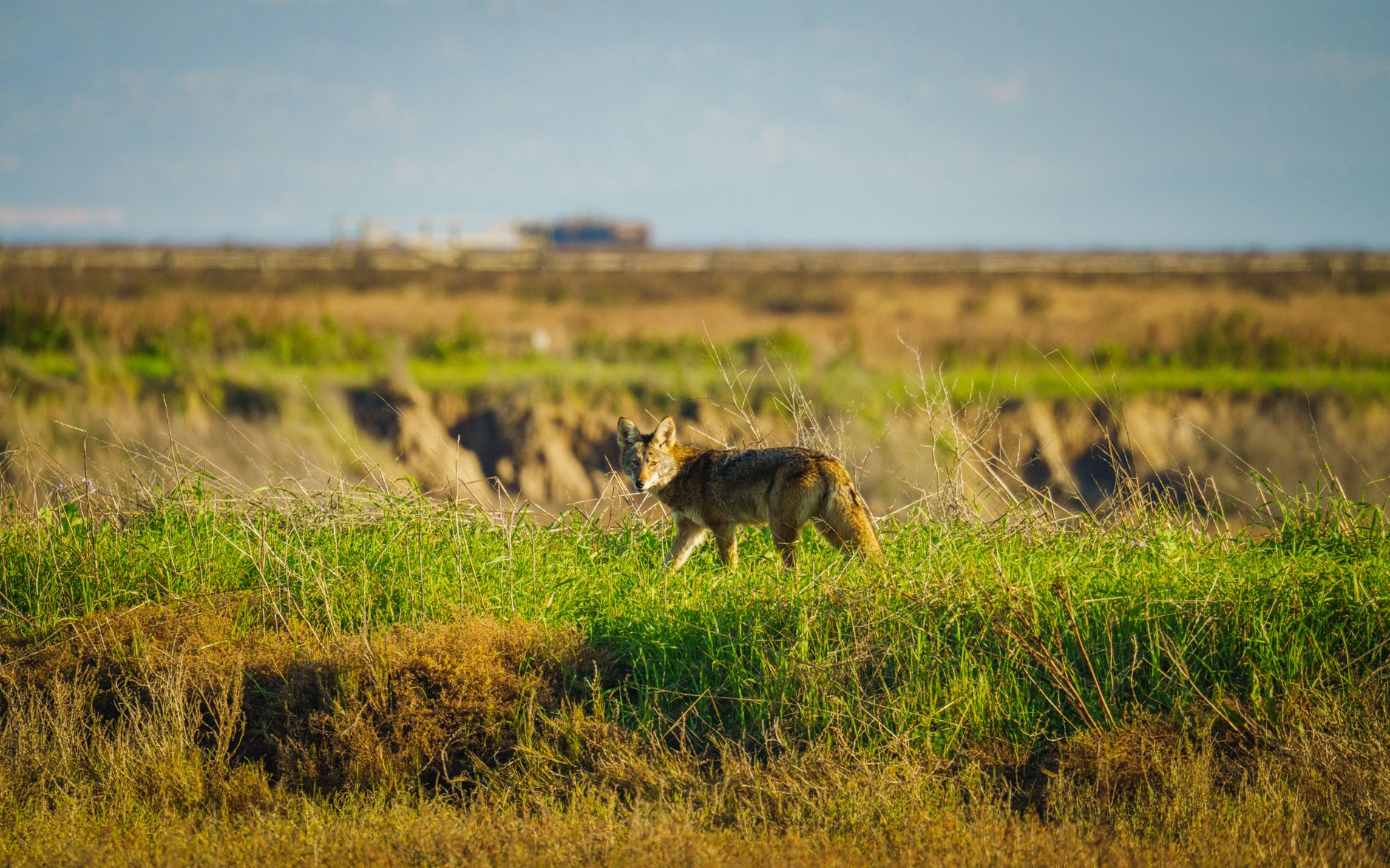
What Happens to Coyotes with Mange? A Deep Dive
What happens to coyotes with mange? Coyotes suffering from mange experience a devastating decline in health, often leading to severe hair loss, skin lesions, weakness, and ultimately, if untreated, death due to starvation, hypothermia, or secondary infections.

Understanding Mange in Coyotes: A Growing Concern
Mange, particularly sarcoptic mange, is a highly contagious skin disease caused by microscopic mites that burrow into the skin of various mammals, including coyotes. This infestation triggers intense itching and inflammation, leading to a cascade of debilitating effects. The increasing prevalence of mange in coyote populations across North America raises significant concerns about wildlife management and the health of ecosystems. What happens to coyotes with mange? depends largely on the severity of the infestation and the availability of resources to help them survive.

What colours are fish most attracted to?
Can you put your finger in a trout's mouth?
Is methylene blue anti bacterial?
Does aquarium salt raise pH in aquarium?
The Culprit: Sarcoptic Mites

The primary cause of mange in coyotes is the sarcoptic mange mite (Sarcoptes scabiei). These mites are tiny, eight-legged parasites that are barely visible to the naked eye. They burrow into the skin, causing intense irritation and an allergic reaction.
Progression of Mange in Coyotes
The progression of mange in coyotes is a gradual but devastating process:
- Initial Infestation: The mites begin to colonize the skin, often starting around the ears, elbows, and belly.
- Intense Itching: The mites’ burrowing and secretions trigger an intense itching sensation, causing the coyote to scratch and rub excessively.
- Hair Loss: Constant scratching leads to significant hair loss, leaving patches of bare, inflamed skin.
- Skin Lesions: The exposed skin becomes vulnerable to secondary bacterial infections, resulting in sores, scabs, and crusts.
- Weakness and Emaciation: The coyote expends enormous energy trying to stay warm due to hair loss and battling infection. This, combined with difficulty hunting due to impaired vision and discomfort, leads to weight loss and weakness.
- Secondary Complications: As the coyote weakens, it becomes susceptible to other diseases and injuries.
- Death: In severe, untreated cases, what happens to coyotes with mange is often death from starvation, hypothermia (especially in winter), or overwhelming secondary infections.
Factors Influencing Mange Severity
Several factors can influence the severity of mange in coyotes:
- Age: Young coyotes and older individuals with weakened immune systems are more susceptible to severe infestations.
- Nutritional Status: Malnourished coyotes are less able to fight off the infection.
- Environmental Conditions: Cold weather exacerbates the effects of hair loss, increasing the risk of hypothermia.
- Population Density: High coyote densities increase the risk of mite transmission.
Impact on Coyote Populations and Ecosystems
The spread of mange can have significant impacts on coyote populations and the ecosystems they inhabit:
- Population Decline: Mange can lead to localized population declines, particularly in areas with high prevalence.
- Altered Predator-Prey Dynamics: Sick and weakened coyotes may struggle to hunt effectively, potentially impacting prey populations.
- Increased Scavenging: Mange-ridden coyotes may rely more heavily on scavenging, potentially increasing the risk of disease transmission to other animals.
Treatment and Management Strategies
While mange can be devastating, various treatment and management strategies can help affected coyotes and mitigate the spread of the disease.
- Pharmaceutical Treatments: Antiparasitic medications, such as ivermectin or selamectin, can effectively kill the mites. However, administering these medications to wild coyotes can be challenging.
- Trapping and Treatment: In some cases, coyotes can be trapped, treated with medication, and released back into the wild. This approach is labor-intensive and costly.
- Oral Baits: Researchers are exploring the use of oral baits containing antiparasitic medications to treat coyotes in the wild.
- Habitat Management: Maintaining healthy coyote populations through habitat management and predator control (where applicable) can help reduce the spread of mange.
Prevention Strategies
Preventing the spread of mange is crucial for maintaining healthy coyote populations.
- Responsible Pet Ownership: Treating pets for mites and preventing them from interacting with wildlife can help reduce the risk of transmission.
- Avoiding Feeding Wildlife: Feeding coyotes can lead to increased population densities and increased disease transmission.
- Proper Waste Management: Securing garbage and preventing access to food sources can help reduce the reliance on scavenging.
The Broader Ecological Impact
The health of coyote populations is inextricably linked to the overall health of the ecosystem. Understanding what happens to coyotes with mange is essential for informing effective wildlife management strategies and promoting the well-being of these important predators.
Frequently Asked Questions (FAQs) About Mange in Coyotes
How do coyotes get mange?
Coyotes typically contract mange through direct contact with infected animals, such as other coyotes, foxes, or domestic dogs. They can also acquire the mites from contaminated environments, such as bedding areas or burrows.
What are the early signs of mange in coyotes?
The earliest signs of mange include excessive scratching, rubbing, and biting at the skin. You might also notice small patches of hair loss around the ears, elbows, or belly.
Can mange spread from coyotes to humans or pets?
Yes, sarcoptic mange is zoonotic, meaning it can be transmitted from animals to humans and pets. However, the mites that infect coyotes are slightly different strains than those that typically infect humans and pets, so infestations are usually less severe and self-limiting in these species.
Is mange always fatal for coyotes?
While mange can be fatal, not all coyotes die from the disease. Coyotes with mild infestations or access to adequate food and shelter may recover on their own. Treatment with antiparasitic medications can also significantly improve their chances of survival.
What can I do if I see a coyote with mange in my neighborhood?
If you see a coyote with mange, contact your local wildlife agency or animal control. They can assess the situation and determine the best course of action, which may include trapping and treating the animal. Avoid approaching or feeding the coyote, as this could increase the risk of disease transmission.
Does mange affect other wildlife species besides coyotes?
Yes, mange can affect a wide range of wildlife species, including foxes, wolves, bobcats, bears, and even deer. The severity of the disease can vary depending on the species and the specific strain of mite involved.
How long can mange mites survive in the environment?
Mange mites can survive for several days to a few weeks in the environment, depending on temperature and humidity. They are more likely to survive in cool, humid conditions.
Can I prevent coyotes from getting mange on my property?
While it’s difficult to completely prevent coyotes from getting mange, you can take steps to reduce the risk by keeping your pets on leashes, securing garbage, and avoiding feeding wildlife.
Are there any natural remedies for mange in coyotes?
There are no scientifically proven natural remedies for mange in coyotes. While some anecdotal reports suggest that certain oils or herbs may provide temporary relief, they are unlikely to eradicate the mites and may even exacerbate the condition. Veterinary-prescribed treatments are the most effective.
How does climate change affect the spread of mange in coyote populations?
Climate change can potentially affect the spread of mange by altering the distribution of coyotes and other wildlife species. Warmer temperatures may also increase the survival rate of mites in the environment, potentially leading to more frequent outbreaks.
Are there any long-term consequences for coyotes that recover from mange?
Coyotes that recover from mange may experience scarring and permanent hair loss in affected areas. They may also be more susceptible to secondary infections due to a weakened immune system.
What is the ethical consideration surrounding treating coyotes suffering from mange?
Treating coyotes suffering from mange poses an ethical dilemma between intervention and non-intervention. Advocates for intervention argue that we have a moral obligation to alleviate suffering. Those against intervention often cite natural selection and potential disruption of natural ecosystem processes. Wildlife management agencies often weigh these factors when deciding on treatment strategies.