
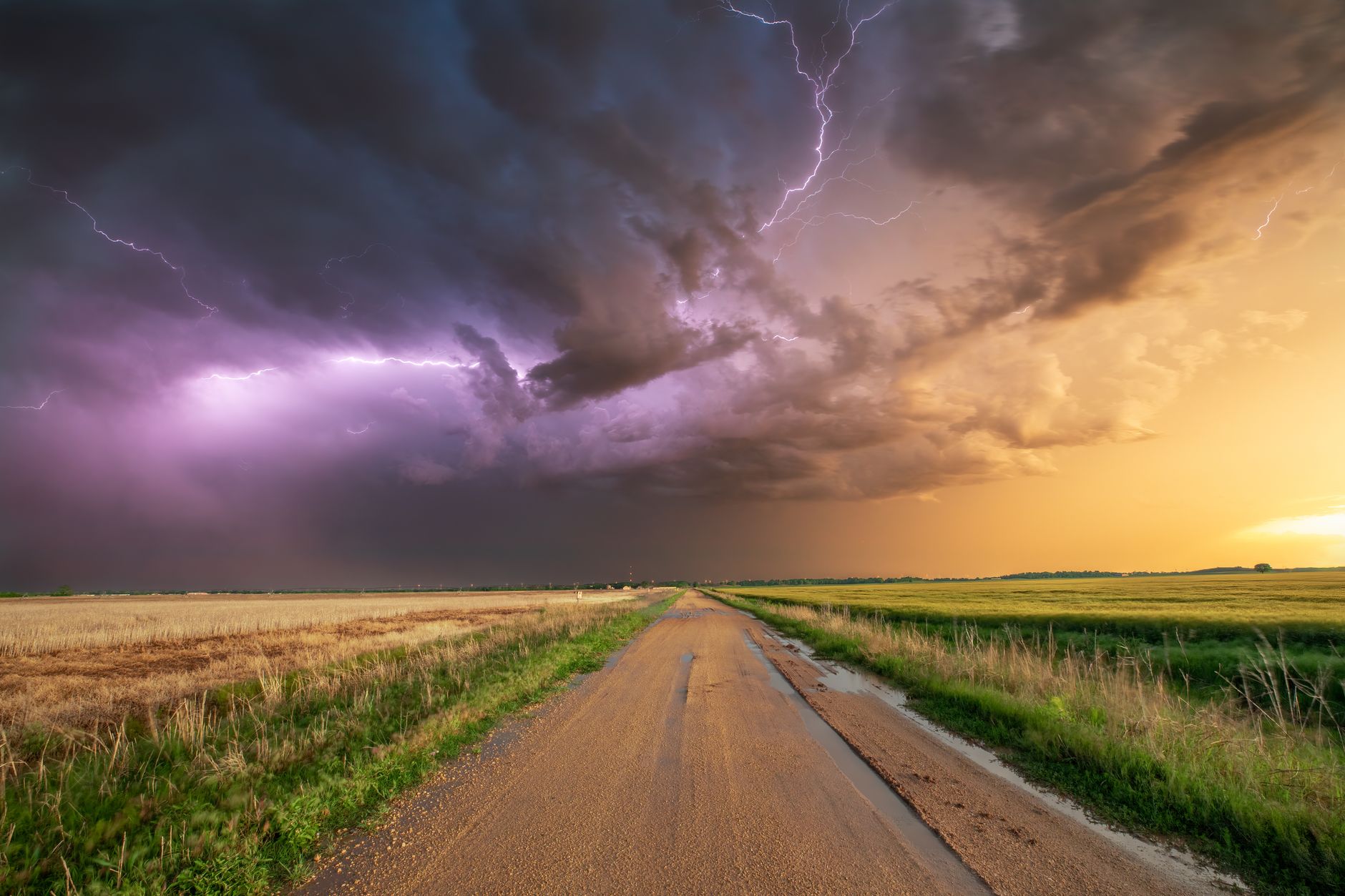
What Happens to Cows During a Tornado: A Comprehensive Look
What happens to cows during a tornado? The fate of cattle during a tornado is precarious, often resulting in injury, displacement, or death due to the storm’s intense winds and debris, though their survival can depend on the tornado’s strength and the availability of shelter.

Understanding Tornadoes and Their Impact
Tornadoes are violently rotating columns of air extending from a thunderstorm to the ground. Their winds can reach speeds exceeding 300 mph, causing widespread destruction. For livestock, especially large animals like cows, encountering a tornado presents significant dangers. The primary threats are:
- Direct Wind Impact: The sheer force of the wind can knock cows off their feet, causing them to be dragged across fields, slamming them into objects, or even lifting them into the air.
- Flying Debris: Tornadoes pick up and hurl debris like trees, fences, and even vehicles. These projectiles can cause severe injuries or death.
- Suffocation: Cows caught in the path of debris fields can become buried or trapped, leading to suffocation.
- Hypothermia/Exposure: After the storm, survivors can face harsh conditions, including cold temperatures and lack of shelter, leading to hypothermia or exposure.
- Stress and Trauma: Even if they physically survive, the experience can be deeply traumatic, impacting their health and productivity.
What colours are fish most attracted to?
Can you put your finger in a trout's mouth?
Is methylene blue anti bacterial?
Does aquarium salt raise pH in aquarium?
Cow Behavior and Tornadoes

Cows aren’t naturally equipped to deal with the extreme conditions of a tornado. While some may instinctively seek shelter, their large size and limited mobility make them vulnerable. Some observed behaviors include:
- Huddling: Cows often huddle together in a group, possibly seeking comfort and a sense of safety. This may offer a small degree of protection from flying debris.
- Seeking Low Ground: Some cows may attempt to seek shelter in ditches or low-lying areas, but this is not always effective, especially if flash flooding occurs.
- Panic and Flight: The loud noises and chaotic conditions can cause panic, leading cows to run aimlessly, increasing their risk of injury.
Factors Influencing Cow Survival During a Tornado
Several factors determine whether a cow survives a tornado:
- Tornado Intensity: The stronger the tornado, the lower the chances of survival. EF0 and EF1 tornadoes might cause minor injuries, while EF4 and EF5 tornadoes are almost always fatal.
- Proximity to the Tornado: Cows directly in the path of the tornado are at much greater risk than those on the periphery.
- Availability of Shelter: Access to sturdy buildings, barns, or even dense wooded areas can significantly increase their chances of survival.
- Terrain: Flat, open fields offer little protection, while uneven terrain with natural depressions can provide some shelter.
- Animal Size and Health: Weaker or younger cows may be less able to withstand the storm’s forces.
Mitigation and Preparedness Strategies
While predicting tornadoes with pinpoint accuracy is impossible, farmers can take steps to protect their livestock:
- Develop a Disaster Plan: Create a plan outlining evacuation procedures, shelter locations, and emergency contact information.
- Provide Shelter: Reinforce barns and outbuildings to withstand high winds or designate areas with natural protection.
- Monitor Weather Conditions: Stay informed about weather forecasts and warnings from reputable sources. Utilize weather apps and local news.
- Reinforce Fences: Ensure fences are strong and well-maintained to prevent cows from escaping during the storm.
- Post-Tornado Protocol: Have a plan for quickly assessing damages, locating missing animals, and providing medical care.
Economic Impacts of Tornadoes on Cattle Farming
Tornadoes can have devastating economic consequences for cattle farmers:
- Livestock Losses: The immediate loss of cows represents a significant financial blow.
- Property Damage: Damage to barns, fences, and other infrastructure can be costly to repair or replace.
- Reduced Productivity: Stress and injuries can negatively impact milk production and overall herd health.
- Increased Veterinary Costs: Treating injured animals can add to the financial burden.
- Business Interruption: The time it takes to recover from a tornado can disrupt farming operations and lead to lost income.
How Farmers Can Prepare Their Cows for a Tornado: Post-Tornado Recovery
Recovering from a tornado is a long and challenging process. Key steps include:
- Safety First: Before entering damaged areas, ensure they are safe from hazards like downed power lines and unstable structures.
- Locate Missing Animals: Search for missing cows and provide them with food, water, and veterinary care. Use drones and volunteers to cover more ground.
- Assess and Repair Damage: Evaluate the extent of the damage to property and begin repairs as soon as possible.
- Secure Resources: Contact insurance companies, government agencies, and agricultural organizations for assistance.
- Monitor Animal Health: Watch for signs of stress, illness, or injury and provide appropriate treatment.
Case Studies: Cow Survival Stories
While the impacts of tornadoes on cattle can be devastating, there are also instances of surprising survival. These stories often highlight the importance of luck, resilience, and quick action. They also demonstrate the unpredictability of these events.
Frequently Asked Questions (FAQs)
What is the most common injury cows sustain during a tornado?
The most common injuries cows sustain during a tornado are lacerations and puncture wounds from flying debris, as well as broken bones due to being thrown around by the wind. Internal injuries are also possible.
Can cows sense a tornado coming and take shelter on their own?
While cows may sense changes in barometric pressure or unusual atmospheric conditions, they don’t have a reliable “tornado sense” that allows them to consistently seek adequate shelter. Their reaction is often based on instinct and may not be sufficient to protect them.
How far can a cow be carried by a tornado?
The distance a cow can be carried by a tornado depends entirely on the tornado’s strength and the cow’s weight and size. In extremely powerful tornadoes, cows have been reported to be carried hundreds of yards, even miles, but such instances are rare.
What kind of shelter is best for cows during a tornado?
The best shelter for cows during a tornado is a sturdy building, such as a reinforced barn or outbuilding, that can withstand high winds and flying debris. Ideally, the building should be located on high ground to avoid flooding.
What happens to cows during a tornado if they are pregnant?
Pregnant cows are particularly vulnerable during tornadoes. The stress and physical trauma can lead to miscarriage, premature labor, or injury to both the cow and the calf. Immediate veterinary care is essential in these situations.
How long does it take for cows to recover emotionally after a tornado?
The emotional recovery time for cows after a tornado varies depending on the individual animal and the severity of the experience. It can take weeks or even months for them to fully recover from the stress and trauma. Providing a calm and supportive environment is crucial.
Is it safe to eat beef from cows that have survived a tornado?
Generally, it is safe to eat beef from cows that have survived a tornado, provided they haven’t sustained injuries or illnesses that would make their meat unsafe. However, veterinary inspection is recommended to ensure the meat is fit for consumption.
What role does the government play in helping farmers after a tornado?
The government offers various forms of assistance to farmers after a tornado, including financial aid, disaster relief programs, and technical assistance. These programs are designed to help farmers rebuild their operations and recover from their losses.
What are some resources available to farmers after a tornado?
Resources available to farmers after a tornado include insurance companies, agricultural organizations, government agencies like FEMA and the USDA, and local community support groups. These organizations can provide financial aid, technical assistance, and emotional support.
What are the ethical considerations of raising cows in tornado-prone areas?
The ethical considerations of raising cows in tornado-prone areas include the responsibility to protect the animals from harm, providing adequate shelter and disaster preparedness plans, and minimizing their suffering in the event of a tornado. Farmers must weigh the risks and benefits of raising livestock in these areas.
What is the long-term impact of tornadoes on the cattle farming industry?
The long-term impact of tornadoes on the cattle farming industry can include reduced herd sizes, increased insurance costs, changes in farming practices, and a greater emphasis on disaster preparedness. Frequent tornado damage can also lead to a decline in the economic viability of cattle farming in certain regions. The impact of what happens to cows during a tornado? is far reaching.
Can technology help protect cows from tornadoes?
Yes, technology can play a role in protecting cows from tornadoes. Early warning systems, weather monitoring apps, and drones can help farmers track weather conditions and assess damage. Furthermore, advances in building materials and construction techniques can lead to stronger shelters. Technology can help to minimize what happens to cows during a tornado?