

What Happens If You See a Seal?
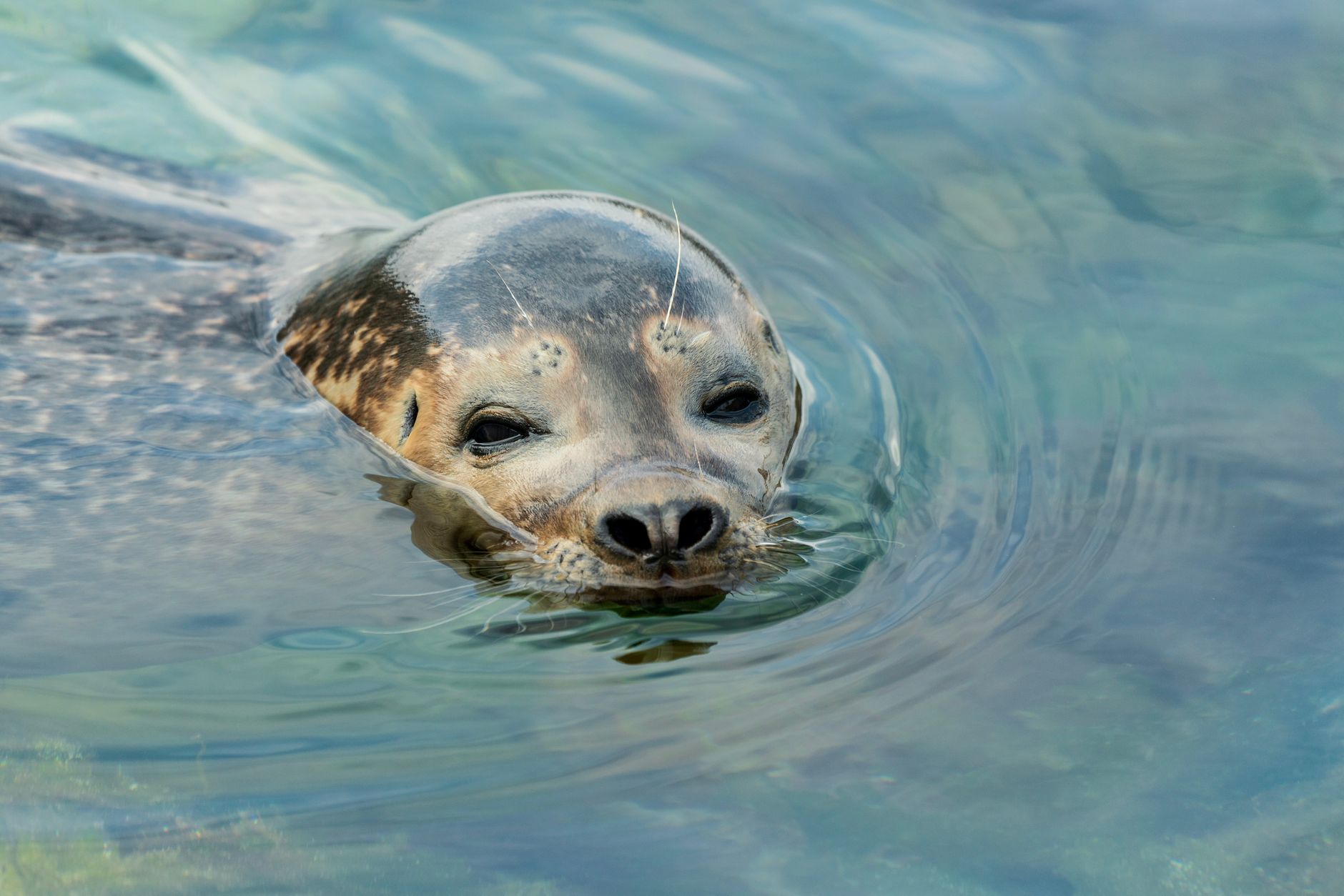
Encountering a seal in the wild, whether on a beach or in the water, is an exciting but potentially delicate situation. The best course of action is generally to observe from a safe distance, avoid direct interaction, and report distressed or injured animals to the appropriate authorities to ensure their well-being.

Introduction: An Unexpected Encounter
Seals are fascinating marine mammals, and coming across one in its natural habitat can be a memorable experience. From the playful harbor seal to the imposing elephant seal, these creatures are an integral part of our coastal ecosystems. However, understanding the proper etiquette when encountering a seal is crucial for both your safety and the seal’s welfare. Too often, well-meaning individuals can inadvertently cause harm to these animals through ignorance or misguided attempts to help. This article provides a comprehensive guide to navigating these encounters responsibly. What happens if you see a seal? Let’s explore the best practices for respecting their space and ensuring their continued survival.
What colours are fish most attracted to?
Can you put your finger in a trout's mouth?
Is methylene blue anti bacterial?
Does aquarium salt raise pH in aquarium?
Understanding Seal Behavior and Biology

Seals are adapted to both aquatic and terrestrial environments. They come ashore to rest, molt, give birth, and nurse their young. During these periods, they can appear vulnerable or even injured, which can trigger a human desire to intervene. However, it’s important to remember that these are natural behaviors, and intervention can often do more harm than good. Different seal species have different behaviors, so it’s essential to be aware of the types of seals commonly found in your area.
Here are some common seal species and their general characteristics:
- Harbor Seal: Relatively small and shy, often seen hauled out on rocks or beaches.
- Gray Seal: Larger than harbor seals, with a distinctive Roman nose.
- Elephant Seal: Immense in size, particularly the males, known for their vocalizations.
- Ringed Seal: Primarily found in Arctic regions, adapted to icy conditions.
Dos and Don’ts: Proper Seal Encounter Etiquette
Knowing what to do – and, just as importantly, what not to do – is crucial when you see a seal. Here’s a breakdown of best practices:
Do:
- Observe from a Distance: Use binoculars or a telephoto lens to get a closer look without disturbing the animal. Aim to stay at least 150 feet away.
- Keep Pets Leashed: Dogs can scare or even attack seals, and seals can carry diseases that are transmissible to dogs.
- Report Injured or Distressed Animals: Contact your local marine mammal stranding network or animal control.
- Wash Your Hands: If you accidentally touch a seal or any surface it has been on, wash your hands thoroughly.
Don’t:
- Approach the Seal: Getting too close can cause stress and panic, potentially leading to injury for both you and the seal.
- Feed the Seal: Feeding seals can alter their natural foraging behaviors and make them dependent on humans.
- Touch the Seal: Seals can bite and may carry diseases that are transmissible to humans.
- Attempt to “Rescue” a Seal: Unless specifically instructed by a trained professional, do not attempt to move or handle a seal.
- Make Loud Noises: Minimize noise and avoid startling the animal.
The Importance of Reporting Stranded Seals
Reporting stranded seals is vital for their well-being. Trained professionals can assess the seal’s condition, provide necessary medical care, and, when possible, rehabilitate and release them back into the wild. A stranded seal may be ill, injured, orphaned, or simply resting. It is crucial to let experts determine the appropriate course of action.
What happens if you see a seal? Report it if you think it’s stranded or in distress.
Protecting Yourself: Avoiding Seal Bites and Diseases
While seal bites are rare, they can occur if a seal feels threatened. Seals can also carry diseases that are transmissible to humans, such as seal finger (a bacterial infection), leptospirosis, and certain parasites. Always maintain a safe distance and avoid direct contact.
The Legal Protection of Seals
Many seal species are protected by law under the Marine Mammal Protection Act (MMPA). This act prohibits the harassment, hunting, capturing, or killing of marine mammals, including seals. Violations of the MMPA can result in significant fines and penalties.
Frequently Asked Questions (FAQs)
What should I do if a seal approaches me in the water?
If a seal approaches you in the water, remain calm and avoid sudden movements. Slowly back away, maintaining eye contact. If possible, get out of the water. Seals are naturally curious, but they usually lose interest if you don’t engage.
How can I tell if a seal is in distress?
Signs of distress include visible injuries (wounds, bleeding), extreme lethargy, difficulty breathing, being excessively thin, or being entangled in marine debris. If a pup is observed alone for an extended period without a mother in sight, it might be orphaned.
Is it safe to let my dog near a seal?
No, it is never safe to let your dog near a seal. Dogs can transmit diseases to seals, and seals can bite dogs. Always keep your dog on a leash and at a safe distance.
What is the best way to report a stranded seal?
Contact your local marine mammal stranding network or animal control agency. Provide them with accurate information about the seal’s location, condition, and any identifying features. Photos or videos can be helpful.
What should I do if I find a baby seal alone on the beach?
Do not approach or touch the pup. Observe from a distance to see if the mother returns. The mother may be foraging and will return to nurse her pup. If the pup appears to be in distress or the mother does not return after several hours, contact the authorities.
Can I move a seal off the beach if it’s in a dangerous location?
No, do not attempt to move the seal. Moving a seal can cause it stress and potentially injure it. Contact the proper authorities and let them handle the situation.
What are the potential consequences of harassing a seal?
Harassing a seal is a violation of the Marine Mammal Protection Act and can result in fines, imprisonment, or both. Harassment includes any action that disturbs or disrupts the seal’s natural behavior.
How can I help protect seals and their habitat?
Support organizations that are dedicated to marine mammal conservation. Reduce your use of plastic and dispose of waste properly to prevent marine pollution. Advocate for policies that protect marine ecosystems. Educate yourself and others about responsible wildlife viewing practices.
What if I accidentally touch a seal?
Wash your hands thoroughly with soap and water as soon as possible. Monitor yourself for any signs of infection, such as redness, swelling, or pain. Contact your doctor if you have any concerns.
What does it mean if a seal is “hauled out”?
“Hauled out” refers to the behavior of seals coming ashore to rest, molt, give birth, or nurse their young. This is a normal and necessary part of their life cycle. Do not disturb them during this time.
How long do seals typically stay on land when they are hauled out?
The length of time a seal stays on land varies depending on the species, individual, and reason for hauling out. They may stay for a few hours to several days. Avoid disturbing them during this period.
Is it ever okay to approach a seal?
It is rarely acceptable to approach a seal. The only exception is if you are a trained and authorized professional responding to a stranding event. Otherwise, always maintain a safe distance to avoid disturbing the animal. What happens if you see a seal? Leave it alone, and if there’s a problem, report it to the authorities.