

What Happens if You Rip a Tick’s Head Off?: Separating Fact from Fiction
If you try to remove a tick and accidentally rip its head off, the head can remain embedded in your skin, potentially causing infection. Immediate action is crucial for safe removal and to minimize any risk of disease transmission.

Ticks are a common nuisance, especially during warmer months. Understanding the risks associated with tick bites and proper removal techniques is essential for safeguarding your health. Unfortunately, improper removal, such as trying to pull the tick off too quickly, can lead to the tick’s head becoming detached and remaining embedded in the skin. This article delves into the consequences of this common mistake, providing clear guidance on what to do, potential complications, and preventative measures.
The Anatomy of a Tick
Before addressing the issue of a detached tick head, it’s important to understand tick anatomy. Ticks possess a specialized mouthpart called a hypostome, which is covered in backward-facing barbs. These barbs act as an anchor, making it difficult for the tick to be dislodged. This is why simply pulling a tick straight out can easily result in the body separating from the head. The remaining mouthparts, still firmly embedded, then become a foreign object in the skin.

What colours are fish most attracted to?
Can you put your finger in a trout's mouth?
Is methylene blue anti bacterial?
Does aquarium salt raise pH in aquarium?
The Immediate Risks of a Detached Tick Head
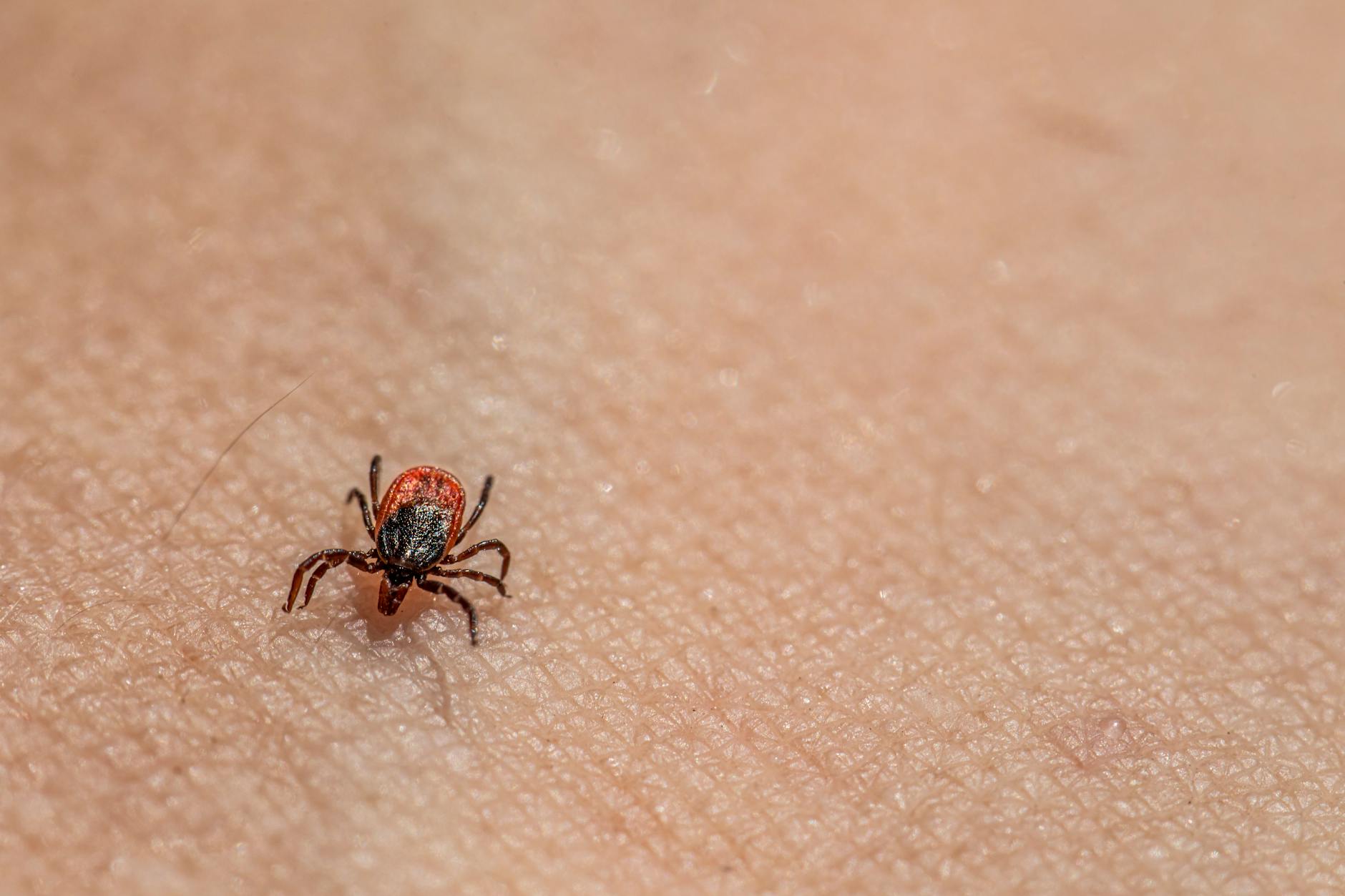
The immediate concern after the tick’s head remains in your skin is the potential for:
- Local irritation and inflammation: The foreign body reaction to the embedded mouthparts can cause redness, swelling, and itching at the bite site.
- Secondary bacterial infection: The open wound created during removal can become infected with bacteria, leading to more serious complications.
- Delayed disease transmission: Although less likely, disease transmission from the tick head cannot be entirely ruled out, especially if the tick was attached for an extended period.
Proper Removal Techniques to Prevent Detachment
The best way to avoid a detached tick head is to use proper removal techniques. Follow these steps for successful tick removal:
- Use fine-tipped tweezers: Grasp the tick as close to the skin’s surface as possible.
- Pull upward with steady, even pressure: Avoid twisting or jerking the tick, as this can cause the head to break off.
- Once removed, clean the bite area: Wash the area thoroughly with soap and water, and apply an antiseptic.
- Dispose of the tick properly: Place the tick in a sealed bag, wrap it tightly in tape, or flush it down the toilet. You can also preserve it in rubbing alcohol for future identification if symptoms develop.
What to Do If the Head Remains Embedded
If what happens if you rip a ticks head off does become a reality, it’s essential to act quickly:
- Attempt to remove the head: Using clean tweezers, try to gently remove the remaining mouthparts. Be patient and avoid digging excessively, which can cause further irritation.
- If unable to remove the head: Clean the area thoroughly with soap and water and apply an antiseptic ointment. Allow the body to naturally reject the foreign object.
- Monitor the bite site: Watch for signs of infection, such as increasing redness, swelling, pain, or pus.
- Consult a doctor: If you are unable to remove the tick head, experience signs of infection, or develop symptoms associated with tick-borne diseases, seek medical attention.
Understanding the Risk of Disease Transmission
While the risk of disease transmission is lower after the tick body is removed, it is not entirely eliminated. Some pathogens can remain in the tick’s salivary glands, which may still be present in the detached head. Therefore, monitoring for symptoms such as fever, rash, fatigue, and joint pain is vital, even after the tick head is removed. Early detection and treatment are crucial for managing tick-borne illnesses.
Comparison of Tick Removal Methods
| Method | Effectiveness | Risk of Detachment | Advantages | Disadvantages |
|---|---|---|---|---|
| Fine-tipped tweezers | High | Low | Precise, readily available | Requires steady hand |
| Tick removal tools | High | Low | Specifically designed for tick removal | May require purchase |
| Petroleum jelly | Low | High | Commonly available | Ineffective, can increase risk of infection |
| Burning | Very Low | Very High | None | Dangerous, ineffective, increases risk of infection |
Frequently Asked Questions (FAQs)
Will the tick head eventually come out on its own?
Yes, in most cases, the body will eventually reject the embedded tick head as a foreign object. The process may take several days to weeks, during which time the area may remain inflamed and irritated. Keeping the area clean and applying an antiseptic ointment can help prevent infection and promote healing.
What are the symptoms of a tick-borne illness?
Symptoms of tick-borne illnesses can vary depending on the specific disease but often include fever, rash, headache, fatigue, and muscle or joint pain. Some diseases, such as Lyme disease, can cause a characteristic bullseye rash around the bite site. If you experience any of these symptoms after a tick bite, seek medical attention promptly.
Is it necessary to see a doctor if I can’t remove the tick head?
While it’s not always necessary to see a doctor if you can’t remove the tick head, it’s advisable to do so if you experience signs of infection or are concerned about the possibility of disease transmission. A doctor can assess the bite site, prescribe antibiotics if necessary, and perform blood tests to check for tick-borne illnesses.
Can I prevent tick bites?
Yes, there are several ways to prevent tick bites: Wear long sleeves and pants when venturing into wooded or grassy areas. Use insect repellent containing DEET, picaridin, or permethrin. Check yourself, your children, and your pets for ticks after spending time outdoors. Remove ticks promptly and properly.
Is it safe to use heat to remove a tick?
No, using heat, such as a match or lighter, is not a safe or effective way to remove a tick. This can cause the tick to regurgitate its stomach contents into the bite wound, increasing the risk of disease transmission. It can also cause serious burns.
What should I do with the tick after I remove it?
After removing the tick, it’s important to dispose of it properly to prevent it from biting someone else. You can place the tick in a sealed bag or container, wrap it tightly in tape, or flush it down the toilet. You can also preserve the tick in rubbing alcohol for identification purposes if you develop symptoms.
How long can a tick head stay embedded in the skin?
A tick head can remain embedded in the skin for several days to weeks. The body will eventually reject it as a foreign object, but during this time, the area may remain inflamed and irritated.
Does squeezing the tick increase the risk of infection?
Yes, squeezing or crushing the tick can increase the risk of infection by forcing the tick’s bodily fluids, which may contain pathogens, into the bite wound. That’s why steady removal with tweezers is recommended.
What happens if you rip a ticks head off of a dog?
The same principles apply to animals: If what happens if you rip a ticks head off of a dog, attempt to remove the remaining head with clean tweezers. If removal is not possible, monitor the area for infection and consult with a veterinarian.
Is there a home remedy to help remove the tick head?
While there’s no guaranteed home remedy, some people suggest applying a drawing salve or poultice to help draw out the embedded tick head. However, these methods are not scientifically proven, and it’s best to consult with a doctor if you’re concerned.
Is it possible to be allergic to tick bites?
Yes, it is possible to be allergic to tick bites. Allergic reactions can range from mild itching and swelling to severe anaphylaxis. If you experience difficulty breathing, hives, or swelling of the face, tongue, or throat after a tick bite, seek immediate medical attention.
Can I get Lyme disease even if I remove the tick promptly?
While removing a tick promptly reduces the risk of Lyme disease, it doesn’t eliminate it entirely. The risk of transmission increases with the length of time the tick is attached. Monitor for symptoms of Lyme disease and seek medical attention if you suspect you may have been infected. Early treatment with antibiotics is highly effective.
This information is intended for educational purposes only and does not constitute medical advice. Always consult with a qualified healthcare professional for any health concerns or before making any decisions related to your health or treatment.