
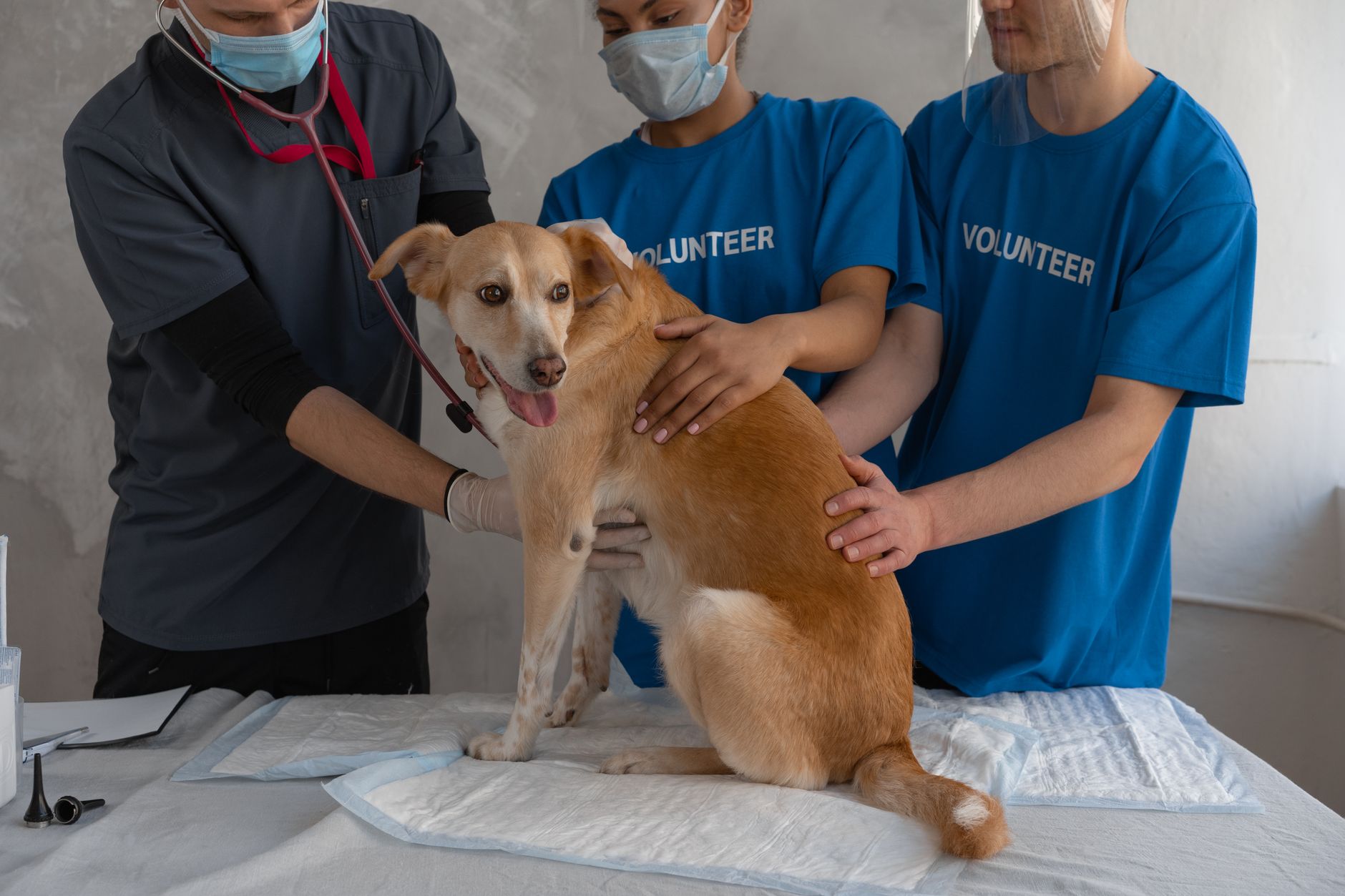
What Happens If You Don’t Treat Valley Fever in Dogs?
Valley Fever, or coccidioidomycosis, in dogs can be fatal if left untreated. Untreated Valley Fever can lead to severe, systemic infection, causing debilitating symptoms and ultimately resulting in organ failure and death; immediate veterinary intervention is crucial.

Understanding Valley Fever in Dogs
Valley Fever, caused by the fungus Coccidioides immitis or Coccidioides posadasii, is endemic to arid and semi-arid regions of the southwestern United States, including Arizona, California, New Mexico, and parts of Texas. Dogs become infected by inhaling fungal spores from the soil.

What colours are fish most attracted to?
Can you put your finger in a trout's mouth?
Is methylene blue anti bacterial?
Does aquarium salt raise pH in aquarium?
The Progression of Untreated Valley Fever
When a dog inhales Coccidioides spores, they transform into spherules within the lungs. These spherules grow and eventually rupture, releasing endospores that can spread the infection to other parts of the body. Without treatment, this cycle continues, leading to a progressive and worsening infection.
Common Symptoms of Valley Fever
The symptoms of Valley Fever can vary depending on the extent and location of the infection. Early symptoms can be subtle and easily mistaken for other illnesses. Common signs include:
- Coughing
- Lethargy
- Fever
- Weight loss
- Decreased appetite
- Lameness (if bones are affected)
- Skin lesions (sores that do not heal)
In more severe cases, the infection can spread to the brain, causing neurological signs such as seizures, incoordination, and behavioral changes.
What Happens if You Don’t Treat Valley Fever in Dogs? A Systemic Breakdown
What happens if you don’t treat Valley Fever in dogs? The consequences are dire. The infection can spread systemically, affecting multiple organs. Without treatment, the following can occur:
- Pneumonia: Severe lung infection leading to difficulty breathing and respiratory failure.
- Bone lesions: Infection of the bones causing pain, lameness, and fractures.
- Skin lesions: Open, non-healing sores that can become infected.
- Meningitis: Inflammation of the brain and spinal cord, leading to neurological damage.
- Organ failure: Infection of vital organs such as the liver, kidneys, and heart, leading to organ failure and death.
- Dissemination: Widespread infection throughout the body, making treatment much more difficult and less likely to be successful.
The Importance of Early Diagnosis
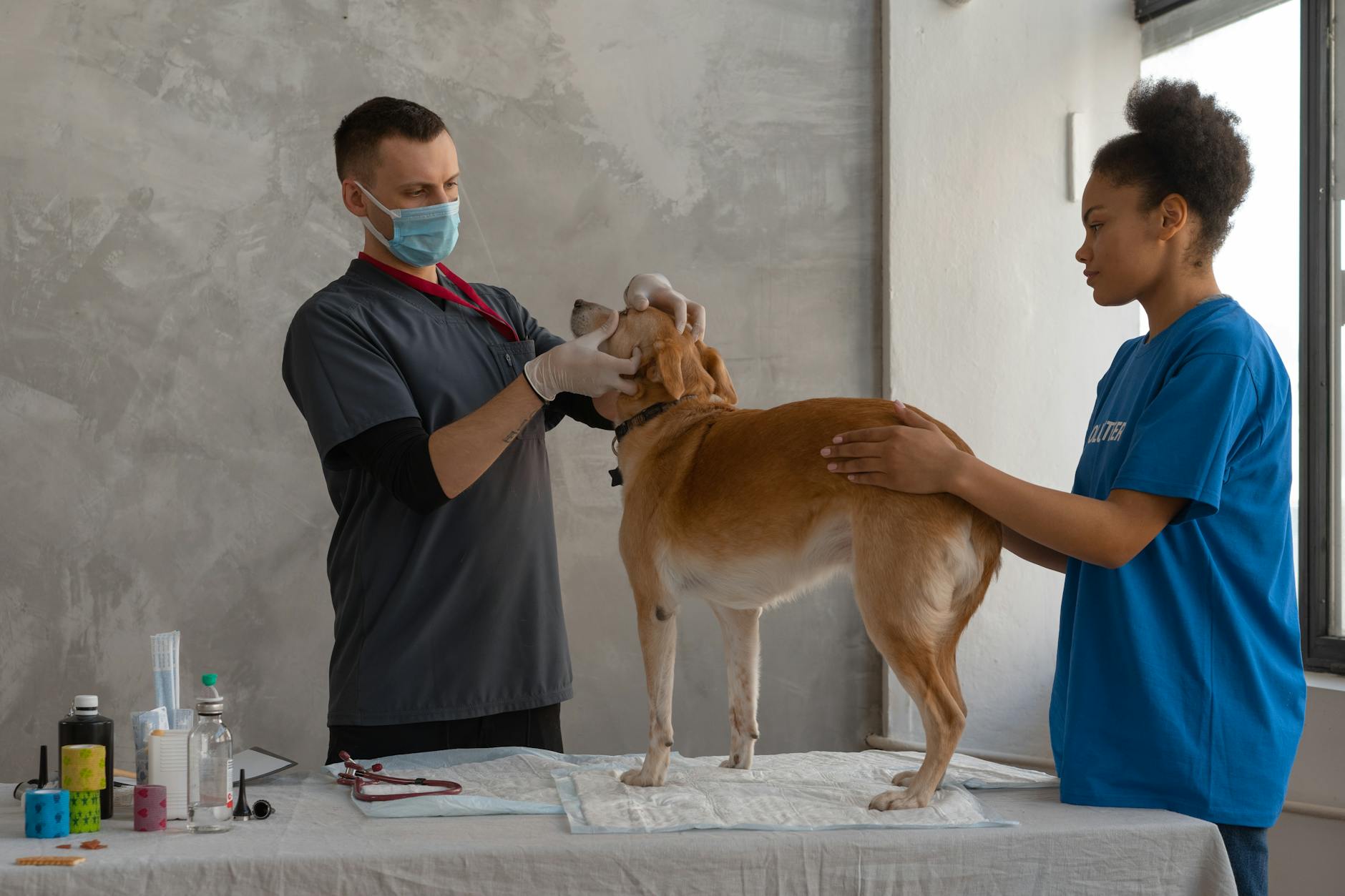
Early diagnosis is critical for successful treatment of Valley Fever in dogs. Veterinarians use a combination of diagnostic tests to confirm the diagnosis, including:
- Blood tests: Detect antibodies to the Coccidioides fungus.
- X-rays: Evaluate the lungs for signs of infection.
- Cytology/Histopathology: Microscopic examination of fluid or tissue samples to identify the fungus.
- PCR testing: A more sensitive test that detects fungal DNA in samples.
Treatment Options for Valley Fever
While there is no cure for Valley Fever, antifungal medications can effectively control the infection and improve the dog’s quality of life. Treatment typically involves long-term antifungal therapy, often for six months to a year, or even longer in some cases. Common antifungal medications used to treat Valley Fever include:
- Fluconazole: A commonly used and well-tolerated antifungal.
- Itraconazole: Another effective antifungal, but can have more side effects than fluconazole.
- Ketoconazole: An older antifungal that is less commonly used due to its potential for side effects.
- Amphotericin B: An injectable antifungal used in severe cases.
Supportive care, such as pain management and nutritional support, is also important. Regular monitoring by a veterinarian is essential to assess the dog’s response to treatment and adjust the medication dosage as needed.
Prevention Strategies
While it’s impossible to completely eliminate the risk of Valley Fever in endemic areas, there are some steps you can take to reduce your dog’s exposure:
- Limit exposure to dusty areas: Avoid walking your dog in dusty environments, especially during windy days.
- Consider using a mask: For dogs at high risk, such as those with weakened immune systems, a face mask may help filter out fungal spores.
- Keep your dog healthy: A strong immune system can help your dog fight off infection. Ensure your dog is properly vaccinated, fed a balanced diet, and gets regular exercise.
FAQs
What is the long-term prognosis for dogs with untreated Valley Fever?
The long-term prognosis for dogs with untreated Valley Fever is very poor. Without treatment, the infection will progress, leading to severe illness, organ damage, and eventually death.
Can Valley Fever be cured in dogs?
While Valley Fever cannot be completely cured, antifungal medications can effectively control the infection and significantly improve a dog’s quality of life. Many dogs can live comfortably for years with appropriate treatment.
How quickly does Valley Fever progress if left untreated?
The rate of progression varies, but untreated Valley Fever typically progresses from mild to severe within weeks to months. Factors like the dog’s age, immune system, and the severity of the initial infection influence the timeline.
What are the most common organs affected by disseminated Valley Fever?
The most common organs affected by disseminated Valley Fever are the lungs, bones, skin, and brain. Infection in these organs can lead to severe complications.
Is Valley Fever contagious between dogs or from dogs to humans?
Valley Fever is not contagious between dogs or from dogs to humans. Infection occurs through inhalation of fungal spores from the soil, not through direct contact with an infected animal or person.
How do veterinarians diagnose Valley Fever in dogs?
Veterinarians diagnose Valley Fever using a combination of diagnostic tests, including blood tests (antibody titers), X-rays, cytology/histopathology, and PCR testing.
What are the potential side effects of antifungal medications used to treat Valley Fever?
Common side effects of antifungal medications include loss of appetite, vomiting, diarrhea, and liver damage. Veterinarians monitor liver enzymes during treatment to detect and manage any potential side effects.
How long does a dog typically need to be on antifungal medication for Valley Fever?
Treatment duration varies, but dogs typically need to be on antifungal medication for at least 6-12 months, or even longer. Treatment continues until antibody titers significantly decrease and symptoms resolve.
Can dogs develop immunity to Valley Fever after being infected?
Dogs that have recovered from Valley Fever may develop some degree of immunity, but they can still be re-infected. Immunity is not always complete or long-lasting.
What is the cost of treating Valley Fever in dogs?
The cost of treating Valley Fever varies depending on the severity of the infection, the type of medication used, and the duration of treatment. Treatment can range from several hundred to several thousand dollars.
Are there any alternative or complementary therapies for Valley Fever in dogs?
While there is no substitute for conventional antifungal medications, some veterinarians may recommend supportive therapies such as immune-boosting supplements or acupuncture to improve the dog’s overall health and well-being. These therapies should always be used in conjunction with, and not as a replacement for, traditional veterinary care.
What specific environments increase a dog’s risk of contracting Valley Fever?
Dry, dusty environments with loose soil, particularly after rain, increase a dog’s risk. Areas with recent construction or soil disturbance are also high-risk. Living in or visiting endemic regions significantly elevates the likelihood of exposure and infection.