
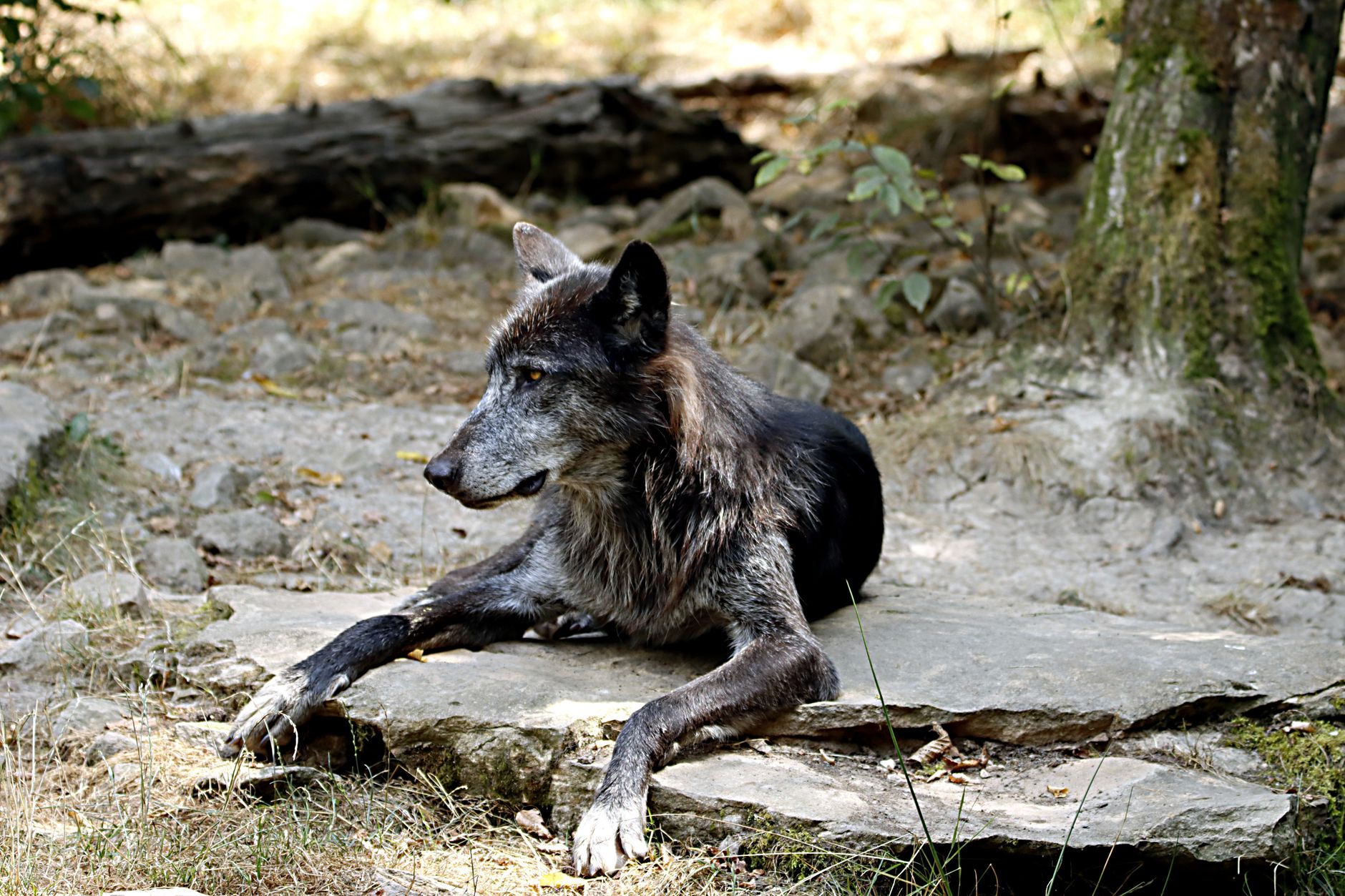
What Happens If a Wolf Bites You?
A wolf bite can result in serious injuries, including tissue damage and a high risk of infection, most notably rabies. Prompt medical attention, including wound cleaning, rabies prophylaxis, and potential antibiotics, is crucial.

Understanding the Risks of a Wolf Bite
While wolf attacks on humans are rare, especially unprovoked attacks, understanding the potential consequences of a wolf bite is essential for anyone living in or visiting wolf habitat. The severity of the bite depends on various factors, including the size and strength of the wolf, the location of the bite, and the health status of the animal. What happens if a wolf bites you? Let’s explore the potential ramifications.

What colours are fish most attracted to?
Can you put your finger in a trout's mouth?
Is methylene blue anti bacterial?
Does aquarium salt raise pH in aquarium?
Immediate Physical Trauma

A wolf’s bite is considerably stronger than that of a domestic dog. Their jaws are designed to crush bone, and their teeth are sharp enough to tear flesh. The immediate consequences of a wolf bite can include:
- Puncture wounds: Deep wounds that can damage underlying tissues and introduce bacteria.
- Lacerations: Tears in the skin that may require stitches.
- Crush injuries: Damage to muscles, bones, and blood vessels.
- Avulsions: Tearing away of tissue.
The extent of the injury will depend on the wolf’s size and the location of the bite. Bites to the head, neck, or torso are generally more dangerous than those to the limbs. The immediate priority after a bite is to control bleeding and prevent further injury.
The Threat of Infection
Infection is a significant concern following a wolf bite. Wolves, like many wild animals, can carry a variety of bacteria and viruses that can cause serious illness in humans. The most critical infection to consider is rabies, but other potential infections include:
- Staphylococcus and Streptococcus bacteria, leading to skin infections and potentially more severe systemic infections.
- Pasteurella bacteria, which can cause wound infections and cellulitis.
- Tetanus, a bacterial infection that affects the nervous system.
Prompt and thorough wound cleaning, along with antibiotics, is crucial to prevent or treat infection. Rabies prophylaxis is essential and time-sensitive.
The Critical Danger of Rabies
Rabies is a fatal viral disease that affects the central nervous system. It is transmitted through the saliva of infected animals. Because wolves are potential carriers of rabies, a wolf bite is considered a significant risk for rabies exposure.
The incubation period for rabies can vary from weeks to months. During this time, the virus travels to the brain and causes inflammation. Once symptoms appear, rabies is almost always fatal. Symptoms can include:
- Fever
- Headache
- Muscle weakness
- Confusion
- Agitation
- Hallucinations
- Hydrophobia (fear of water)
- Paralysis
Post-exposure prophylaxis (PEP) for rabies involves a series of vaccinations and, in some cases, rabies immunoglobulin (RIG). PEP is highly effective if administered promptly after exposure.
Psychological Impact
Beyond the physical injuries and risk of infection, a wolf bite can have a significant psychological impact. The trauma of being attacked by a wild animal can lead to:
- Anxiety
- Post-traumatic stress disorder (PTSD)
- Fear of animals
- Sleep disturbances
Counseling or therapy may be necessary to help individuals cope with the psychological effects of a wolf bite.
Prevention is Key
While the consequences of a wolf bite can be severe, the risk of being bitten by a wolf is relatively low. Taking precautions can further reduce the risk:
- Avoid approaching or feeding wolves.
- Keep pets leashed and under control in wolf habitat.
- Store food properly to avoid attracting wolves.
- Educate yourself about wolf behavior and safety precautions.
- Carry bear spray in areas known to have wolf populations.
By understanding the risks and taking appropriate precautions, you can minimize the likelihood of a negative encounter with a wolf.
What Happens After a Wolf Bite: A Step-by-Step Guide
If a wolf bites you, follow these steps immediately:
- Wash the wound thoroughly: Use soap and water to clean the wound for at least 15 minutes.
- Control bleeding: Apply direct pressure to the wound with a clean cloth.
- Seek immediate medical attention: Go to the nearest emergency room or urgent care center. Explain that you were bitten by a wolf.
- Report the incident: Contact local wildlife authorities or animal control. They can investigate the incident and attempt to locate the wolf.
- Follow medical advice: Your doctor will assess the wound, administer rabies prophylaxis if necessary, and prescribe antibiotics to prevent infection.
- Document the incident: Take photos of the wound and the surrounding area. Keep records of all medical treatments and expenses.
Following these steps can significantly reduce the risk of serious complications and help ensure a full recovery.
Comparing Wolf and Dog Bites
While both wolf and dog bites can be dangerous, there are some key differences to consider:
| Feature | Wolf Bite | Dog Bite |
|---|---|---|
| Jaw Strength | Significantly stronger | Varies depending on the breed |
| Bite Pattern | Often crushing or tearing | More likely to be a single bite |
| Risk of Rabies | Potentially higher in some regions | Lower due to vaccination programs |
| Wild Animal Behavior | Unpredictable, defensive or predatory | More likely related to aggression or fear |
Understanding these differences can help you assess the severity of the situation and seek appropriate medical care. The key point to remember is that any animal bite should be taken seriously and treated promptly. What happens if a wolf bites you or a dog bites you – both require immediate medical attention.
Frequently Asked Questions (FAQs)
Is it true that wolf attacks on humans are rare?
Yes, documented wolf attacks on humans, especially unprovoked ones, are relatively rare. Most attacks occur when wolves are habituated to humans, are sick or injured, or are defending their territory or young. However, rarity does not negate the potential severity of such an event.
What is rabies prophylaxis, and why is it necessary after a wolf bite?
Rabies prophylaxis, or PEP, is a series of vaccinations and, in some cases, rabies immunoglobulin (RIG) administered to prevent rabies infection after exposure to a potentially rabid animal. It’s essential because once rabies symptoms appear, the disease is almost always fatal. Prompt administration of PEP is highly effective in preventing rabies.
How long does it take for rabies symptoms to appear after a wolf bite?
The incubation period for rabies can vary from weeks to months, depending on factors such as the location and severity of the bite, the amount of virus introduced, and the distance the virus needs to travel to reach the central nervous system. Generally, it can range from 3 weeks to 3 months, but longer incubation periods are possible.
Can a wolf bite cause permanent scarring?
Yes, a wolf bite can cause permanent scarring, especially if the wound is deep, extensive, or becomes infected. The extent of the scarring depends on the severity of the initial injury and how well it heals. Proper wound care and, in some cases, plastic surgery can help minimize scarring.
What types of antibiotics are typically prescribed after a wolf bite?
Broad-spectrum antibiotics are commonly prescribed to prevent or treat bacterial infections following a wolf bite. Common choices include amoxicillin-clavulanate (Augmentin) or doxycycline. The specific antibiotic will depend on the individual’s medical history and the specific bacteria suspected in the wound.
What should I do if I see a wolf near my home or while hiking?
If you see a wolf, maintain a safe distance and avoid direct eye contact. Do not approach or feed the wolf. If the wolf approaches you, make yourself appear large by raising your arms and shouting. Slowly back away while maintaining eye contact. If the wolf attacks, fight back using any available objects as weapons.
Are there any long-term health consequences associated with a wolf bite beyond scarring and psychological trauma?
Besides scarring and psychological trauma, long-term health consequences are primarily related to the risk of chronic infections or complications from initial injuries, such as nerve damage or joint problems. These are relatively rare but possible, highlighting the importance of proper medical follow-up.
Is it possible to determine if a wolf is rabid without testing its brain tissue?
No, the definitive diagnosis of rabies requires testing brain tissue. While behavioral changes may suggest rabies, they are not conclusive. In cases of human exposure, the animal, if captured, is often euthanized and tested for rabies to determine the need for post-exposure prophylaxis.
Does bear spray work against wolves?
Yes, bear spray can be effective against wolves. Bear spray is a powerful deterrent designed to repel aggressive animals. When deployed correctly, it can temporarily incapacitate a wolf, giving you time to escape. Always carry bear spray in wolf habitat and know how to use it properly.
How common is it for wolves to carry other diseases besides rabies?
Wolves can carry a variety of diseases and parasites, including distemper, parvovirus, mange, and heartworm. However, the prevalence of these diseases varies depending on the geographic location and wolf population. While rabies is the most concerning risk to humans, other diseases can pose a threat to domestic animals.
Are wolf attacks more common in certain areas?
Wolf attacks are more likely to occur in areas where wolves are habituated to humans, such as near campgrounds or residential areas where people have intentionally or unintentionally fed wolves. Areas with declining prey populations may also see increased interaction between wolves and humans.
What legal recourse do I have if I am bitten by a wolf?
Legal recourse varies depending on local and state laws. Generally, you may be able to file a claim against the state or federal government, or private landowners, if their negligence contributed to the attack. Consulting with an attorney specializing in personal injury or wildlife law is essential to understand your rights and options.