
What Gives Ponds Oxygen? The Vital Role of Oxygen in Pond Ecosystems
Pond oxygen is primarily generated through photosynthesis by aquatic plants and algae and diffusion from the atmosphere. Understanding these processes is critical for maintaining a healthy pond ecosystem.

Introduction: The Breath of Life for Ponds
Ponds, seemingly tranquil havens, are bustling ecosystems teeming with life. Just like any other living organism, the inhabitants of these aquatic environments—fish, invertebrates, and beneficial bacteria—require oxygen to survive. But what gives ponds oxygen? Understanding the sources and dynamics of oxygen in ponds is crucial for maintaining their health and ecological balance. Without sufficient oxygen, a pond can quickly become a stagnant, lifeless pool.

Is distilled water good for goldfish?
What colours are fish most attracted to?
Can you put your finger in a trout's mouth?
Is methylene blue anti bacterial?
The Two Primary Sources of Pond Oxygen

There are two main pathways through which oxygen enters a pond environment:
- Photosynthesis: This process, carried out by aquatic plants (both submerged and floating) and algae, uses sunlight to convert carbon dioxide and water into glucose and oxygen. This is the most significant source of oxygen in a healthy pond.
- Atmospheric Diffusion: Oxygen from the atmosphere dissolves into the pond water at the surface. This diffusion is influenced by factors like wind, temperature, and surface area.
Photosynthesis: Nature’s Oxygen Factory
Photosynthesis is the engine that drives oxygen production in a pond. Aquatic plants and algae, collectively known as primary producers, utilize sunlight as their energy source. The more plants and algae present, the more oxygen is generated, assuming sufficient sunlight is available.
- Sunlight: The intensity and duration of sunlight directly impact the rate of photosynthesis.
- Carbon Dioxide: Plants consume carbon dioxide during photosynthesis, effectively reducing its concentration in the water.
- Water: A necessary ingredient for the photosynthetic process.
- Nutrients: Proper levels of essential nutrients support healthy plant and algae growth, leading to increased oxygen production.
Atmospheric Diffusion: Oxygen from Above
Atmospheric diffusion involves the transfer of oxygen gas from the air into the pond water. The rate of diffusion depends on several factors:
- Oxygen Concentration Gradient: The difference in oxygen concentration between the air and the water. The greater the difference, the faster the diffusion.
- Water Temperature: Colder water holds more dissolved oxygen than warmer water. Therefore, diffusion is generally more efficient in colder months.
- Surface Area: A larger surface area allows for more oxygen exchange.
- Wind and Water Movement: Wind creates ripples and waves, increasing the surface area and mixing the water, thereby accelerating diffusion. Aerators, fountains, and waterfalls mimic this effect.
Oxygen Consumption in Ponds: Demand Outstrips Supply?
While photosynthesis and atmospheric diffusion contribute oxygen to a pond, various processes simultaneously consume it. If the rate of consumption exceeds the rate of production, oxygen levels can plummet, leading to serious problems.
- Respiration: All living organisms in the pond—fish, invertebrates, bacteria, and even the plants and algae themselves—consume oxygen through respiration.
- Decomposition: The breakdown of organic matter (leaves, dead plants, fish waste) by bacteria consumes vast amounts of oxygen. This is a major cause of oxygen depletion.
- Chemical Reactions: Certain chemical reactions in the water can also consume oxygen.
Common Causes of Low Oxygen Levels in Ponds
Understanding the reasons behind low oxygen levels is essential for effective pond management.
- Overgrowth of Algae: While algae produce oxygen during the day, they also consume it at night during respiration. A massive algae bloom can lead to severe oxygen depletion overnight, resulting in fish kills.
- Excessive Organic Matter: An accumulation of leaves, decaying plants, and fish waste creates a breeding ground for bacteria that consume large amounts of oxygen during decomposition.
- Overstocking of Fish: Too many fish in a pond can overwhelm the ecosystem’s ability to maintain adequate oxygen levels.
- Warm Water Temperatures: Warmer water holds less dissolved oxygen, making ponds more susceptible to oxygen depletion during hot weather.
- Lack of Water Circulation: Stagnant water prevents adequate oxygen diffusion and can lead to oxygen stratification, where the lower layers of the pond become oxygen-depleted.
Strategies to Increase and Maintain Oxygen Levels in Ponds
Implementing proactive measures can help ensure that a pond has sufficient oxygen to support a healthy ecosystem.
- Aeration: Installing a pond aerator or fountain is one of the most effective ways to increase oxygen levels. These devices circulate the water, promoting oxygen diffusion and preventing stratification.
- Aquatic Plants: Introducing a variety of aquatic plants not only provides oxygen but also provides habitat for fish and other aquatic organisms.
- Reduce Organic Matter: Regularly removing leaves, decaying plants, and other organic debris from the pond can significantly reduce oxygen consumption by bacteria.
- Control Algae Growth: Implementing strategies to control algae growth, such as nutrient management and the introduction of beneficial bacteria, can help prevent massive algae blooms and subsequent oxygen depletion.
- Maintain Proper Fish Stocking Levels: Avoid overstocking the pond with fish. Ensure there is adequate space and resources to support the population.
- Partial Water Changes: Periodically replacing a portion of the pond water with fresh, oxygenated water can help replenish oxygen levels.
Monitoring Oxygen Levels: A Proactive Approach
Regularly monitoring oxygen levels in a pond is essential for identifying potential problems early on.
- Oxygen Test Kits: Readily available oxygen test kits allow pond owners to easily measure oxygen levels.
- Electronic Oxygen Meters: These devices provide accurate and continuous oxygen readings.
- Observe Fish Behavior: Fish gasping at the surface of the water is a clear sign of oxygen depletion.
Conclusion: A Delicate Balance
Maintaining adequate oxygen levels is vital for the health and vitality of a pond ecosystem. Understanding what gives ponds oxygen, the factors that affect oxygen levels, and implementing appropriate management strategies are crucial for creating a thriving and sustainable aquatic environment. By carefully managing plant life, controlling organic matter, and ensuring adequate aeration, pond owners can ensure their ponds remain healthy and vibrant habitats for years to come.
FAQs: Deep Dive into Pond Oxygen
What is the ideal dissolved oxygen level for a pond?
The ideal dissolved oxygen (DO) level for a healthy pond is typically above 5 parts per million (ppm). Levels below 3 ppm can be stressful for fish, and levels below 2 ppm can be lethal. Different species have varying oxygen requirements; for example, trout require higher DO levels than catfish.
How does temperature affect oxygen levels in a pond?
Warmer water holds less dissolved oxygen than colder water. As water temperature increases, the solubility of oxygen decreases, making ponds more susceptible to oxygen depletion during hot weather. This is why oxygen depletion is more common in summer months.
Can too many plants in a pond cause oxygen problems?
Yes, while aquatic plants produce oxygen during the day through photosynthesis, they also consume oxygen at night through respiration. An overabundance of plants, especially algae, can lead to oxygen depletion overnight, particularly in heavily shaded ponds.
How does organic matter affect oxygen levels in a pond?
Decomposing organic matter, such as leaves and dead plants, consumes large amounts of oxygen as bacteria break it down. Excessive organic matter accumulation can significantly deplete oxygen levels, creating an unhealthy environment for aquatic life.
What is thermal stratification, and how does it affect oxygen levels?
Thermal stratification occurs when layers of water in a pond have different temperatures. Warmer water is less dense and sits on top of colder water. This stratification can prevent oxygen from mixing into the lower layers of the pond, leading to oxygen depletion in those zones.
How can I tell if my pond is low in oxygen?
Signs of low oxygen levels in a pond include:
- Fish gasping for air at the surface of the water.
- Fish congregating near waterfalls or aerators.
- Slow fish movement and lethargy.
- A foul smell emanating from the pond.
- Increased fish mortality.
What types of aeration systems are available for ponds?
Several types of aeration systems can be used in ponds, including:
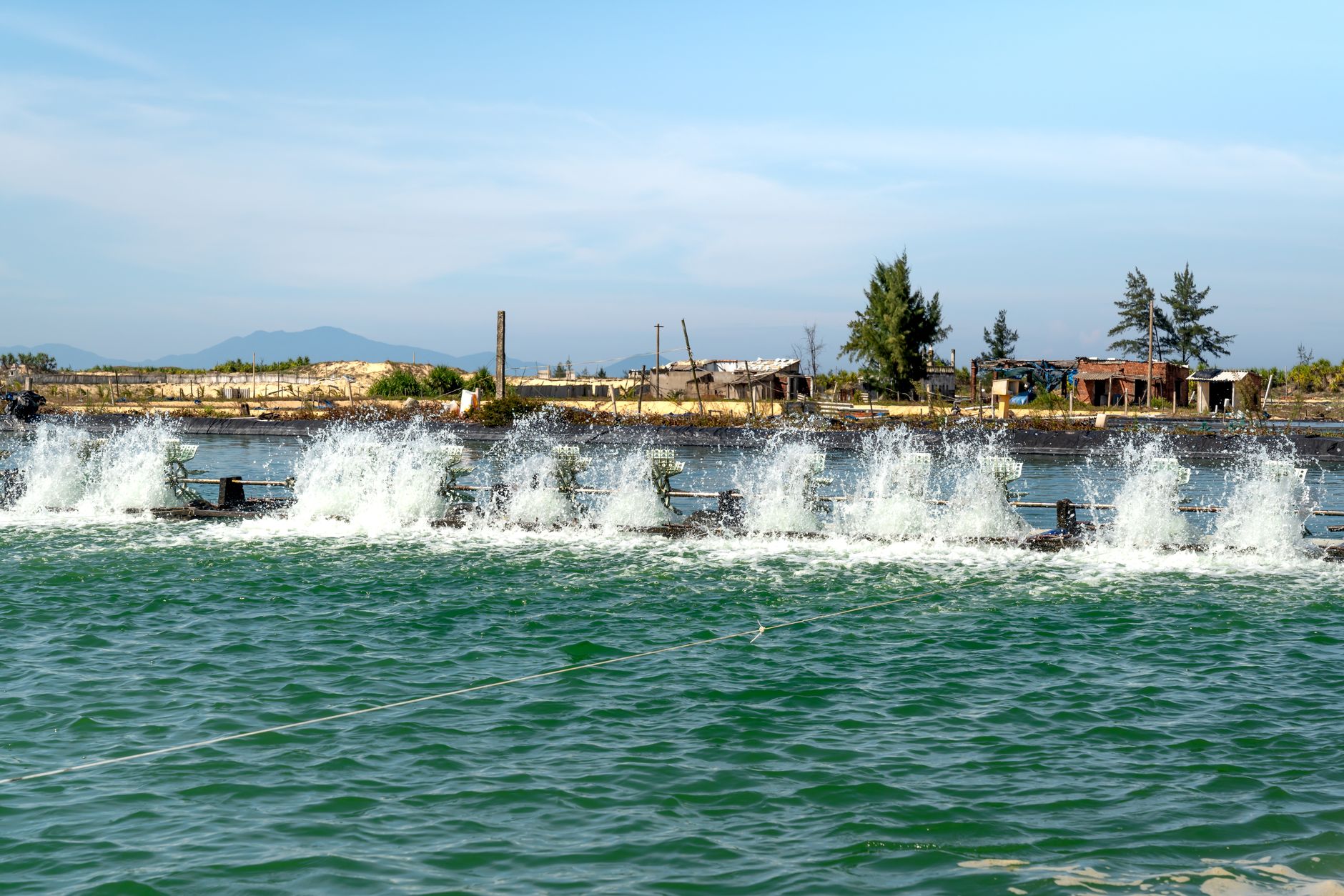
- Surface aerators: These devices spray water into the air, increasing oxygen diffusion.
- Subsurface aerators: These systems pump air into the bottom of the pond, creating bubbles that circulate the water.
- Fountains: Fountains not only add oxygen but also enhance the aesthetic appeal of the pond.
Are there any natural ways to increase oxygen levels in a pond?
Yes, planting native aquatic plants, removing decaying organic matter, and encouraging water circulation through natural means (e.g., positioning the pond in an area with breezes) are all natural ways to increase oxygen levels.
How often should I test the oxygen levels in my pond?
During warmer months, especially if you notice any signs of low oxygen, testing weekly or even daily is advisable. During cooler months, testing once or twice a month may be sufficient. Regular monitoring allows you to detect and address oxygen problems early on.
Can fertilizers affect oxygen levels in a pond?
Yes, fertilizers containing nitrogen and phosphorus can promote excessive algae growth, leading to oxygen depletion when the algae die and decompose. Use fertilizers sparingly and choose those formulated for aquatic environments.
What role do beneficial bacteria play in maintaining oxygen levels?
Beneficial bacteria help break down organic matter in the pond, reducing the oxygen demand associated with decomposition. Introducing these bacteria can help maintain a healthy balance and prevent oxygen depletion.
Can a pond be too oxygenated?
While it’s rare, it is possible for a pond to become supersaturated with oxygen. This is more likely to occur in ponds with very high densities of algae or aquatic plants under intense sunlight. The effects are not as detrimental as low oxygen levels, but extremely high oxygen concentrations can be stressful for some aquatic species.