

What Fish with Sharp Teeth Swim in Brazil’s Rivers?
What fish with sharp teeth swim in Brazil’s rivers? The rivers of Brazil teem with diverse aquatic life, including several species renowned for their sharp teeth, such as piranhas, payara, and trahiras, each uniquely adapted to their environment.

A Journey into Brazil’s Rivers: Unveiling the Sharp-Toothed Inhabitants
Brazil, a land of staggering biodiversity, holds within its intricate river systems a fascinating array of fish, some armed with formidable dentition. These sharp-toothed predators play critical roles in the ecosystem, contributing to the balance and health of these vital waterways. Understanding these species offers a glimpse into the complex interplay of life beneath the surface. Let’s delve into the world of what fish with sharp teeth swim in Brazil’s rivers.

How intelligent are fish?
Are fish heads good for the garden?
Can fish hear water?
What is cotton rot in fish?
Piranhas: The Icons of the Amazon
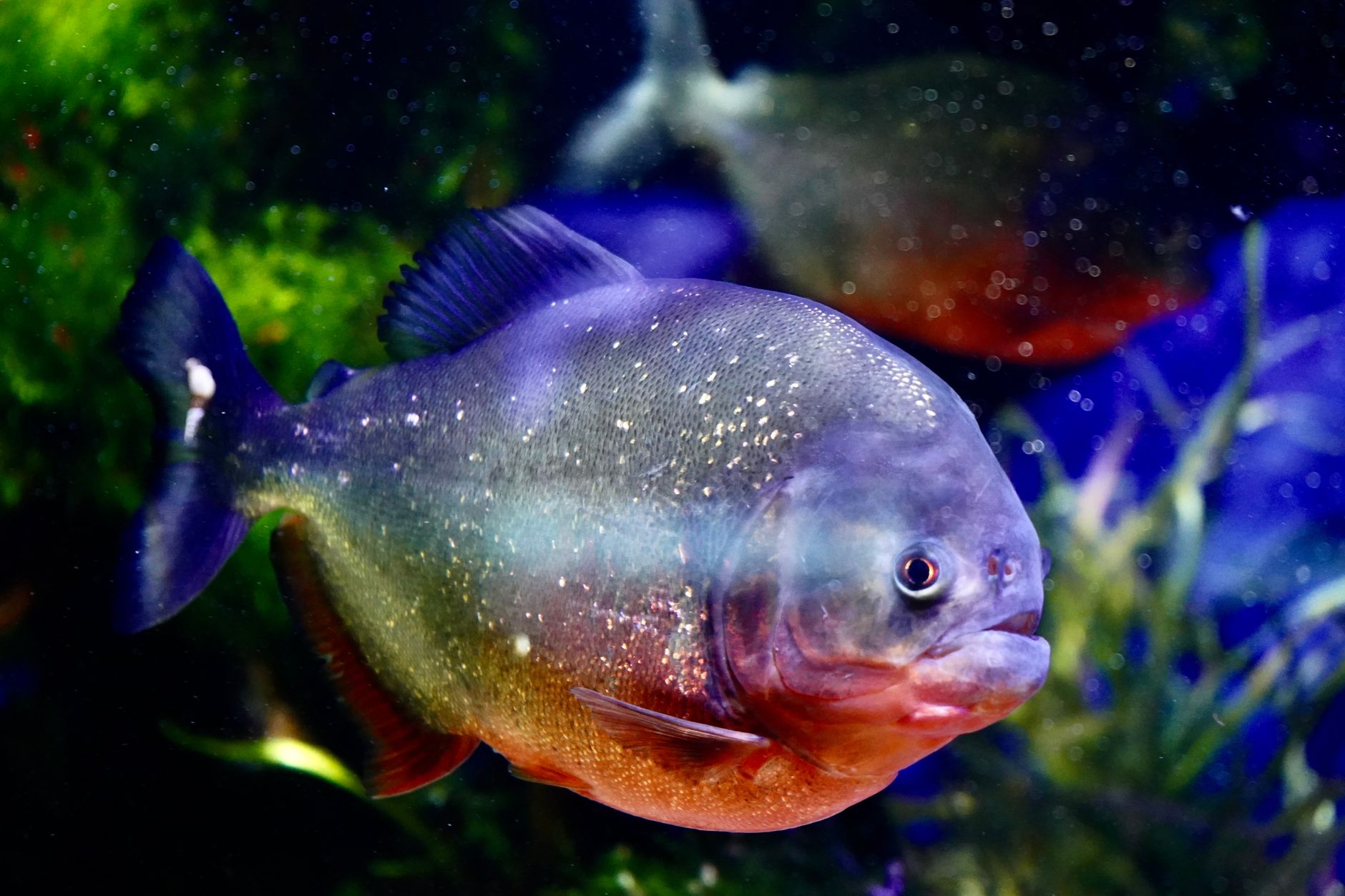
Perhaps the most widely recognized sharp-toothed fish from Brazil are the piranhas. Their reputation, often fueled by sensationalized media, precedes them. However, the reality is more nuanced.
- Red-Bellied Piranha ( Pygocentrus nattereri ): This is the quintessential piranha, known for its aggressive feeding behavior, particularly in groups. Their teeth are triangular and razor-sharp, ideal for shearing flesh.
- Black Piranha ( Serrasalmus rhombeus ): A larger and more solitary species, the black piranha is considered one of the most ferocious. They possess powerful jaws and can inflict significant damage.
- Other Piranha Species: While the red-bellied and black piranhas are the most notorious, numerous other piranha species inhabit Brazilian rivers, each with varying diets and temperaments. Some are primarily scavengers or fruit eaters.
Payara: The Vampire Fish
The payara ( Hydrolycus scomberoides ) is a truly remarkable fish, distinguished by its incredibly long, fang-like teeth that protrude from its lower jaw. These teeth can grow to be several inches long and are used to impale smaller fish.
- Habitat: Payara are found in the Amazon and Orinoco river basins.
- Diet: They are primarily piscivorous, preying on other fish, including piranhas!
- Unique Adaptation: The sheaths in the upper jaw accommodate the long teeth when the mouth is closed.
Trahiras: The Ambush Predators
The trahiras (various species in the Hoplias genus), also known as wolf fish, are ambush predators found throughout South America, including Brazil. They are characterized by their cylindrical bodies, camouflaged coloration, and, of course, their sharp teeth.
- Predatory Behavior: Trahiras lie in wait, blending into their surroundings, and then strike with incredible speed.
- Powerful Jaws: Their jaws are equipped with numerous sharp teeth capable of delivering a powerful bite.
- Habitat: They inhabit a variety of freshwater environments, including rivers, streams, and swamps.
Comparing the Sharp-Toothed Predators
| Fish | Teeth Characteristics | Predatory Behavior | Habitat |
|---|---|---|---|
| Piranhas | Triangular, razor-sharp | Group or solitary hunters, scavengers | Rivers, lakes, and floodplains |
| Payara | Long, fang-like teeth | Piscivore | Main river channels |
| Trahiras | Sharp, numerous teeth | Ambush predator | Rivers, streams, swamps |
The Ecological Role of Sharp-Toothed Fish
What fish with sharp teeth swim in Brazil’s rivers? They are not just fearsome predators; they are vital components of the aquatic ecosystem. They help to control populations of other fish, remove weak or diseased individuals, and contribute to nutrient cycling. Their presence indicates a healthy and balanced ecosystem.
- Predator-Prey Dynamics: They regulate prey populations, preventing overgrazing of vegetation and maintaining species diversity.
- Scavenging: Some species, like certain piranhas, act as scavengers, removing carrion and preventing the spread of disease.
- Nutrient Cycling: Their feeding habits contribute to the decomposition of organic matter and the release of nutrients back into the water.
Conservation Concerns
While some sharp-toothed fish are abundant, others face threats from habitat loss, overfishing, and pollution. Conservation efforts are crucial to ensure the long-term survival of these fascinating creatures.
- Habitat Destruction: Deforestation, dam construction, and agricultural runoff degrade water quality and destroy critical habitats.
- Overfishing: Some species are targeted for the aquarium trade or for human consumption.
- Pollution: Industrial and agricultural pollutants can contaminate waterways and harm fish populations.
Frequently Asked Questions About Brazil’s Sharp-Toothed Fish
What is the most dangerous fish with sharp teeth in Brazil’s rivers?
While all the mentioned species can inflict painful bites, the black piranha is often considered the most dangerous due to its size, powerful jaws, and aggressive temperament. However, attacks on humans are rare, and typically occur only when the fish feel threatened or during periods of extreme hunger.
Are piranhas as dangerous as portrayed in movies?
No, the image of piranhas as ravenous, man-eating monsters is largely exaggerated. While they can be aggressive, particularly in groups, attacks on humans are uncommon. They are more likely to scavenge on dead animals or feed on smaller fish. The real danger lies in misconceptions about their behavior.
What should I do if I encounter a piranha while swimming in a Brazilian river?
The best course of action is to remain calm and avoid splashing or making sudden movements, as this can attract their attention. Slowly and deliberately move away from the area. Avoid swimming in areas known to be heavily populated with piranhas, especially during the dry season when food is scarce.
What is the largest of the sharp-toothed fish found in Brazil’s rivers?
The payara can reach impressive sizes, with some individuals growing to over 4 feet in length and weighing over 70 pounds. The black piranha can also grow quite large, reaching lengths of over 20 inches.
Do piranhas only eat meat?
While piranhas are primarily carnivorous, some species are opportunistic feeders and will consume fruits, seeds, and other plant matter. The red-bellied piranha, for example, has been known to eat fruits that fall into the water.
Are trahiras poisonous?
No, trahiras are not poisonous. However, their sharp teeth can inflict a painful bite, so caution should be exercised when handling them.
What do payara eat besides fish?
Payara are almost exclusively piscivorous, meaning their diet consists primarily of other fish. They are highly specialized predators, adapted for hunting fast-moving prey.
How can I tell the difference between different species of piranhas?
Identifying different piranha species can be challenging, as many species share similar characteristics. Key features to look for include body shape, coloration, teeth shape, and the presence or absence of certain markings. Consulting with a local expert or using a field guide is often the best way to accurately identify a species.
Are sharp-toothed fish important for the local economy in Brazil?
Yes, some sharp-toothed fish, such as piranhas and trahiras, are popular targets for recreational fishing, which can generate revenue for local communities. Additionally, some species are caught and sold for human consumption.
How are Brazilian conservationists protecting these fish populations?
Conservation efforts include protecting critical habitats, implementing fishing regulations, and raising public awareness about the importance of these species. Sustainable fishing practices and habitat restoration projects are also crucial for ensuring their long-term survival. Education and community involvement are key.
Do climate changes impact the populations of the sharp-toothed fish?
Yes, climate change poses a significant threat to these fish populations. Changes in water temperature, rainfall patterns, and river flow can disrupt their breeding cycles, alter their habitats, and increase their susceptibility to disease. Protecting riverine ecosystems is essential to mitigate the impacts of climate change.
What is the best time of year to observe these fish in the wild?
The best time to observe these fish in the wild is typically during the dry season when water levels are lower and visibility is better. This makes it easier to spot them in their natural habitat. However, it is important to respect their environment and avoid disturbing them.